To Visit or Not to Visit North Zealand’s Castles? That’s Not Even a Question
Hamlet spent his time at Kronborg Castle agonizing over life’s great dilemmas. I spent mine debating which turret had the best view. North Zealand, the royal heartland of Denmark, is home to some of Europe’s most jaw-dropping castles. Unlike the Prince of Denmark, you won’t need much convincing to visit. From the brooding sea-fortress of Kronborg to the fairy-tale spires of Frederiksborg, this little corner of Denmark makes you feel like you’ve stumbled into a history book.
North Zealand sits just a scenic hour’s drive from Copenhagen. You can get here easily — no horse, no carriage, no royal decree required. The region is dotted with grand estates and lakeside palaces that have witnessed centuries of Danish history, from Viking conquests to Renaissance splendor to the occasional royal scandal. But don’t let the grandeur intimidate you. These castles aren’t just for history buffs and architecture nerds (though both will be absolutely in their element). They’re for anyone who has ever looked at a moat and thought, yes, this is exactly where I need to be.
North Zealand’s Castles
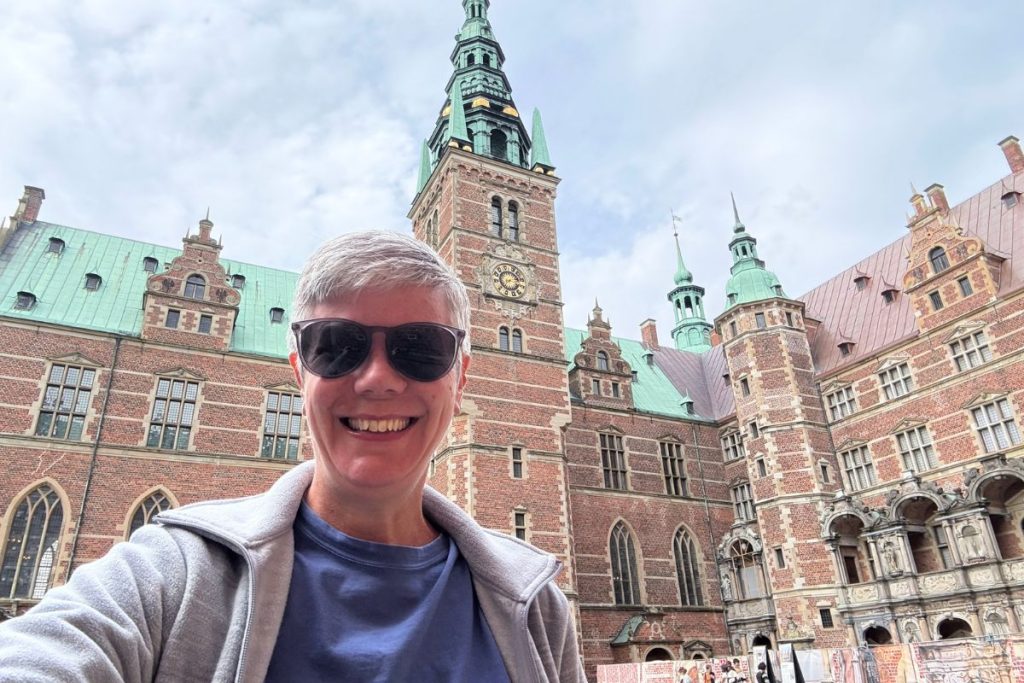
I spent a marvelous day touring some of North Zealand’s castles as a cruise excursion in August of 2025. The day was magical..a picturesque drive north had us at our first stop about an hour after leaving Copenhagen. From here, we visited two more castles in the region. A delicious Danish lunch in a historic restaurant was the perfect mid-castle break. Read on to see why North Zealand makes a fantastic day trip from Copenhagen.
Fredensborg Slot
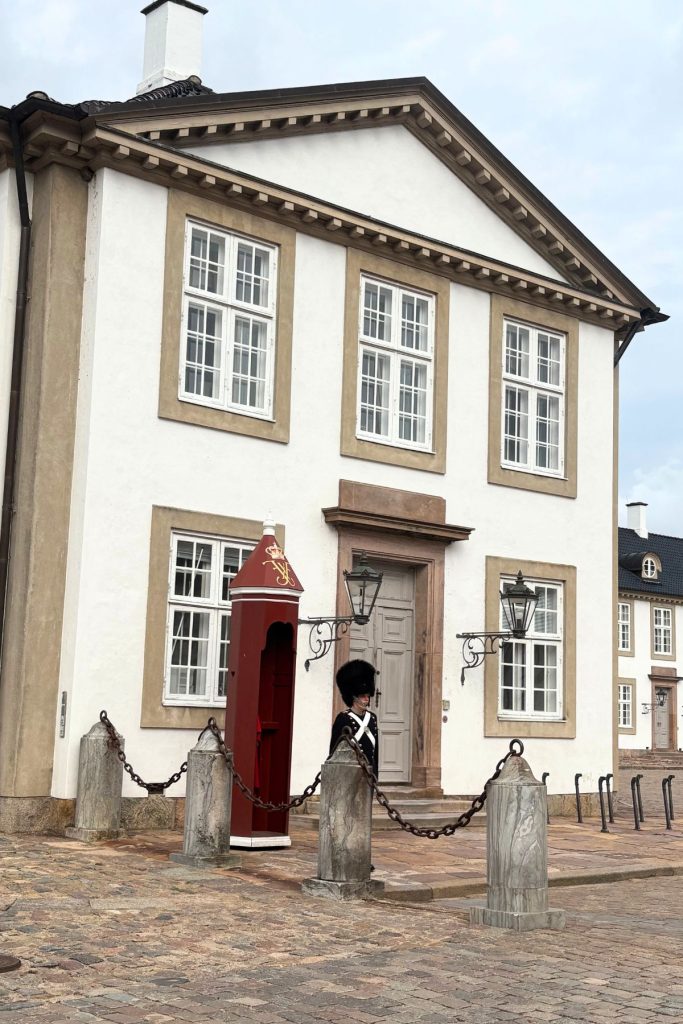
After a pretty drive north along the coast of Denmark, we arrived at our first stop: Fredensborg Slot (Palace). This beautiful baroque palace was commissioned by King Frederick IV and was built in the 1720s. There was a peace treaty between Denmark, Norway, and Sweden signed in 1720 here on the site of the unfinished palace. The name Fredens Borg (“Peace’s Castle”) was used to commemorate this.
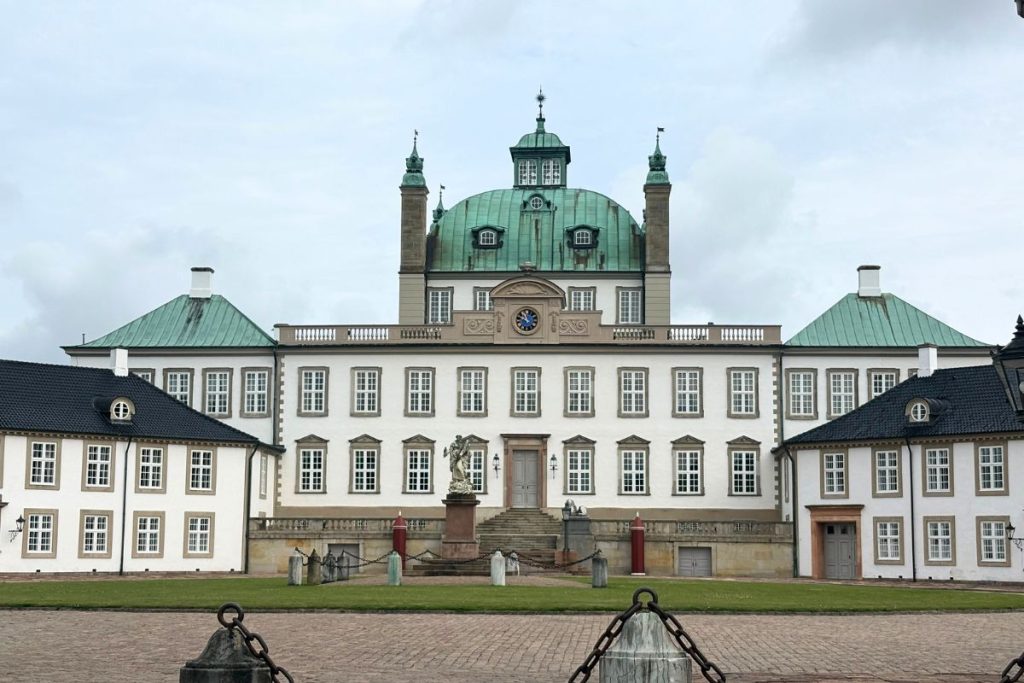
As the summer residence of the Danish royal family, it hosts royal state visits and family gatherings. Our visit was a quick photo stop only since the palace is not open to the public. Unfortunately the royal family did not invite us in for tea! We were here in time to see the changing of the guard, though, which is always interesting to watch.
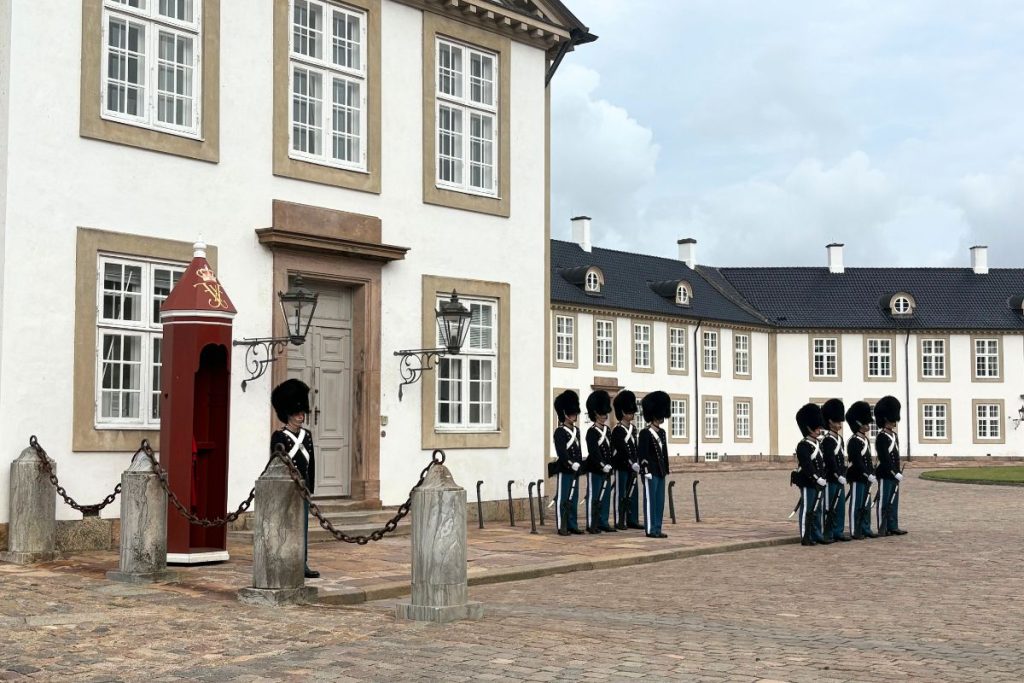
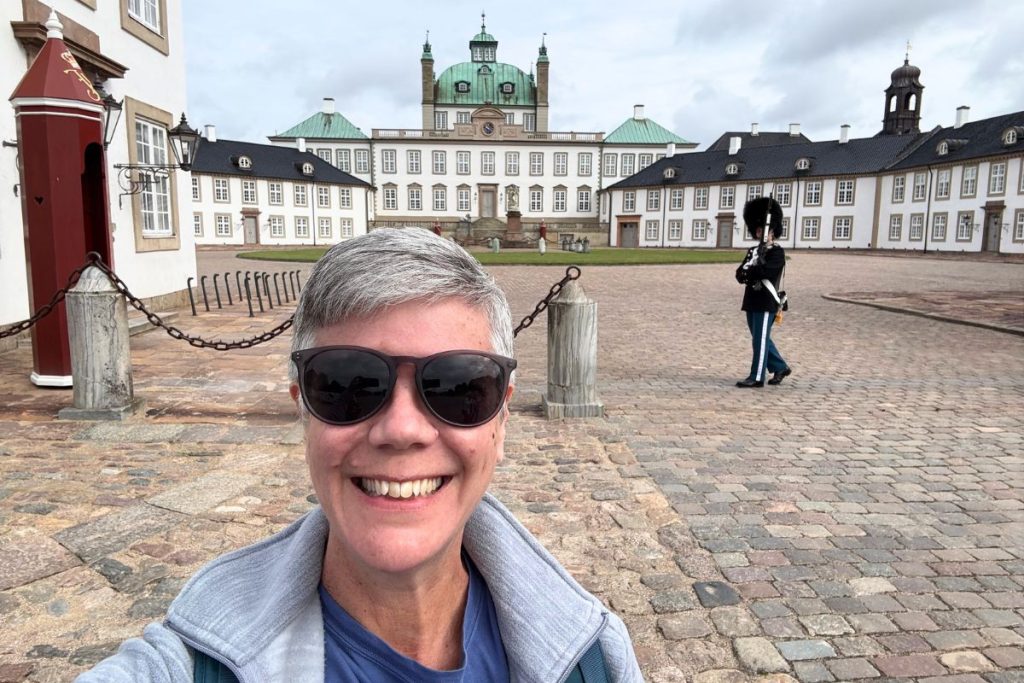
- Fredensborg Slot is a beautiful place for a quick photo stop en route to the castles in North Zealand
- It is a residence of the Danish royal family. They typically reside here in the spring (April-May) and autumn. Check the Danish Royal House website (kongehuset.dk) to confirm whether the King is currently in residence
- The changing of the guards ceremony takes place daily at noon, but only when the Royal Family is in residence
Kronborg Castle
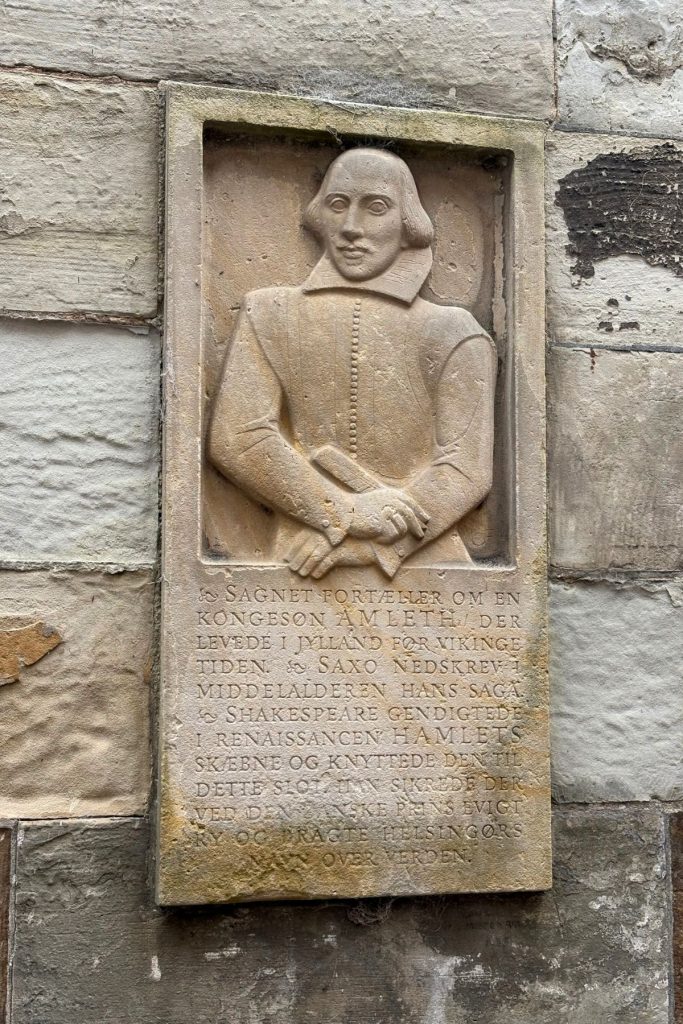
The next stop on the tour was Kronborg, a castle and historical stronghold in the town of Helsingør, Denmark. It is immortalized as Elsinore in William Shakespeare’s play, Hamlet.
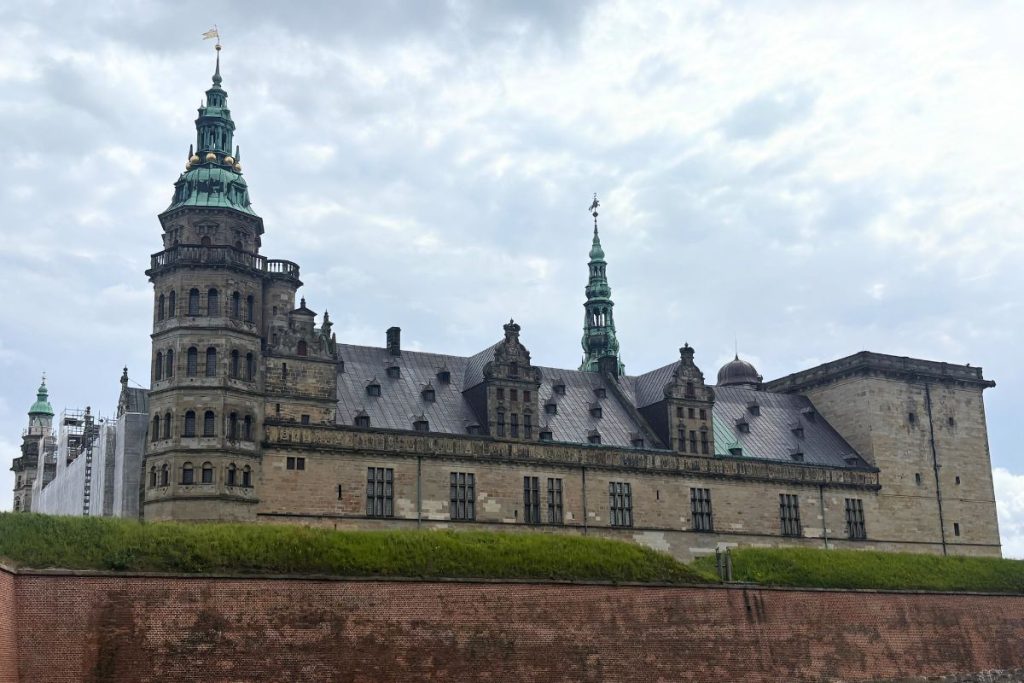
A stronghold, Krogen, was built here in the 1420s to control the entrance to the Baltic Sea. In the late 1500s, King Frederick II had it transformed into a magnificent Renaissance castle. It was then rebuilt in the mid-1600s by King Christian IV after a fire destroyed much of the castle. The castle was then converted into barracks for the army in the late 1700s. The army left the castle in 1923, after which it was thoroughly renovated and opened to the public.
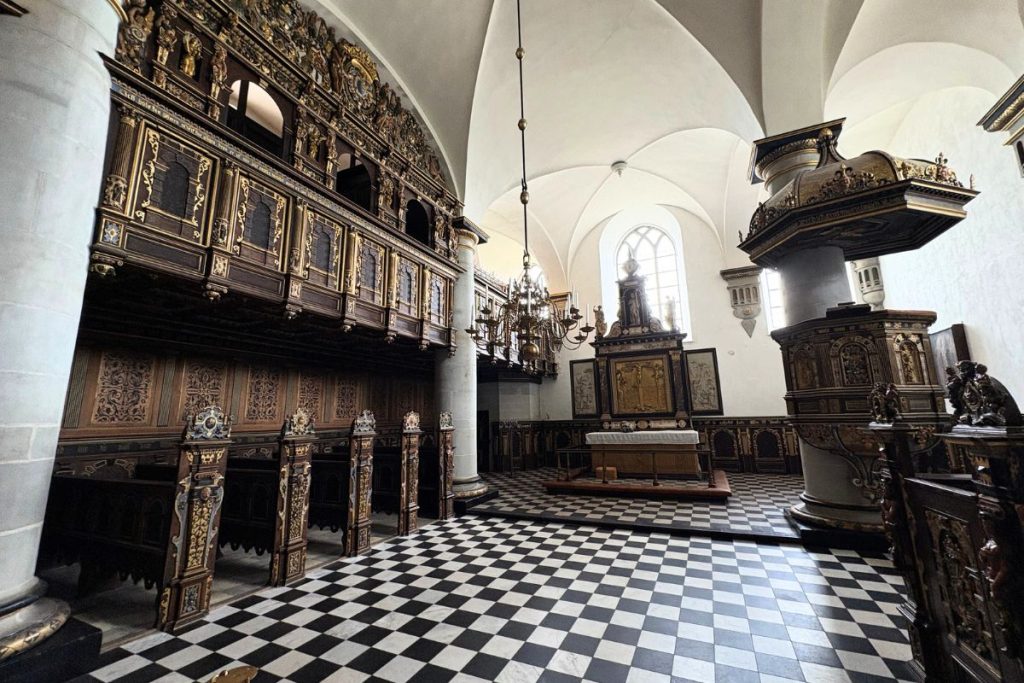
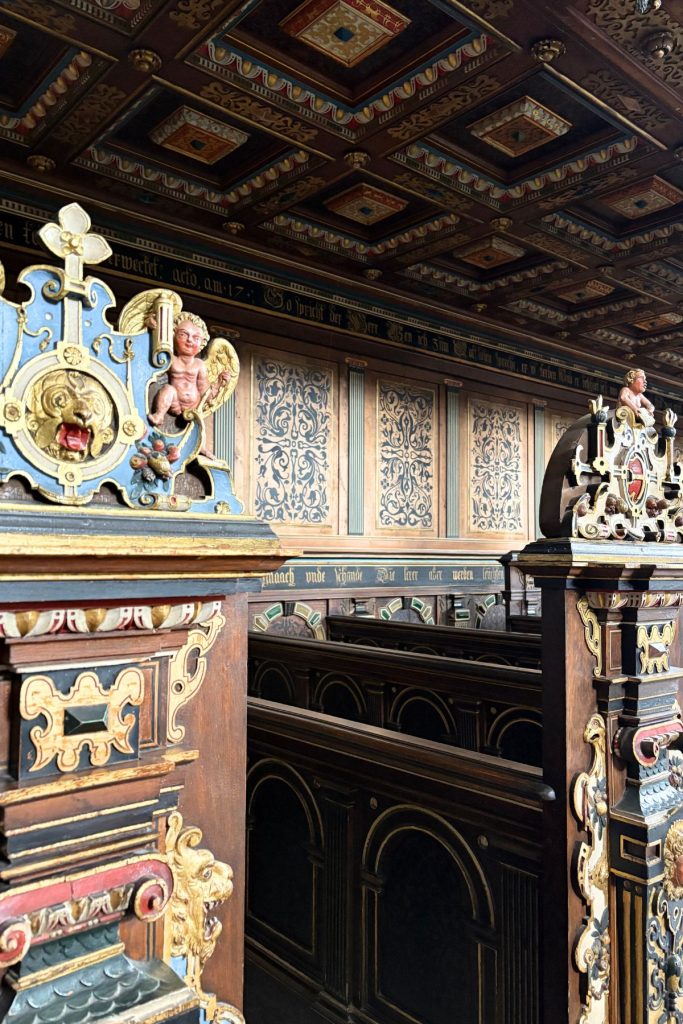
We first visited the gorgeous chapel, inaugurated in 1582. The chapel was used as a gymnasium and fencing hall when the castle was used as army barracks. The original furniture was returned in 1838 and the chapel was re-inaugurated in 1843.
We then continued the tour into the Royal Apartments, Ballroom, and Little Hall.
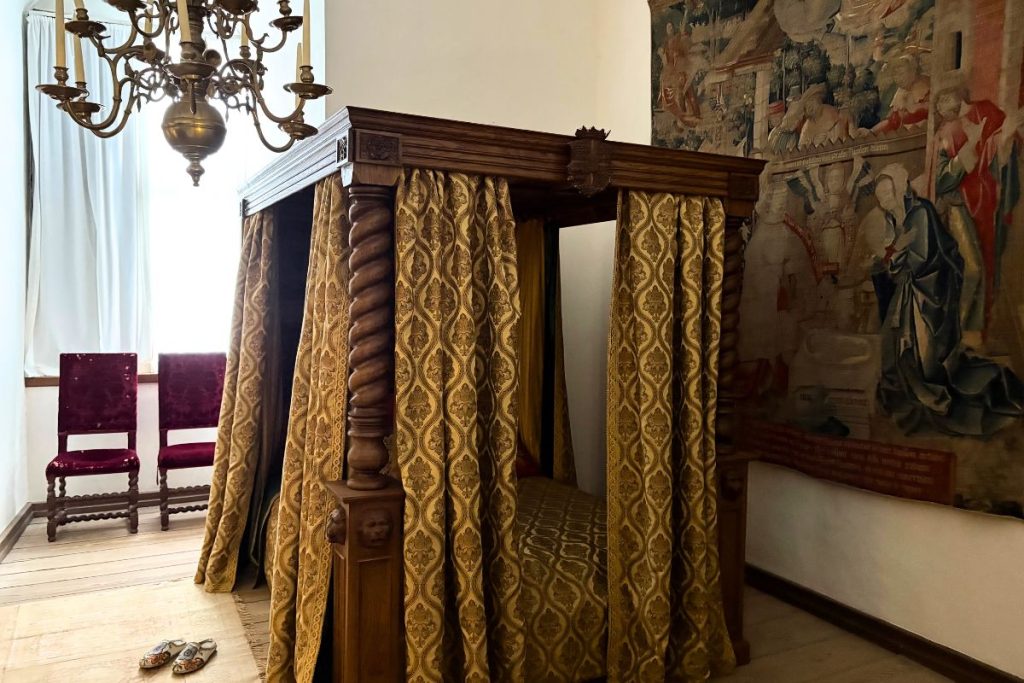
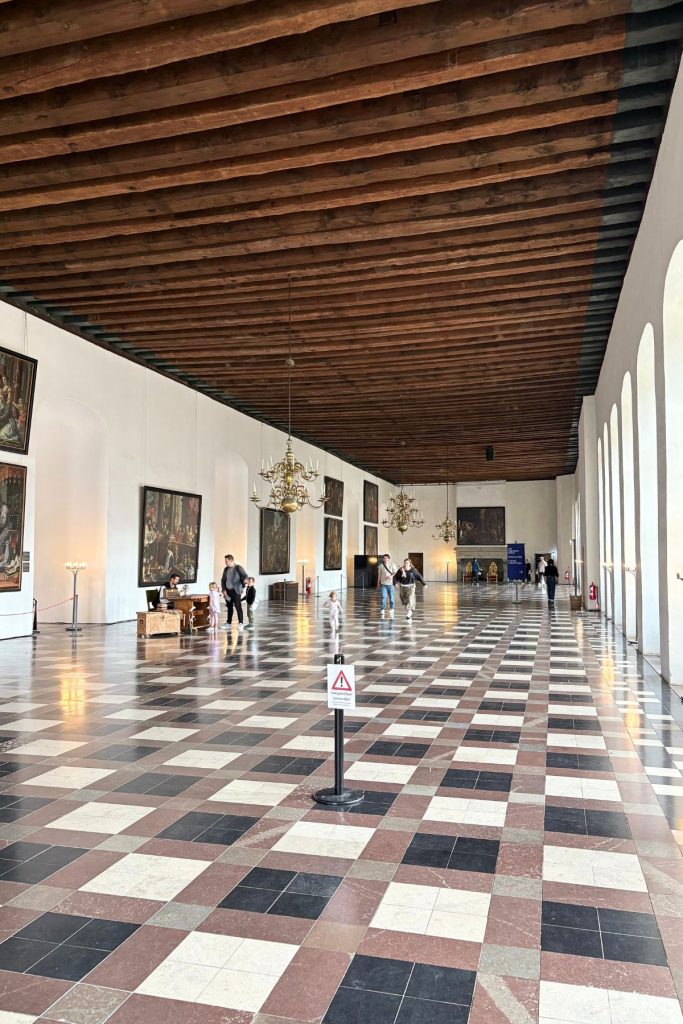
After the tour ended, we had a bit of free time to explore a bit more of the exterior (and the gift shop, of course!).
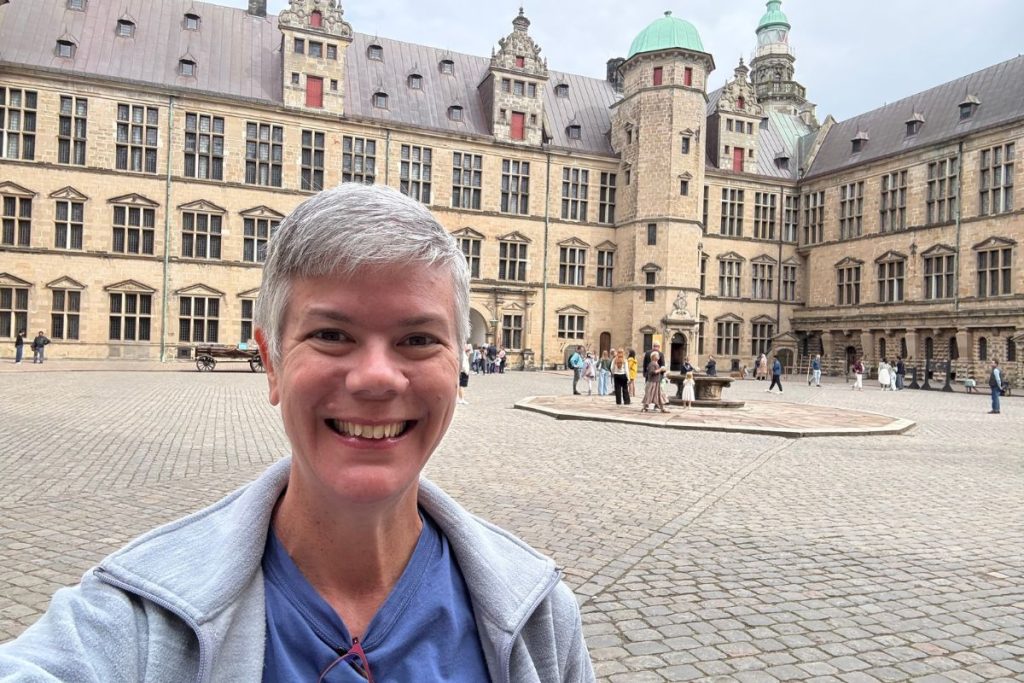
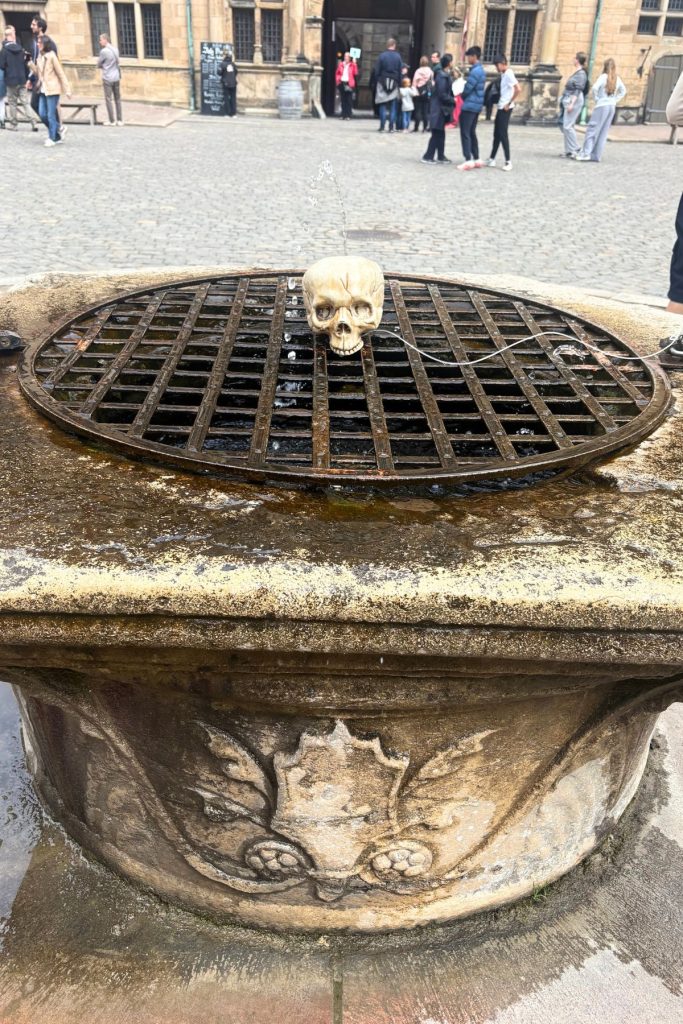
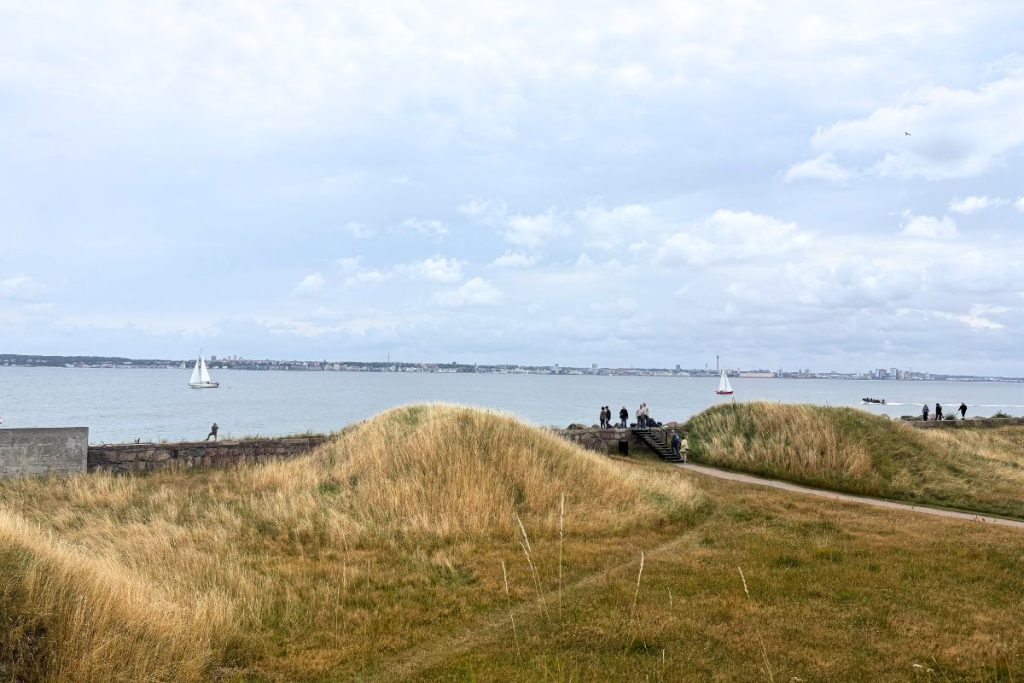
The waterfront views from the castle grounds are gorgeous.
- Shakespeare likely never set foot inside the castle himself. It is said that it was the king’s extravagant parties that inspired him to set Hamlet here.
- Kronberg served as a “toll booth” from 1429-1857. Nearly 2 million ships passed through this narrowest part of the sound and had to pay a toll here.
- A fire destroyed much of the castle in 1629, and King Christian IV had the castle rebuilt. The Chapel was the only building not ravaged by the fire.
Lunch at Gamle Humlebæk Kro
From Kronborg, we stopped for some lunch before our final castle visit of the day. We ate at Gamle Humlebæk Kro, a delightful restaurant that is nearly 400 years old!
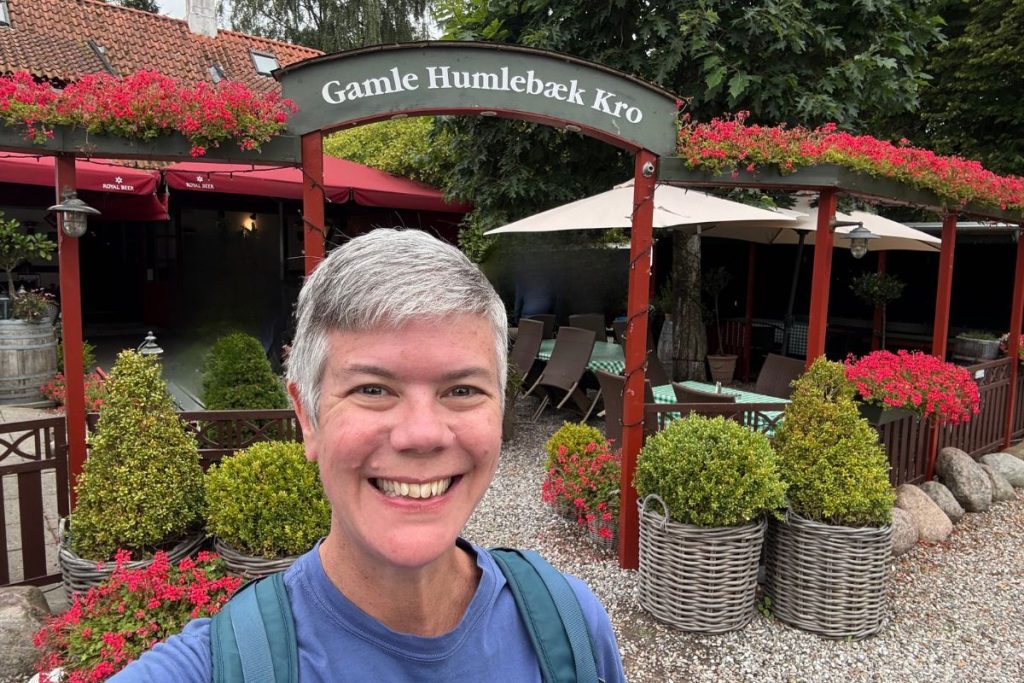
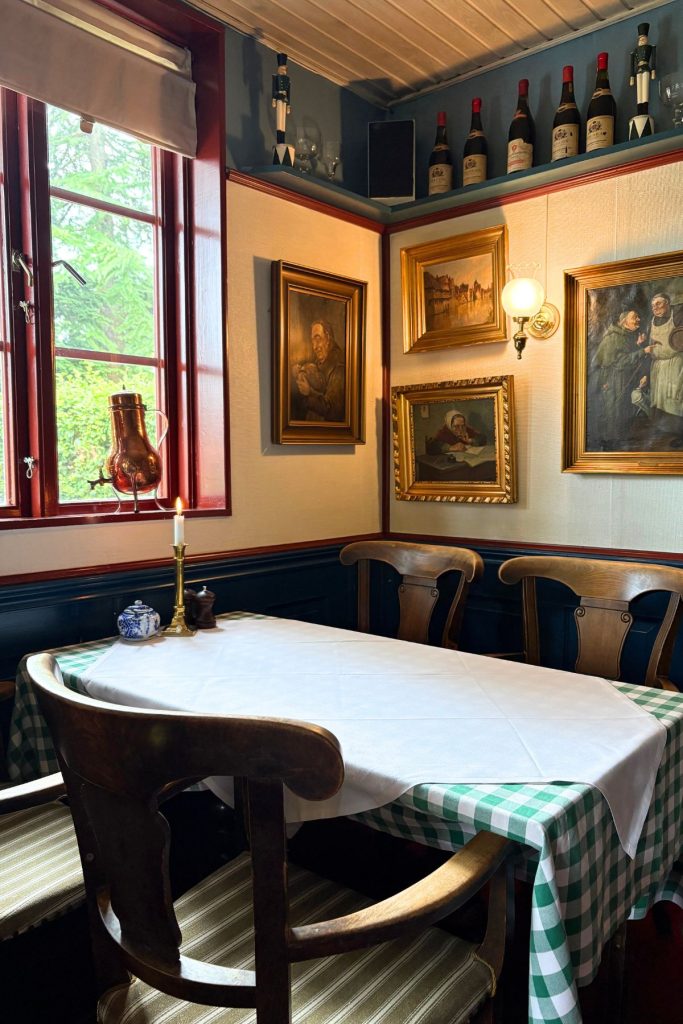
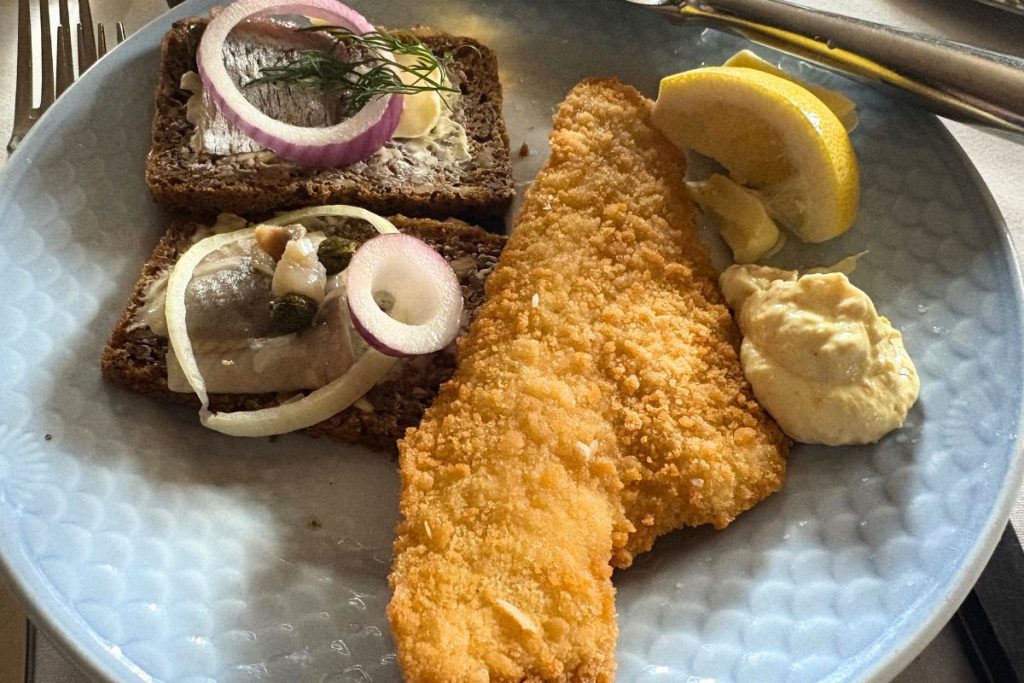
A selection of typical Danish food was served family-style. We started with a few different types of fish:
- Two types of pickled herring, served with the traditional accompaniments of rye bread, red onions, and fresh dill
- A delicious fried white fish, served with homemade tartar sauce
This was followed by roast pork (with the most delicious crunchy skin!), meatballs, liver and mushroom pate, cabbage, and pickles. The lunch ended with some delicious Danish cheese.

- The town of Humlebæk is a lovely lunch stop when visiting North Zealand
- Humlebæk is a charming coastal town on the Danish Riviera
- The Louisiana Museum of Modern Art is also located nearby
Frederiksborg Castle
They saved the best for last on this excursion: Frederiksborg! This gorgeous castle complex was built as a royal residence for King Christian IV in the early 1600s. It replaced an older castle acquired by Frederick II and became the largest Renaissance residence in Scandinavia.
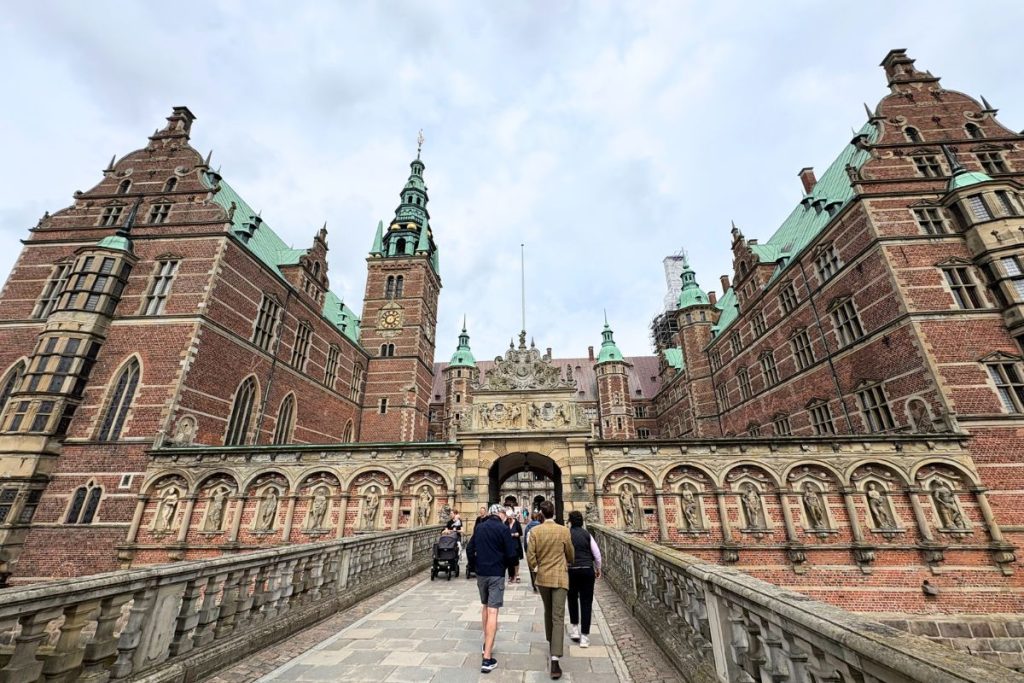
Frederiksborg is the first Danish castle to be built inland. It is also the first to be built for purely recreational purposes rather than for defense.
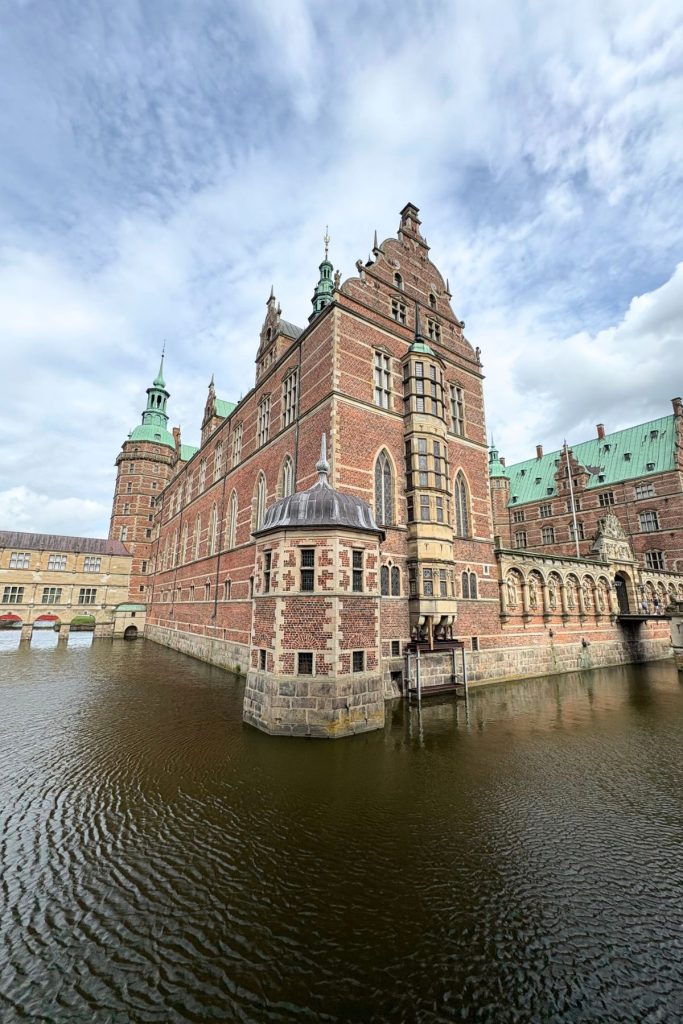
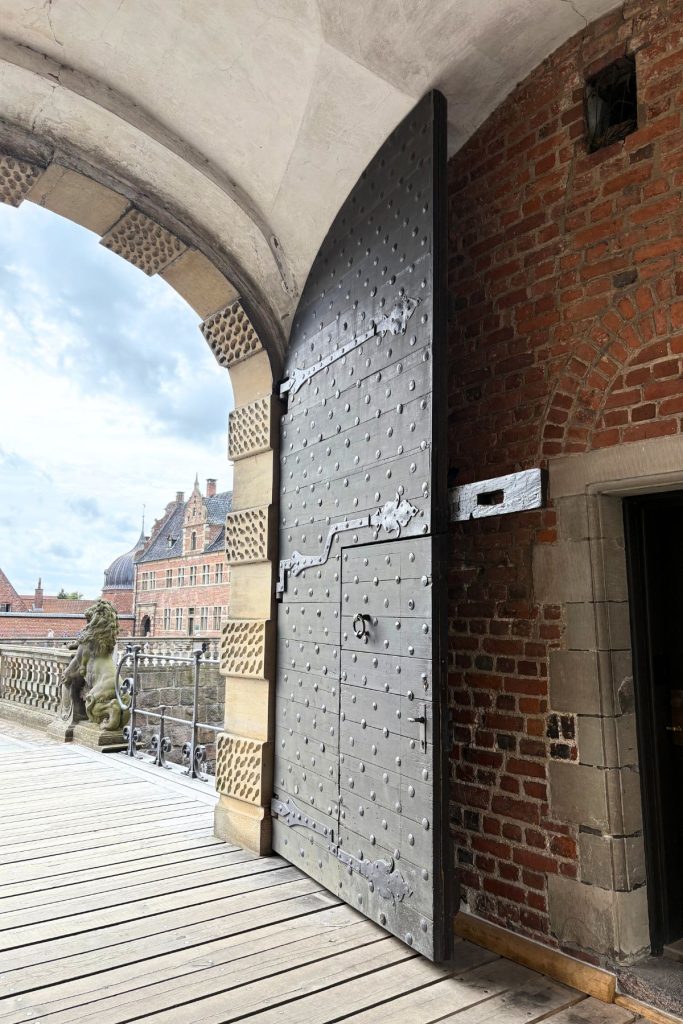
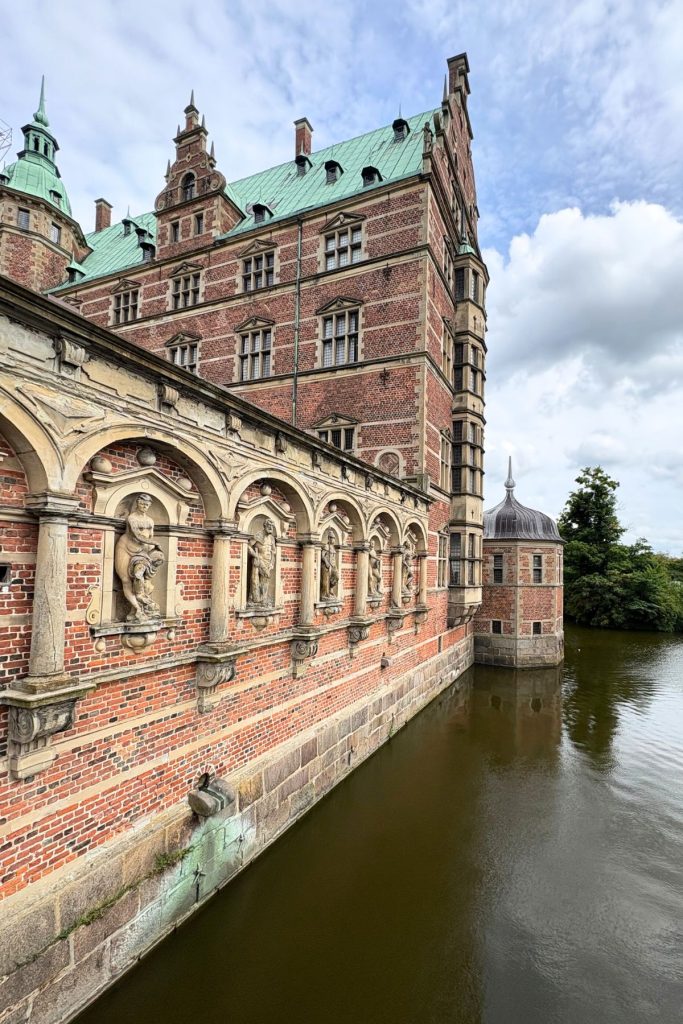
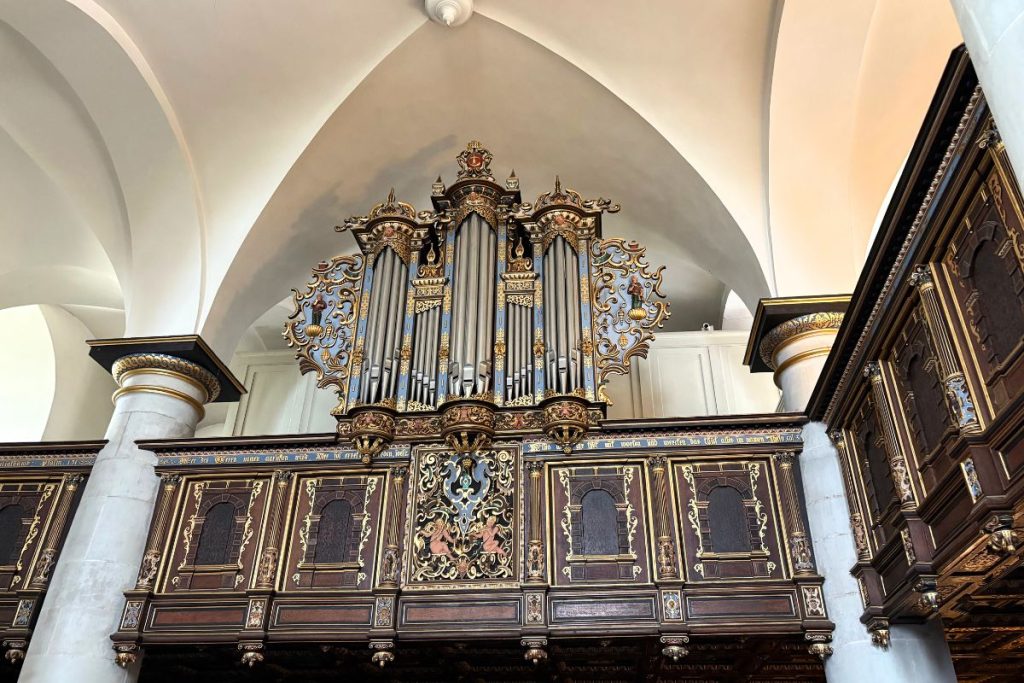
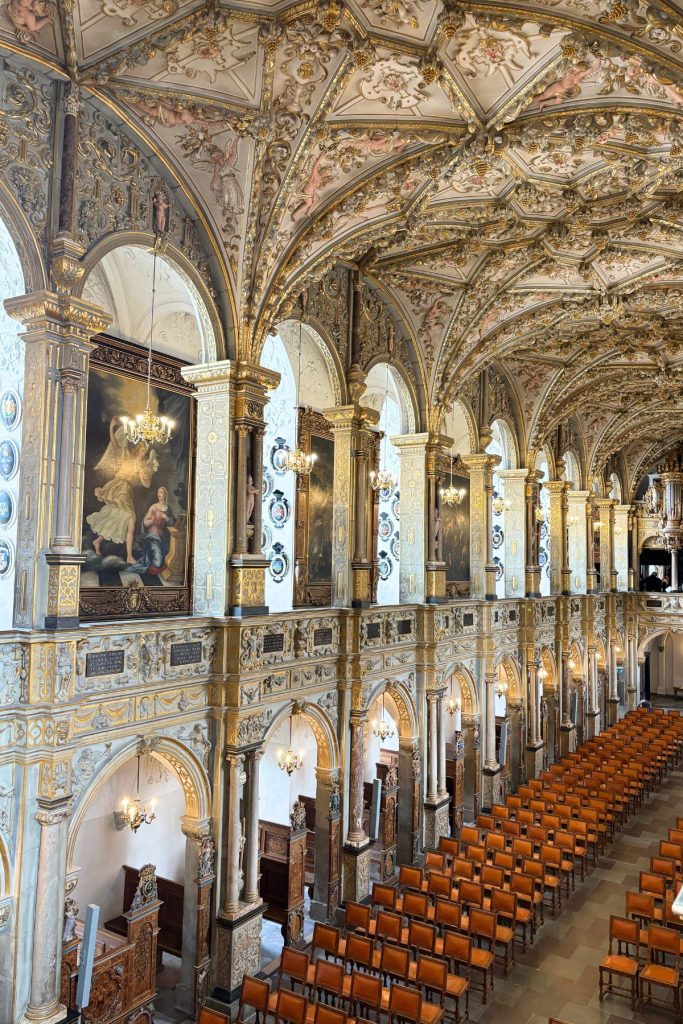
We began the tour in the stunning chapel, consecrated in 1617. A fire in 1859 damaged most of the complex. The chapel largely escaped damage and is the best preserved part of the complex. The organ, with its 1,001 wooden pipes, was built in 1610 and it is the oldest organ in Denmark.
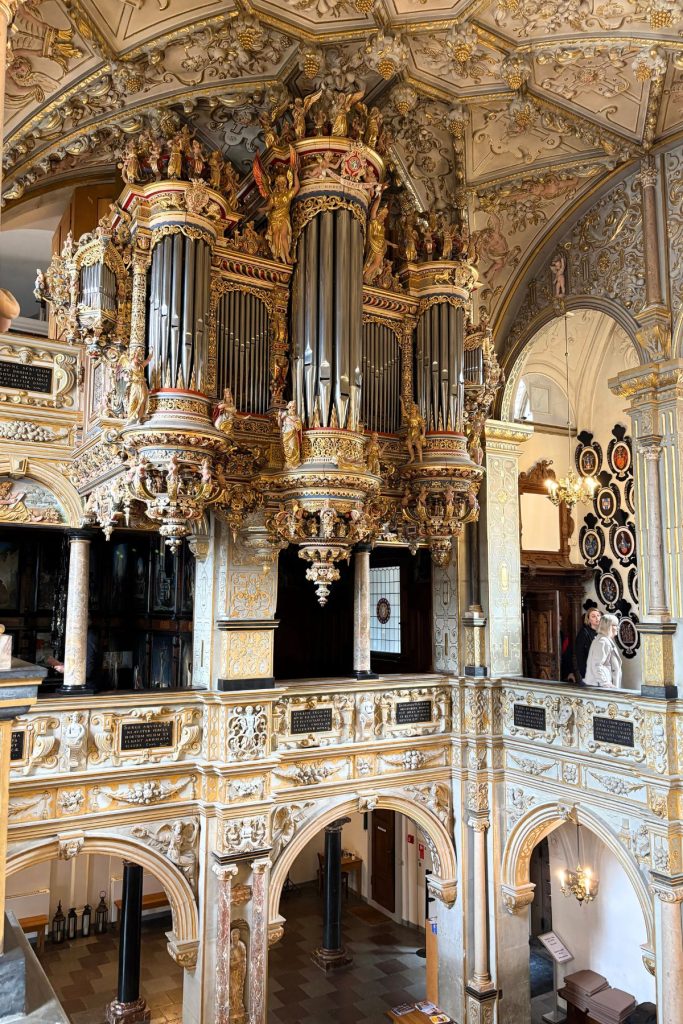
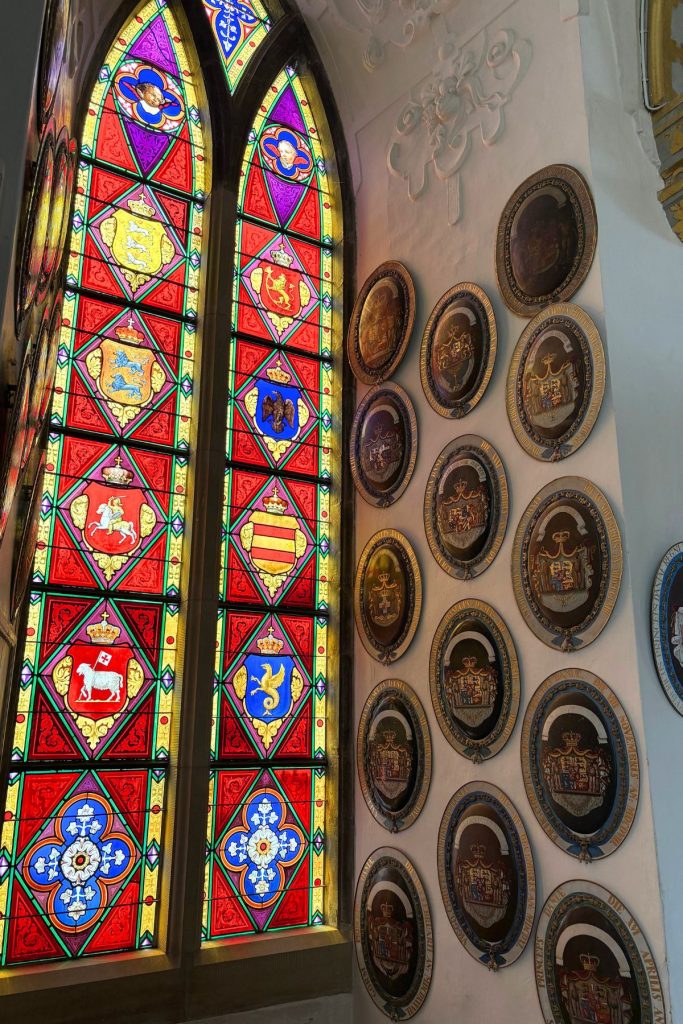
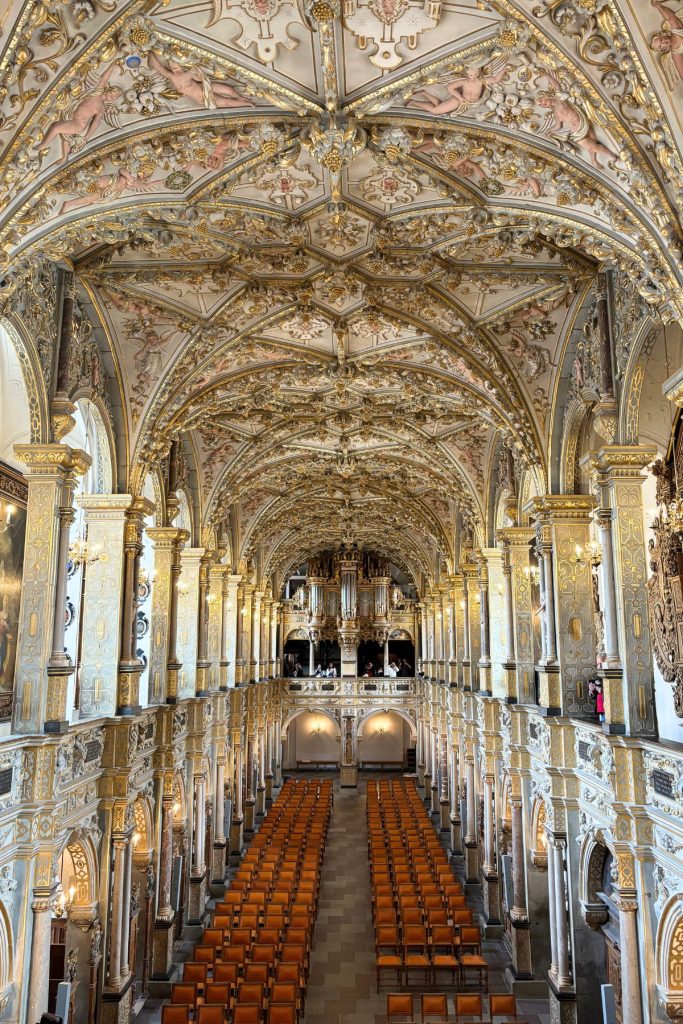
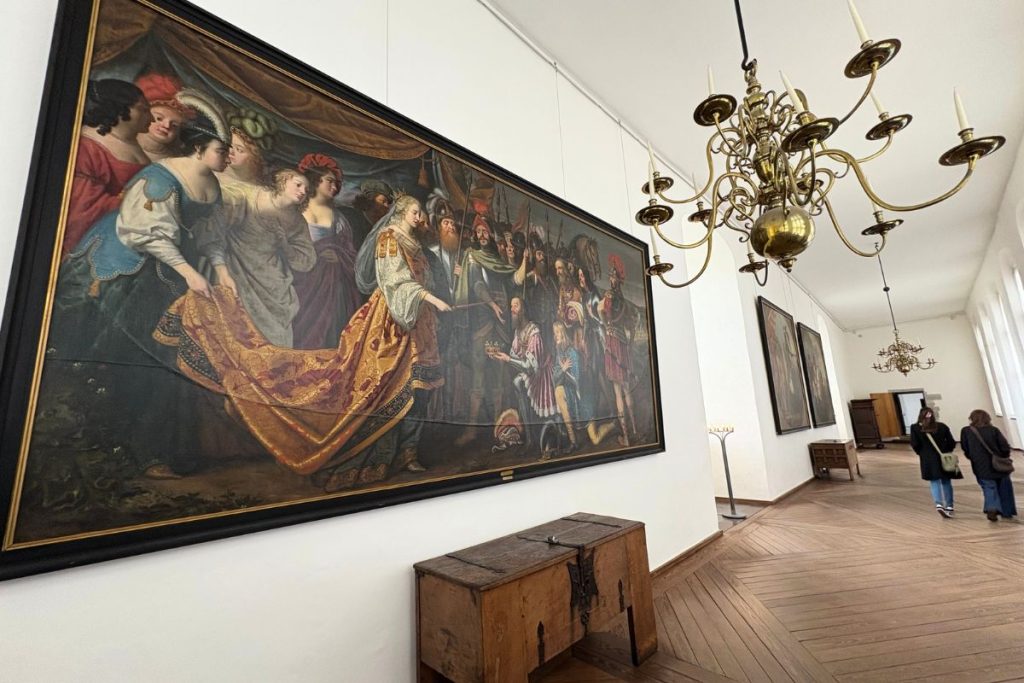
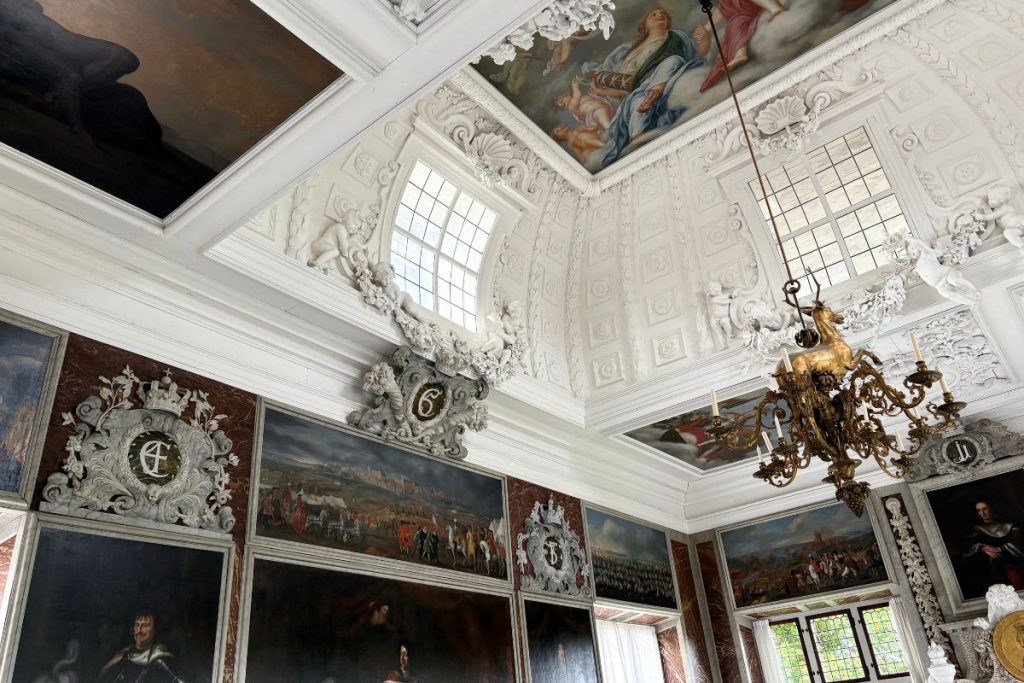
Our tour of Frederiksborg continued through the Great Hall, the Rose Room, and the Audience Chamber. Around every corner was something even more stunning than before! The beauty and opulence throughout is breathtaking.
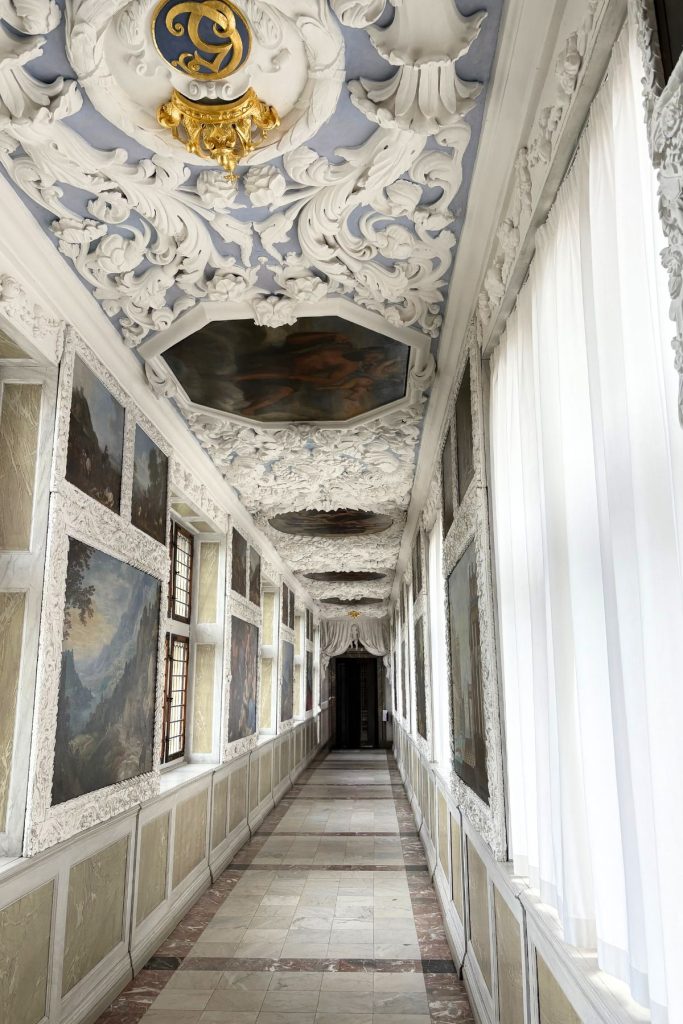
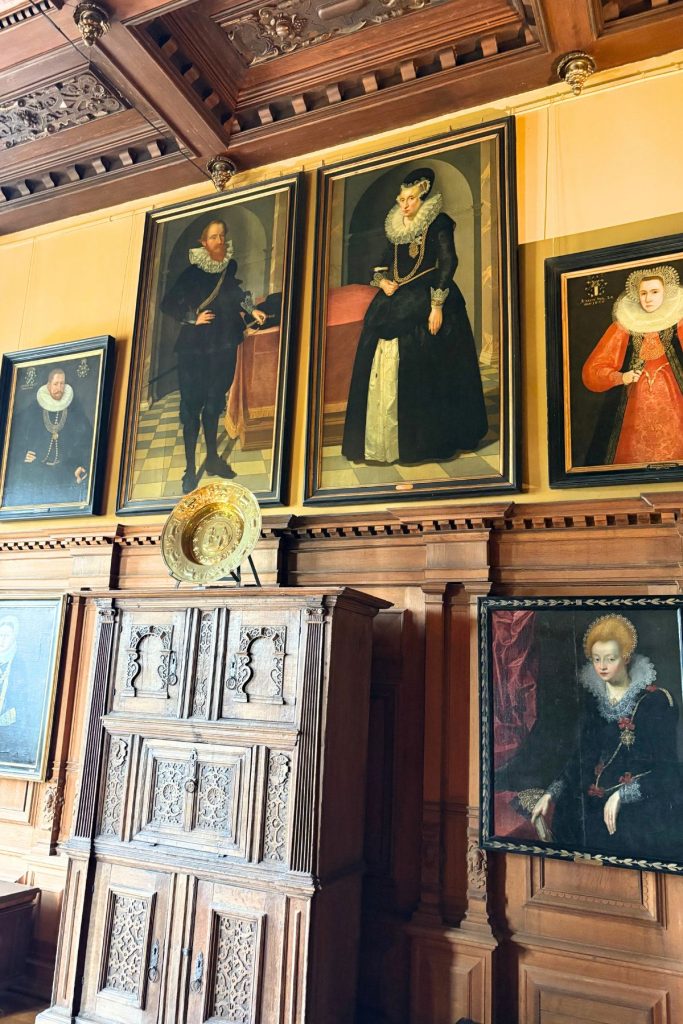
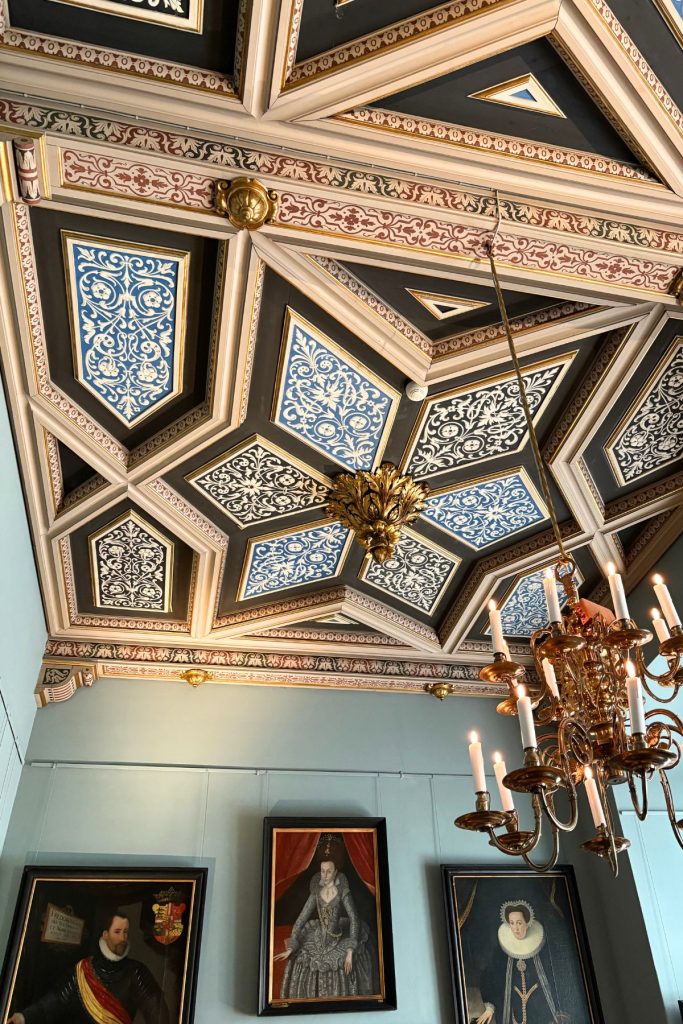
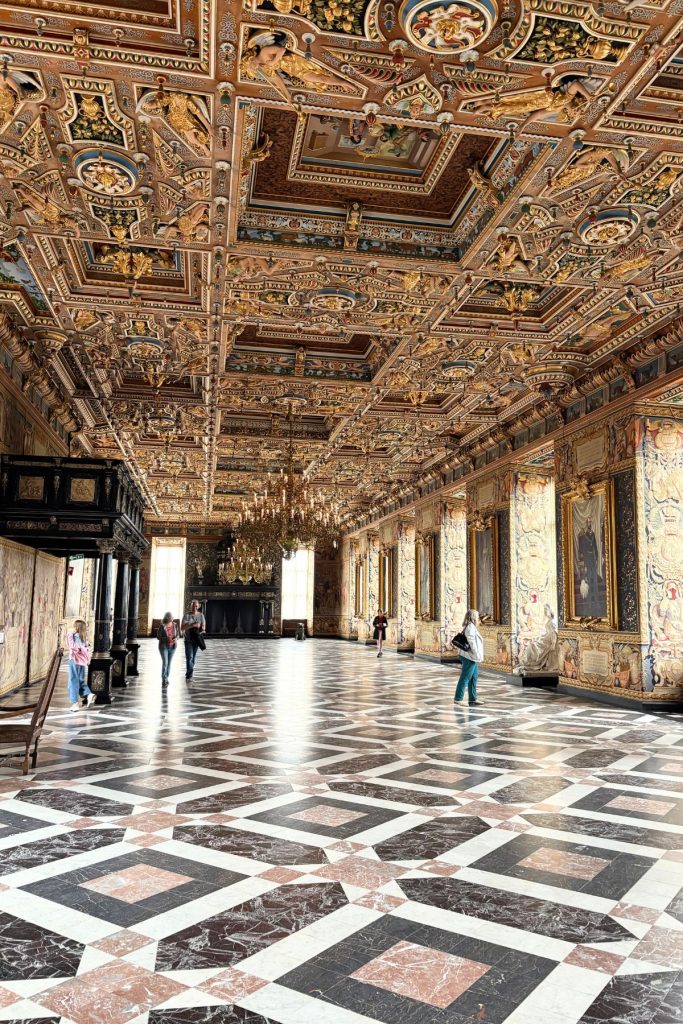
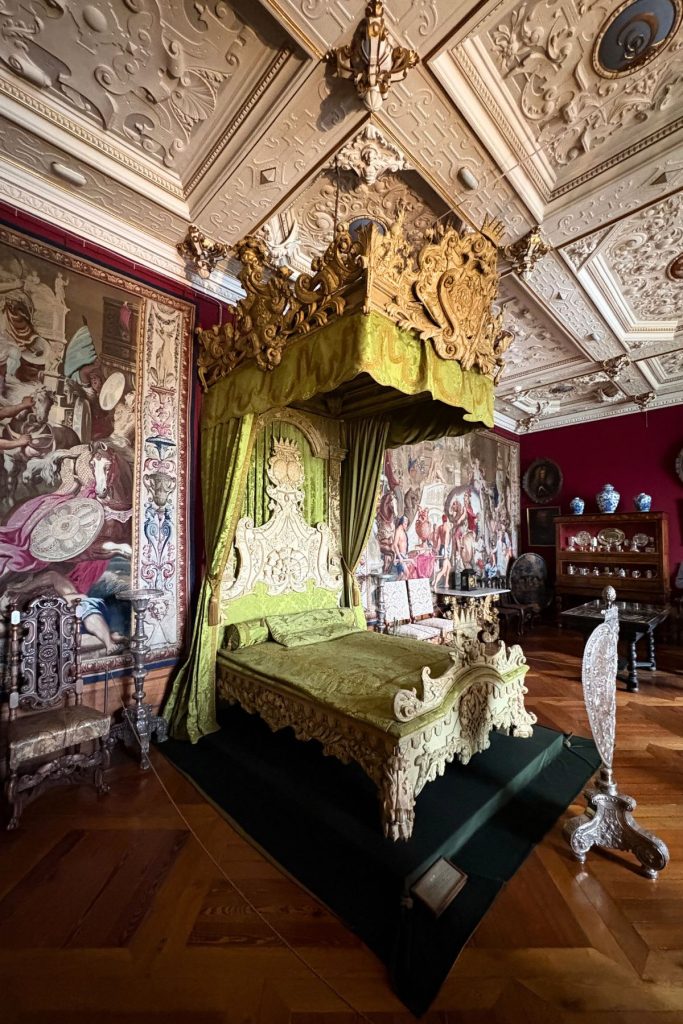
- There is gold from floor to ceiling in the Castle Chapel, often referred to as the “Golden Chapel.” Danish kings and queens were anointed here; today it is a popular wedding venue.
- The castle was rebuilt after the fire in 1859 largely thanks to the owner of Carlsberg Breweries, J. C. Jacobsen.
- There is a built-in elevator in the Audience Chamber. The king could use it to discreetly escape after an audience with officials, clergy, and ordinary people.
Common Questions
How do I get to North Zealand from Copenhagen?
The easiest and most flexible way to explore North Zealand is by car. The drive from Copenhagen takes about an hour, and having your own wheels means you can hop between castles at your own pace without being tied to a schedule. If you’d rather skip the driving, trains run regularly from Copenhagen’s Central Station to towns like Helsingør (for Kronborg) and Hillerød (for Frederiksborg), with journey times of around 45–60 minutes.
What is the best time of year to visit?
Late spring and early summer (May to June) are hard to beat — the crowds haven’t fully arrived yet, the days are long, and the castle grounds are lush and green. Summer (July–August) is busier and livelier, with events and open-air performances at some castles. Autumn brings moody skies and golden light that make the stone walls look incredibly atmospheric. Winter is quiet and cold, but if you time it right, a frost-dusted castle is a pretty magical sight.
How much does it cost to visit the castles?
Kronborg Castle and Frederiksborg Castle each typically charge around 100–130 DKK (roughly $15-20) for adults. Many castle grounds and gardens are free to wander even without a paid ticket, so you can soak up a lot of the atmosphere without spending a krone.
Do I need to book tickets in advance?
For most of the year, you can simply turn up and buy tickets at the door. That said, during peak summer months and around special events, booking online in advance is a smart move — it saves you having to wait and guarantees entry if capacity is limited. Check each castle’s official website before you go.
Even More Travel Ideas
Creating an Effective Travel Itinerary