Sip, Stroll, and Bow: A Day at Seonamsa Temple
Tucked into the forested slopes of Jogyesan Mountain about an hour outside of Yeosu, South Korea, Seonamsa Temple feels less like a tourist attraction and more like a secret the mountain has been keeping for fifteen hundred years. Getting here takes a little effort, but the moment you cross the iconic arched stone bridge and the temple complex opens up before you, every step makes complete sense. This is one of those rare places where the journey and the destination are equally worth your time.
Whether you’re a cruise traveler looking for a meaningful shore excursion or simply someone who wants more from a day trip than another selfie spot, Seonamsa delivers. It’s free to enter, genuinely stunning in every season, and the kind of experience that reminds you why you travel in the first place.
Yeosu and Seonamsa Temple
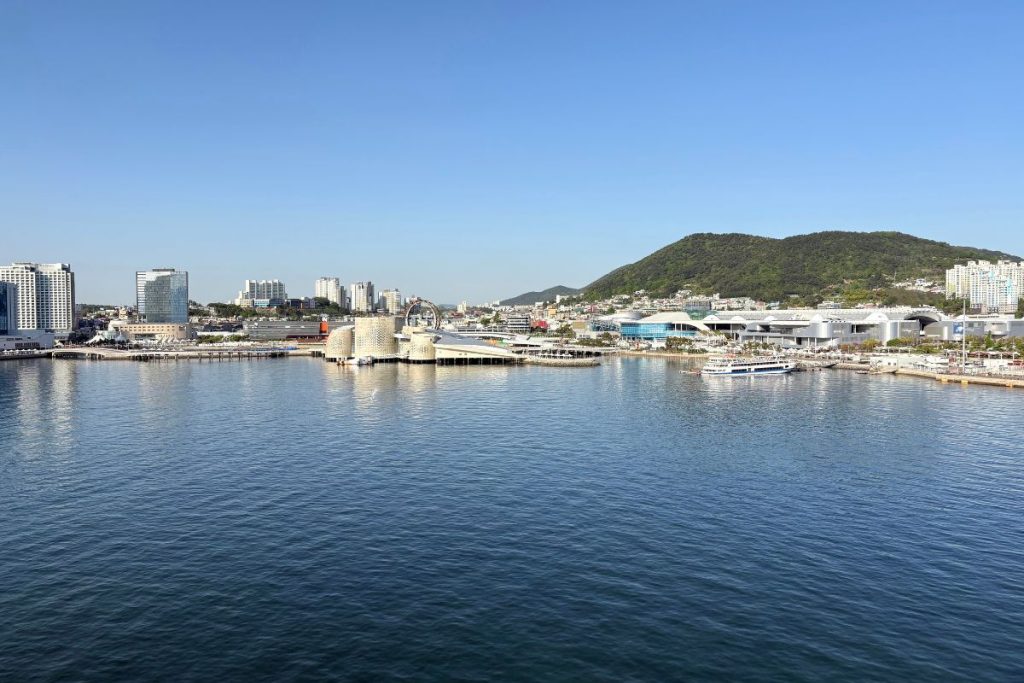
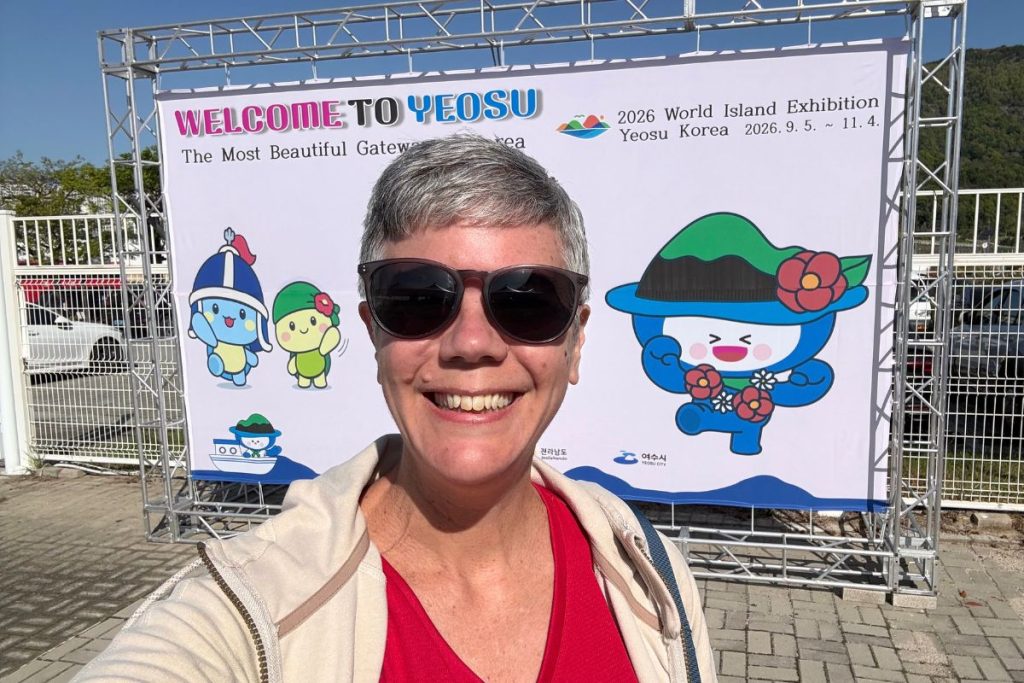
On my recent cruise from Tokyo to Seoul, my first stop in South Korea was the beautiful city of Yeosu. After spending several fantastic days in a few different ports in Japan, this first visit to South Korea was wonderful. Yeosu is one of the most southernmost cities in Korea. Yeosu occupies its own peninsula and includes 317 islands, though only 49 are actually inhabited. It has a small seaside town feel, but it is actually fairly big: Yeosu covers an area of about 195 square miles.
Arriving Into South Korea
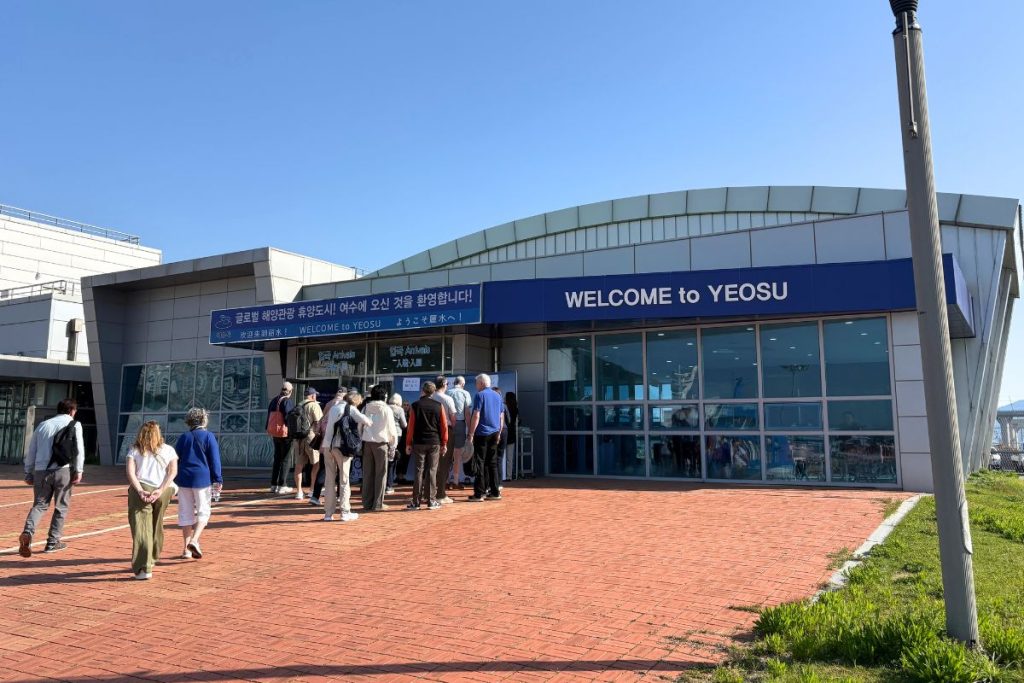
Since this was our first stop in South Korea, the first thing we did upon debarking the ship was to go through customs. This is a fairly straightforward process. I filled out an e-Arrival Card online prior to arriving – registration opens three days before you arrive. The online form is quick and easy, simply asking for a few key details such as your contact and passport information and your travel itinerary. This is a free service, and local immigration authorities are warning of many fake lookalike sites that are charging fees to travelers, so be aware if you find a website that charges you for this service! All foreign arrivals must complete an e-Arrival Card as of January 1, 2026.
South Korea also offers a similar program called K-ETA (Electronic Travel Authorization). U.S. citizens can skip the K-ETA for now, as South Korea has waived the requirement through December 31, 2026. So, you can enter South Korea and stay up to 90 days for tourism or short-term business without applying. Effective January 1, 2027, the K-ETA will become a mandatory entry requirement. The K-ETA will cost about $10 USD, take around ten minutes to apply, and will be valid for three years with unlimited entries.
- Complete a free e-Arrival Card within three days of arriving into South Korea.
- Starting in 2027, visitors will need to submit a K-ETA prior to arriving into South Korea.
- All travelers must also submit a customs declaration upon arrival. If you are within the duty-free allowance of $800 USD, you can use a scannable QR code generated by the “Travel Customs Declaration” app.
Tea Ceremony
I visited the gorgeous Seonamsa Temple on my excursion in Yeosu. Once we arrived at the temple, our first stop was a traditional tea ceremony. The ceremony is not inside the temple itself, but rather at the Suncheon Traditional Wild Tea House, which is located on the road leading up to Seonamsa Temple in Jogyesan Mountain.
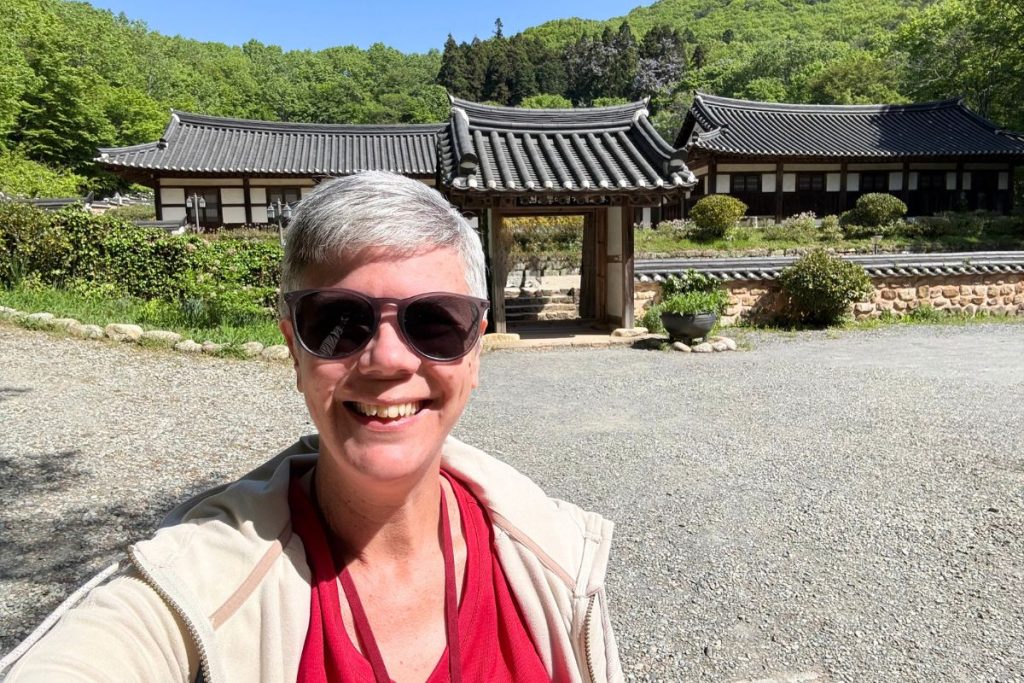
Tea Ceremony Site
There is a collection of smaller buildings here, located off of the road leading up to the main Seonamsa Temple. We climbed up a fairly steep hill to reach it, but it was definitely worth it! This small complex is beautiful and tranquil.
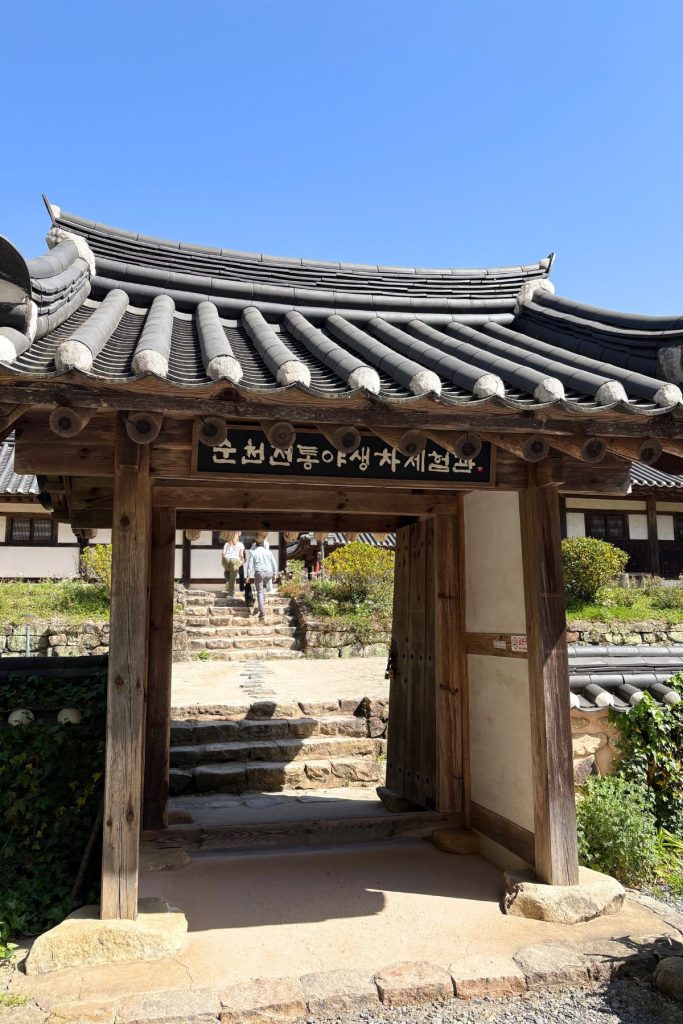
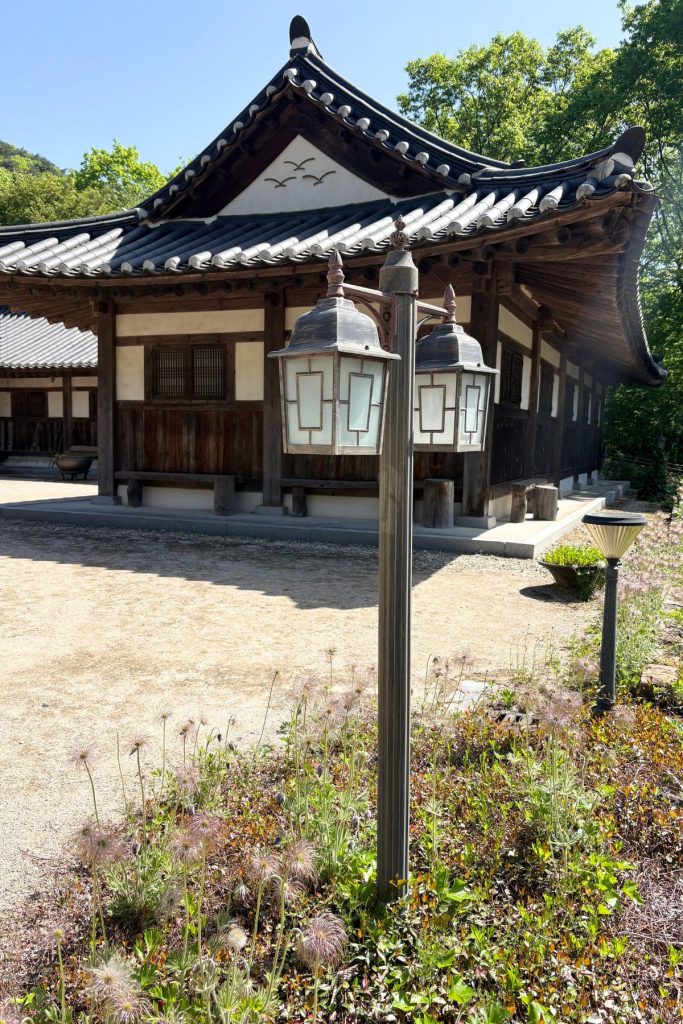
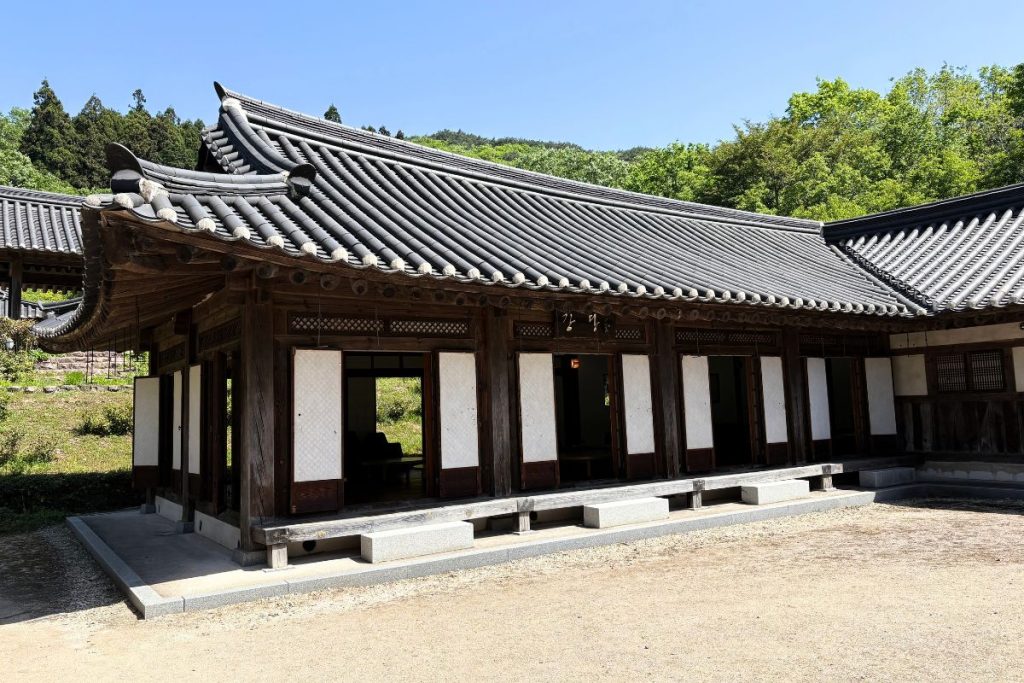
Participating in the Tea Ceremony
After removing our shoes, a guide warmly welcomed us into the main room for the tea ceremony (called darye in Korean). We sat in cushioned supports (like chairs with no legs) around low tables. It took a bit of trial-and-error and configuring, but we each managed to lower ourselves into the chairs and get comfortable around the tables.
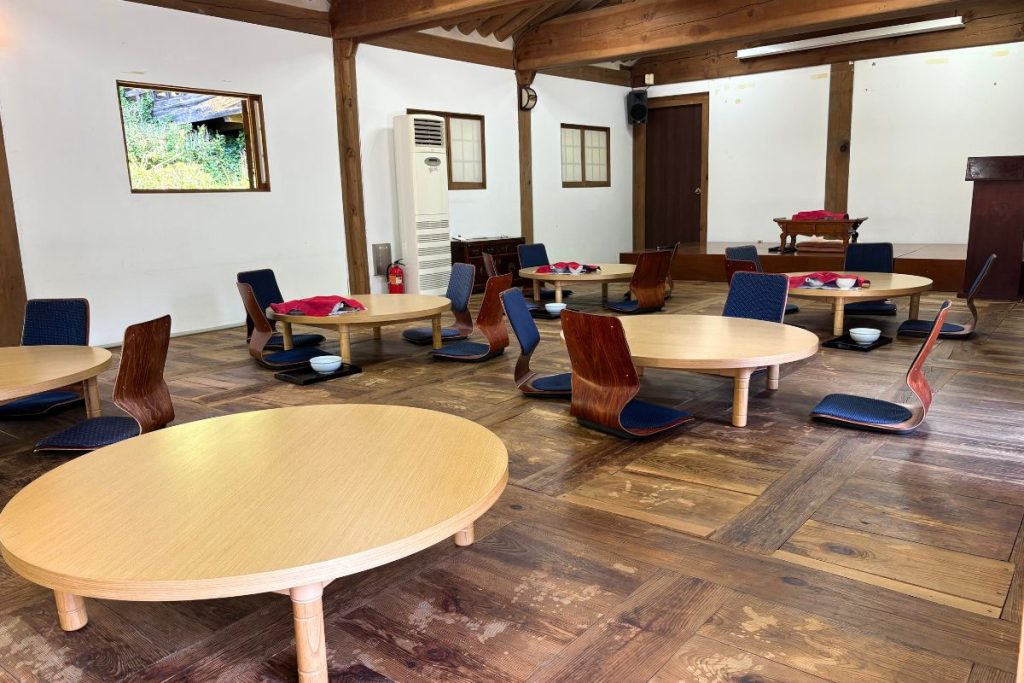
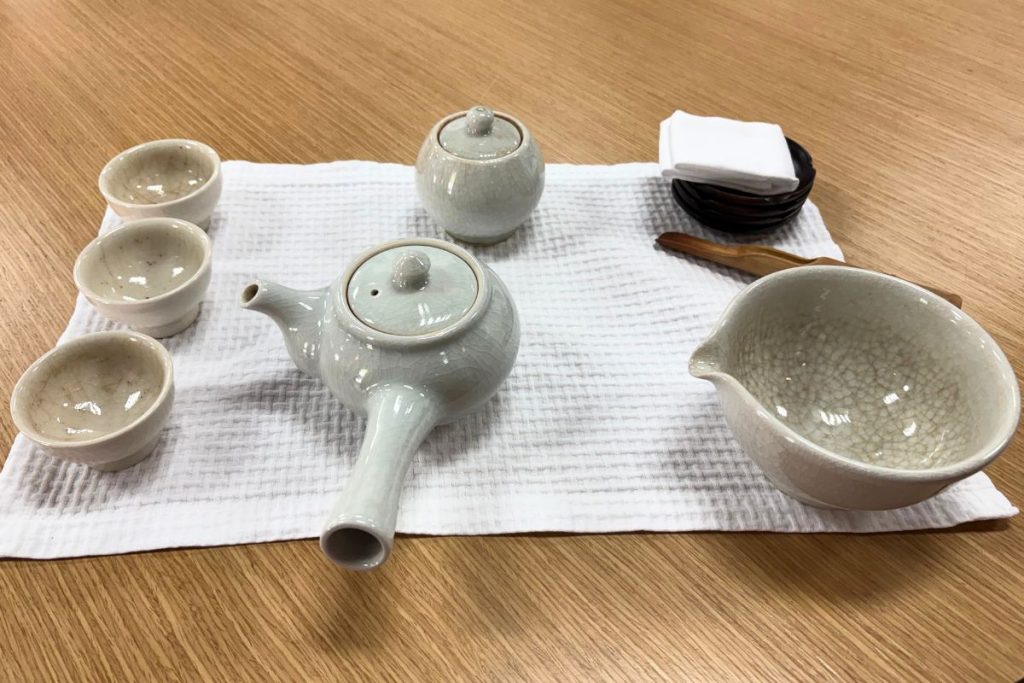
The Korean tea ceremony (darye, literally meaning “tea rite”) is a way to find relaxation and harmony. Each table has a designated “tea master” who is responsible for making the tea for the table. I was lucky to be chosen as the “tea master” for our table! I carefully followed the instructions provided by the woman who led the demonstration. She patiently explained and demonstrated each step in the process, which our guide translated into English for us.
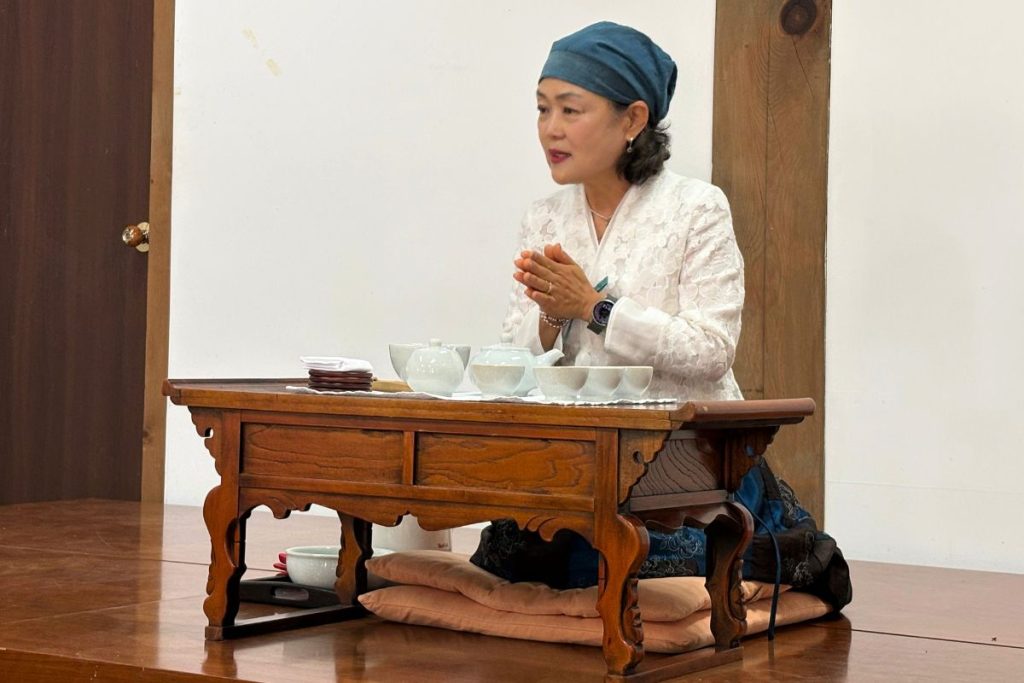
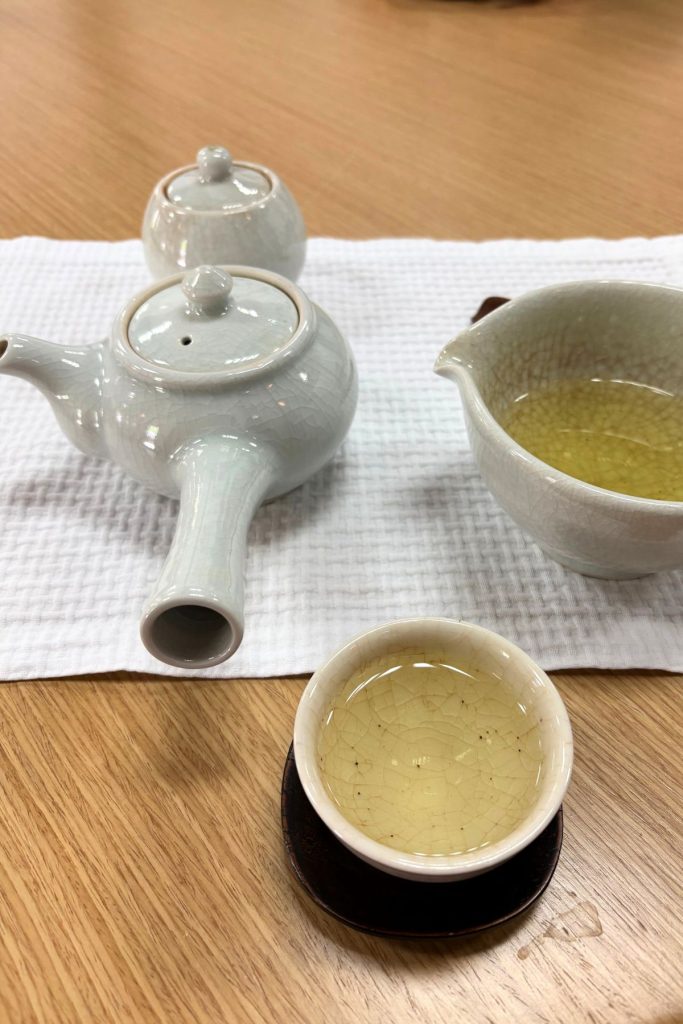
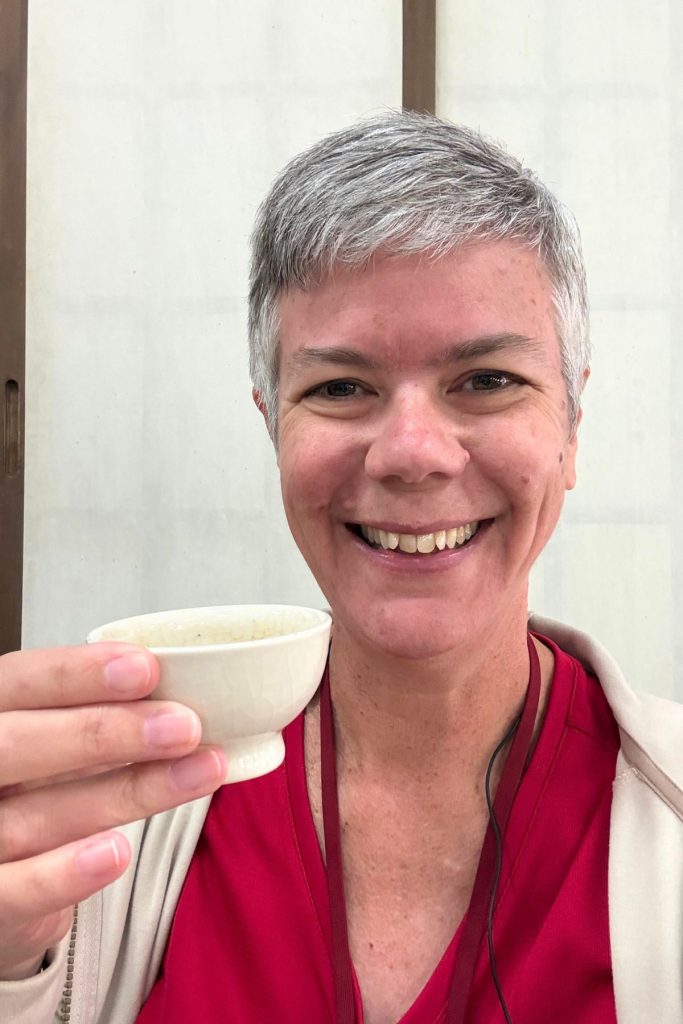
Steps in the darye (Korean tea ceremony):
- Preparing the space and utensils: all utensils are purified with hot water and the teapot and cups are rinsed and warmed
- Measuring and adding the tea leaves: the delicate leaves are measured with a bamboo scoop and placed into the teapot
- Pouring the water and steeping the tea: hot water (122–140°F, or 50–60°C) is poured over the leaves and the tea is allowed to steep for a short period of time
- Pouring the tea: the tea is slowly poured into the cups, using a gentle moving motion of the teapot to equally spread the flavor
- Serving with both hands: both hands are always used during the ceremony, to both serve and receive the tea, as a gesture of respect
- Drinking the tea mindfully: admire the color of the tea, inhale its fragrance, taste it on the tongue, taste it in the throat, and enjoy the lingering aftertaste in the mouth
Seonamsa Temple
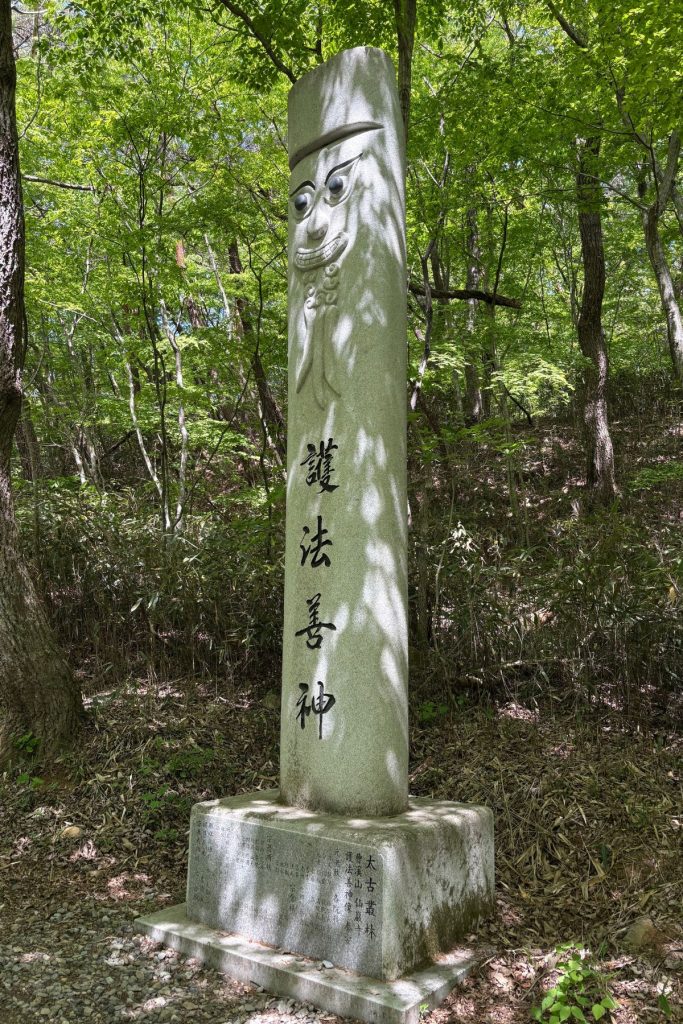
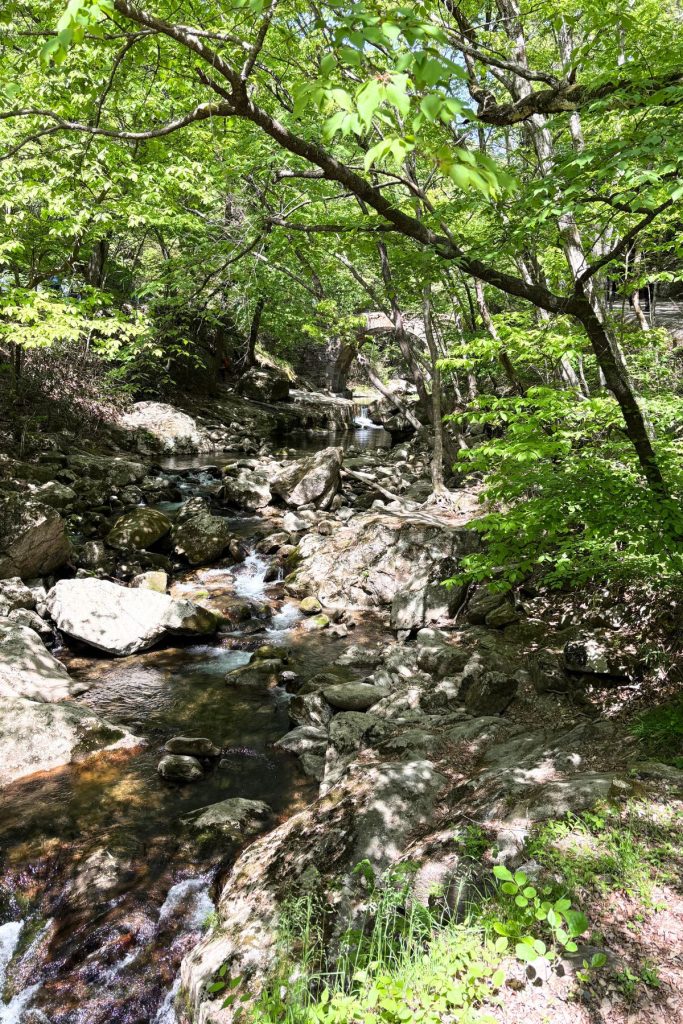
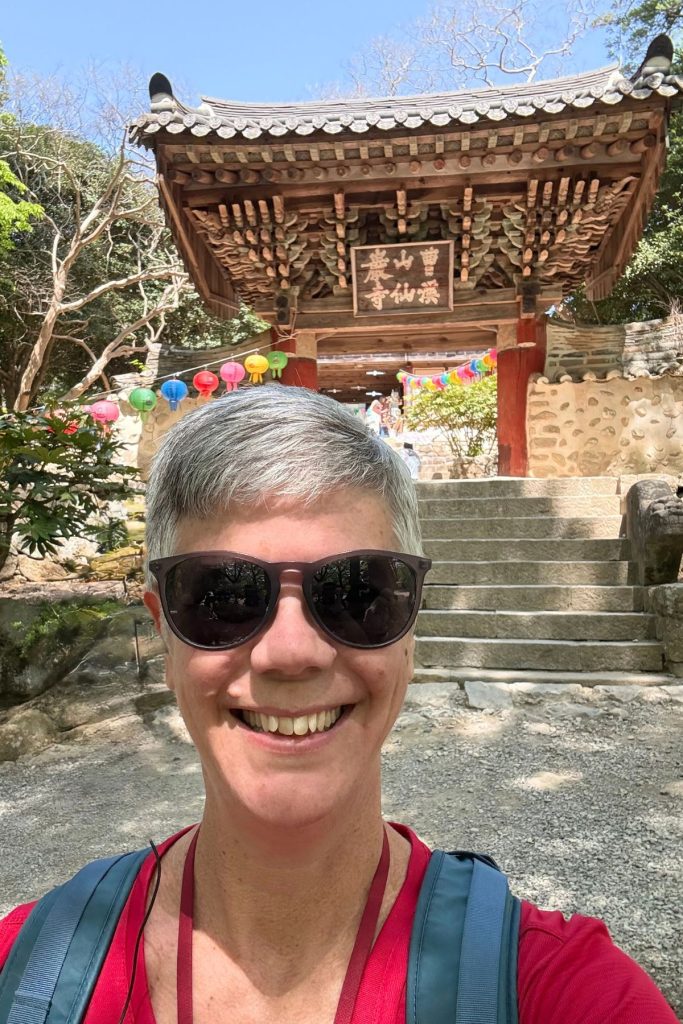
Tea finished, we laced up our shoes and made our way to the Seonamsa Temple. The walk leading to the temple is gorgeous. The approximately half-mile (one kilometer) path winds through a lush forest with beautiful trees, stone basins, and ponds. No one knows the exact age of the towering trees here, but oral tradition dates them back at least 600 years. Crossing the stream on the Seungseongyo Bridge (known as the “Rainbow Bridge” because it looks like a grand rainbow), you can start to see the entrance to the temple ahead.
History of the Temple
The Seonamsa Temple belongs to the Taego Order, the second-largest Buddhist Order in Korea. Many of the other commonly-visited temples in Korea belong to the Jogye Order. It was built in the 6th century by Monk Ado Hwasang. The complex has approximately 20 buildings, 4 temples, and 2 bridges.
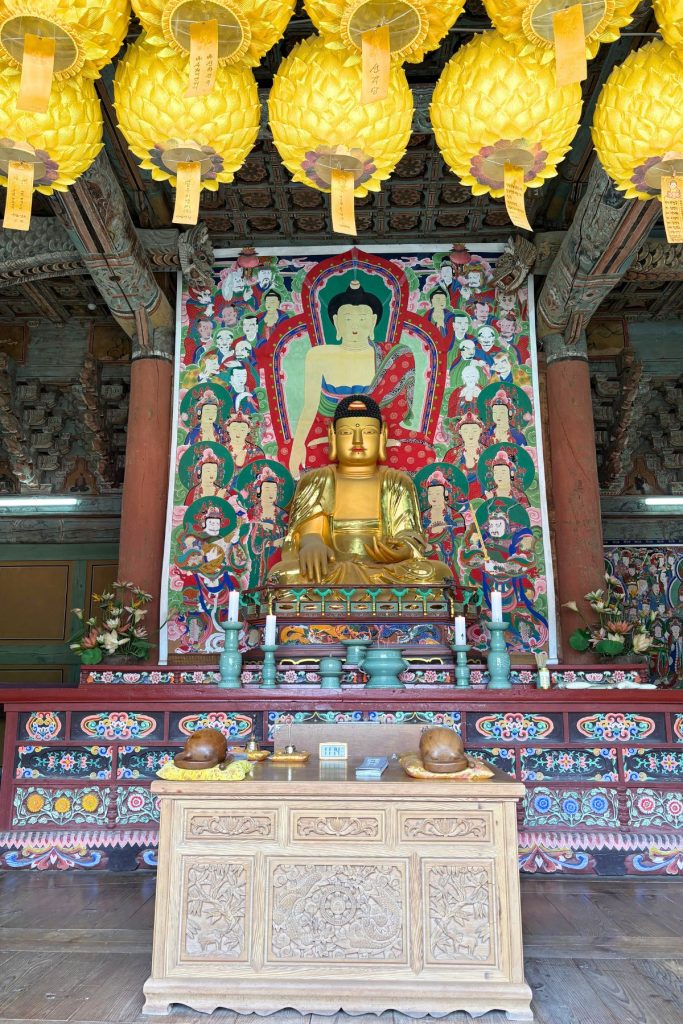
Buddha’s Birthday Celebration
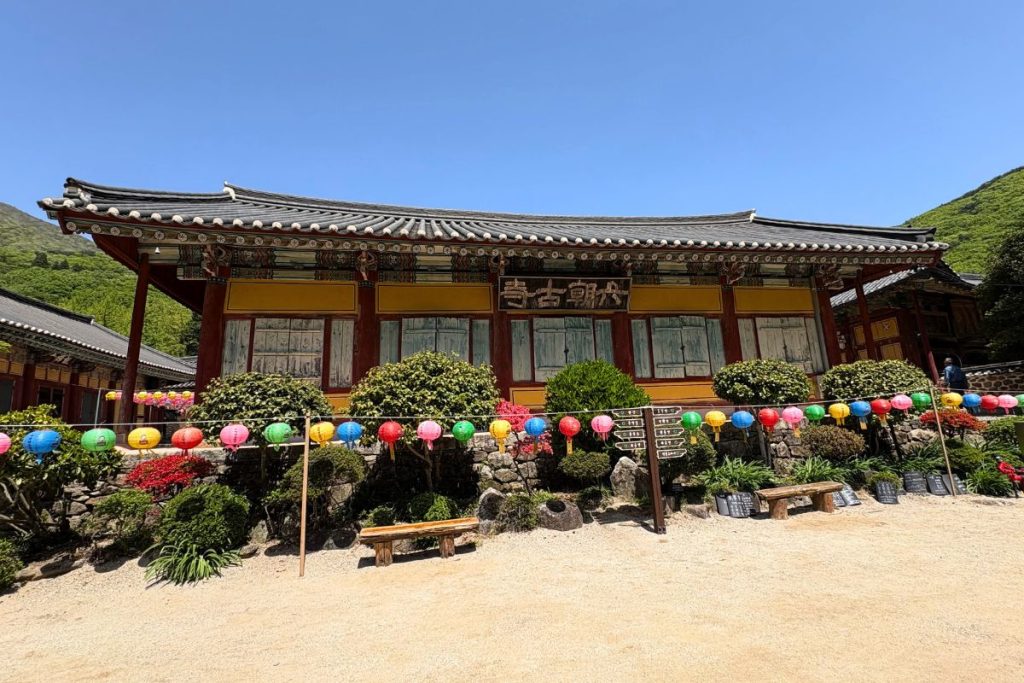
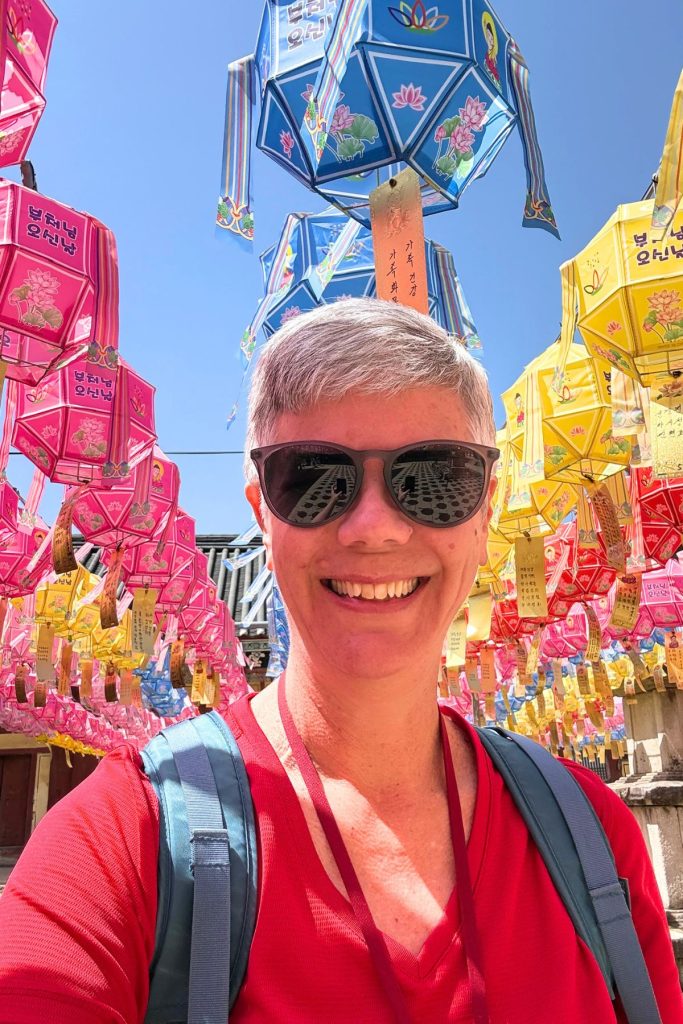
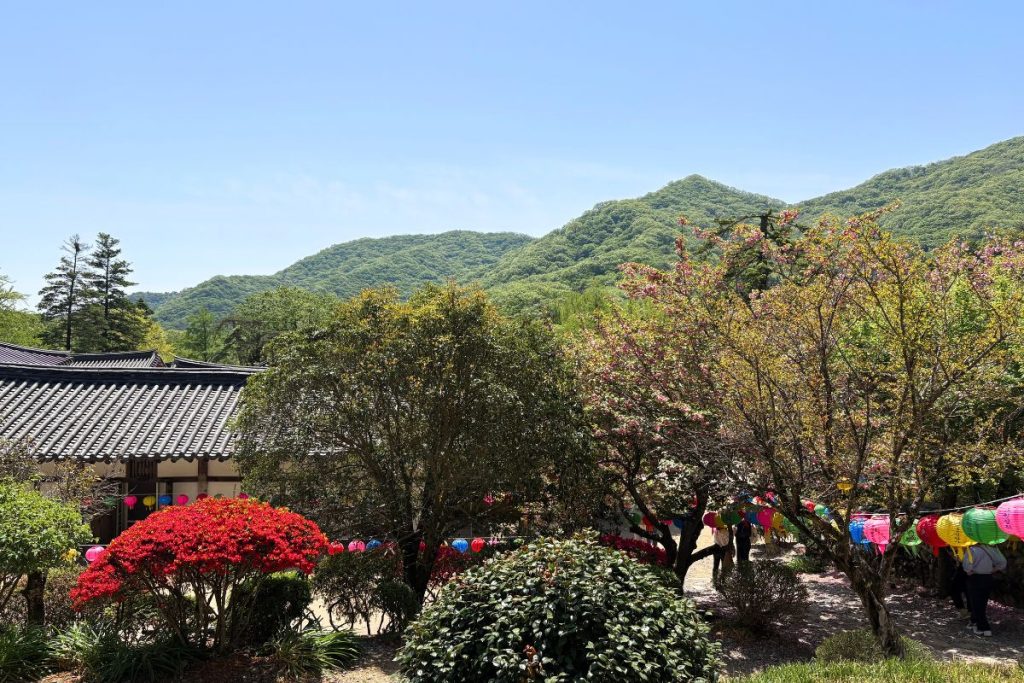
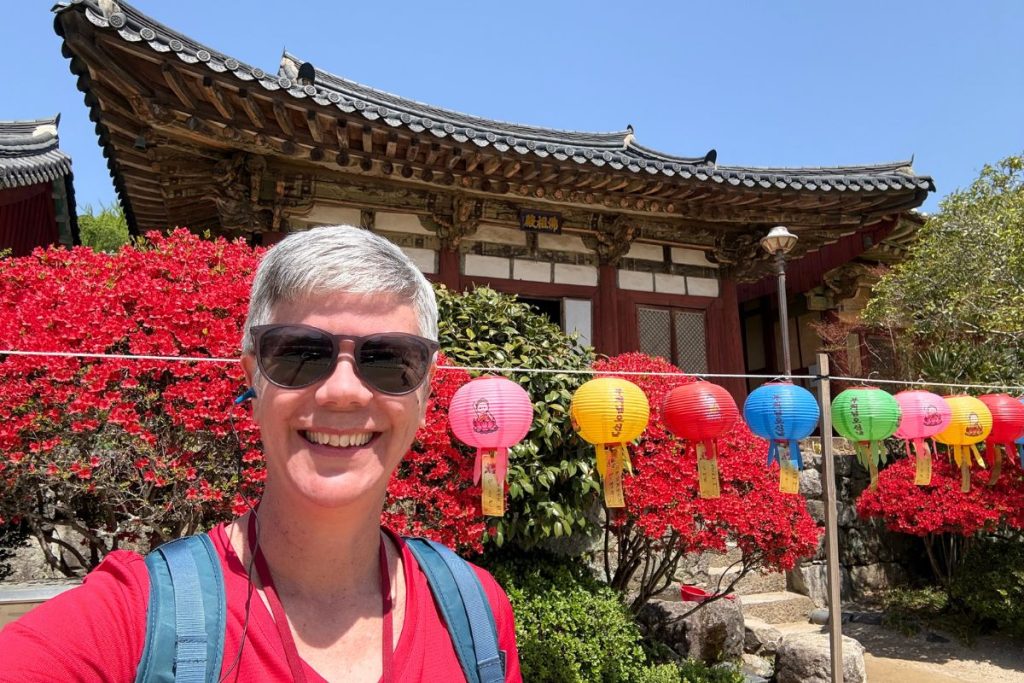
During my visit, the entire temple complex (including the scenic walk leading to the temple) was festooned with brightly-colored lanterns everywhere. These are decorations for Buddha’s Birthday, one of the most important holidays in South Korea. Called Yeondeunghoe or “Lotus Lantern Festival”, Buddha’s birthday is celebrated on the eighth day of the fourth lunar month (this was May 24th in 2026). Leading up to the birthday itself, the entire country lights up with colorful lanterns.
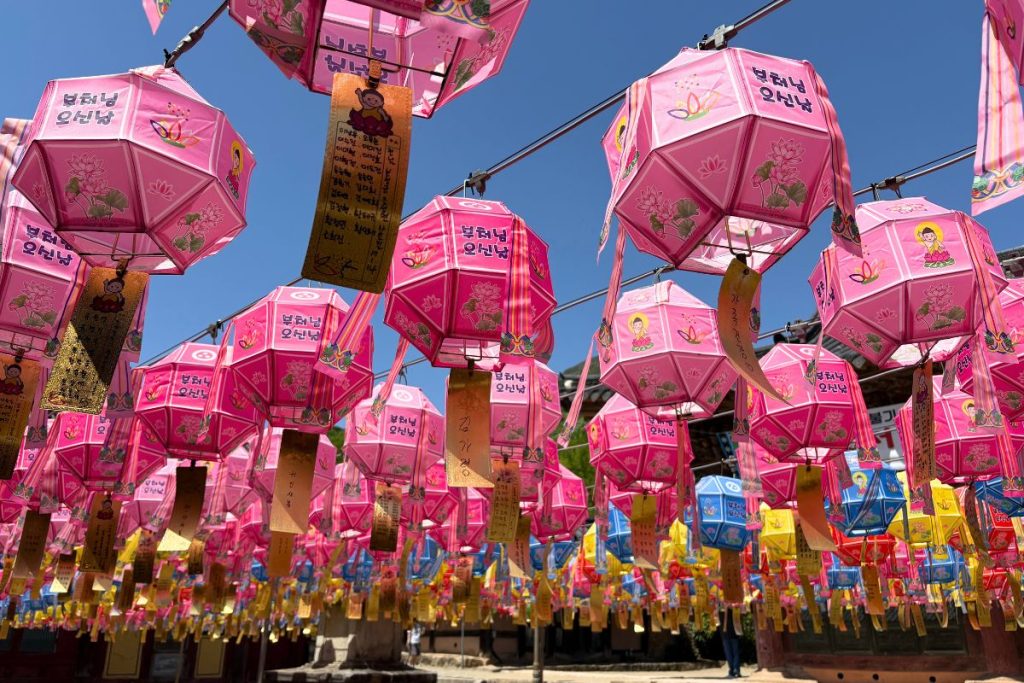
There are small dedication tags, called wonpae, that hang below each lantern. These tags include the donor’s name (the person or family who sponsored or dedicated that particular lantern), a wish or a prayer that the donor is sending out into the world, and possibly a dedication (if it is honoring a family member, ancestor, or someone who has passed). Each lantern is more than just decoration…it represents hopes, prayers, or acts of devotion by individual people.
Exploring the Temple Complex
The complex resembles a rural village. It is often referred to as “a little town deep inside a mountain.” Nineteen of Korea’s National Cultural Treasures are housed here. Our guide gave us a nice overview of the complex as we walked around, and then we had some time to explore it on our own.
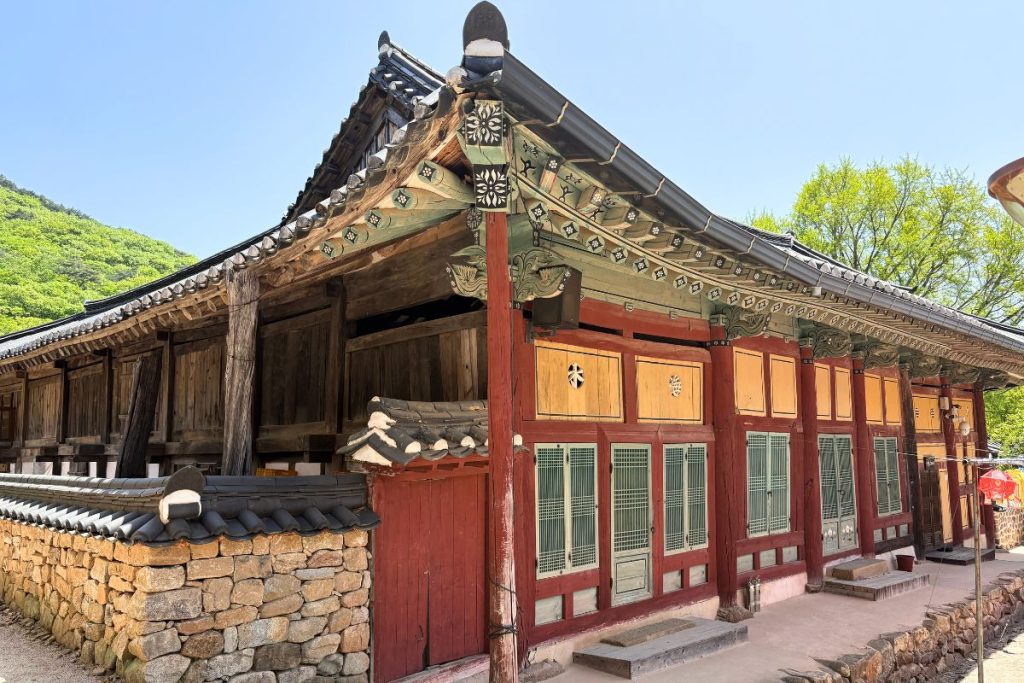
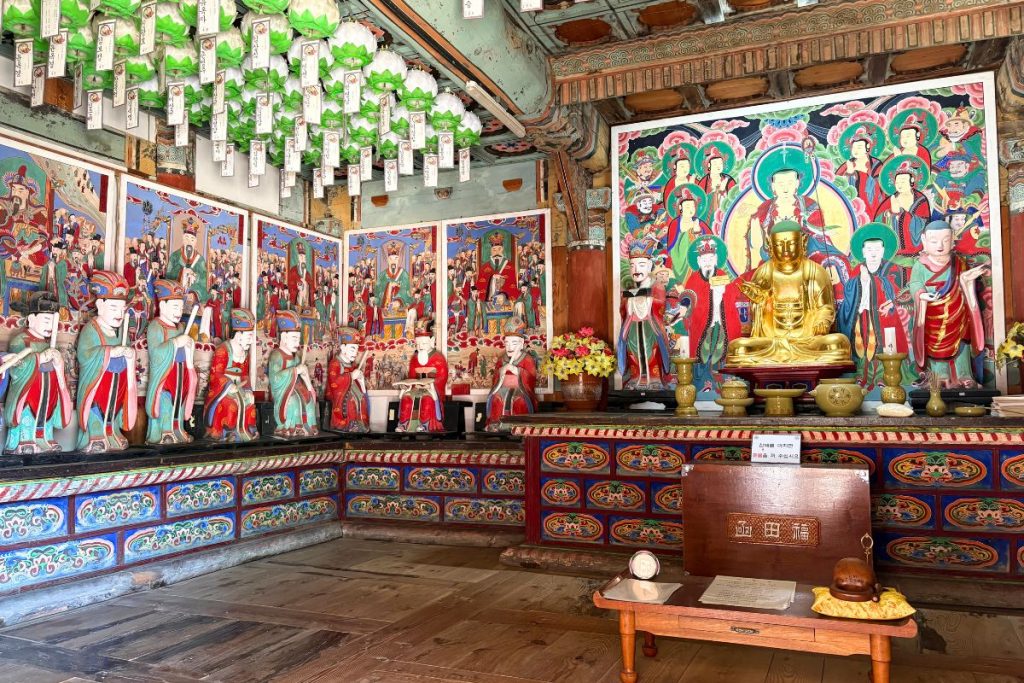
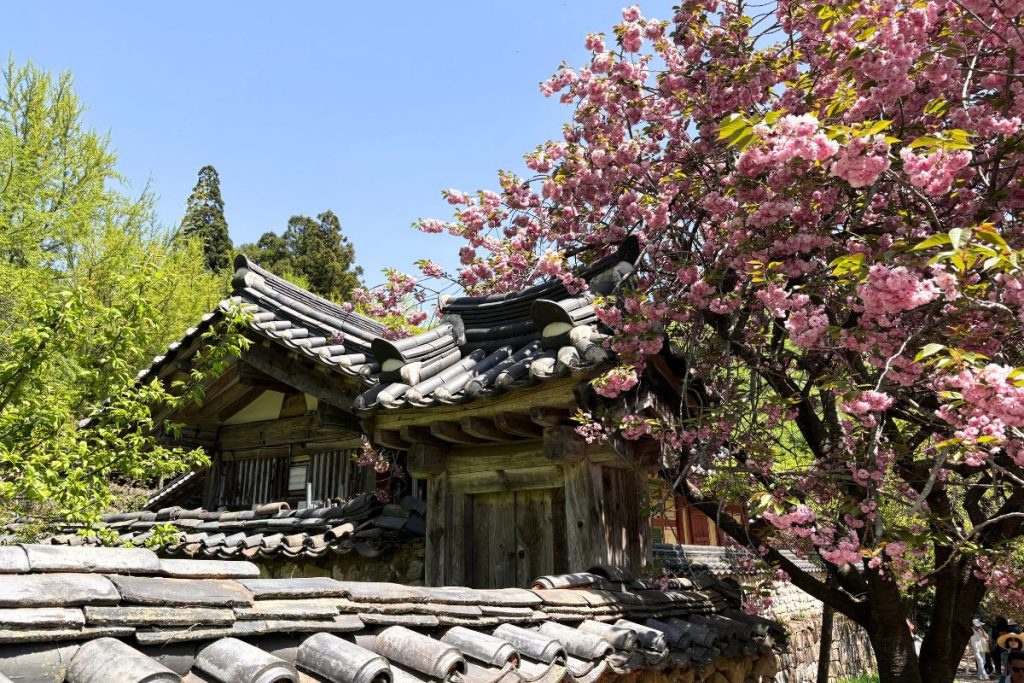
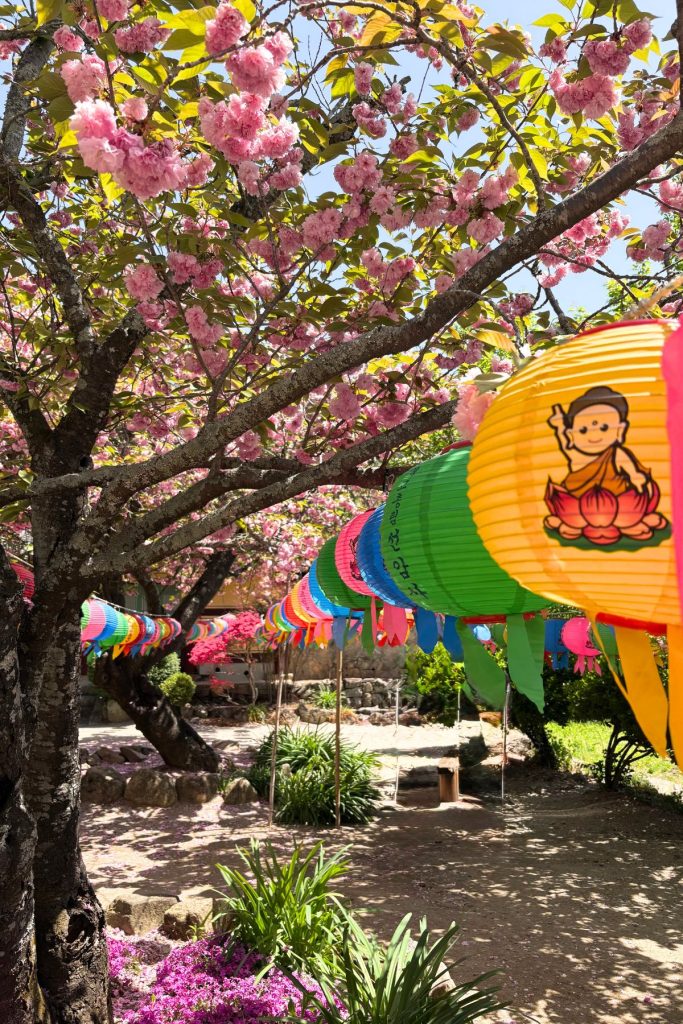
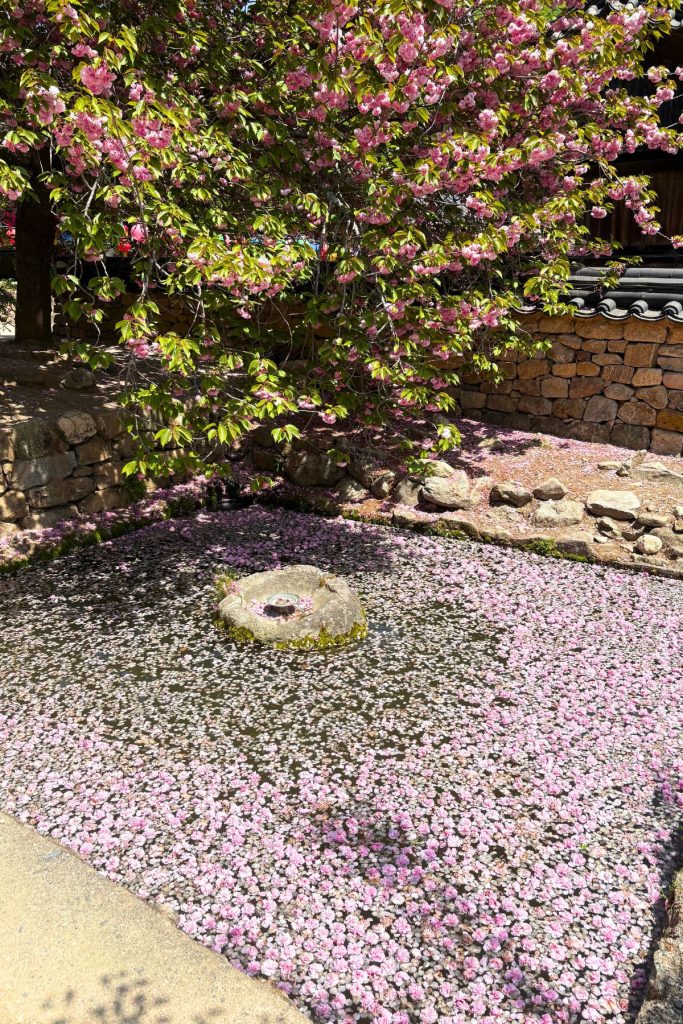
Seonamsa Temple is famous for its plum blossoms (Seonammae). These blossoms bloom every spring and are absolutely gorgeous. Even though I missed the cherry blossoms this year, I was delighted to get to see these beautiful blossoms here!
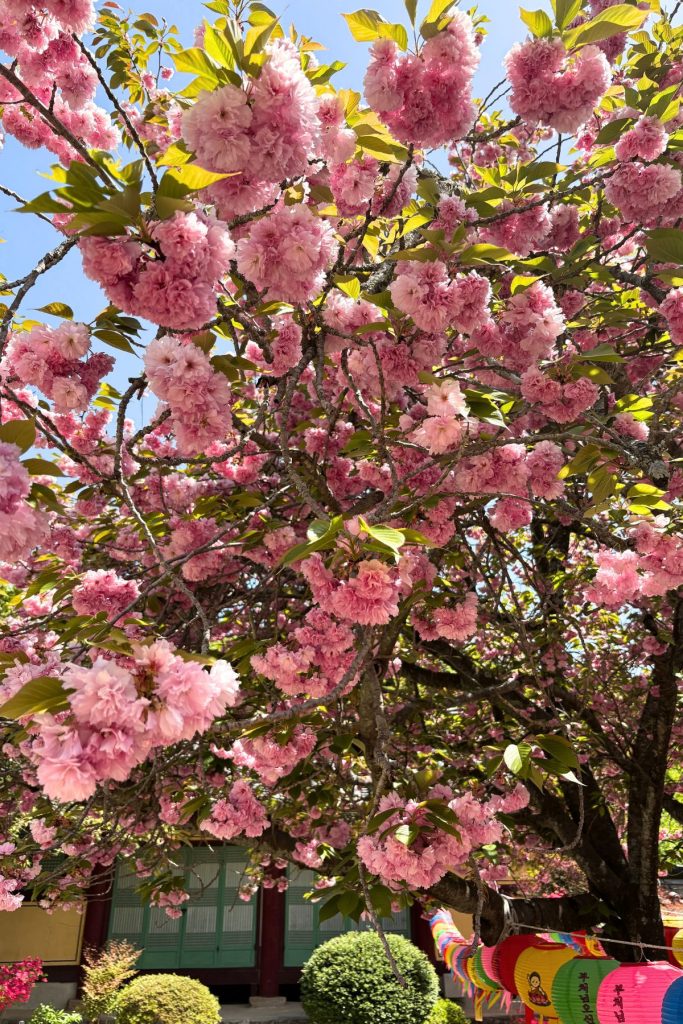
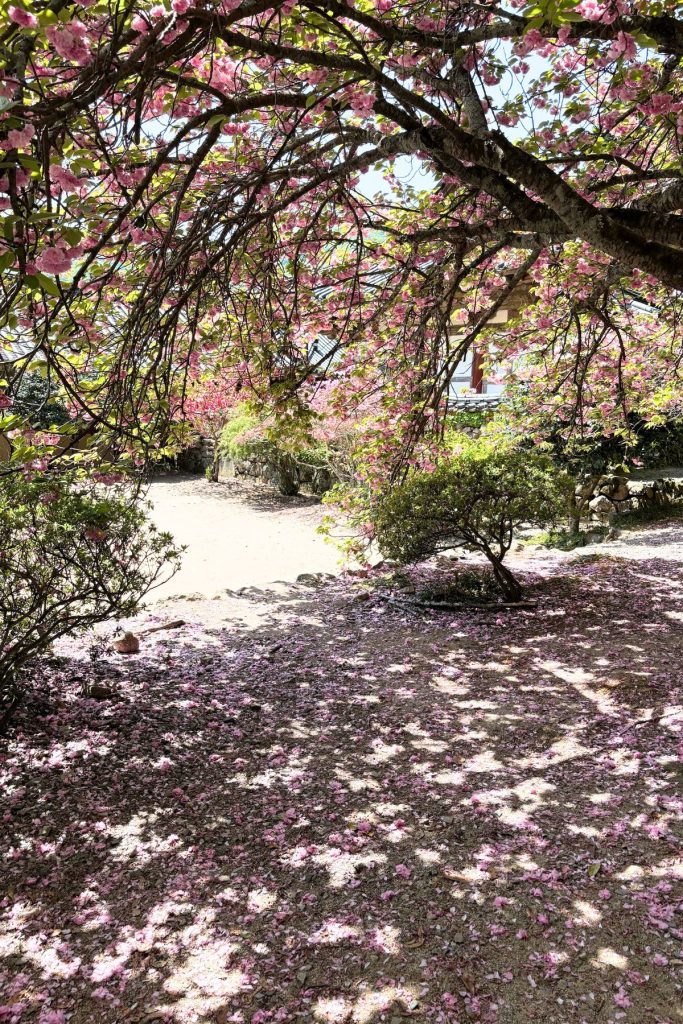
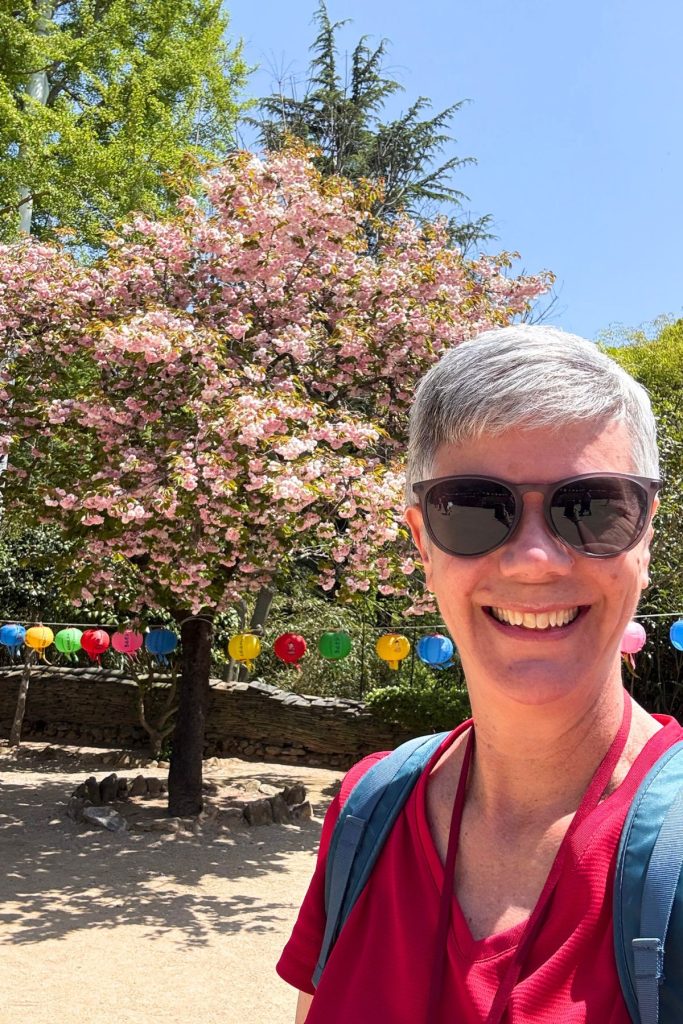
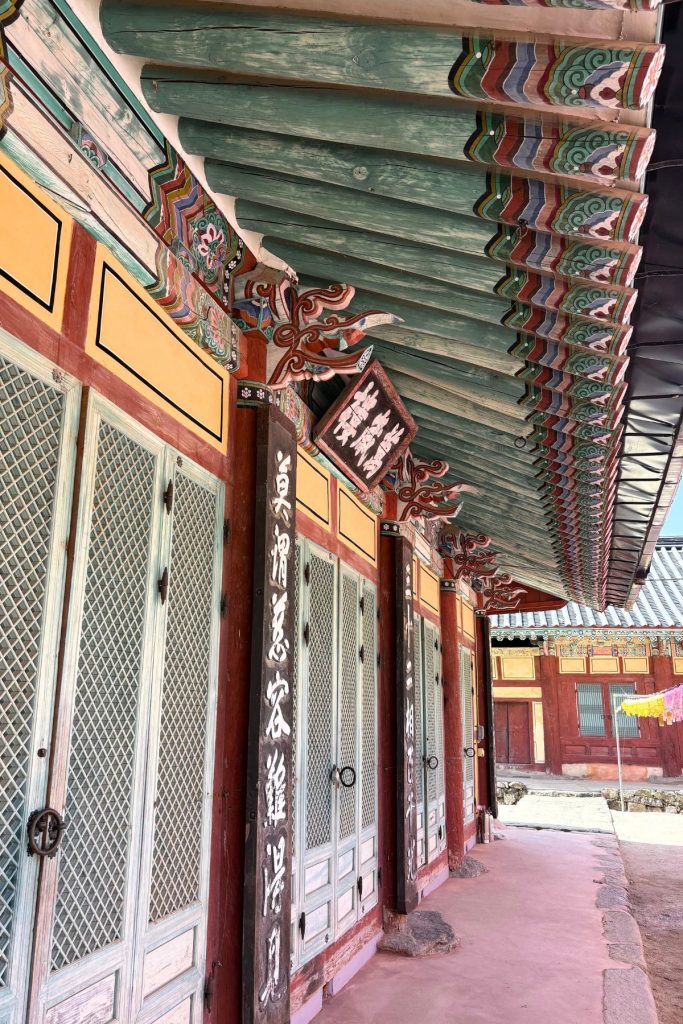
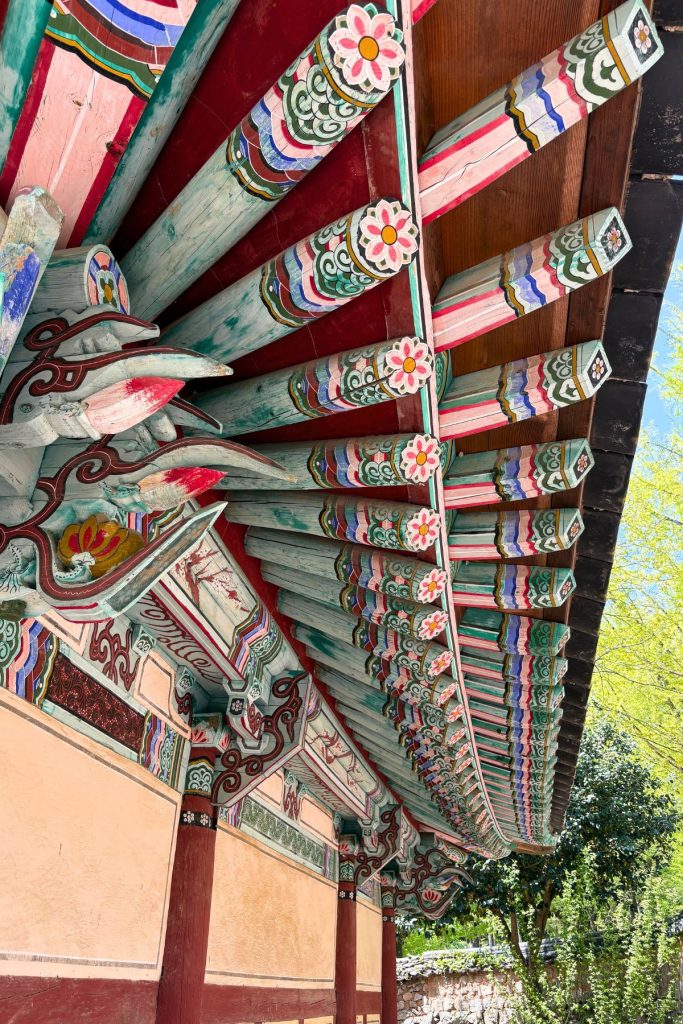
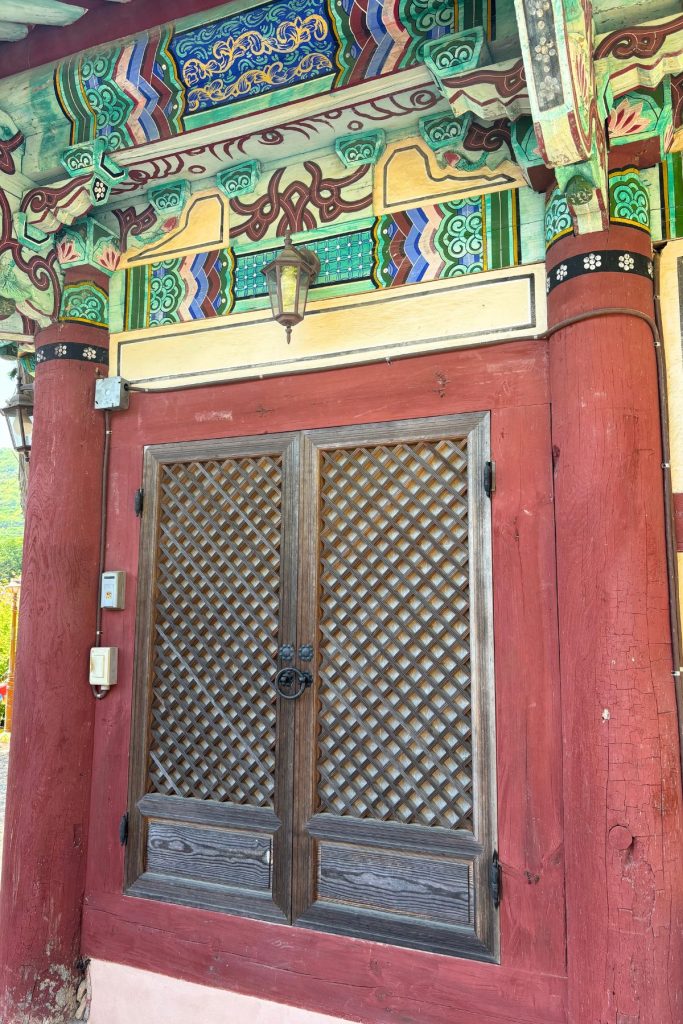
Between the intricate designs on the buildings to the colorful blossoms everywhere, there is so much beauty here. It is a beautiful place to stroll through. Taking your time to really experience all of the details is a perfect way to visit this temple.
- Entrance to the temple is free, and it is open from 8:30am – 5pm daily.
- Visiting the temple during early morning hours is ideal, because you will have the chance to witness the monks’ morning rituals.
- Plan for at least 2-3 hours at minimum to truly enjoy everything this temple has to offer.
Common Questions
This temple has a lot to offer any time of year, but spring and fall are the best. Visiting in April-May, you will see the famous plum blossoms and blooming apricot trees, and if your timing lines up with Buddha’s Birthday, you get the added bonus of the colorful lanterns. Visiting in October-November brings stunning fall foliage, and the crowds will be smaller than in the springtime.
The good news is that you do not need to be a Buddhist to visit, and temples in Korea are genuinely welcoming to everyone. As long as you are respectful of both the space and the people, you are welcome to explore. Some simple things to consider: dress modestly (covered shoulders and knees) inside the main halls, remove your shoes before entering any interior worship space, and keep your voice down (the temple is an active place of worship, and monks live and practice here). If you do encounter monks, bow respectfully. Avoid touching any of the statues or religious objects. Photos are generally allowed throughout the grounds, but use judgment inside the halls, especially if a ceremony is taking place. When sitting inside, do not point your feet toward the altar as this is considered disrespectful; sit cross-legged or with your feet tucked to the side.
A few key places nearby include Songgwangsa Temple, Suncheon Bay Wetland Reserve, and Naganeupseong Folk Village. So there is plenty here in the area to justify spending a day or two here. Yeosu is about an hours’ drive away.
Even More Travel Ideas
From Crashing Waves to Castle Walls: A Perfect Day in Kochi, Japan
Hiroshima & Miyajima: Sacred, Scarred, and Spectacular
All Aboard the Past: Mojiko’s Retro Charm, Rail History & Mountaintop Views