Cruise Travel Insurance, Decoded
The Question
When I send a client their reservation confirmation and deposit invoice, one more thing goes in the same email. Quotes for two or three cruise travel insurance policies, side by side.
Then the conversation starts. The reactions fall into two camps. Some clients pick a policy before I finish explaining the differences. Others decline and move on, usually because they have never needed it. Neither camp is working from much information.
Here is the problem. “Do I need travel insurance?” is the wrong question. Travel insurance is not one product. It is a bundle of separate protections, and each one covers a different way a trip can go wrong. A missed flight is one problem. A cancelled sailing is another. A broken ankle in a foreign port is a third. Each one has a different price tag.
The better question is this: which of those problems could I absorb on my own, and which ones would wreck me?
What’s Actually Happening
A cruise travel insurance policy is a stack of separate benefits. Each one has its own trigger, its own dollar limit, and its own fine print. Two policies can look identical on the first page and pay out very differently.
Money Back Before You Sail
Trip cancellation reimburses prepaid, non-refundable costs if you cancel before departure for a covered reason. Illness and injury are the usual examples. The key word is covered. Every policy has a list of reasons, and your reason has to be on it.
Money Back After You Leave
Trip interruption applies once the trip is underway. If a covered reason cuts it short, the policy reimburses the unused prepaid portion. Trip delay is a separate benefit. It pays added costs when a covered delay holds you up, such as a hotel night after a missed connection.
Medical Coverage
This is two benefits, not one. Emergency medical pays for treatment. Emergency evacuation pays to move you to a better facility or home. Evacuation is the one people forget. Without coverage, an air ambulance can cost anywhere from $20,000 to $200,000.
The Benefit Nobody Thinks About
Most people picture insurance paying for a cancelled trip or a hospital bill. I needed neither.

At the end of my June 2022 cruise, I contracted COVID during my post-cruise stay in Stockholm. I was not in a hospital. I was simply too sick to fly. I stayed four extra days, until I felt well enough to go home. My policy covered the hotel and my food.
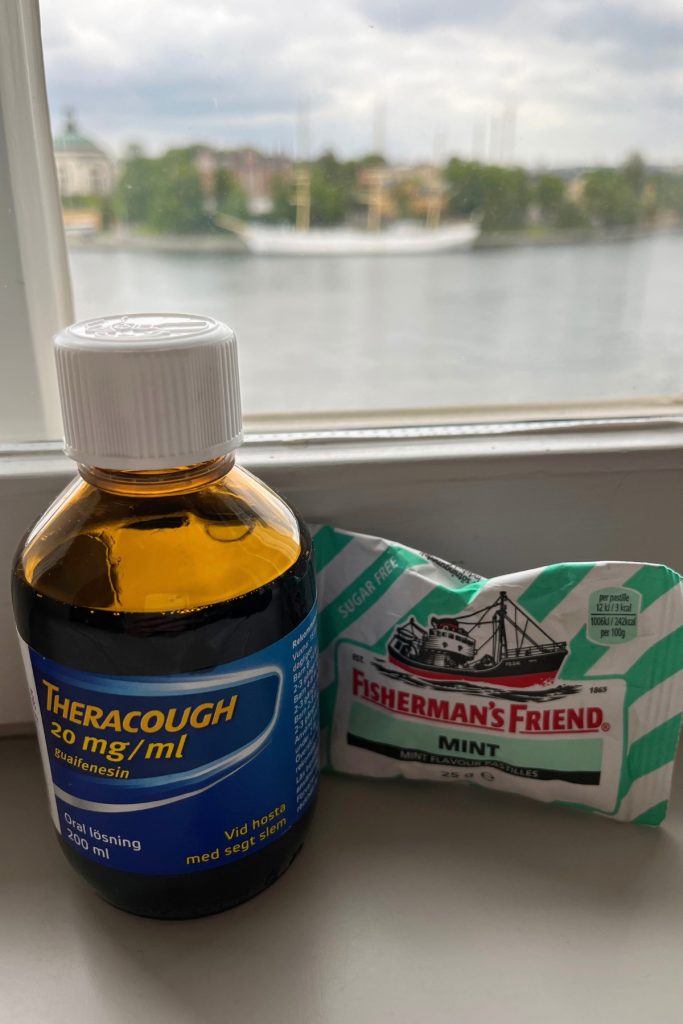
That gap, too sick to travel but not sick enough for a ward, is easy to overlook. It is also where a surprise bill can pile up quietly.
Cancel For Any Reason
Cancel for any reason, usually shortened to CFAR, is an add-on. Standard cancellation only pays for listed reasons. CFAR lets you cancel for reasons that are not on the list, including a change of heart. It does not refund the full amount. The reimbursement is commonly 50% to 75% of non-refundable costs, and the add-on raises the premium.
What This Means for You
Knowing what the benefits are is the easy part. The decisions are in the timing, the gaps, and the comparison.
The Clock Starts at Your First Deposit
Many policies offer a pre-existing condition waiver. It only applies if you buy within a set window. For many plans, that window is 14 to 21 days from your first trip deposit. On others, it runs as late as final payment. The deadline varies by insurer, and it can vary between plans from the same insurer. Miss it and the waiver is gone for good.
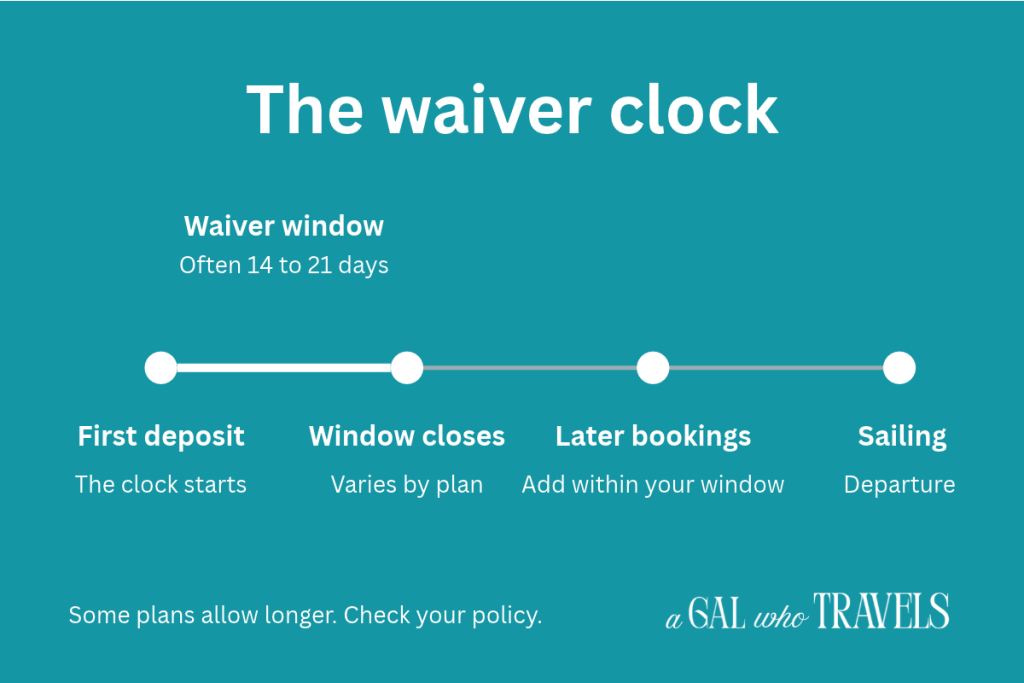
A pre-existing condition is generally something you received treatment or advice for during a lookback period before you bought the policy. The length of that period also varies by policy.
Insure the Whole Trip, Including What You Add Later
Some waivers require you to insure 100% of your non-refundable trip cost. That includes anything you book later, such as flights or a pre-cruise hotel. Some policies require you to add those purchases within a set number of days of the new deposit.
This is how a waiver gets lost by accident. Nobody forgets the cruise. People forget the flight they booked four months later.
Your Health Insurance May Not Sail With You
Many health plans have limits outside the United States, and many cruise itineraries spend most of their time there. Medical evacuation is a gap in many plans. A phone call to your insurer settles it. Ask two questions. Does the plan cover care abroad, and does it cover medical evacuation?
Ship medical centers also generally expect payment up front. You file for reimbursement afterward.
Two or Three Quotes, Not One
This is why I send clients two or three quotes instead of one. Side by side, the differences show up. Compare these items:
- The list of covered cancellation reasons
- The medical and evacuation limits
- Whether cancel for any reason is available
- The waiver terms
The cheapest policy and the best fit can be different policies.
What Could You Absorb?
Travel insurance typically costs about 4% to 10% of your prepaid, non-refundable trip costs. Set that number against the problems from the start of this post. Some of them you could cover from your own account without much pain. Others you could not.
That answer is not the same for every traveler or every trip.
The Catch
Insurance is a contract. Contracts are written by people who plan to be thorough.
Covered Reasons Are a Short List
Standard cancellation coverage pays for the reasons on the policy’s list. Fear of travel and a change of mind are generally not on it. Being nervous is not a covered reason. I wish I were joking.
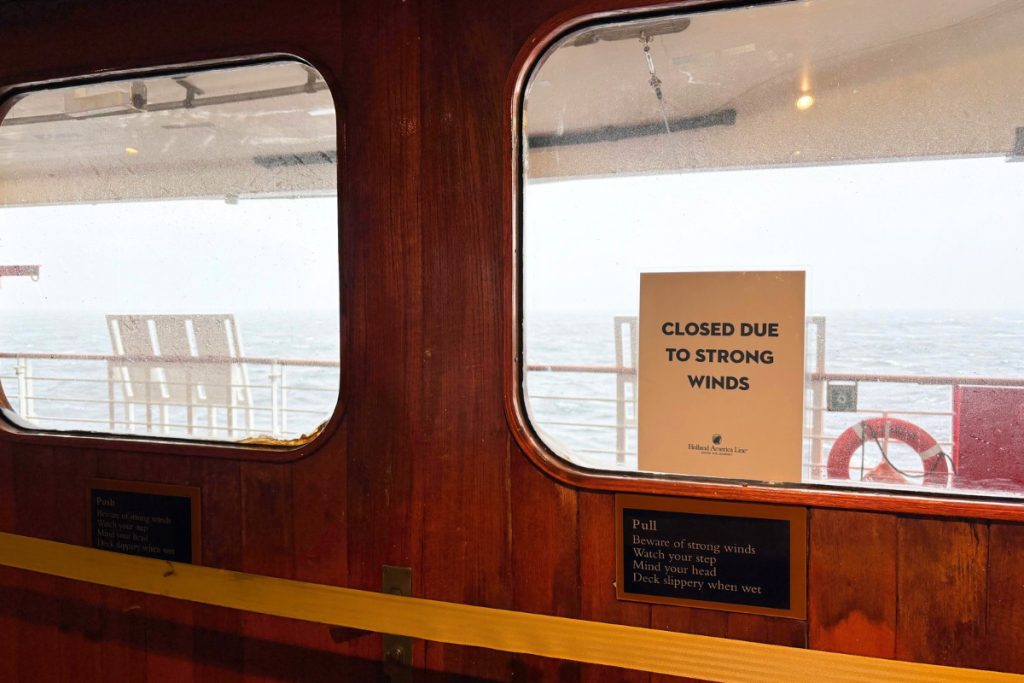
The same logic applies to known events. A storm that is already on the radar when you buy the policy is typically treated as a known event. Buying soon after the first deposit leaves less room for that problem.
Cancel For Any Reason Is Not Cancel For Free
CFAR fixes the covered reasons problem, with conditions. It typically reimburses only 50% to 75% of your non-refundable costs. It generally has to be added within 14 to 21 days of your first deposit. You must insure 100% of your prepaid, non-refundable costs. You must cancel at least 48 hours before departure. It also raises the price. The add-on can cost roughly 40% to 60% on top of the base premium.
Even a Waiver Has Limits
A pre-existing condition waiver does not erase every exclusion. Some conditions stay excluded even when the waiver applies. Some waivers also require that you are medically able to travel on the day you buy the policy. Medical claims connected to alcohol or illegal drugs are also commonly excluded.
The Policy Is the Contract
Policies vary by company and by plan. The summary page gives you the headline. The full policy language gives you the answer. Read the exclusions before you buy, not after you file.
Closing Thoughts
Cruise travel insurance is not one decision. It is several smaller ones, each tied to a specific way a trip can go sideways. Some of those problems you can absorb on your own. Some you cannot.
The work is figuring out which is which early, because the deadlines do not wait. On many plans, the clock starts with the first payment and ignores your schedule.
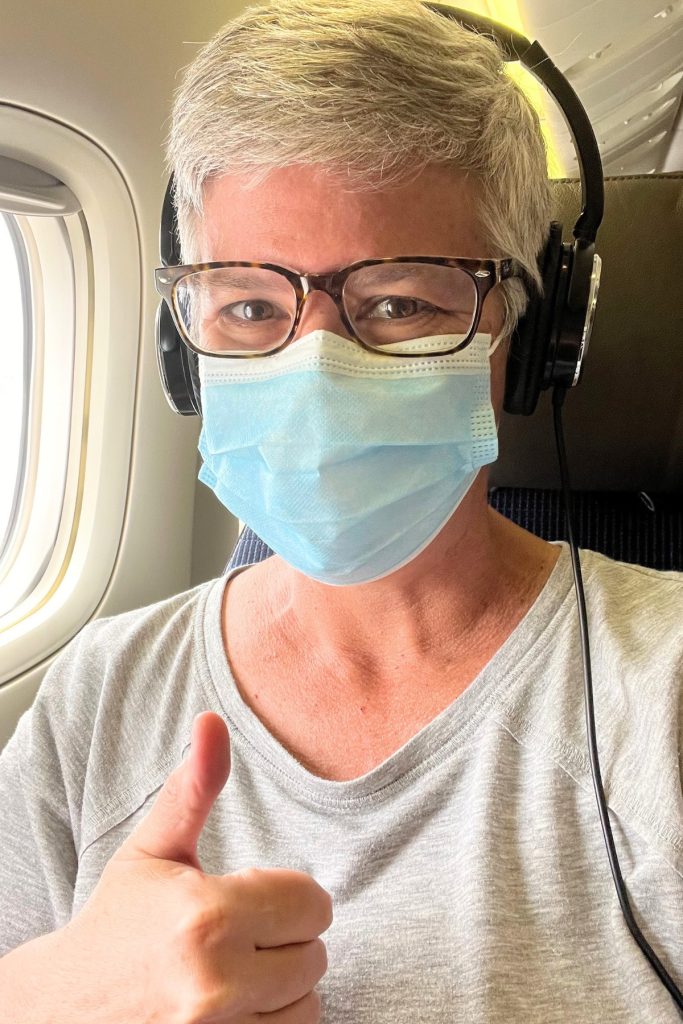
Nobody plans four extra nights in Stockholm. Insurance only helps if you buy it before you are the one sick in a foreign hotel room.
Looking for a Travel Advisor?
When I book a cruise, the insurance quotes go out in the same email as the reservation confirmation and the deposit invoice. Two or three policies, side by side, before the waiver clock starts. You choose a policy, or you choose none.
That is where my role stops. I cannot and will not tell a client which policy is best for them. I also cannot and will not tell a client what a specific policy does or does not cover. Those answers belong to the insurer, and I send every client with questions about the policy itself directly to the insurance company.
If you are planning a cruise and want the insurance quotes in hand before you pay the deposit, use my contact form. We can start with the cruise, and the quotes will follow.
FAQs
Cruise Travel Insurance Basics
Not by law for most U.S. sailings. Individual cruise lines and itineraries can have their own requirements, so check the terms for your specific booking.
Often only in part. Many health plans have limits outside the United States. Call your insurer. Ask whether it covers care abroad and medical evacuation. Ship medical centers also generally expect payment up front.
Terms vary by cruise line and by policy, which is why comparing them matters. Cruise line plans commonly cover only the cruise itself, not flights or a pre-cruise hotel. Cancel for any reason through a cruise line is often reimbursed as a future cruise credit, not cash. Third-party policies can cover the whole trip and generally reimburse in cash. Read the benefit details on both before deciding.
Whether a policy pays for that depends on its language. It happened to me in Stockholm, and my policy covered the hotel and my food. Ask the insurer whether the plan you are considering would do the same.
Soon after your first trip deposit. Many pre-existing condition waivers and cancel for any reason upgrades require purchase within 14 to 21 days of that deposit. Some plans allow longer. The exact window varies by insurer and plan.
Keep Planning
Insurance is one piece of the planning puzzle, and these posts cover the others.
- Small Ships, Big Problem: What’s Really Going On With Rhine and Danube Water Levels
- When a river itinerary gets disrupted, cruise line compensation and travel insurance do not always line up. This post explains where the gap is.
- Detours Welcome: Turning Travel Mishaps into Life Lessons
- Stockholm is in this one, along with other travel mishaps. It is the story behind the four extra nights, told from the “what did I learn” side.
- Peak, Shoulder, or Off-Season: What Actually Changes When You Book
- Season changes price, crowds, weather, and what is open. Weather matters here, because a storm that is already on the radar can be treated as a known event when you buy a policy.