Three Days in Reykjavik
Reykjavik is a small city that does not act like one. A rainbow runs down the middle of a shopping street. Above the rooftops, a church tower pulls your eyes up the hill. One hot dog stand has had a line out front since 1937. On the waterfront, a steel Viking ship goes absolutely nowhere. I ended a Crystal cruise here in August 2025. Then I spent three days in Reykjavik on my own, plus a fourth day on a South Coast tour. The city is compact, expensive, and very easy to walk. It is also a solid base for the waterfalls, glaciers, and black sand beaches beyond the city limits.
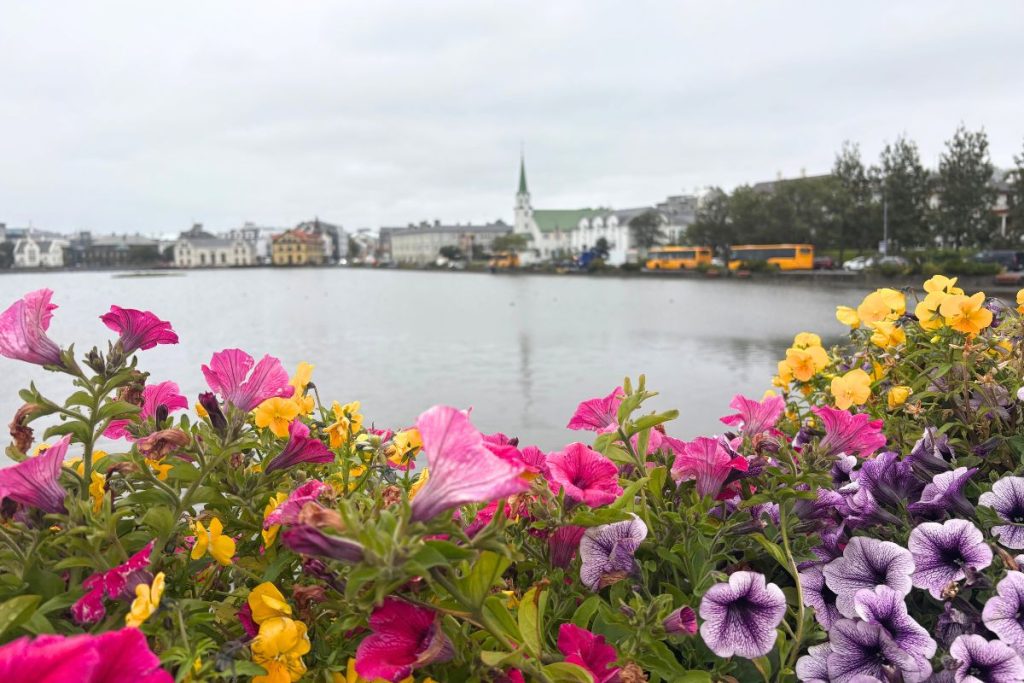
Below is the itinerary I followed, one day at a time. The first day covers the major sights, most within walking distance of each other. On the second day, I traded the outdoors for museums, because of the rain. The third day took me by bus to Perlan, then to a small house with big Cold War history. After the itinerary, you will find the day trips worth booking. My answers to the most common questions about timing, getting around, and cost come last. Yes, there is a hot dog section.
Prefer to watch instead of read? Watch the video →
How I Spent Three Days in Reykjavik
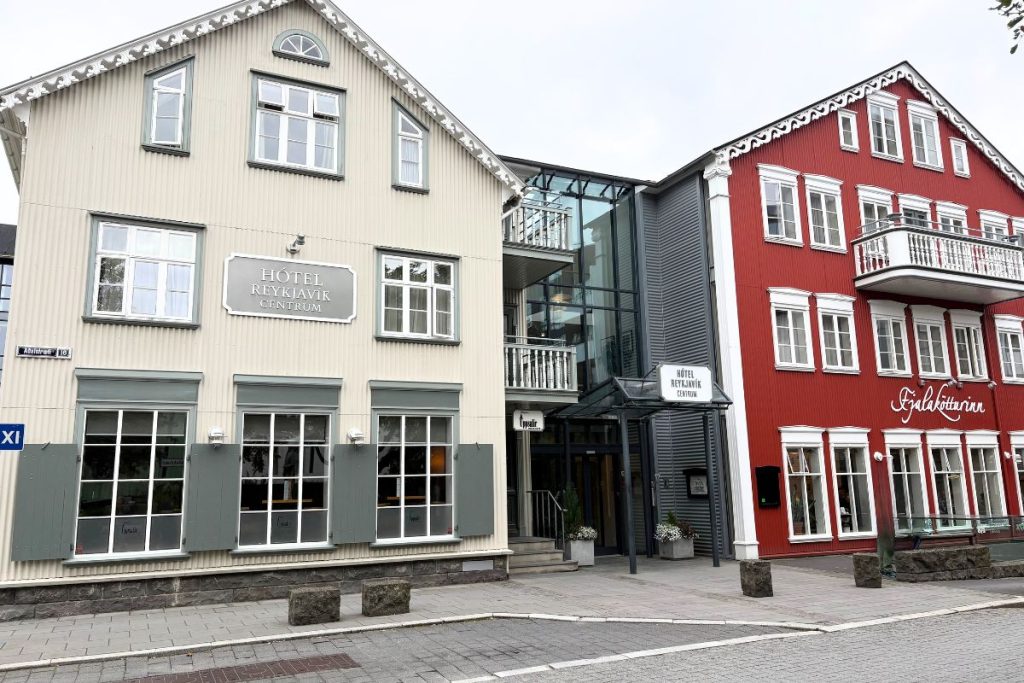
I stayed at the Hotel Reykjavik Centrum, which put nearly everything within walking distance. I walked whenever I could. For the few places that were too far, I used the Hop On / Hop Off bus. Every stop below appears in the order I visited it.
Day 1: Hitting the Highlights
I left the ship early in the morning and took a taxi to the hotel. This was my fullest day. Every major highlight on my list went here, so I could relax later.
Waterfront First
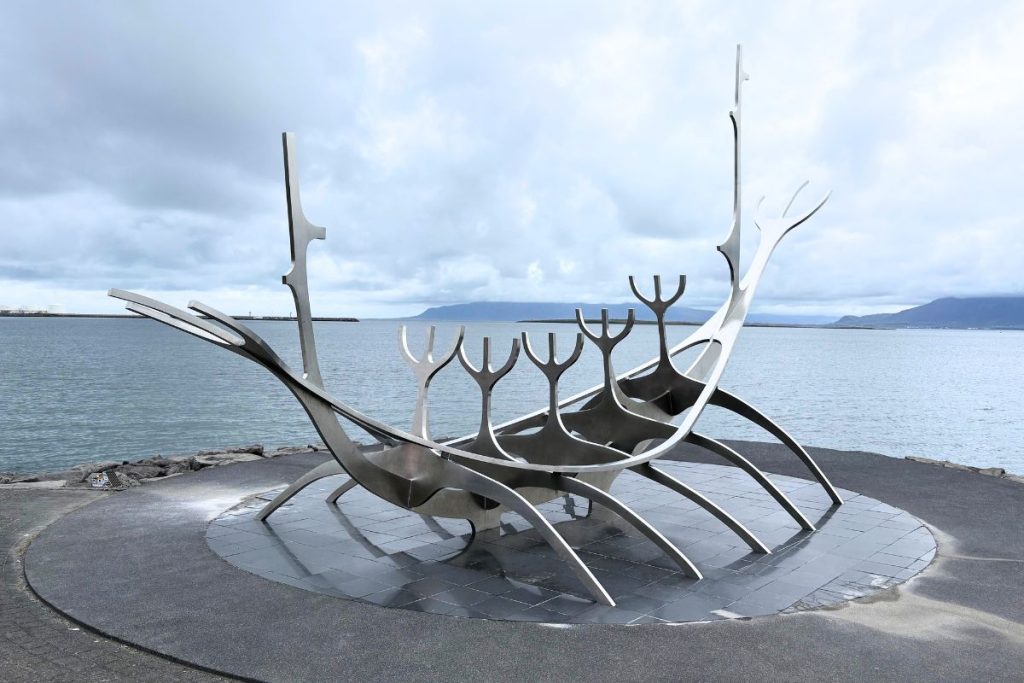
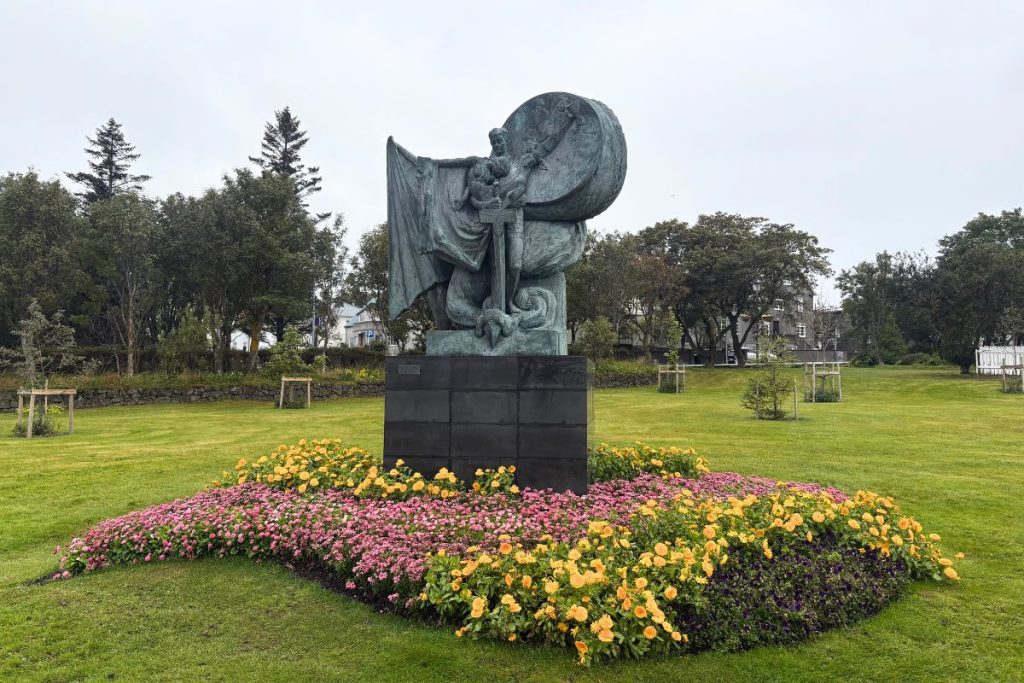
I started at Sólfarið, the Sun Voyager sculpture. It resembles a Viking longship built from steel. A tour bus arrived just as I did, so I waited for a clean shot without tourists in it. The day was cloudy. Then the little sun that came through the clouds settled on the steel.
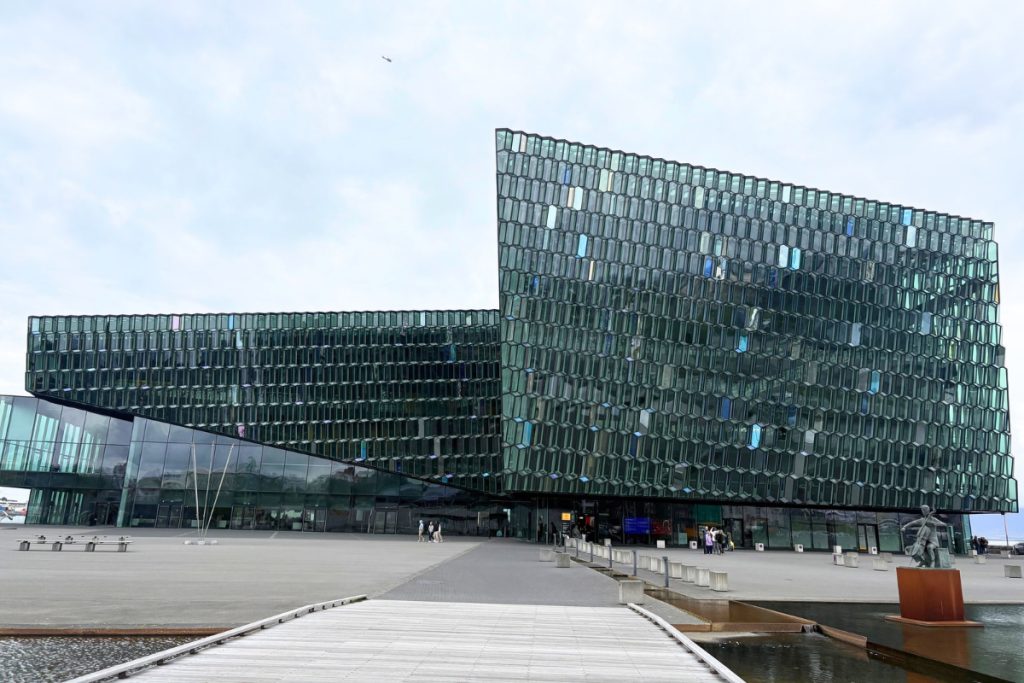
Next was Harpa Concert Hall. I had spotted it from the taxi that morning and had no idea what it was. Curiosity won, so I walked over. Up close, the glass facade is a honeycomb of panels, with a few tinted blue and pink. The hall hosts concerts and events year-round. I only went inside to use a public restroom. Consider that a travel tip.
Inside and Up Hallgrímskirkja
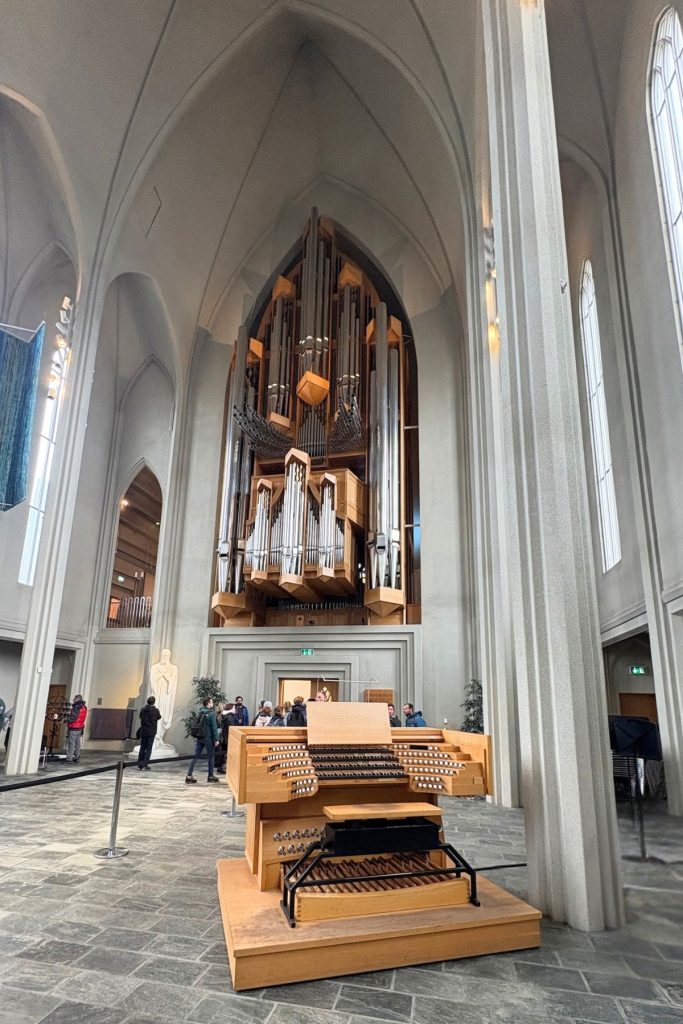
Next came Hallgrímskirkja, the most recognizable landmark in the city. I walked through the church first. The interior is stark and plain, more so than most churches I have visited. Gray columns rise into tall arches. The pipe organ does most of the decorating. The plainness suits it.
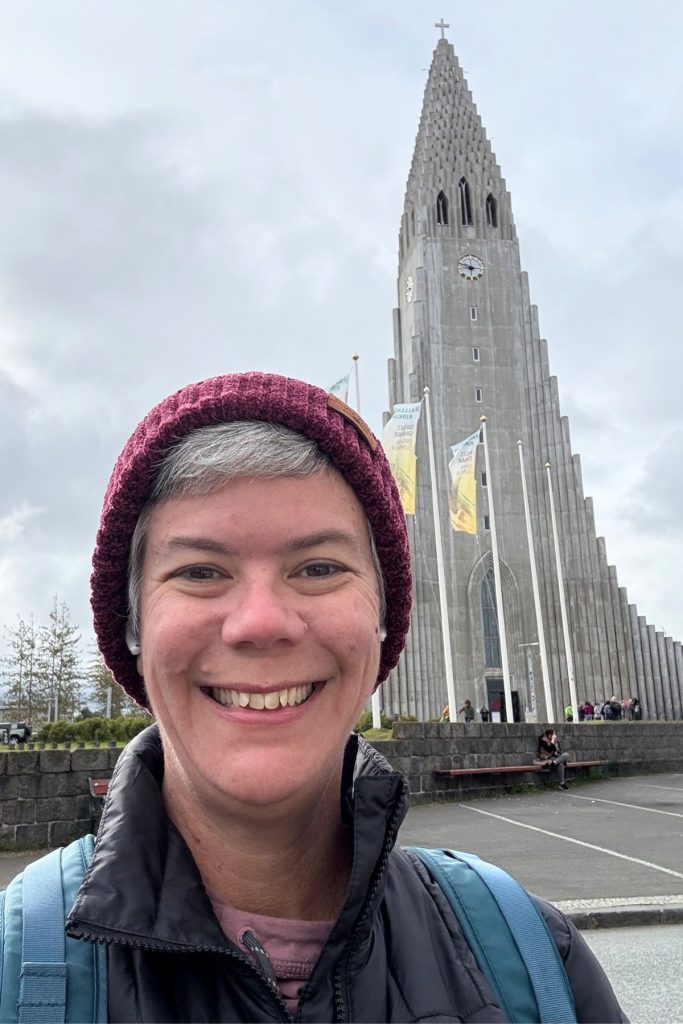
Then I took the elevator up the tower. Windows sit around the large clock faces, and you can look out in every direction. Reykjavik spreads out below in red, yellow, blue, and green rooftops. I found my cruise ship in the harbor, then Rainbow Street.
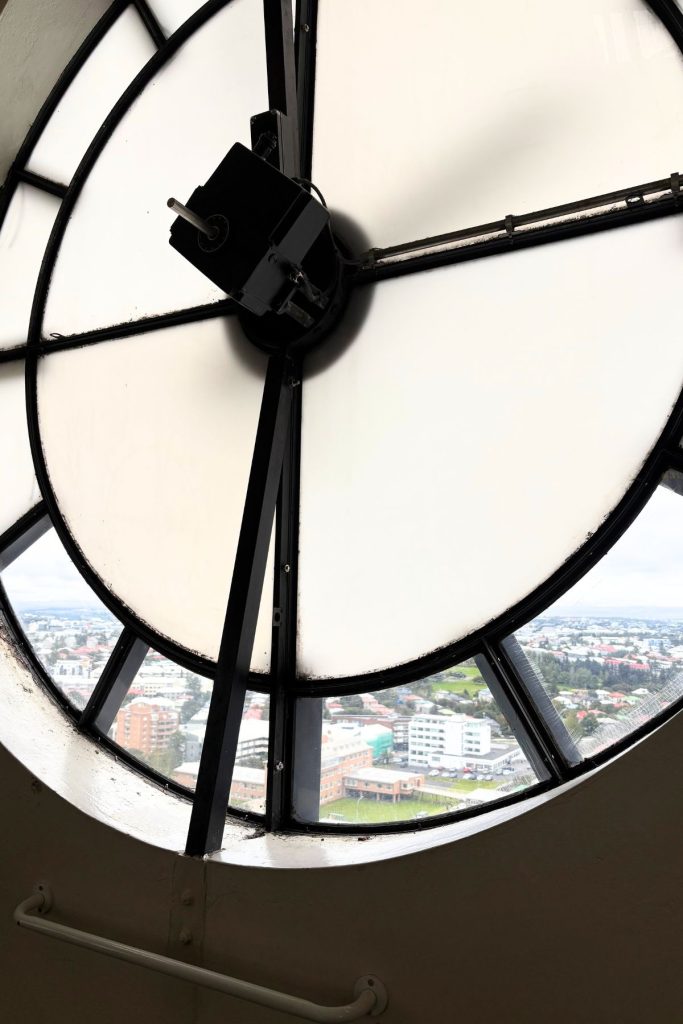
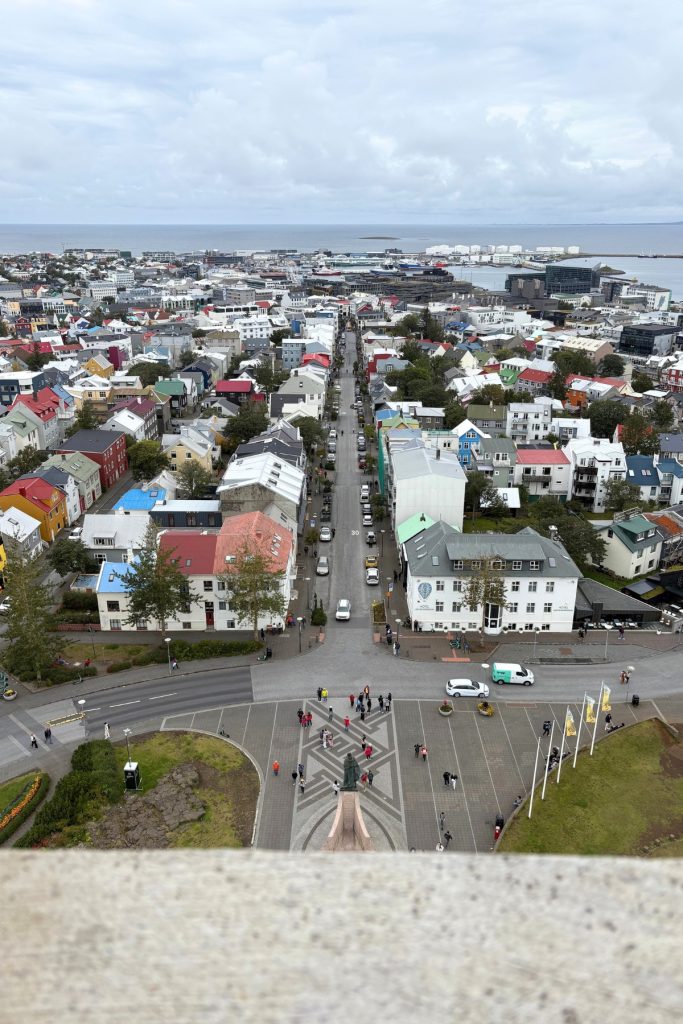
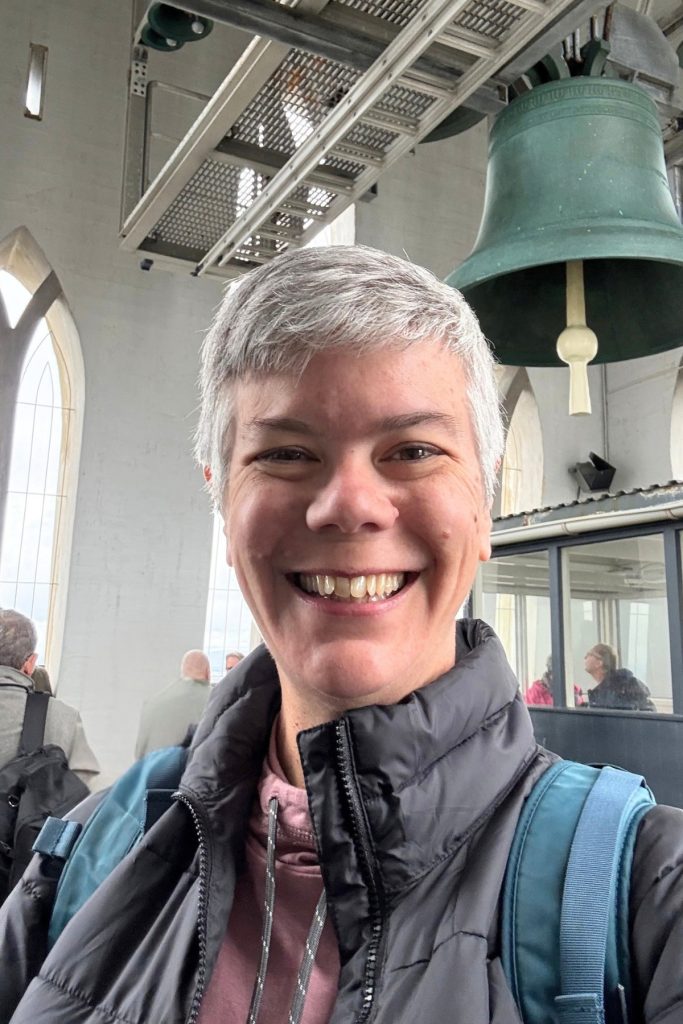
I was standing near a bell when it started to ring. It was loud enough to send me straight to the nearest window. Fair warning. Check the time before you go up.
Rainbow Street
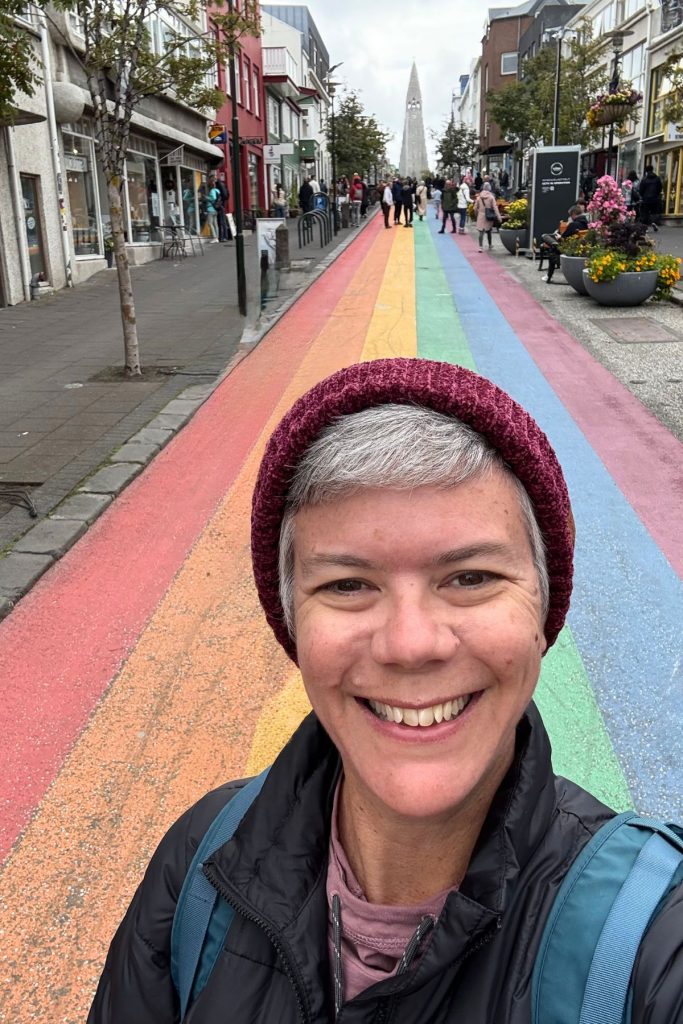
Just outside the church is Skólavörðustígur, better known as Rainbow Street. This pedestrian street has a rainbow painted down its length. Walk toward it, then turn around. The rainbow and the church together make the best photo.
Restaurants, cafés, bars, and boutiques line the street. So do local design shops. The same goes for nearby Laugavegur. Together, they make up the main shopping and cultural hub of the city.
Lunch at 101 Bistro
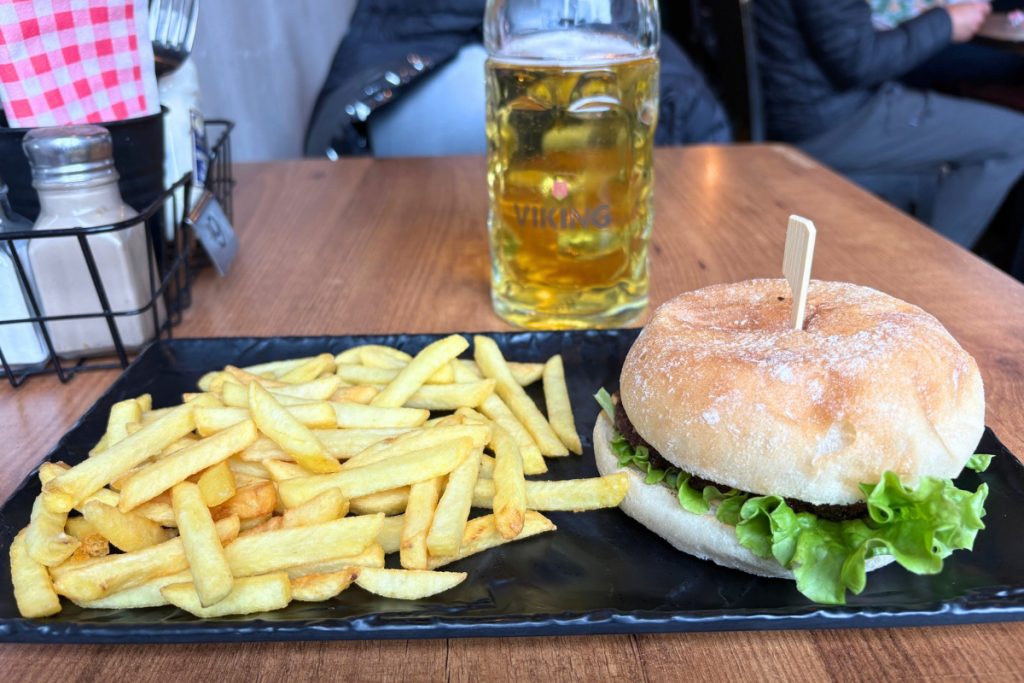
I stopped for lunch at 101 Bistro, near my hotel. The restaurant is known for its fish and chips, but a burger and fries was calling my name. I paired it with a local beer. The beer was called Viking. Subtle.
Dinner: A Hot Dog and Gelato
Dinner that night was a hot dog and ice cream. I could not visit Reykjavik without trying Bæjarins Beztu Pylsur. This small stand has served hot dogs since 1937. The line curled past a red bench when I went. Expect a wait of several minutes at busy times.
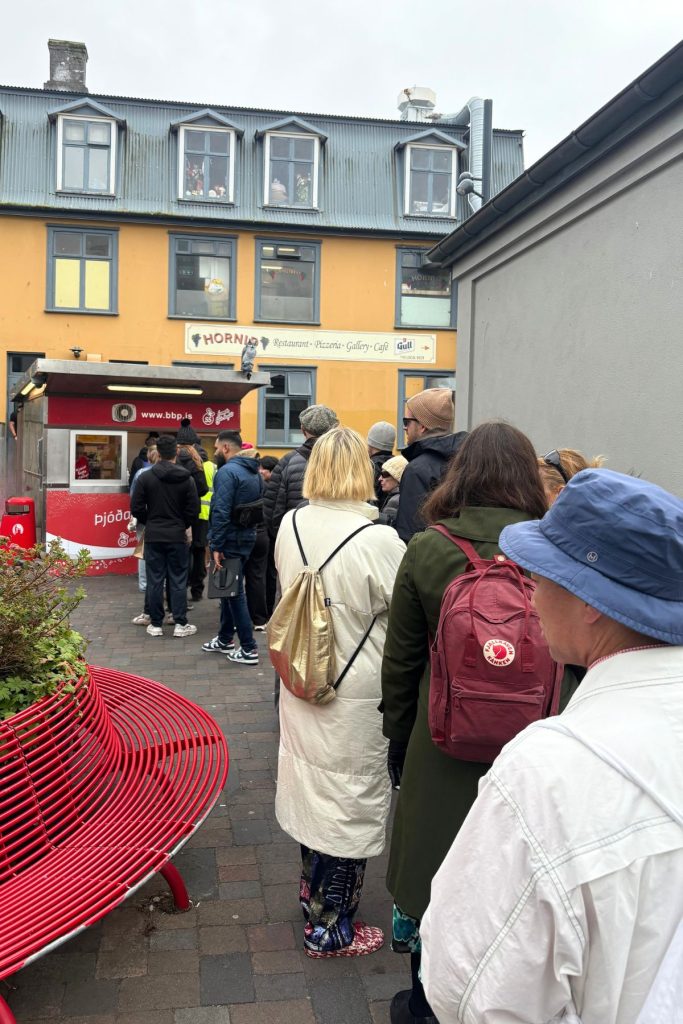
The hot dogs are lamb-based, mixed with pork and beef. I ordered mine “eina með öllu,” which means “one with everything.” That is raw onions, crispy fried onions, ketchup, sweet mustard, and remoulade. Order one with just mustard, and you have asked for a “Clinton.” I did not. I was hooked from the first bite…and I may or may not have gone back every day.

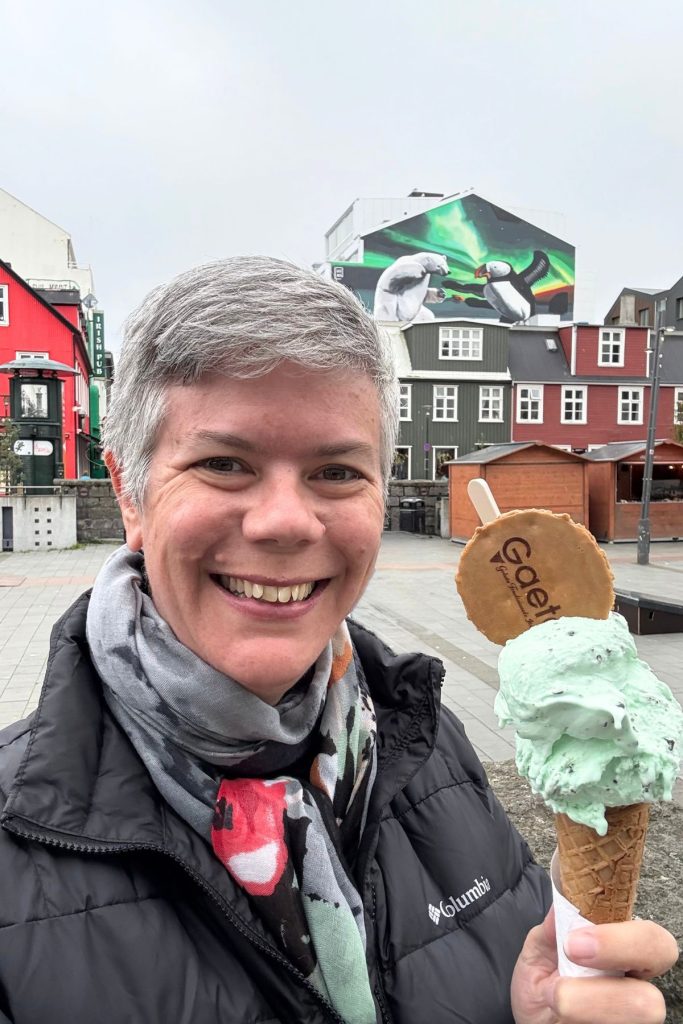
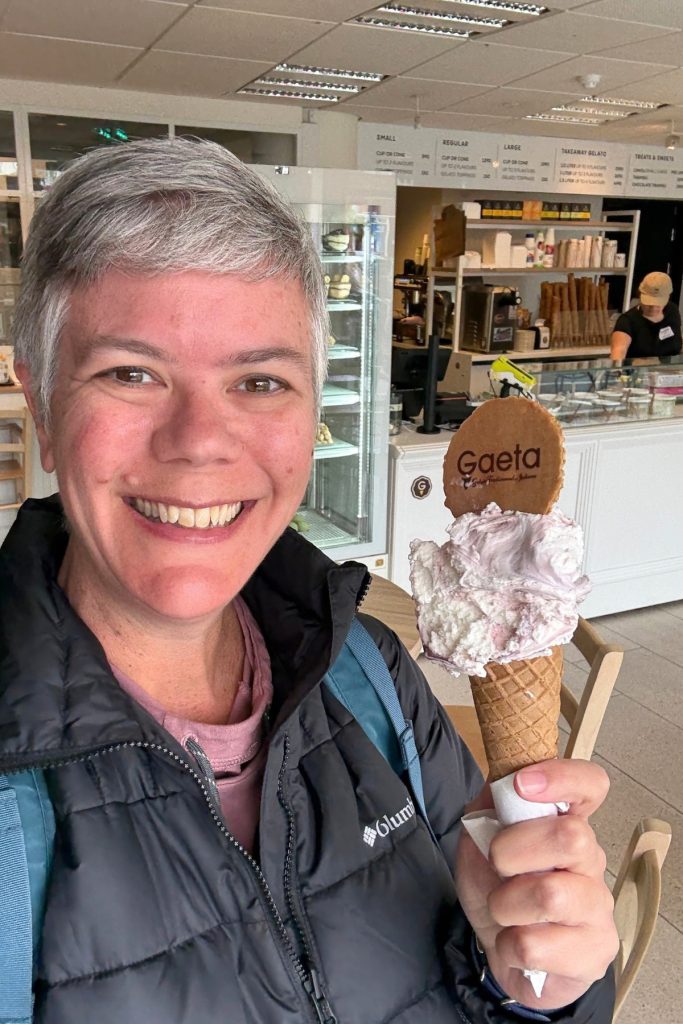
Gaeta Gelato was a few doors down from my hotel. The gelato is homemade with Icelandic milk, and the flavors change daily. I sampled several during my stay, including the mint chip pictured here.
Day 2: Museum-Hopping
Day 2 was the dreariest of my three days. It was cool and rainy. I planned indoor stops and stuck with my plan to walk to each one. The rain never got heavy, so I made out fine.
Breakfast at DEIG Donuts
I started at DEIG Donuts and ordered a creme brûlée donut and a latte. I have no complaints. The quirky shop also serves bagels, spreads, sandwiches, and bread.

Museums and a Lake Stroll
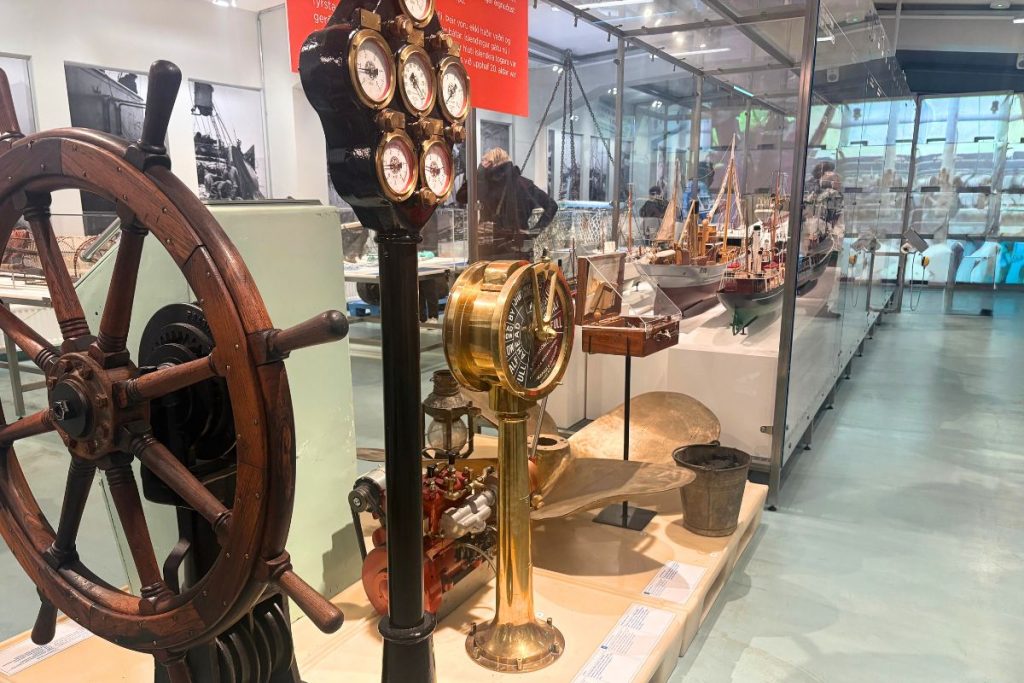
From there, I walked to the Reykjavik Maritime Museum. It covers the history of the maritime and fishing industries in Iceland. The exhibits include ship wheels, brass engine controls, and model ships. I spent quite a bit of time wandering through them.
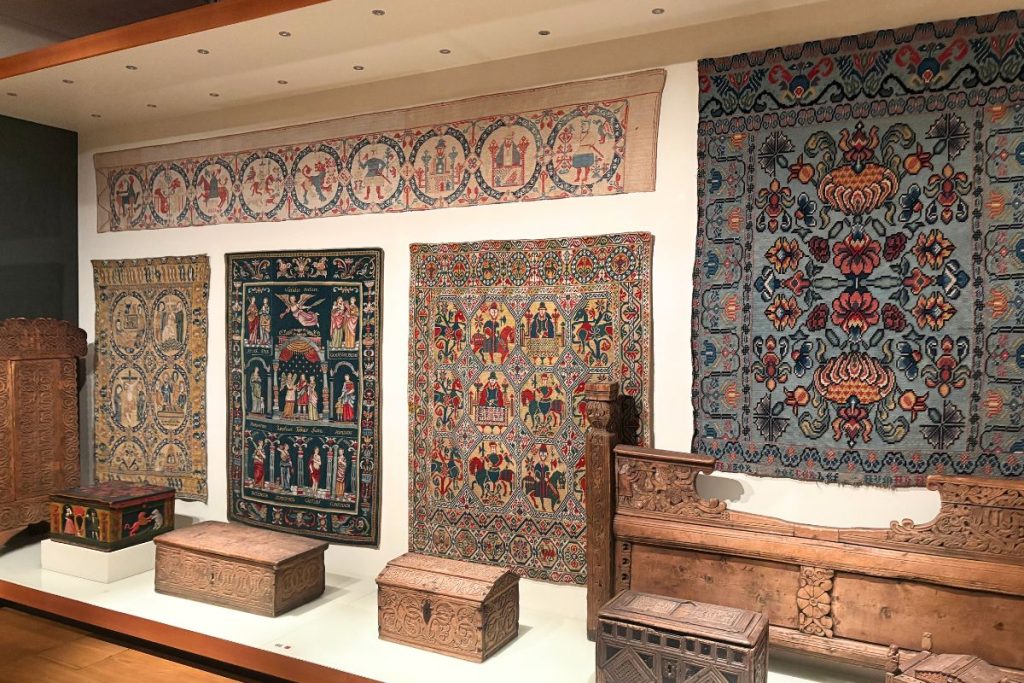
Then came a long walk to the National Museum of Iceland. Its permanent exhibition follows Icelandic history from the Viking settlers to modern day. I took my time here too. It is a good way to spend a rainy day in Reykjavik.
Afterward, I walked around Tjörnin, a small lake in central Reykjavik. A path runs along the shore. From there, I ended up back on Rainbow Street and did some shopping.
Lunch and Round Two
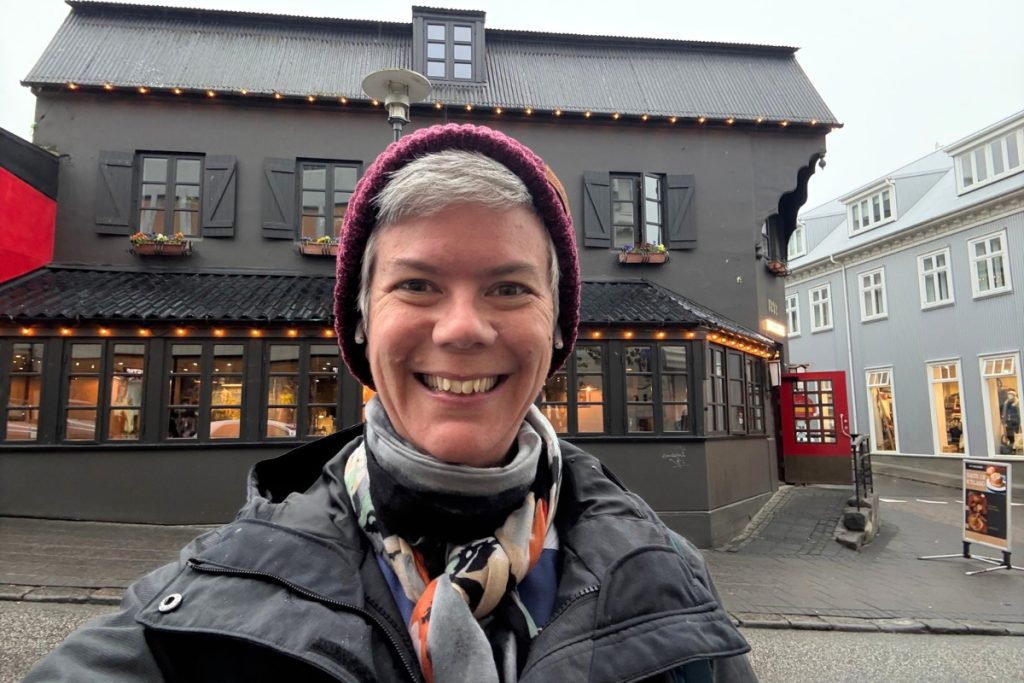
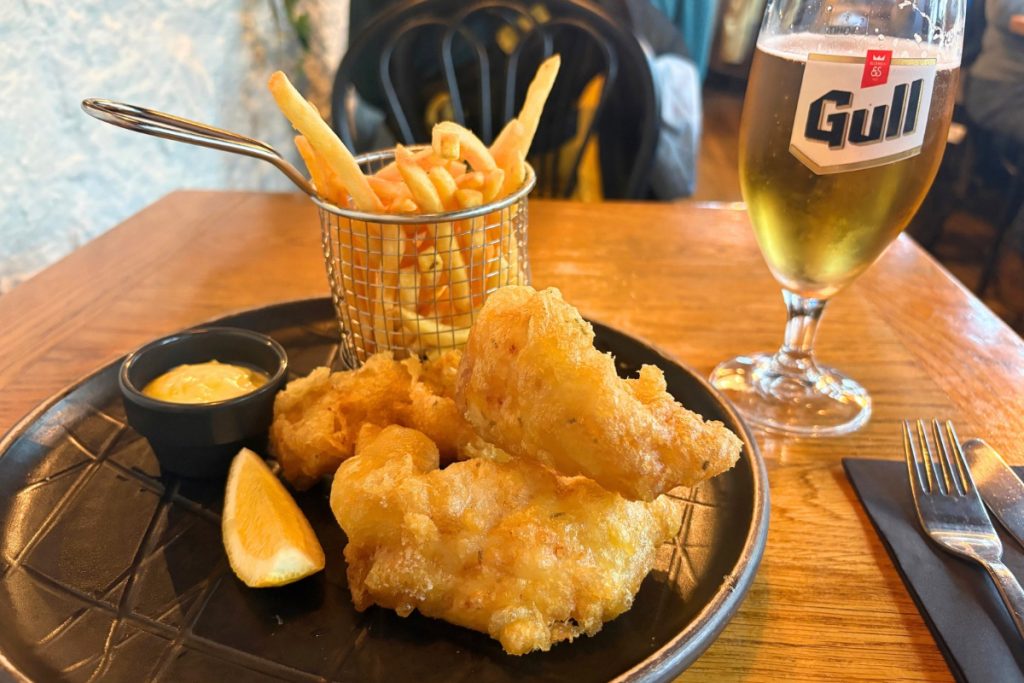
I stopped for a late lunch at 1892 Restaurant, near Rainbow Street. This time, I ordered the fish and chips, with a local beer called Gull. Then I walked back to Gaeta Gelato for more. I chose a flavor with berries.
Day 3: Out and About
By day 3, I had done plenty of walking. I decided to treat myself to a ride. I bought a ticket for the Hop On / Hop Off (HO/HO) bus and headed to Perlan. The bus runs a full loop of Reykjavik and stops at or near the highlights. It is also a solid way to get around the city, not just to reach Perlan. That goes for anyone who wants less walking than I signed up for.
Perlan
Perlan is an interactive nature museum. Its exhibitions cover glaciers, northern lights, and volcanoes. The building sits on six hot water tanks. Four still hold hot water. One holds an ice cave. The sixth is a planetarium, because why not.
The ice cave is built indoors from real snow. It runs about 100 meters (328 feet) and stays around 14°F (-10°C). Bring a coat, hat, and gloves.

Afterward, I warmed up with lunch at the restaurant on Perlan’s upper level. I ordered a Margherita pizza and sat at a window table with a view over the city. Later, I found ice cream near the gift shop. I get ice cream whenever I travel. Perlan was no exception.
Höfði House
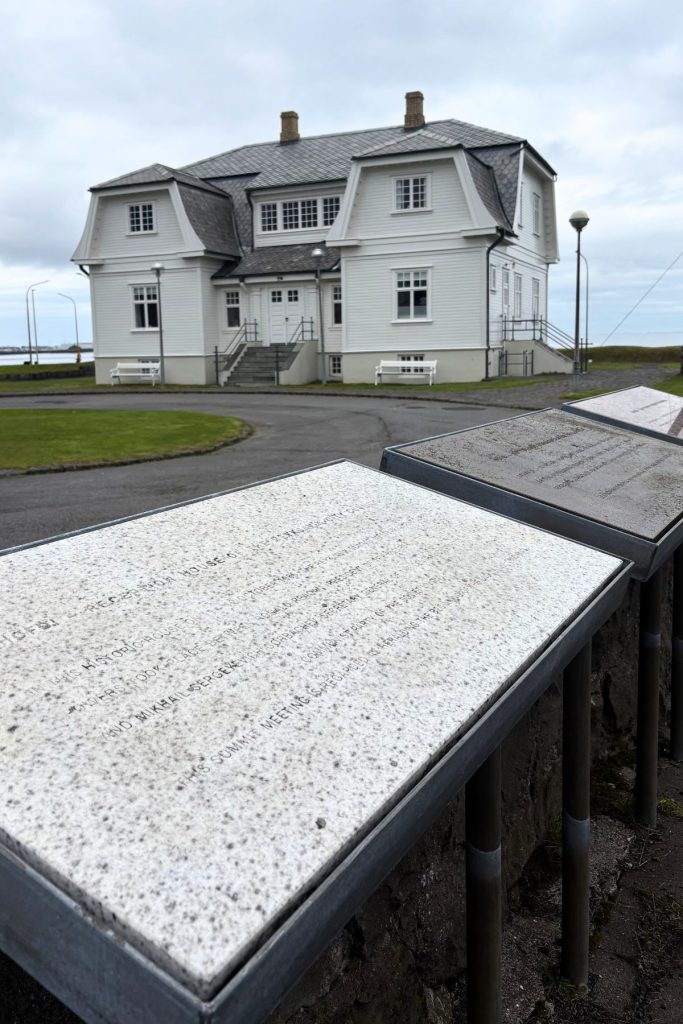
On the ride back, I got off at Höfði House. It was built in 1909. In 1986, it hosted the Reykjavik Summit between Ronald Reagan and Mikhail Gorbachev. The house is not open to the public, so I stayed outside. Plaques out front explain the summit. It was still worth a stop to see a small piece of history. From there, I walked back to my hotel.
Day Trip Options
I took a full-day guided tour of the South Coast. It was a highlight of my entire trip. My stops included four waterfalls: Gljúfrabúi, Seljalandsfoss, Kvernufoss, and Skógafoss. I also saw the Sólheimajökull glacier, the Dyrhólaey headland, and Reynisfjara black sand beach.
Gljúfrabúi is a waterfall hidden inside a canyon next to Seljalandsfoss. You walk into the canyon to see it. Expect to get wet. I did. I will cover the full tour in a separate post.

Worth the Time If You Have It
Even with three days in Reykjavik, I did not get to everything. These are the stops I would add with more time:
- The Golden Circle is a popular loop from Reykjavik. It includes Þingvellir National Park, the Geysir hot spring area, and Gullfoss waterfall. At Þingvellir, you can snorkel between tectonic plates.
- The Blue Lagoon is a famous geothermal spa, about 45 minutes from the city. Book well in advance.
- The Settlement Exhibition covers the settlement of Reykjavik, including the ruins of one of the first houses in Iceland. It is right next door to my hotel. I ran out of time and energy.
- The Nordic House is a Nordic cultural center, exhibition hall, and events venue.
Closing Thoughts
Three days in Reykjavik was enough to cover the highlights, mostly on foot. I took the elevator up a church tower. The hot dog stand saw me more often than I planned. Somewhere along the way, I found an ice cave inside a hot water tank, and I still have questions. The rain never ruined a stop, because the museums were ready when I was.
I skipped the Blue Lagoon, the Golden Circle, and the Settlement Exhibition next door. That leaves me a reason to return. Reykjavik is small, expensive, and easy to like. Pack a hat, a rain jacket, and an appetite.
Common Questions
It depends on what you want from the trip. Summer (June to August) is peak season. Daylight can reach 21 hours around the June solstice. Temperatures stay around 10 to 13°C (50 to 55°F). Expect bigger crowds and higher prices. Winter (November to February) is the prime window for the Northern Lights. Days are short, with as little as 4 hours of daylight in December. Temperatures hover around freezing. Crowds and prices are lower. The shoulder seasons (March to May and September to October) offer a good balance. The Northern Lights are still possible from September through early April. Crowds and prices sit below summer levels.
Yes. The city center is compact, and most major sights are within easy walking distance of each other. Strætó, the public bus system, is not very tourist-friendly. Service can be infrequent, and routes do not always reach the popular sights outside the center. The City Sightseeing Hop On / Hop Off bus follows one route with up to 16 stops. Buses run about every 30 minutes in summer and every 45 in winter. That makes it most useful for farther sights, like Perlan or the Laugardalur thermal pools. Walk within the city center. Taxis and rideshares are available but can be very expensive. To explore beyond the city, rent a car or book a tour.
Yes. Reykjavik is notoriously one of the most expensive cities in the world. A few tips help. Many sights are free, including the church interior at Hallgrímskirkja, free walking tours, and outdoor art. The Reykjavik City Card covers many museums, the thermal pools, and unlimited Strætó rides. The 24-hour card costs around $45 to $50. Drink the tap water. It is some of the cleanest in the world, and it tastes good.
Keep Wandering
Tórshavn to Gásadalur: A Day on Vágar Island