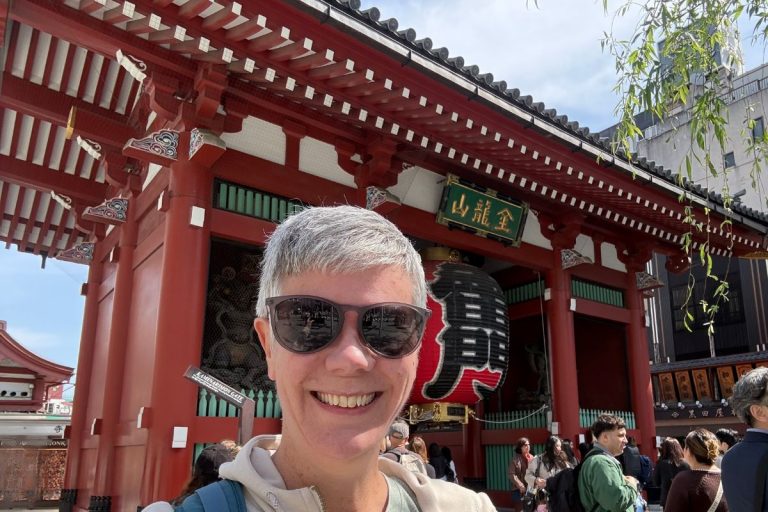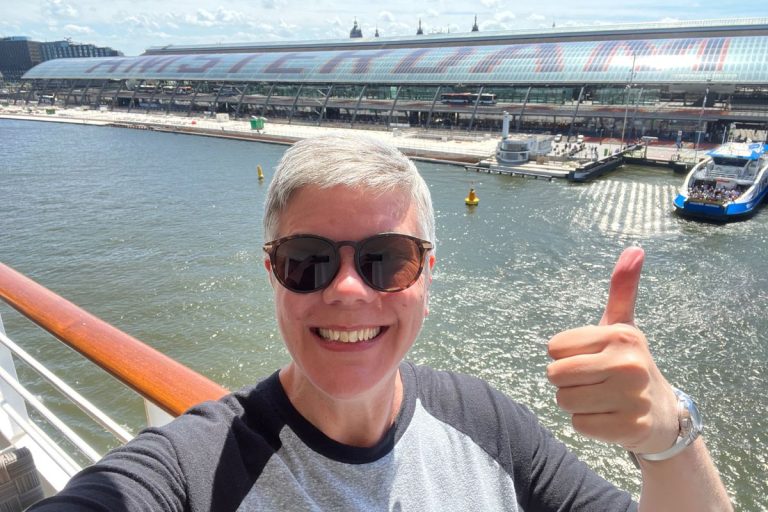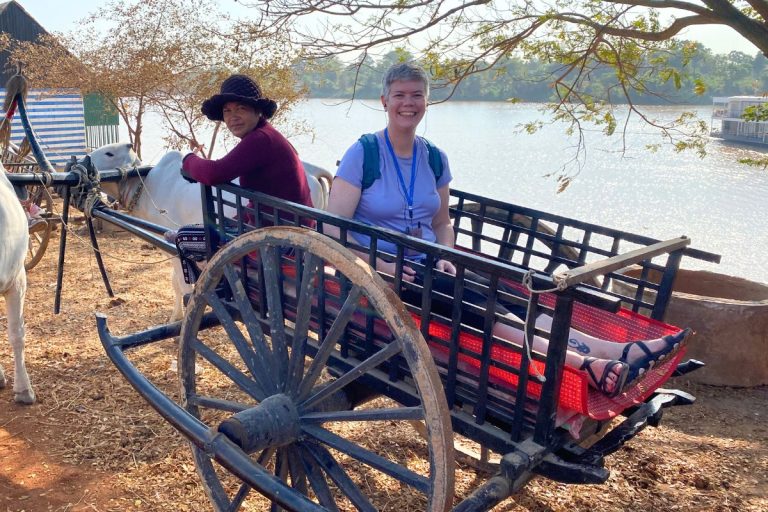
Crafting an Effective Travel Itinerary
With so many choices of things to see and do in any given city, putting an effective itinerary together can be tricky. Picking the perfect things to do within the time you have there can be a daunting task. Considering a few key things can help make putting a travel itinerary together easy and stress-free.
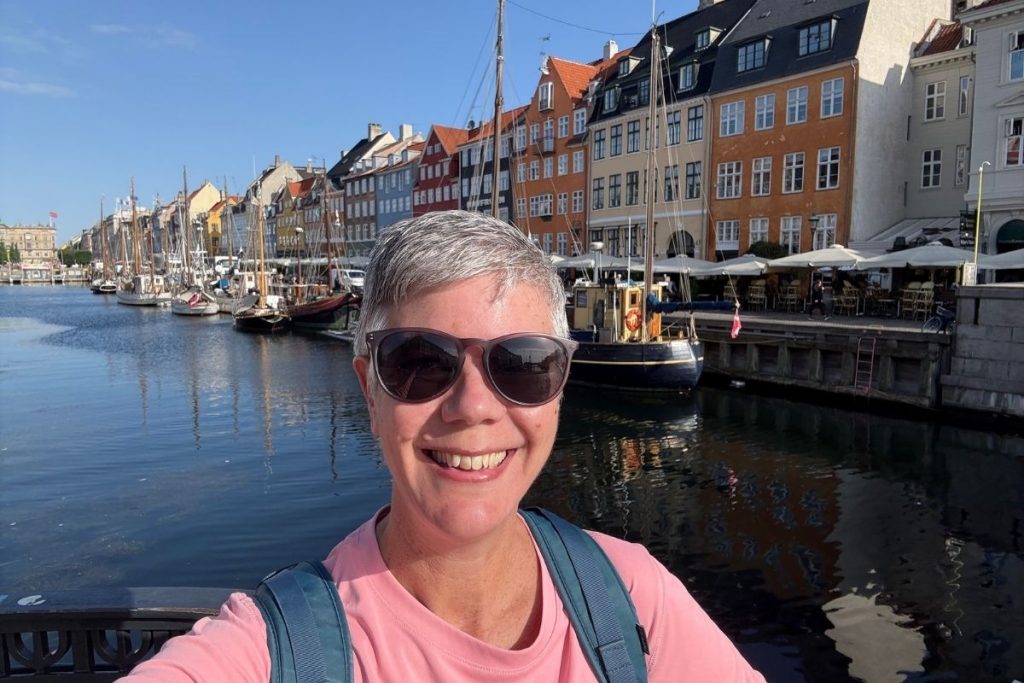
You have decided on a place to visit – hooray! But now what? How do you put an itinerary together that allows you to see the sites you want to see within the amount of time you will be there, without either missing something crucial or exhausting yourself? Throughout my many years of solo travel, I have learned some key tricks along the way to ensure I am getting the biggest bang for my buck in any city I visit.
Making the Most of Your Time in a City
Even the best laid plans can go awry quickly, so an effective itinerary is one with a good mix of structure and flexibility. I always tackle each trip with the same mindset: I have a general outline of things I want to see and do, with an understanding of which ones are my must sees and which ones are more optional, nice-to-have.
Start with a large list of things that look interesting to you. From here, map everything out (Google Maps is my go-to app, but any mapping app will do) to see which items can be grouped by location to reduce the amount of transportation time.
Once you have your prioritized list grouped by location, you can start to plug things into your plan. Consider how much time you plan to spend in each location, along with the amount of time it will take you to get to each location. If there are known variables on any places, for example an outdoor activity that may get delayed or cancelled for bad weather, go ahead and list some options that can be slotted in at the last minute instead.
Popular Spots
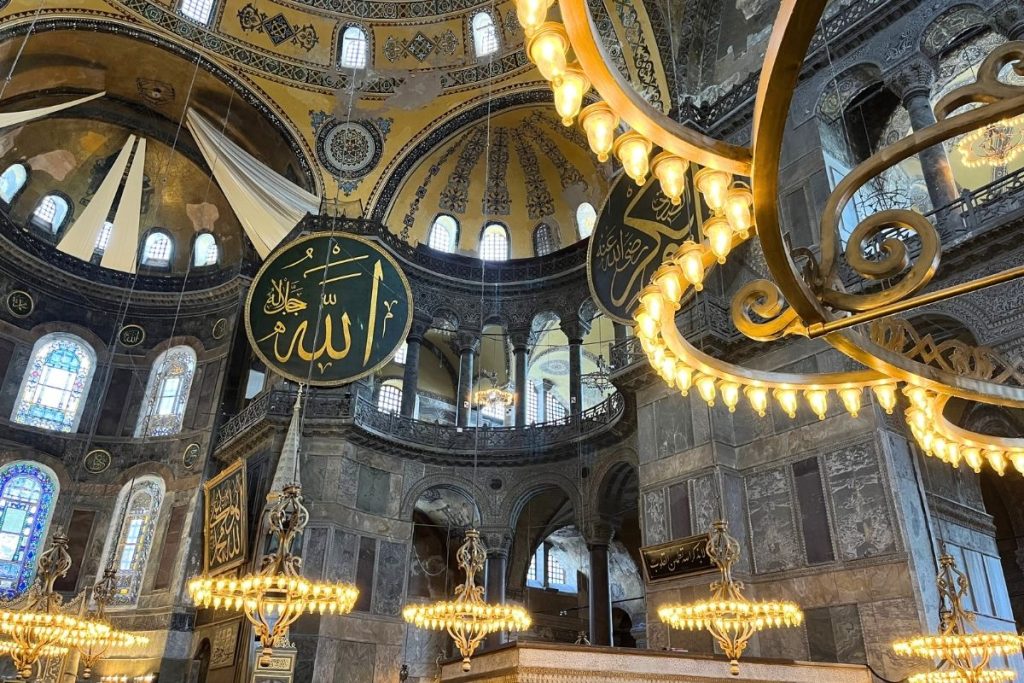
A great way to start a list of things to see and do is to search for popular spots in that location. I like to use a combination of reading hard copy books (yes, they actually still make those!) and searching websites and social media. Quick searches like, “best things to do in <city>” or “best 3 day itinerary for <city>” will get you a good starting list. Go through several sources to find some popular spots. Take note of which ones interest you, and also identify any that do not interest you at all so you can exclude them.
- Start identifying the popular things to see and do
- Determine which ones interest you
- Understand that some spots that are popular with others may not be right for you – focus on the things you want to see and do, not just what others have seen and done
Under the Radar Gems
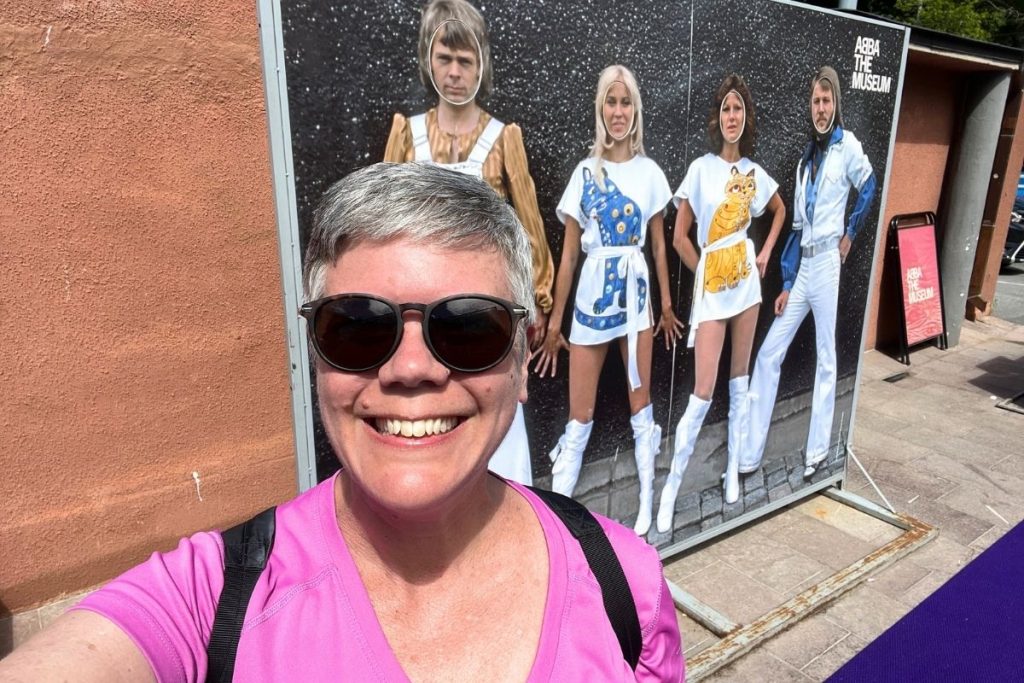
While searching for the popular things to see and do in a location, you will also start to see some of the hidden gems get identified. These may be a bit harder to find, but you may start to see a few ‘one-off’ mentions on one or two sites that are not mentioned consistently across the others. Take note of anything interesting here as well, so you can come back and dig further into them later. If you have a specific interest, be sure to search for that as well. I love to find hands-on classes or foodie tours when I travel, so I always search for these specific things in the city I am heading to.
- Identify any hidden gems that sound interesting to you
- Search for things that match your specific interests
- Look for things off the beaten path that you would love to see or do – these are often less crowded and less expensive than the most popular tourist spots in a city
Location and Transportation
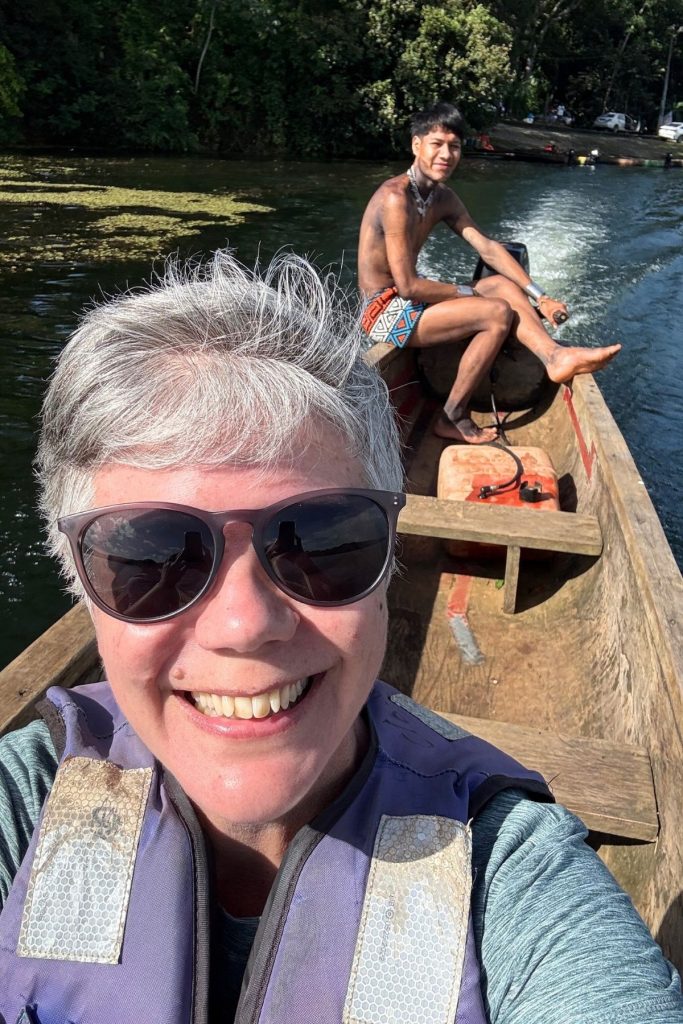
Once you have a general list of popular spots and hidden gems, start mapping them out to get a better feel for where things are located. If you have already booked your hotel, use that as your starting point. If not, go ahead and map everything else out to see if there is a particular area that would be better to find a hotel.
When mapping things out, start grouping things that are close together – this will start to build out the order of things to do and a general game plan for how to get from place to place. If everything is centrally located and close together, a self-guided walking tour may be best. However, if some things are further away, this may mean you have to consider transportation, either public or private.
- Start grouping places that are close to each other to understand the best order to visit everything or the best way to split groups of places up across multiple days
- Determine the best way to get from place to place – are they close enough to walk, or will you need to use some public or private transportation? Can you do a combination of walking and transportation?
Prioritize and Finalize Your Itinerary
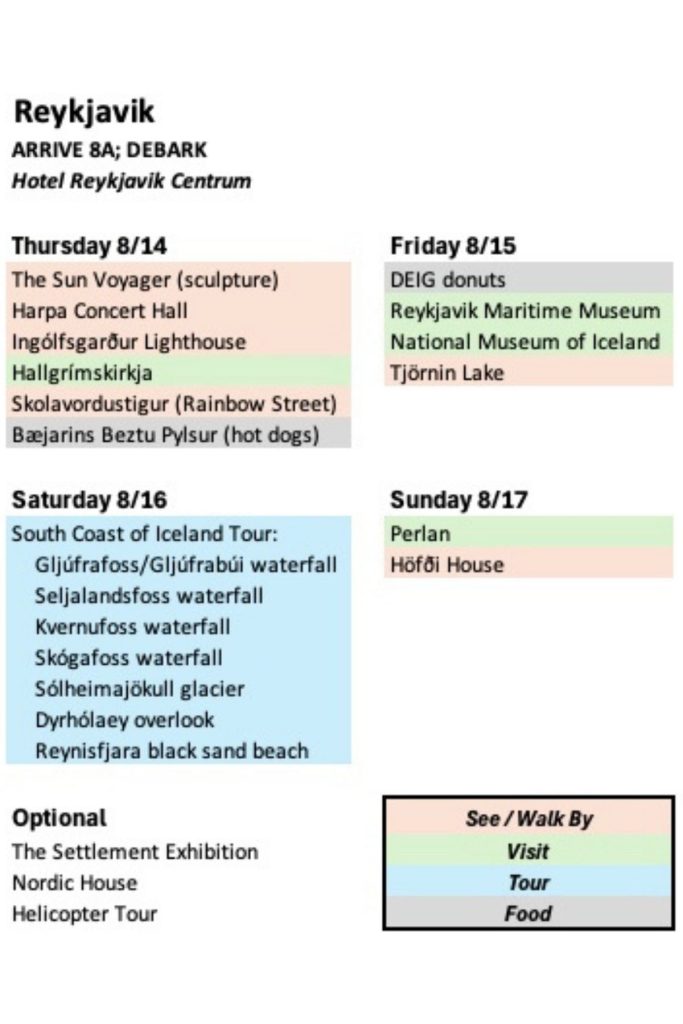
Then, rank each item with a tried-and-true prioritization method I have used for years as a project manager, called the MoSCoW (or MSCW) method. This method prioritizes items into four categories, so you can focus on the highest priority items (M and S) and deprioritize and/or move the lowest priority items (C and W):
- Must have: things you definitely want to do
- Should have: things you really want to do
- Could have: things that would be nice to do, if time, location, and/or cost allows
- Won’t have: things you cannot do for whatever reason (too far away, too expensive, not enough time, etc)
Once you have your list grouped by location and by priority, you can put it into your final itinerary.
Tour Guides and Groups
If the thought of planning and executing a detailed itinerary feels too daunting to you, consider using tour guides or tour groups. These are fantastic ways to explore a new city without having to put a lot of time or effort into planning it. Group tours will have set itineraries, typically an overview of the city’s popular spots. Private or small group guides give you more flexibility, allowing you to provide feedback on what you want to see (and what you don’t want to see!). The costs of tour guides and groups will vary, so understanding what your budget is will help determine what sort of guide or group makes the most sense for you.
- Consider using tour guides or groups for some or all of your itinerary
- There are many different kinds of tours available, from overview tours of the city’s highlights to in-depth exploration of specific things of interest by subject and everything in between
- Guided tours or groups also offer wonderful hands-on experiences, such as foodie tours, painting classes, or biking tours
Common Questions
How can you ensure you have time for everything you want to do?
Crafting an effective itinerary can be an art form. But if you do some research to understand how long people typically spend at places and how long it takes to get from one place to another, you can start putting the pieces together to build out a detailed itinerary. It’s also important to truly prioritize your items, to ensure you definitely get to your must-see places.
How rigid does my itinerary need to be?
How detailed or general your itinerary is will absolutely depend on you. If you are a person who is comfortable with structure and needs every minute accounted for, you can build your itinerary out to accommodate this. But if you are more of a ‘fly by the seat of your pants’ sort of traveler, a more general list of things you want to see and do may be appropriate. Think about what you need to feel comfortable and go from there.
What do you do when something changes your itinerary?
Things can certainly happen to alter a well-planned itinerary – from bad weather cancelling an outdoor event to unexpectedly long lines at an attraction. This is where your prioritization list comes in handy…if the affected item is a must-see thing in your agenda, you can investigate options for a Plan B (for example, can you come back another day or time?). But if it’s a lower priority item, perhaps it’s best to simply skip it altogether and move on to the next wonderful adventure on the list. Flexibility and patience are the two things I will ALWAYS bring with me on every trip I take!
Do you recommend buying tickets ahead of time?
Another key factor in building out an itinerary is to consider if any places require tickets and, if so, if pre-purchase tickets are available and recommended. Many popular locations, such as the Anne Frank House in Amsterdam or Basilica San Marco in Venice, require or highly recommend tickets be purchased in advance. If you do not pre-purchase a ticket, you may not be able to get in at all or you may need to wait in extremely long lines. Doing a little homework ahead of time will save you time and aggravation on your trip, and help keep your itinerary intact.
Even More Travel Ideas
Four Things to Consider when Choosing a Hotel