Two Days, Three Gaudí Buildings: A Pre-Cruise Barcelona Stay
I booked two days in Barcelona before my cruise with a loose plan: see some Gaudí buildings, catch a flamenco show, wander a bit. Day one turned into a Gaudí double feature: Casa Batlló in the morning, Casa Milà in the afternoon, then a rainy solo wander to close things out. Day two was reserved for the big one: Sagrada Família, including the climb up the Passion Tower. Here’s what two days of pre-cruise Gaudí obsession actually looks like, rain and all.
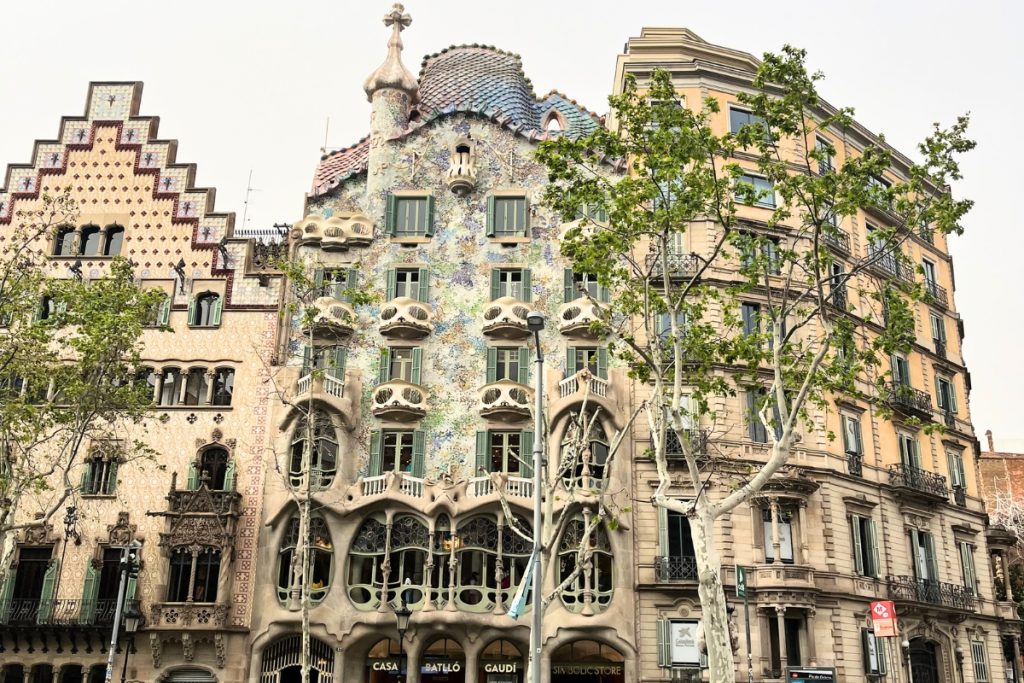
This isn’t a Barcelona highlights post. It’s a close look at three Gaudí buildings, how long to spend at each, which add-ons are worth booking ahead, and where a rainy afternoon (and a poorly timed nap) fit into a two-day pre-cruise stay. I’ll also point you toward a few things I didn’t get to, in case you’ve got more time than I did. If you’re trying to decide whether Gaudí deserves two full days or whether you can get away with less, this should settle it.
Prefer to watch instead of read? Watch the video →
Barcelona’s Gaudí Buildings: The Trail, Building by Building
Casa Batlló and Casa Milà sit close enough to walk between on Passeig de Gràcia, while Sagrada Família stands apart, both literally and in scale. Each one shows a different side of Gaudí’s decades-long reshaping of this city: a private home, an apartment building, and an unfinished basilica. Here’s how the two days broke down, building by building.
Casa Batlló: The Interior Is the Real Show
Casa Batlló gets talked about for its rooftop, all curved chimneys and that dragon-back spine along the top. The rooftop earns the hype. But the interior is where I spent most of my time, and it’s the part that actually stuck with me. Gaudí didn’t do straight lines if he could help it, and the inside of this building proves it. Walls curve. Ceilings ripple like water. Light comes through blue and green glass and pools on the floor in a way that photos don’t capture, no matter how many times I tried.
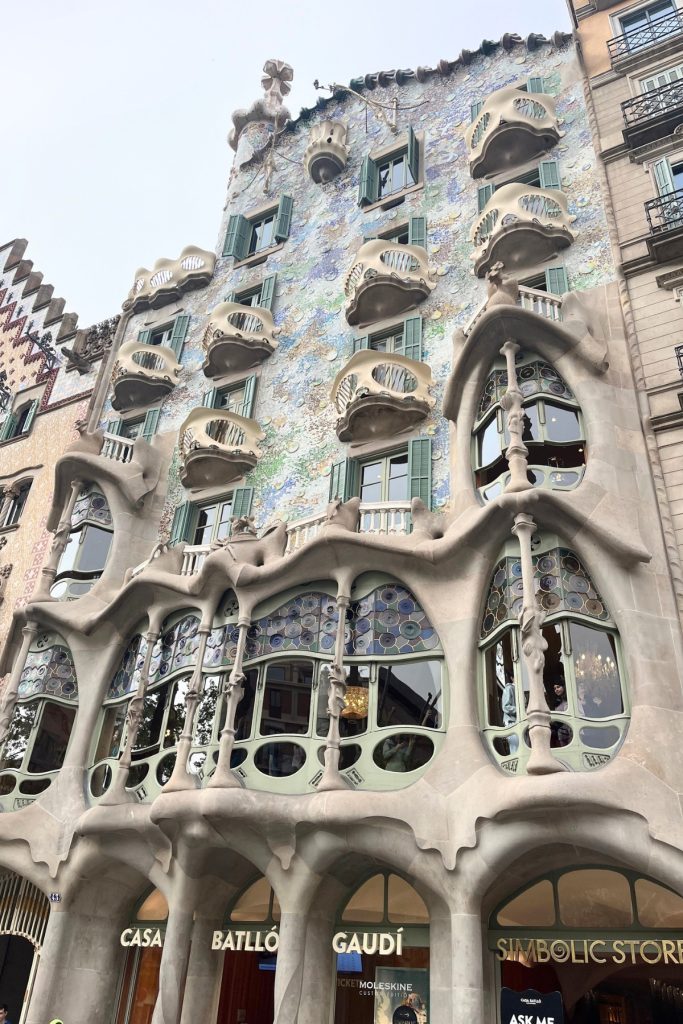
One part of the interior worth planning for is the Noble Floor, the Batlló family’s actual living space, preserved room by room. It’s worth double-checking what your ticket includes before you go, since not every tier gives you full access to it, and it’s the kind of room you don’t want to accidentally skip.
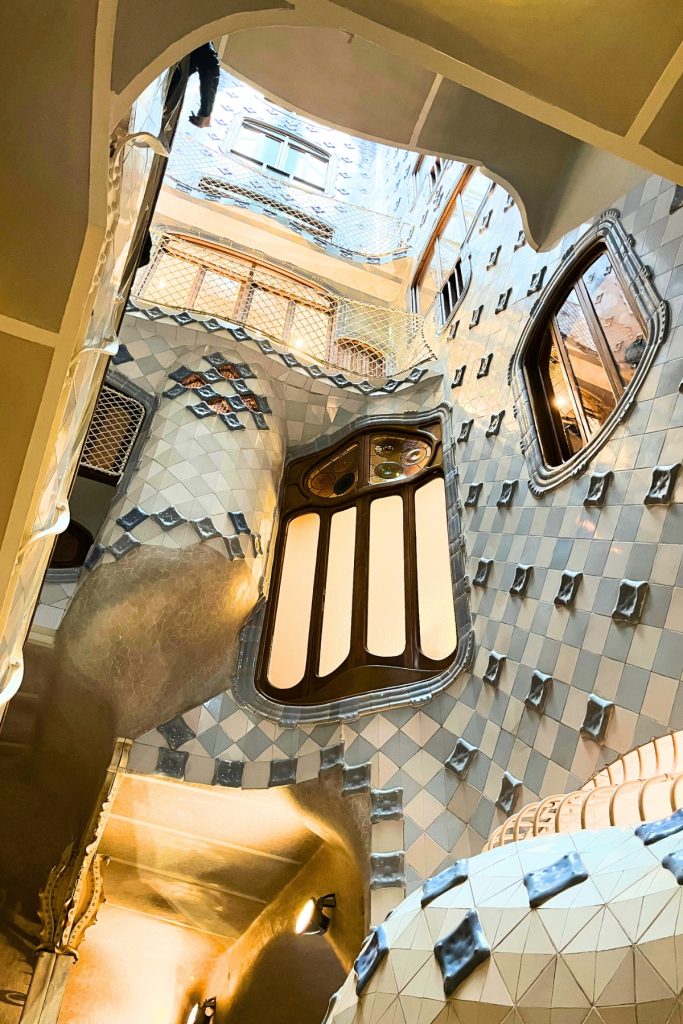
I booked the skip-the-line ticket with the audio guide, which meant walking straight past the entrance line and starting the self-paced route immediately. Worth every euro. The audio guide slows you down in the right spots, the ones you’d otherwise walk through in thirty seconds without knowing what you almost missed. Interior and rooftop together took about an hour and a half. I could have stretched it to two without getting bored.
Casa Milà: Two and a Half Hours, and I Still Wanted More
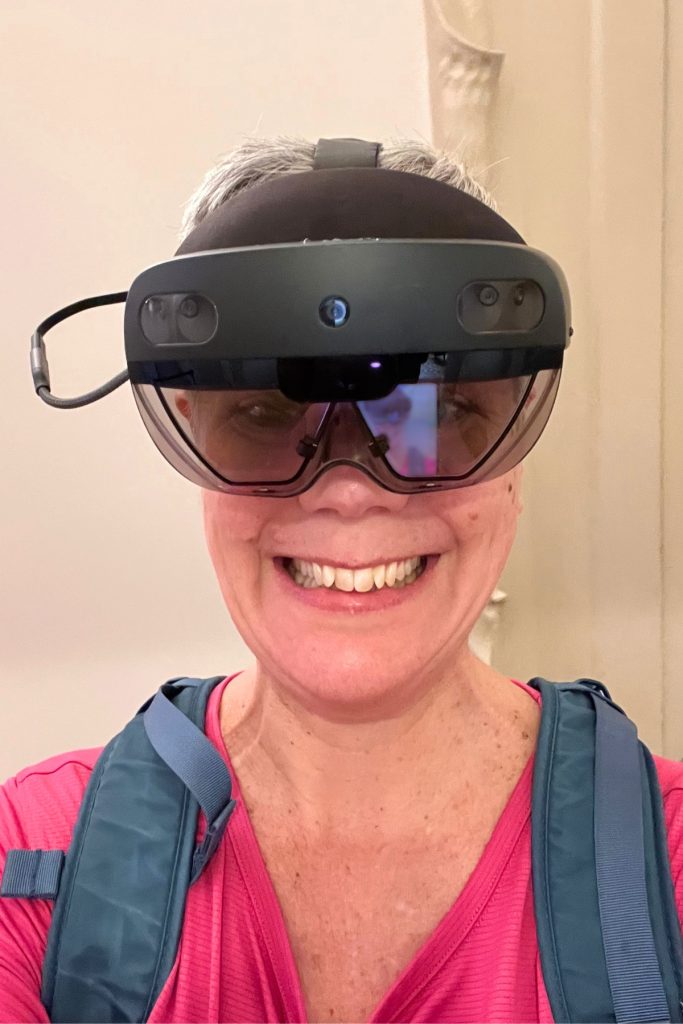
My ticket to Casa Milà, also called La Pedrera, included the Virtual Experience, a walk-through that sets up the building’s history and the families who lived there. It runs before you step into the real apartment. Worth the extra cost. It gave the rooms I toured next a story to attach to, instead of just empty rooms.
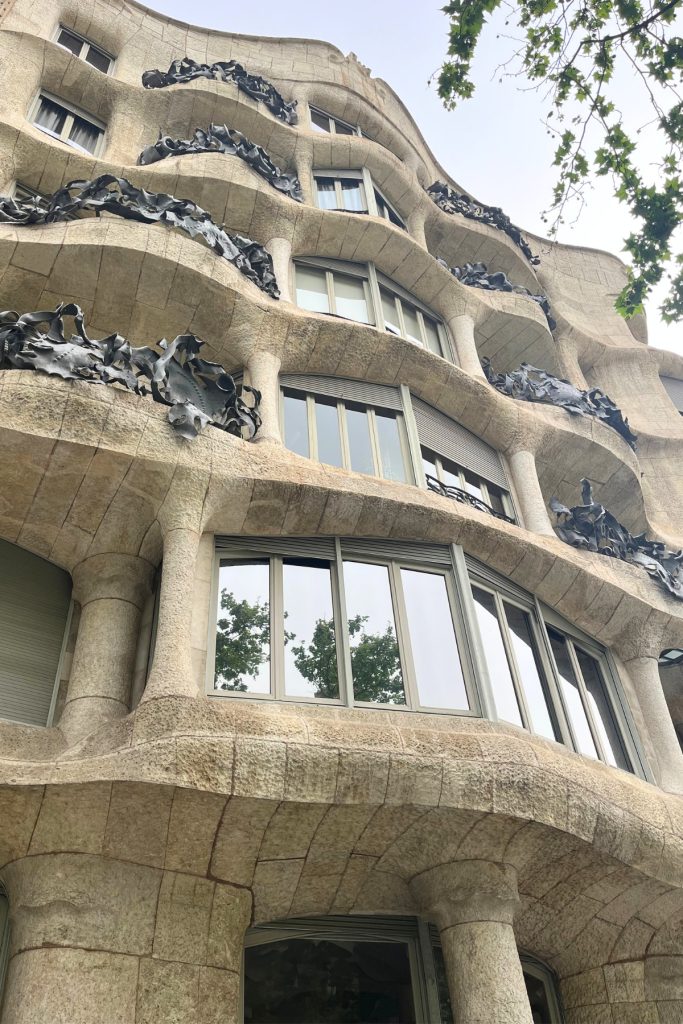
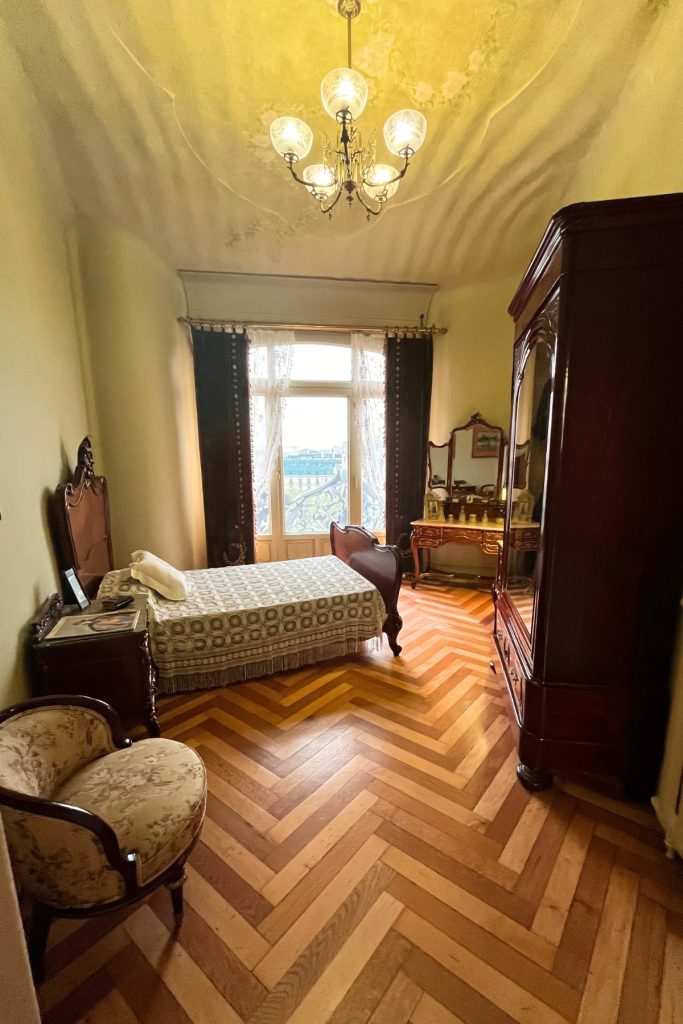
The apartment itself is one of many preserved in the building. It’s fully furnished in period decor, and it’s the kind of detail that’s easy to skip past in favor of the more photogenic rooftop. Don’t. This building housed regular Barcelona families, not royalty or celebrities. Walking through a home staged with the original furniture, down to the vanity tables and the wardrobes, drives that home. I caught myself thinking how genuinely cool it would be to live in a Gaudí building. Curved walls, wavy ceilings, and all.
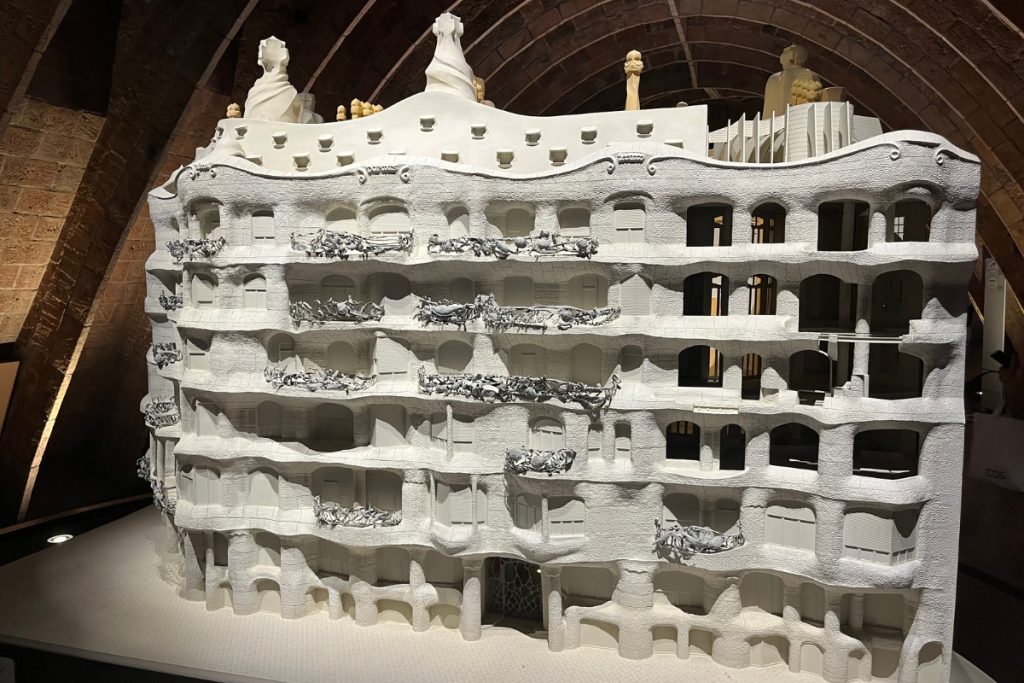
The attic came next. Curved brick arches line up in a row like the ribcage of something enormous, which is close to the point since Gaudí designed the space to evoke exactly that. This is also where the building’s large cutaway model lives, a full cross-section showing every floor, staircase, and chimney at once. It’s the best way to actually understand how the structure fits together. Something that’s hard to grasp room by room when you’re inside it.
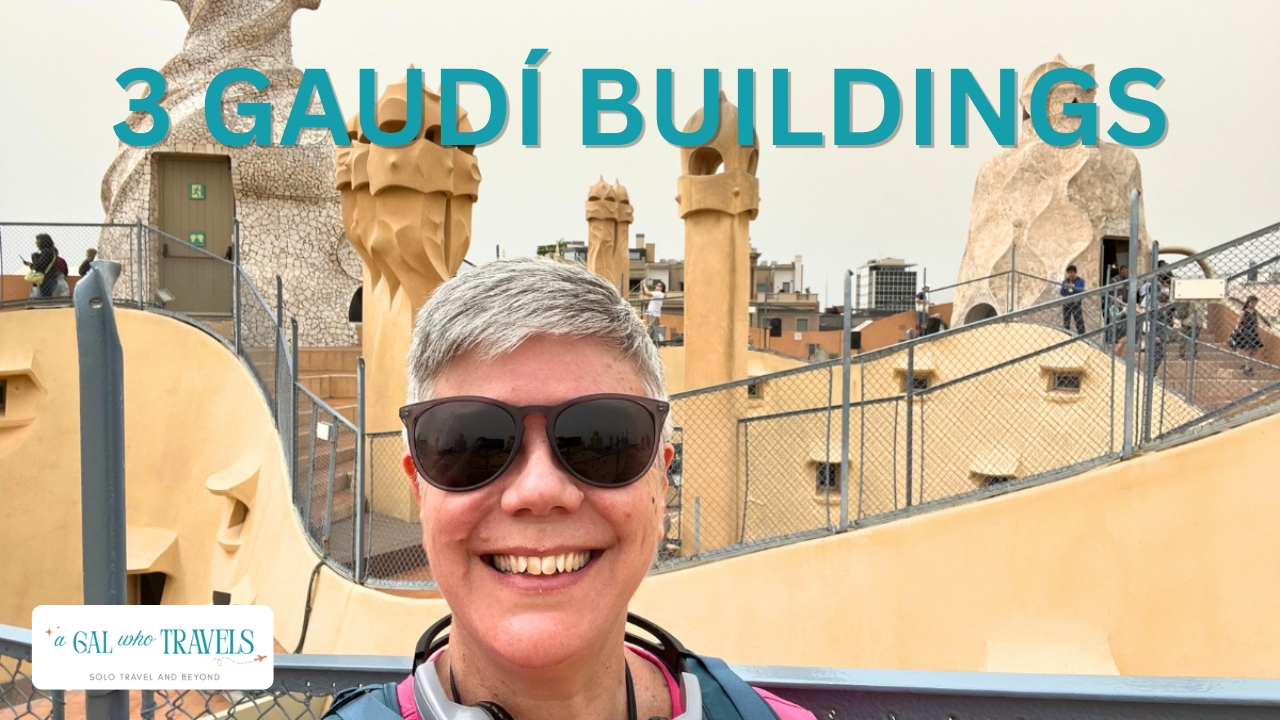
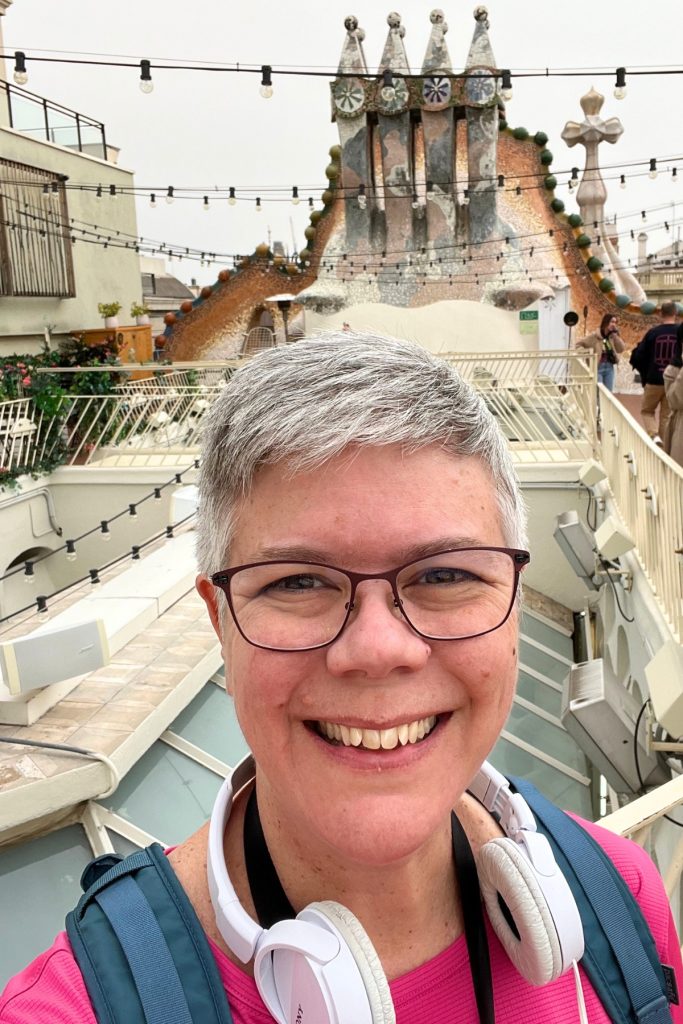
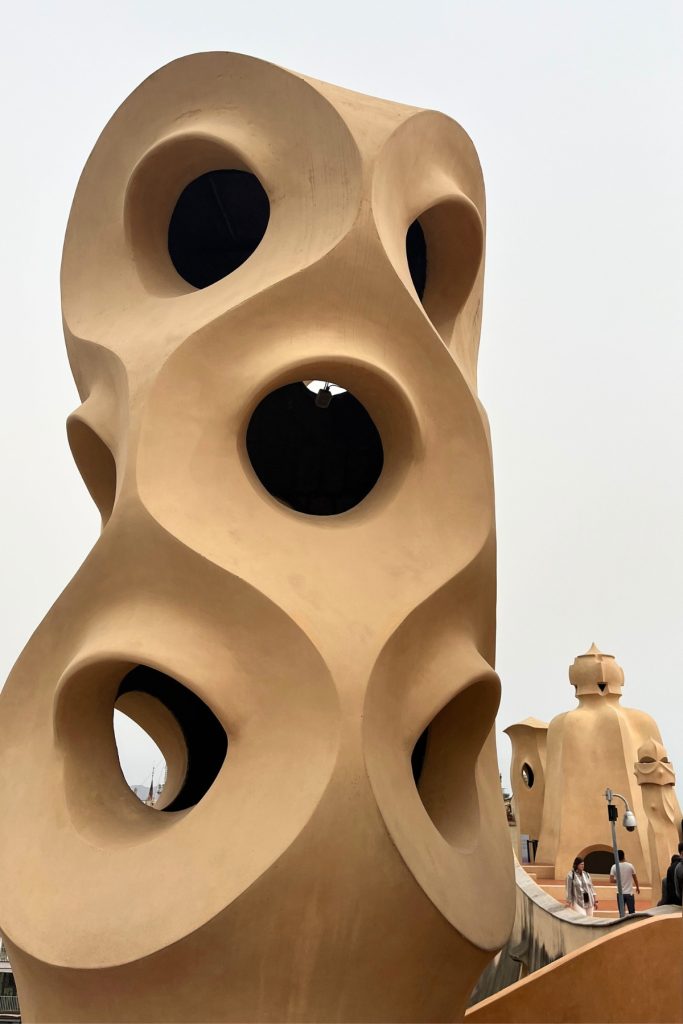
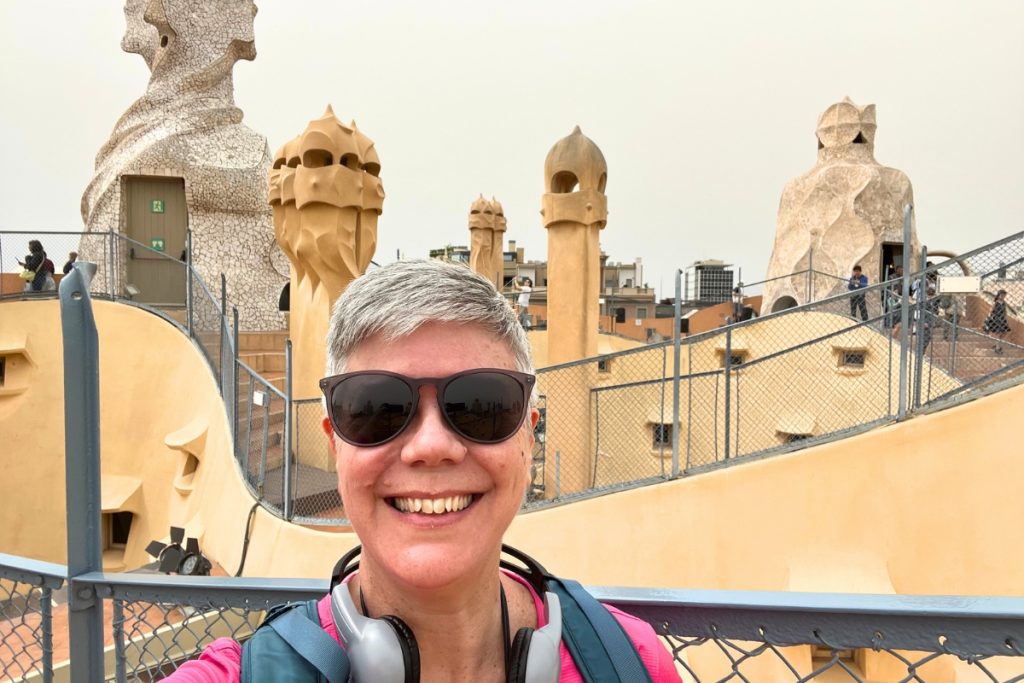
Then the rooftop, and this is the part that stole the show. Gaudí’s chimneys twist and rise across the terrace like sculpture, not building infrastructure. More than a few of them look like helmeted figures standing guard. It’s not just me making that connection. La Pedrera’s rooftop is nicknamed the Terrace of Warriors. There’s a long-running rumor that George Lucas visited and walked away with the blueprint for stormtrooper helmets. Nobody at Lucasfilm has ever confirmed it. Standing up there, I believe it anyway.
I bought my ticket online in advance, standard admission with the audio guide plus the Virtual Experience add-on. That skipped what looked like a long line at the box office. Between the virtual experience, apartment, attic, and rooftop, I spent about two and a half hours here. I could have stayed longer.
A Rainy Wander, and a Nap That Cost Me a Flamenco Show
Day one wasn’t over after Casa Milà. My hotel was back near the Gothic Quarter, so instead of grabbing a cab, I walked. Rain had started by then, light but steady, and I let myself stray off the direct route a few times along the way. Not a plan so much as a willingness to see what was down a side street if it looked interesting.
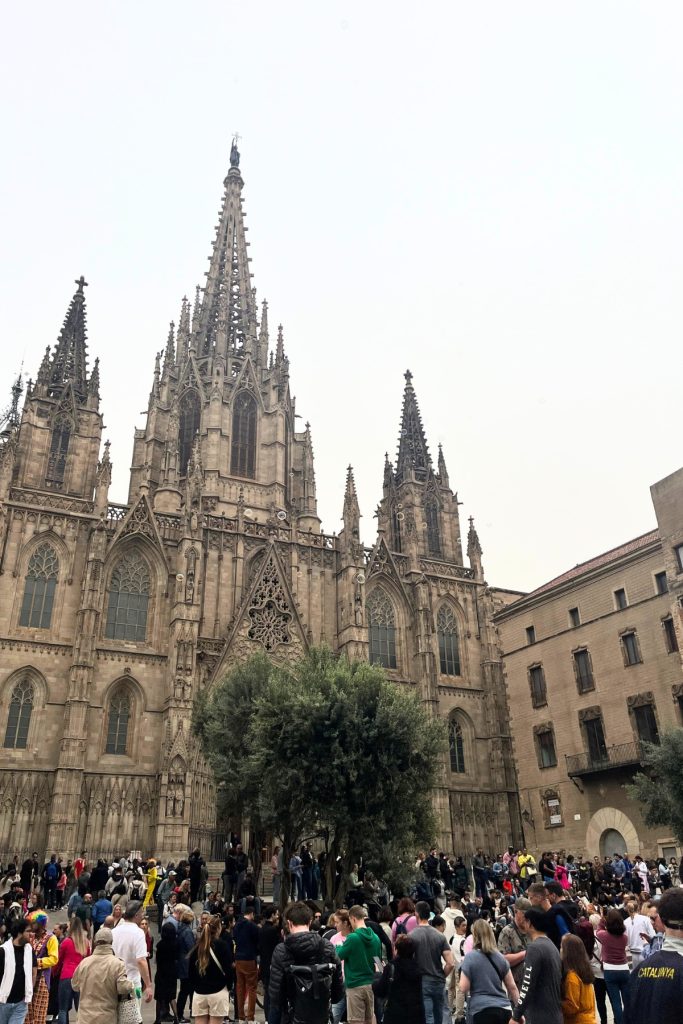
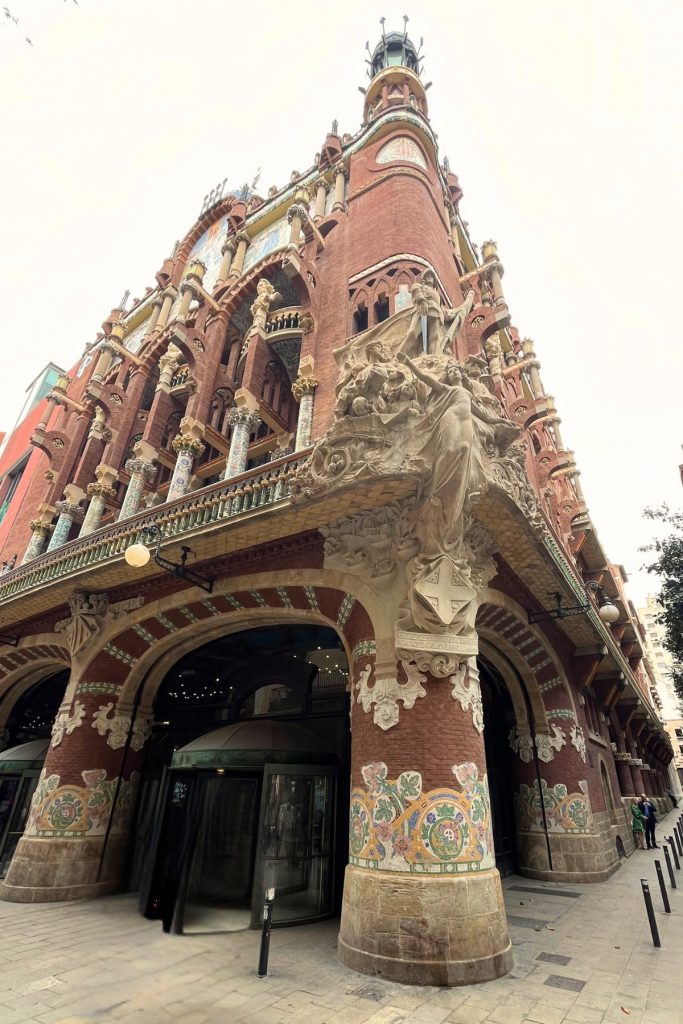
The route took me past the grand Eixample buildings first, then into the older, narrower streets near the Cathedral, its spires disappearing into the gray. I passed the Palau de la Música Catalana, its mosaic-covered facade catching what little light there was, and wound through the Gothic Quarter’s alleys before finally reaching the hotel. It’s a different kind of Barcelona than the wide boulevards around Casa Batlló and Casa Milà. Older. Narrower. Quieter, even with tourists still filling the squares.
By the time I got back to the hotel, the walk and the Gaudí double feature had caught up with me. I laid down to rest before my flamenco tickets that evening. I fell asleep in the late afternoon and didn’t wake up until the show was long over. Tickets, gone. No flamenco. Just a very deep, very well-earned nap, and a story I still can’t tell without laughing at myself.
Sagrada Família: Saving the Best for Day Two
Day two started with the big one. Sagrada Família has been under construction since 1882, and it still is. Cranes rise between the spires. Scaffolding wraps sections of the facade. Nobody pretends otherwise, and somehow that makes it more impressive, not less. You’re not looking at a finished monument. You’re looking at one still being built, over a century in.
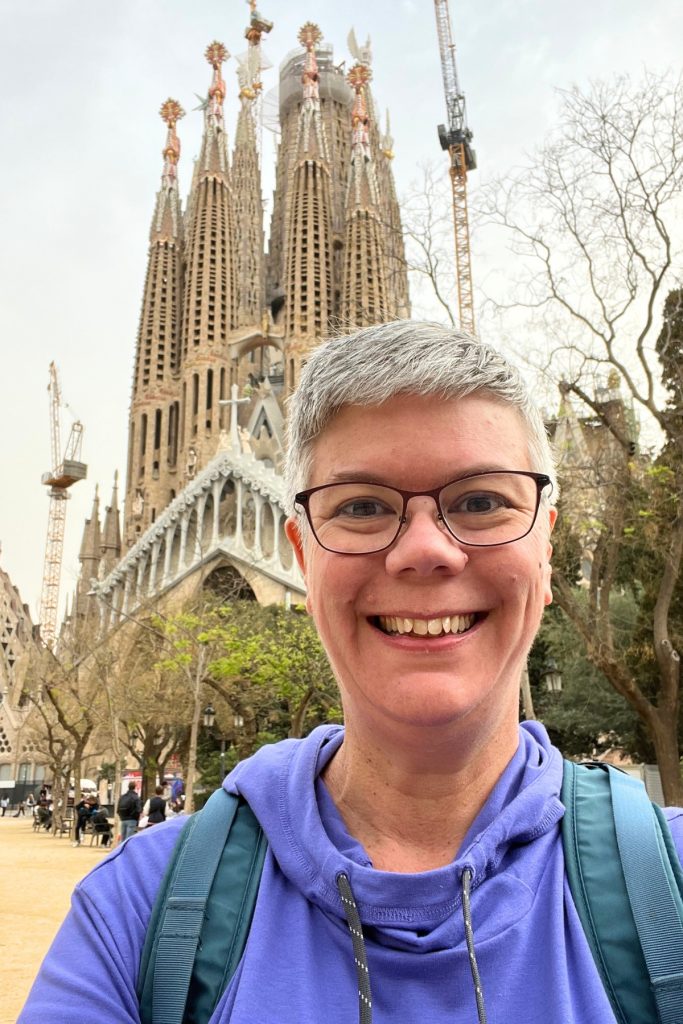
The exterior alone took time to take in. I stood under the Passion Facade, all stark angles and sorrowful figures, a deliberate contrast to the softer Nativity side. I toured the interior with a guide, and it’s a good call if you can swing it. The guide walked through why the stained glass looks the way it does, and it’s not decoration. The Nativity side faces east and catches the morning sun, so Gaudí colored that glass in blues and greens, dawn colors, meant to evoke birth. The Passion side faces west and catches the afternoon light, so that glass runs red, orange, and gold, dusk colors, meant to evoke sacrifice and death.
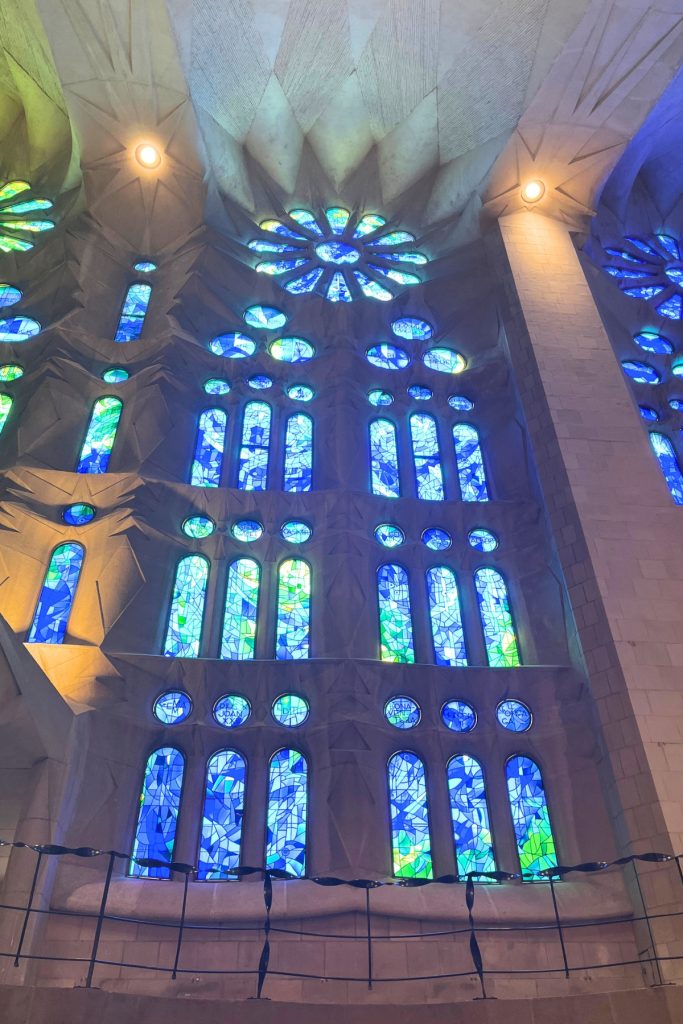
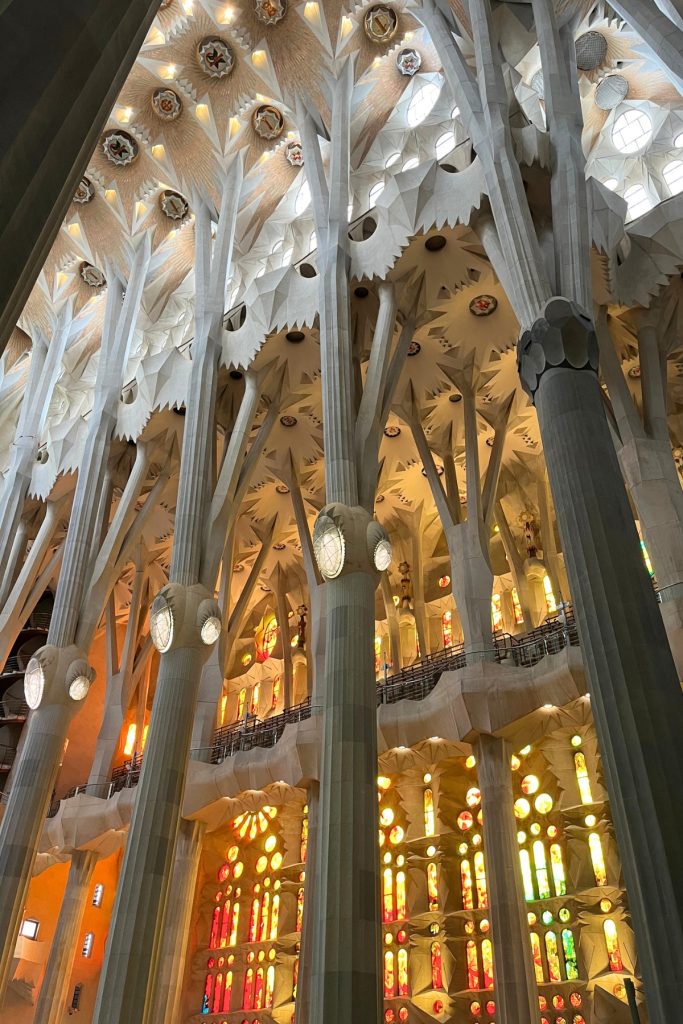
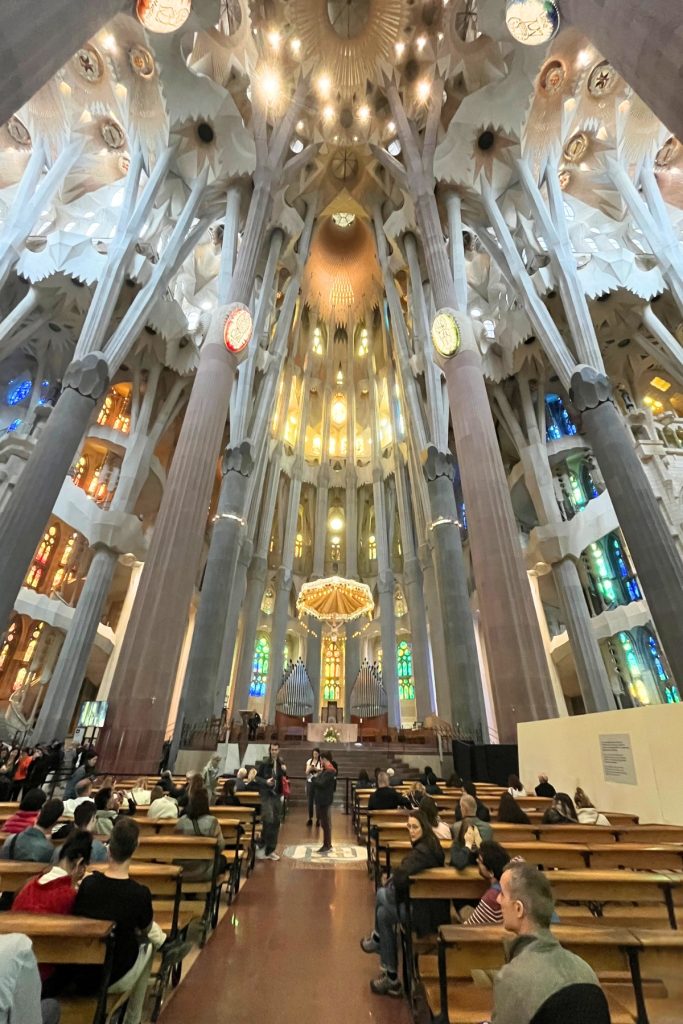
Stand in the nave long enough and the whole building shifts mood with the sun, cool and quiet in the morning, warm and dramatic by afternoon. Gaudí built an entire life cycle into the architecture, and you can feel it without knowing a word of the symbolism.
The Passion Tower climb was on my own afterward, no guide, and it was worth every extra euro. There are two towers you can add to your ticket, Nativity or Passion, and I went with Passion to match the facade I’d already spent time with. An elevator takes you up, so the climb is really a descent: narrow spiral stairs winding down through the tower, tight enough that you’re grateful for the one-way flow. What you get in return is proximity. The mosaic-covered spires, the carved figures, the sheer texture of the stonework, all close enough to touch, details most visitors only ever see from the ground.
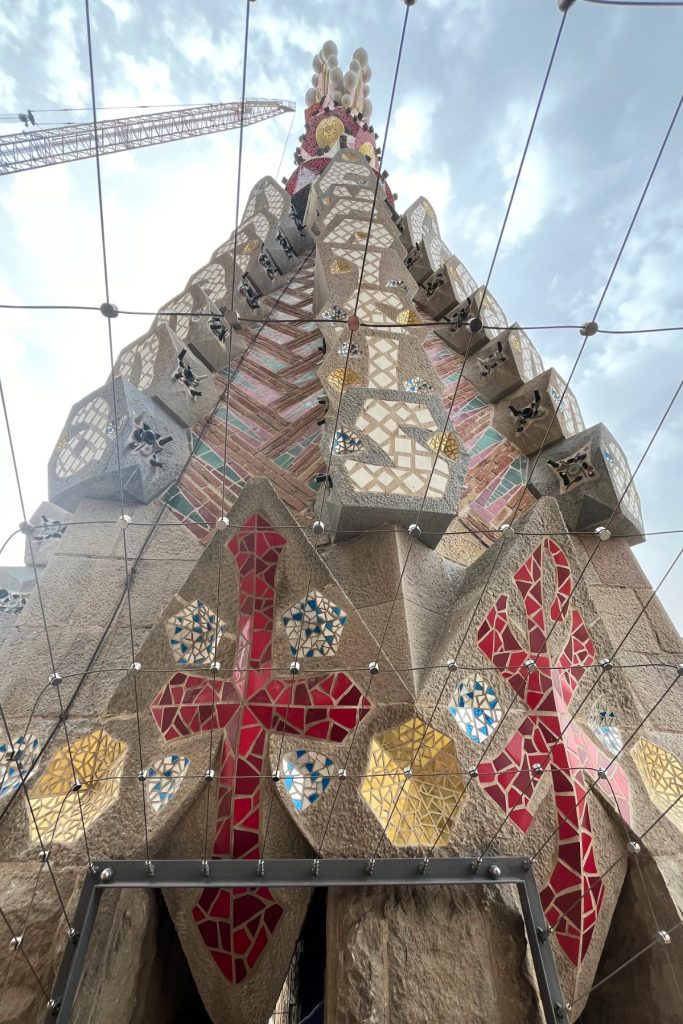
Between the interior, exterior, and tower climb, I spent close to three hours here. It’s the kind of place that rewards every extra minute you give it.
More Gaudí Buildings and Barcelona Highlights Worth the Time
Two days barely scratches the surface of Barcelona’s Gaudí buildings. A few things I didn’t get to that are worth building into a longer stay, if you have more time than I did:
- Park Güell — Gaudí’s mosaic-covered park, home to the trencadís lizard fountain and the wave-shaped bench everyone photographs. Book ahead; it sells out.
- Casa Vicens — Gaudí’s first major commission, less visited than the big three, which might make it more interesting, not less.
- Picasso Museum — Housed in a Gothic palace in the Born, and free on Thursday evenings and the first Sunday of the month.
- Montjuïc — The hill overlooking the harbor, with the castle, the Joan Miró Foundation, and sunset views that locals rave about.
- La Boqueria and the Gothic Quarter — I got a rainy taste of the Gothic Quarter on my wander, but a proper daylight visit to La Boqueria market and the surrounding medieval streets deserves its own half day.
Closing Thoughts
Two days, three Gaudí buildings, one flamenco show. That was the plan I didn’t quite stick to, and I wouldn’t change a thing.
Walking back from Sagrada Família on day two, I passed a flower market tucked under old iron and glass, stalls overflowing with hydrangeas and sunflowers spilling into the walkway. After two days of stone, curves, and stained glass, it was a nice, unplanned exhale. Barcelona does that. Just when you think you’ve seen the whole story, it hands you something soft to end on.
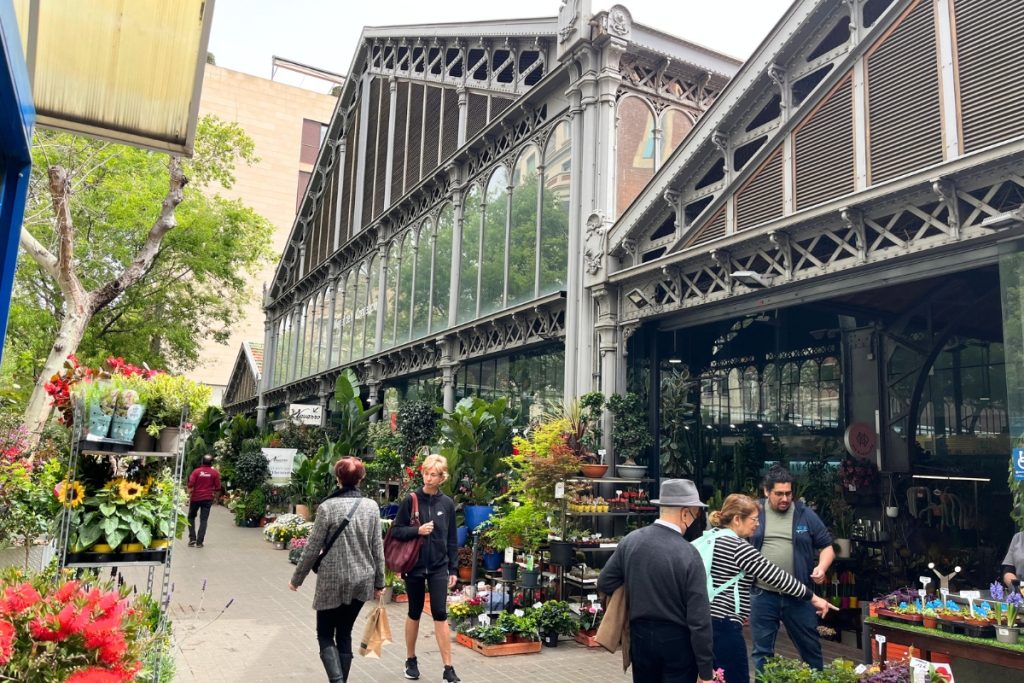
If you’re deciding whether Gaudí buildings deserve two full days, this is my answer: yes, easily, and you could stretch it further if you let yourself. Casa Batlló gives you the interior surprise. Casa Milà gives you the rooftop everyone talks about, for good reason. Sagrada Família gives you the scale and the symbolism, still being built more than a century later. String them together with a rainy wander and an accidental nap, and you’ve got a pretty honest two days in this city.
Next time, I’m setting an alarm before that flamenco show.
Common Questions
Not strictly, but I’d recommend it if you can swing it. Casa Batlló and Casa Milà together take a solid half day, and Sagrada Família alone deserves two to three hours on its own. Rushing all three into one day is possible but leaves no room for anything else, including the wandering that makes a trip memorable.
Yes, for all three. Skip-the-line tickets aren’t just a convenience upgrade, they’re often the only way to avoid a genuinely long wait, especially at Sagrada Família and Casa Batlló.
Different experiences, not really comparable. Casa Batlló’s interior is more visually dramatic. Casa Milà’s rooftop and the story of its ordinary residents give it a different kind of pull. I wouldn’t skip either.
Yes, if you don’t mind narrow stairs. You take an elevator up and walk down through a tight spiral staircase, getting close to sculptural detail you can’t see from the ground.
Not required, but worth it for the interior. A guide filled in the symbolism behind the stained glass, details I wouldn’t have picked up on my own.
Check current tiers before booking. Rooftop access isn’t always included in the base ticket, and tiers change, so confirm what’s included when you buy.
Keep Wandering
Golden Walls, Nightingale Floors, and Cherry Blossoms: The Magic of Kyoto Awaits
Spring in Full Bloom: Exploring the Magic of Keukenhof Gardens