The Most Surreal Day Trip in Asia: Tunnels, Checkpoints, and a Propaganda Village at the DMZ
There’s a moment on the DMZ tour when a military officer boards your bus, checks a list, and asks everyone to hold their passports open above their heads. That’s when it hits you that you’re not on a normal day trip. Just an hour north of Seoul, the Korean Demilitarized Zone delivers one of the most thought-provoking, surreal, and surprisingly moving experiences in all of Asia.
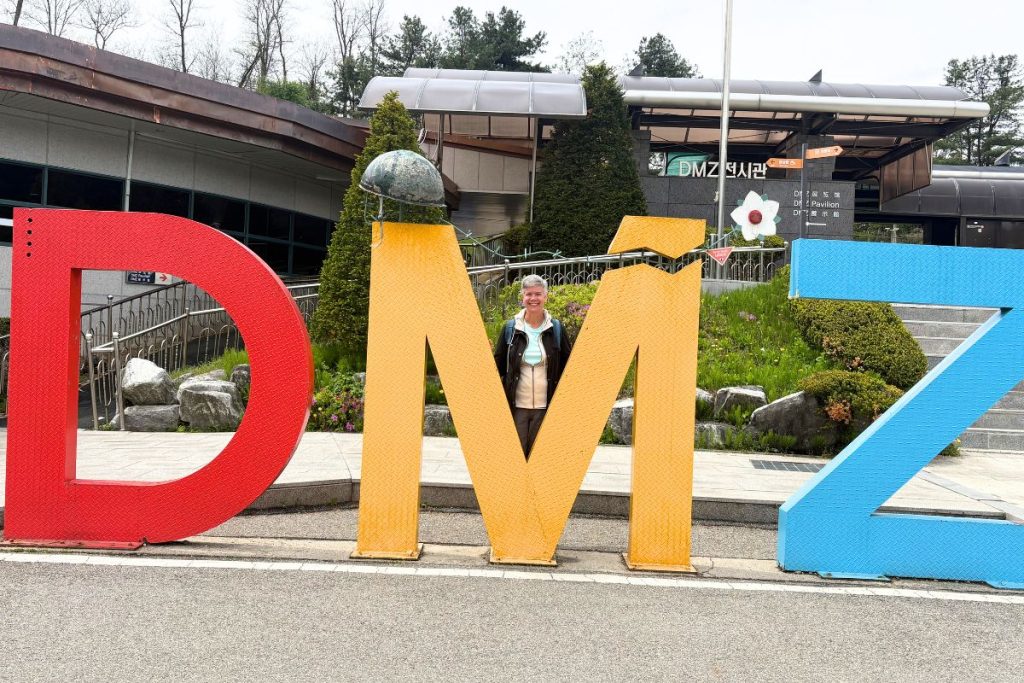
In this post, I’m taking you through a full DMZ day trip from Seoul. Follow along with me from the war memorials and bullet-riddled train at Imjingak Park, to the tunnel North Korea swore was a coal mine, to the empty propaganda village you can see from Dora Observatory with your own two eyes. I’ll cover what to expect at the military checkpoint, what it actually costs, and why you should absolutely eat bibimbap before you head back to Seoul. Consider this your boots-on-the-ground guide from someone who’s been there.
One Hour from Seoul. A World Away from Anything Normal.
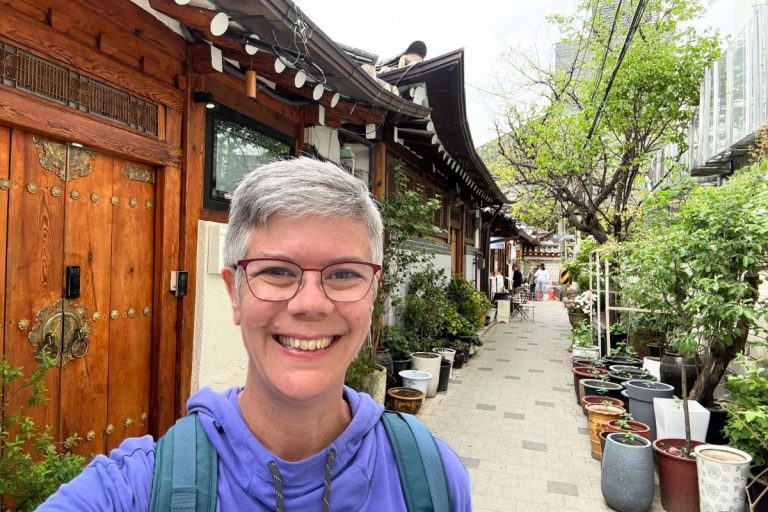
My visit to the DMZ was a private tour from Seoul with a local driver. He picked me up at my hotel in Seoul bright and early in the morning to start the day. After about an hour and 15 minute drive from Seoul, we arrived at Imjingak Park.
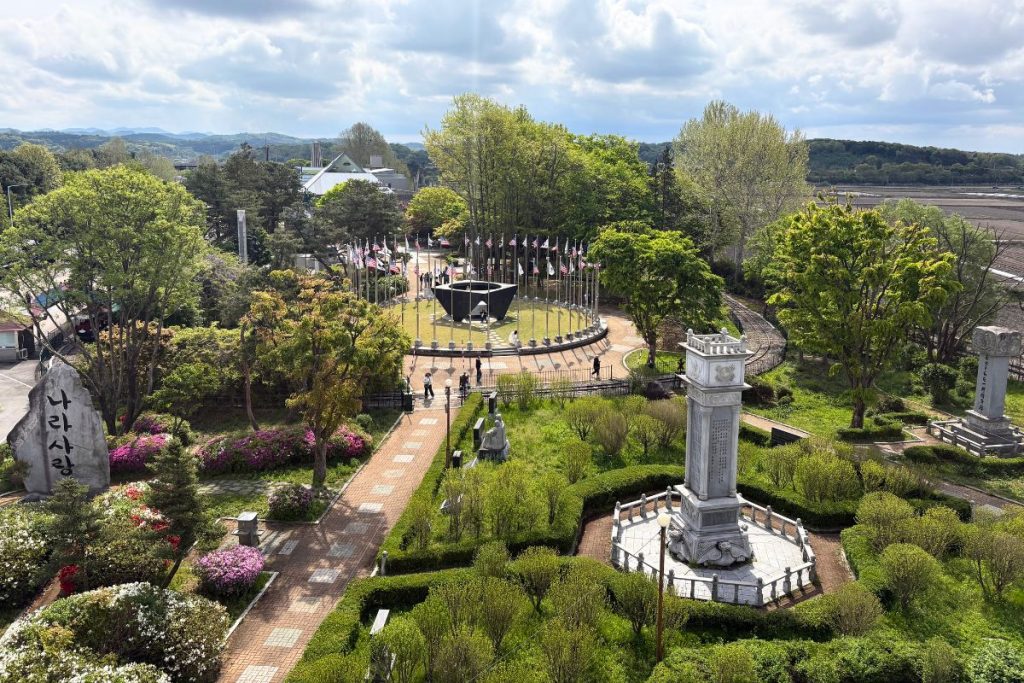
Imjingak Park
South Korea built Imjingak in 1972 with the hope that it would one day stand as a symbol of reunification. It is about 35 miles north of Seoul, situated on the banks of the Imjin River on the South Korean side. This park is the closest visitors can get to the DMZ without booking a guided tour. The park receives approximately 1.2 million visitors per year. It is very much a multi-use destination for South Koreans…primarily a solemn war memorial, but also a place where families bring kids, couples stroll through the lush park, and locals picnic.
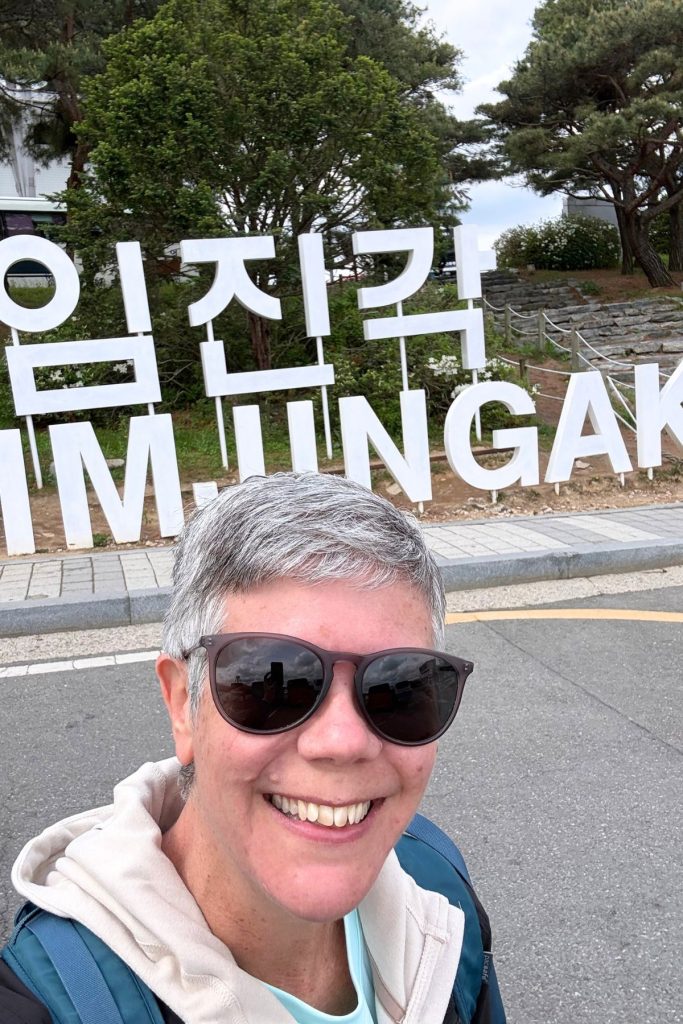
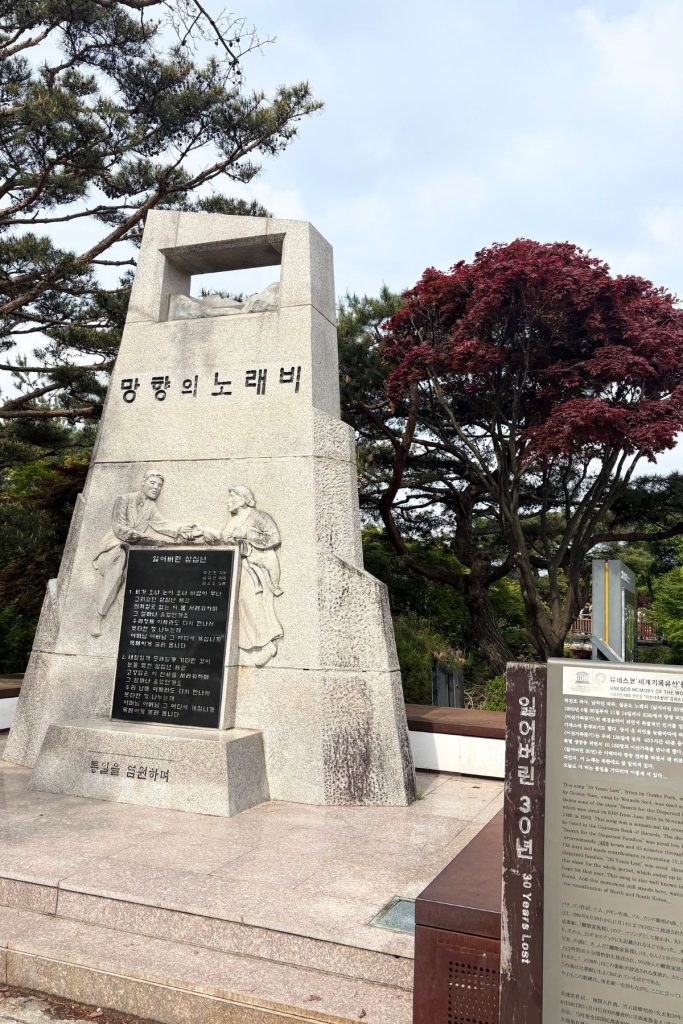
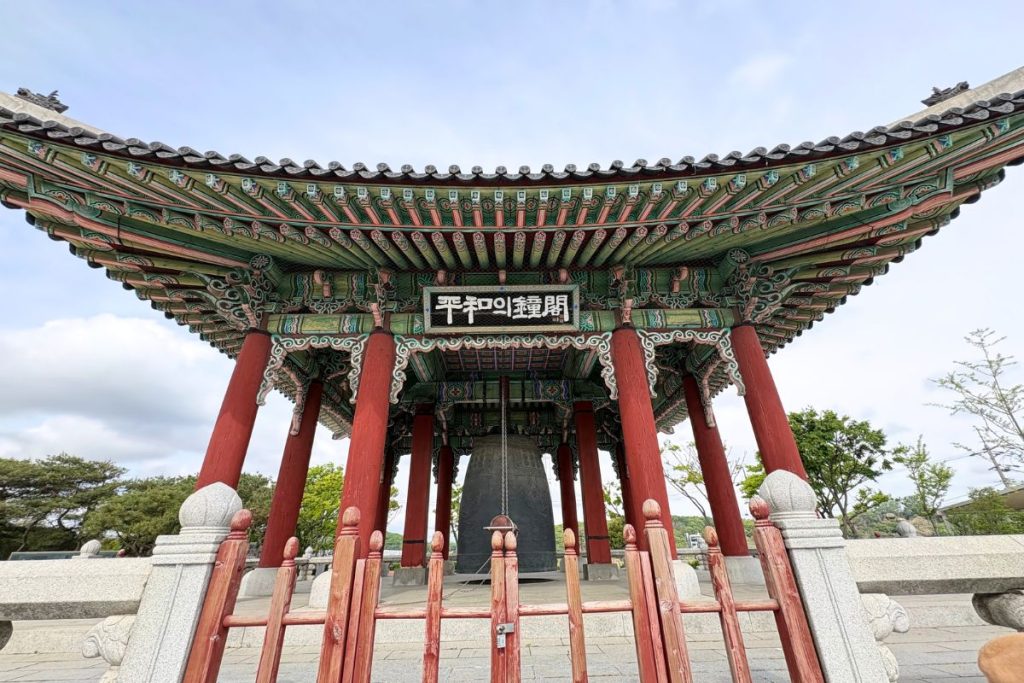
The World’s Most Colorful Barbed Wire Fence
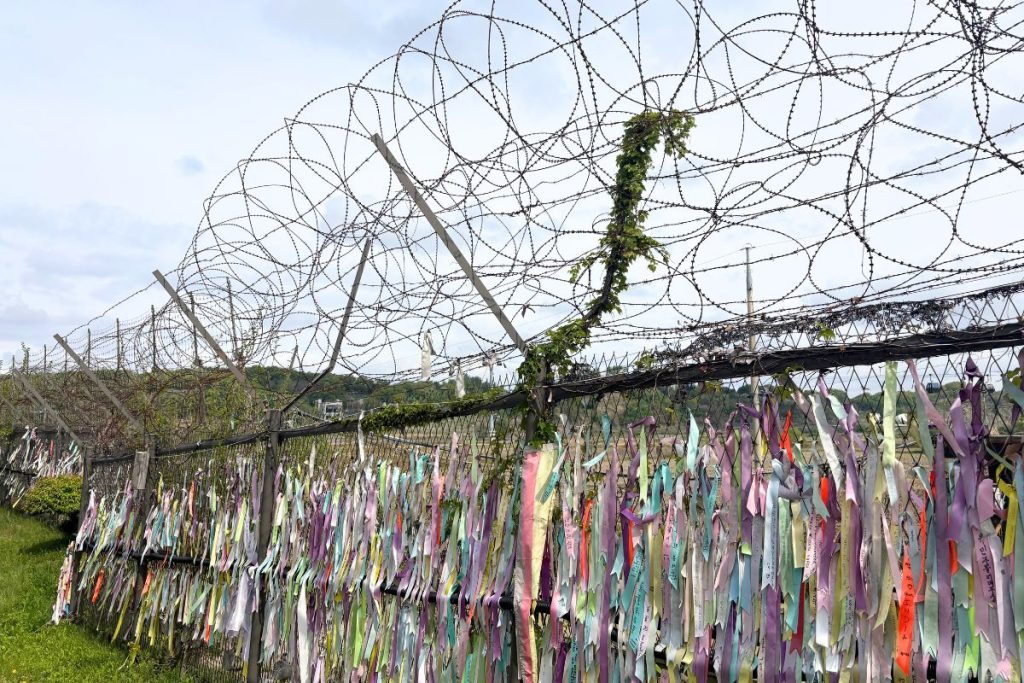
I was able to explore Imjingak Park before our authorized tour to the actual DMZ started. A barbed wire fence draped in colorful prayer ribbons stops you in your tracks when you first enter the park. Visitors have dubbed it “the world’s most colorful barbed wire fence.” Visitors of all nationalities write messages of peace, reunification, and reconciliation on colorful ribbons and attach them to the fence. It is both visually arresting and emotionally loaded to see something so harsh decorated with so much color and hope.
Memorials and the North Korea Center
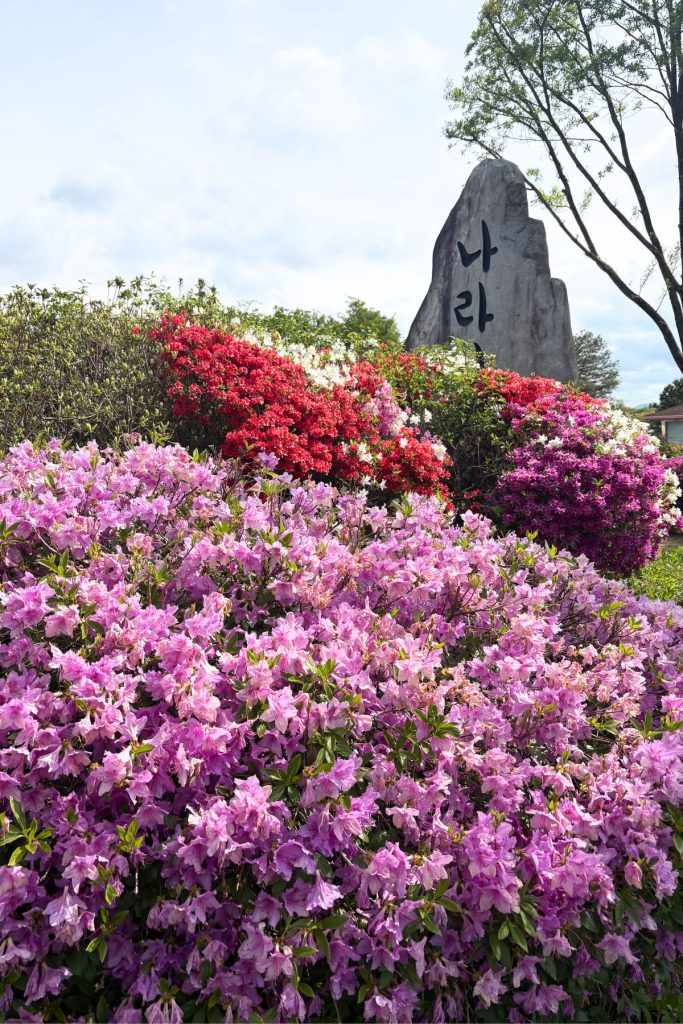
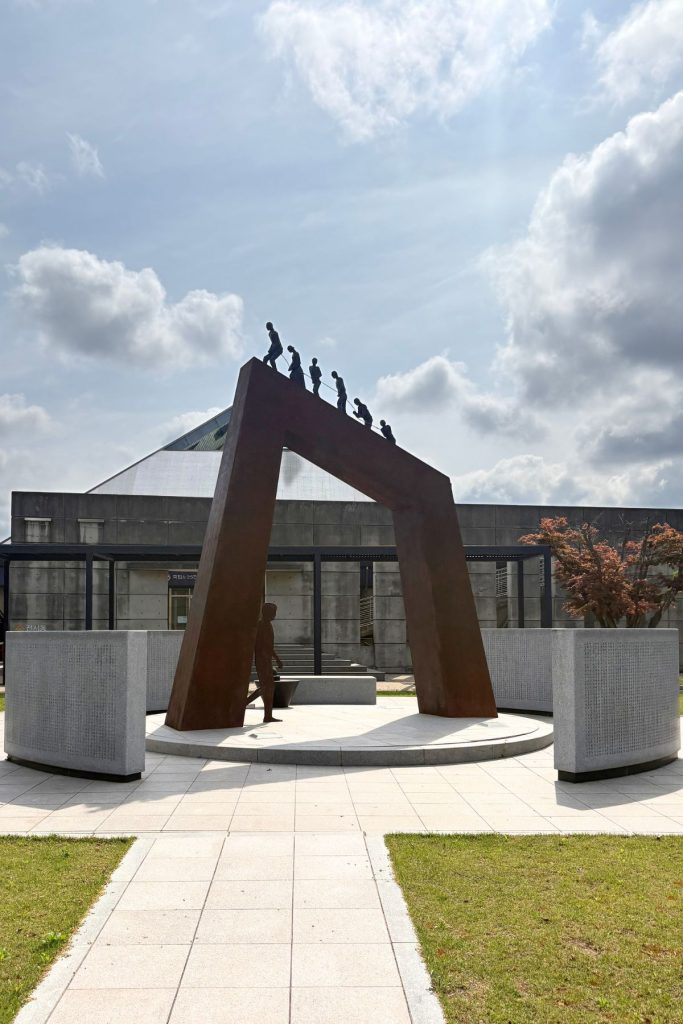
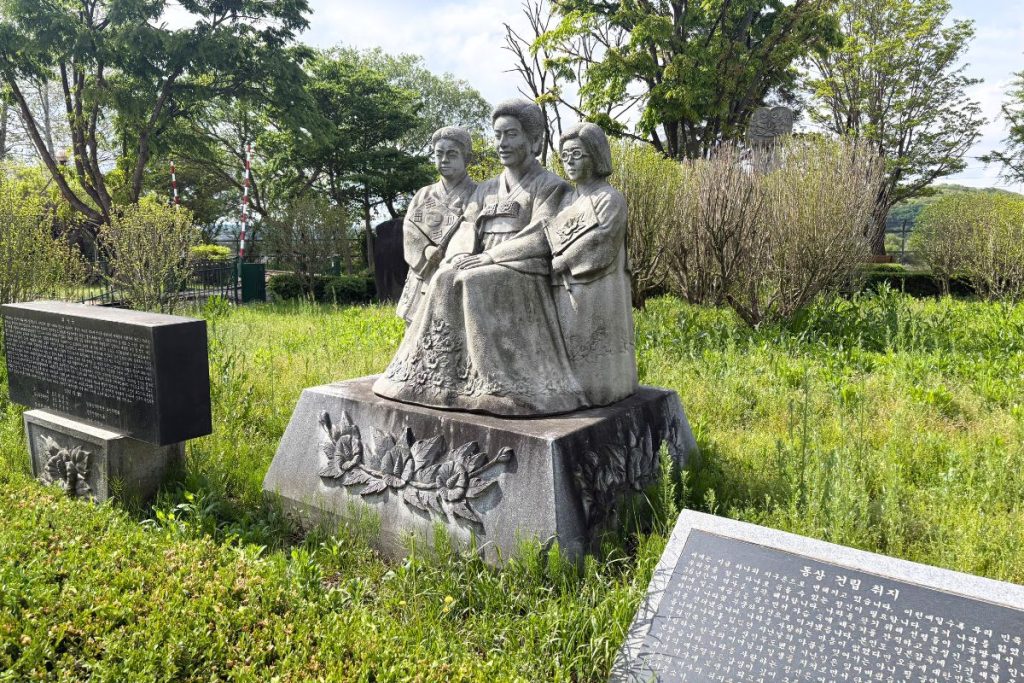
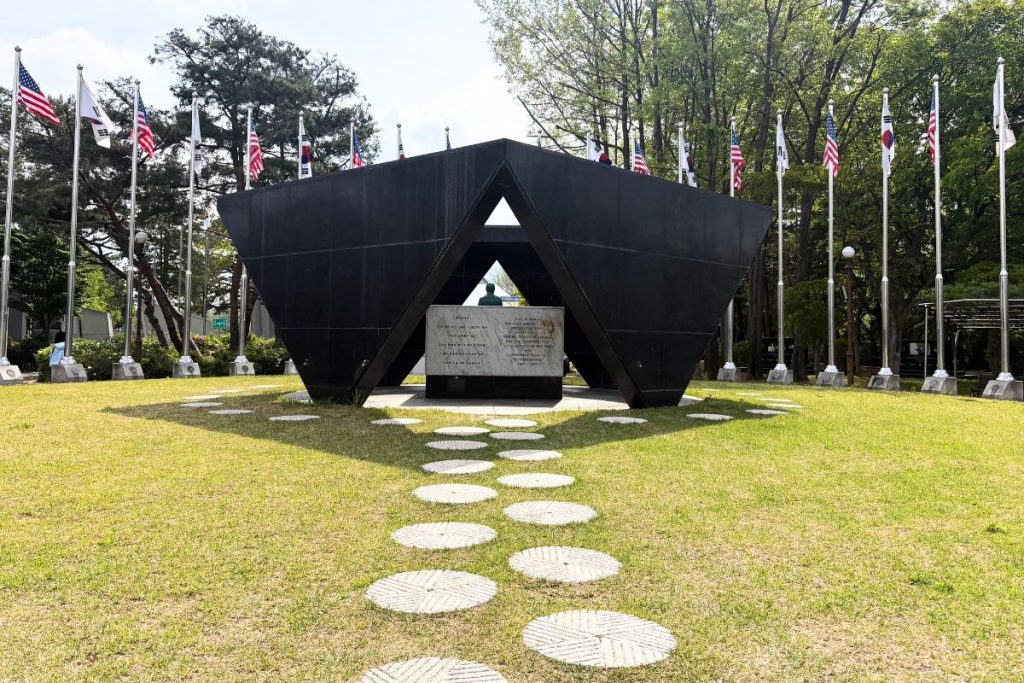
There are a lot of different memorials here throughout the lush green park. The North Korea Center is also located here. It displays over 400 photos and documents that depict daily life and conditions inside North Korea. It is interesting to visit, as it is one of few places outside of North Korea that actually provides a window into what life there actually looks like.
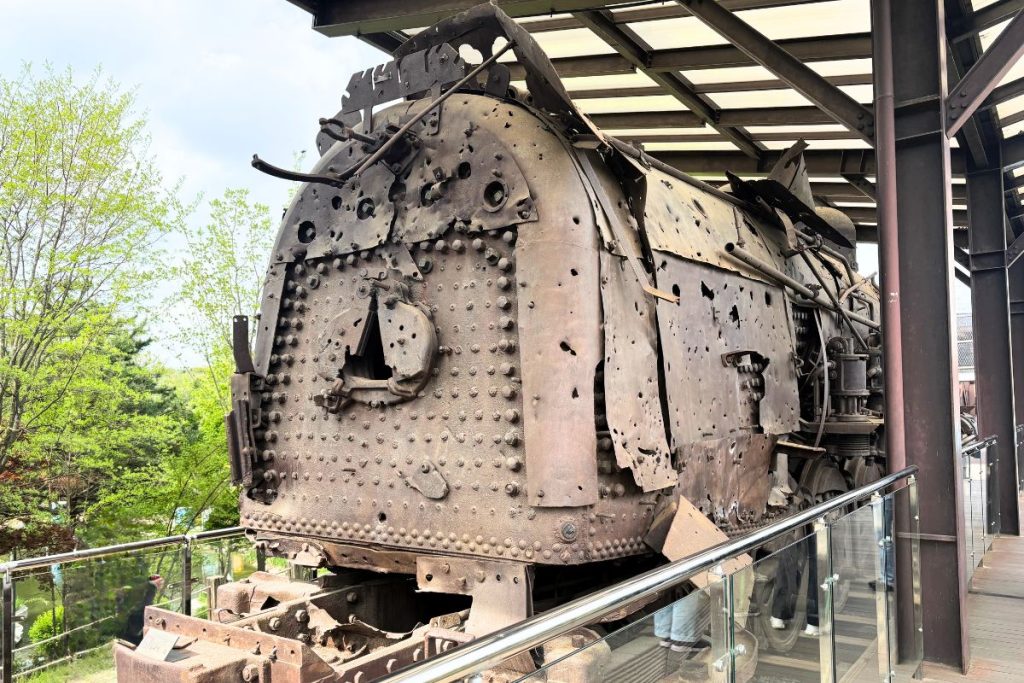
Bullet-Ridden Train
There is a bullet-ridden steam locomotive sitting on the old Gyeongui train line here at Imjingak. It was destroyed by bombings during the war. You can still clearly see the bullet holes in it today. It is planned to be one of the first things sent into North Korea if reunification ever happens.
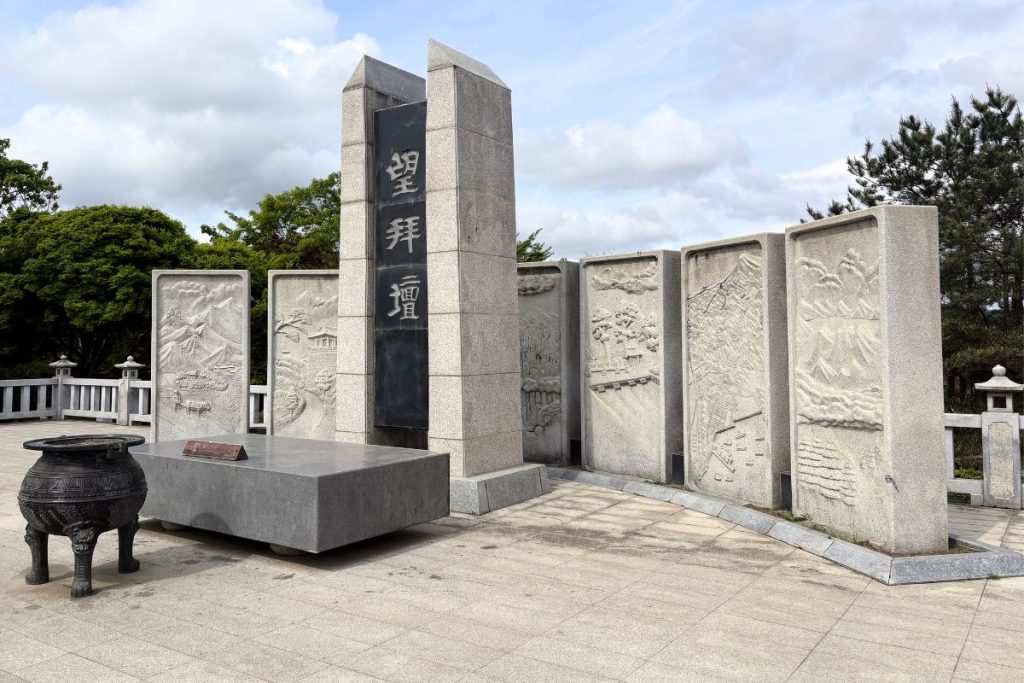
Mangbaedan Altar
The Mangbaedan Altar was built in 1986. It was built so North Korean refugees and South Koreans with family in the North can perform ancestral rites during major holidays like Chuseok and Lunar New Year. Prior to the altar being built, visitors would create their own makeshift altars every year. There is an incense burner and seven stone slabs. Each stone slab is carved with an image representing one of the seven provinces of North Korea.
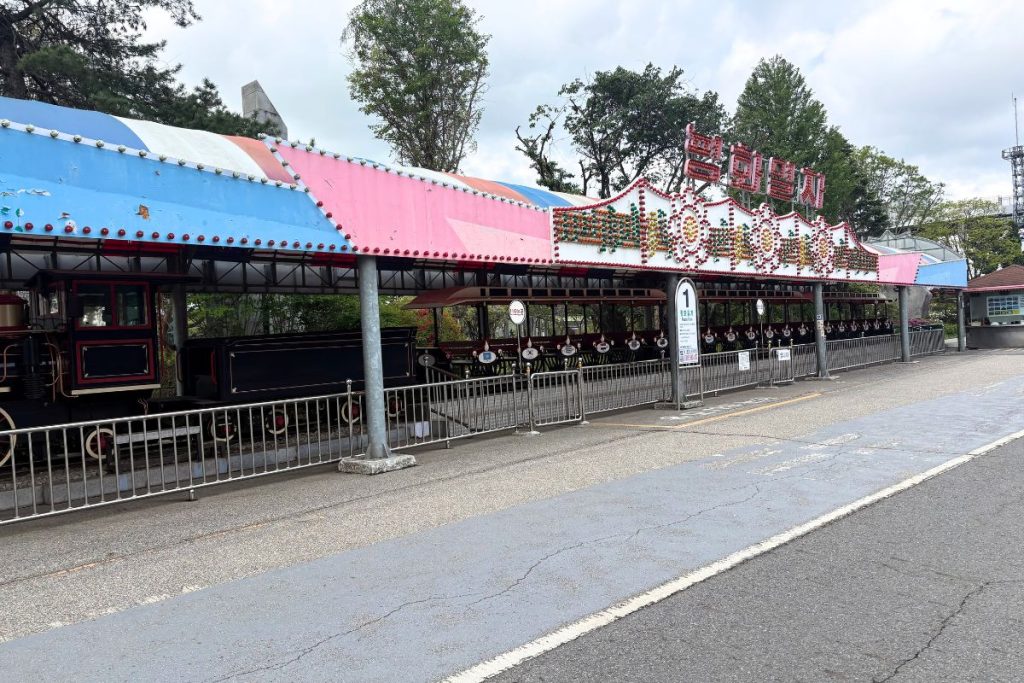
Pyeonghwa Land Amusement Park
In addition to the somber memorials throughout the park, there is also an amusement park. It’s all a bit surreal! The amusement park, called Pyeonghwa Land (or Imjingak Peace Land) sits right next to the main parking lot. It is filled with typical rides including a pirate ship, swings, bumper cars, and a carousel. There is also a small and colorful rideable train that loops through the park grounds for kids to ride on.
The juxtaposition of the somber place of remembrance for those cut off from their friends and families and a country fair-like amusement park is something I was not expecting to see! Being able to ride bumper cars within sight of the most militarized border in the world is jarring, to say the least. It clearly represents how Koreans have chose to live alongside this history rather than simply preserve it under glass.
- Sitting just over 4 miles (7 km) from the Military Demarcation Line, Imjingak is the closest you can get to the DMZ without a guided tour or security checkpoint.
- Imjingak was created to comfort the estimated 5 million Koreans displaced by the division of the peninsula.
- The park draws roughly 1.2 million visitors per year and is free to enter.
Third Tunnel of Aggression
The first stop on the authorized DMZ tour is the Third Tunnel of Aggression. My guide and I boarded our assigned bus at Imjingak Park to start the official tour of the DMZ. After crossing the Imjin River, the bus stopped at a security checkpoint for about 15 minutes while armed military officers boarded to check everyone’s passports. The soldiers have a list of all passengers on the bus and their nationalities (passports are also required to purchase the tour ticket itself). Each passenger shows their passport to the soldiers as they walk down the aisle of the bus, who cross-reference it against their list.
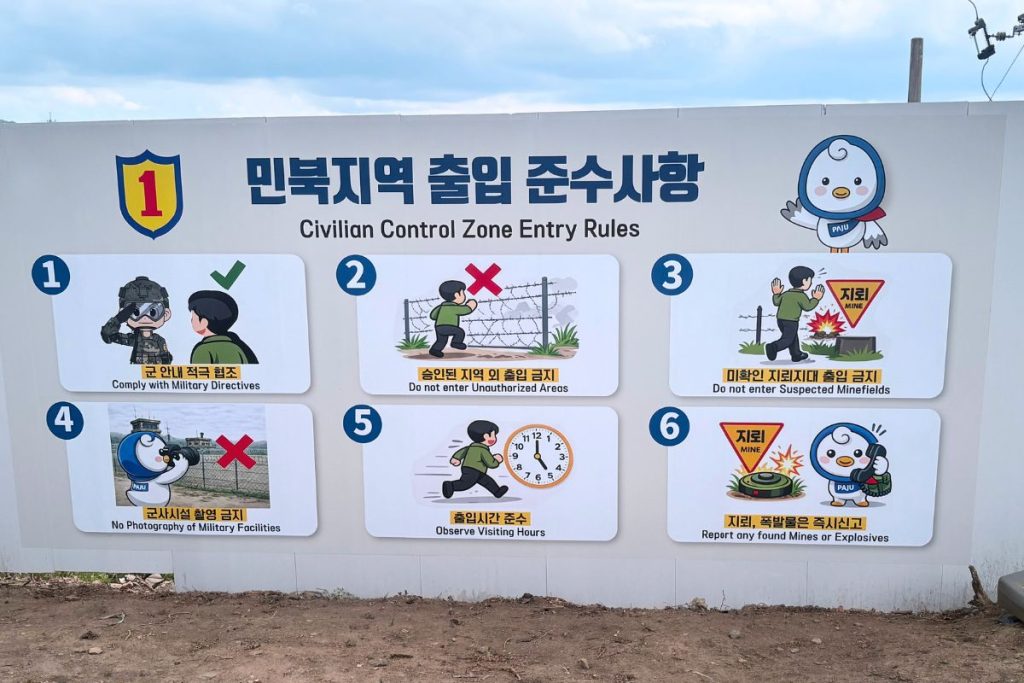
History of the Third Tunnel
They have found four tunnels (so far) that North Korea dug into Seoul after the war. This is the third one they found. An underground explosion in 1978, apparently caused by the tunnelers themselves, led to its discovery. It took four months to locate the tunnel precisely and dig an intercept tunnel to access it. No pictures are allowed in the tunnel itself, but there are a few photo spots in the small area around it.
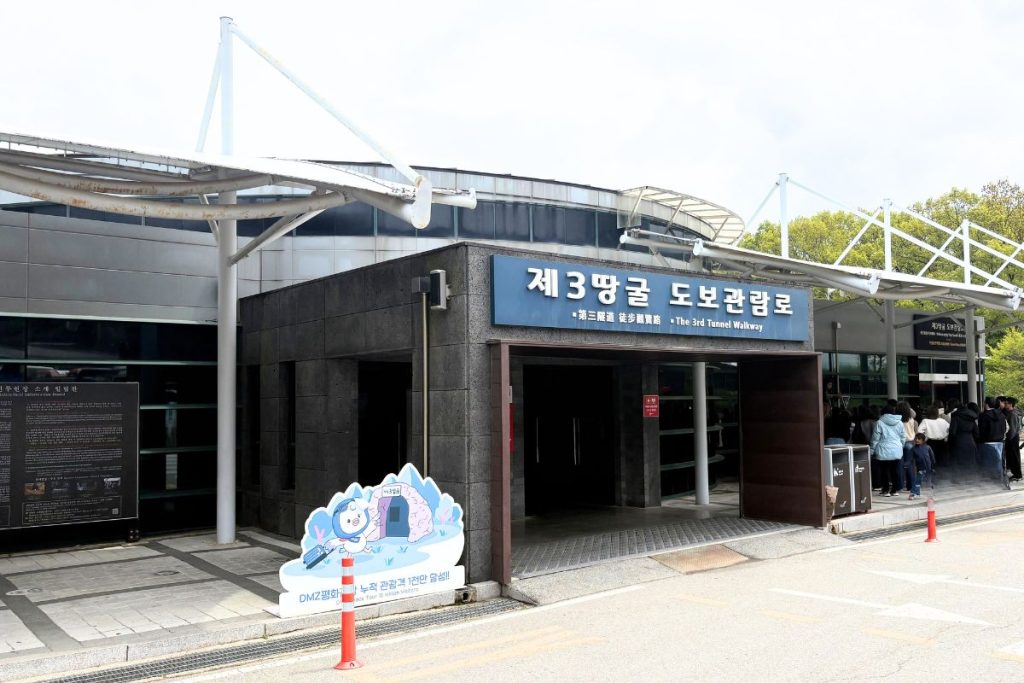
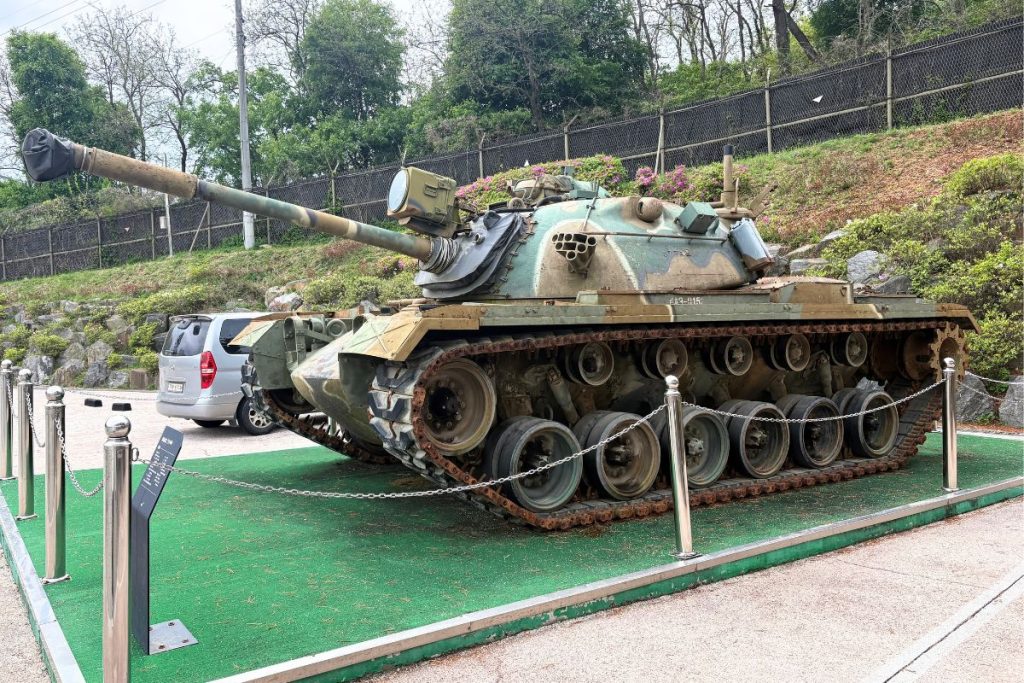
Tunnel Dimensions
The tunnel is 5,365 feet (1,635 meters) long, runs through bedrock at about 240 feet (73 meters) below ground, stands just over 6 feet (1.95 meters) high, and is about 7 feet (2.1 meters) wide. Even with such a small space, military estimates put its troop capacity at up to 30,000 soldiers per hour, designed to enable a rapid surprise attack on Seoul.
Visiting the Tunnel
After South Korea took control of the tunnel, the passage toward the North was blocked off with concrete barricades at the demarcation line. The tunnel has three blockades stacked between visitors and the North Korean side. The tour takes you along an 870 feet (265 meter) section of the tunnel until you reach the third border blockade. This is essentially the edge of the DMZ. There is a small window there to see the second barricade. Just feet beyond the second barricade is North Korea. Everyone is required to wear provided helmets. Photography is strictly prohibited once inside…in fact, you must secure all belongings in lockers in the lobby before proceeding into the tunnel.
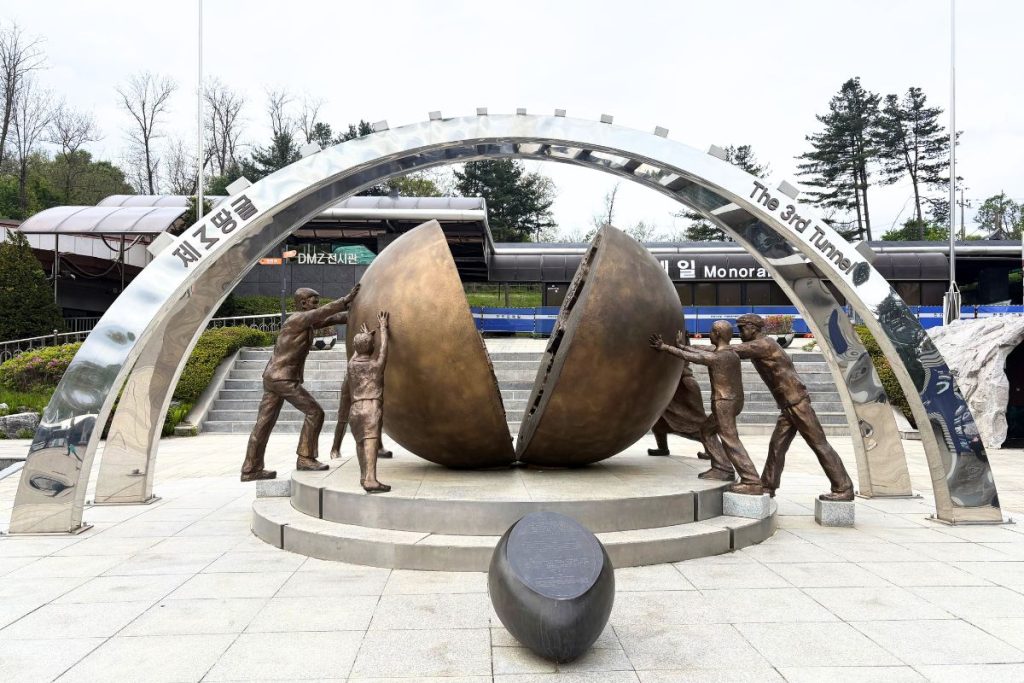
The Bogus Coal Mine Story
Once it was discovered, North Korea initially denied building the tunnel. But that story did not hold, so they then officially declared it part of a coal mine. Retreating soldiers actually painted the walls black to help sell the story. Unfortunately for the North Koreans, the walls are obviously granite (an igneous rock) and there is no geological likelihood of coal being in the area whatsoever. Coal is found in sedimentary rock, not igneous rock.
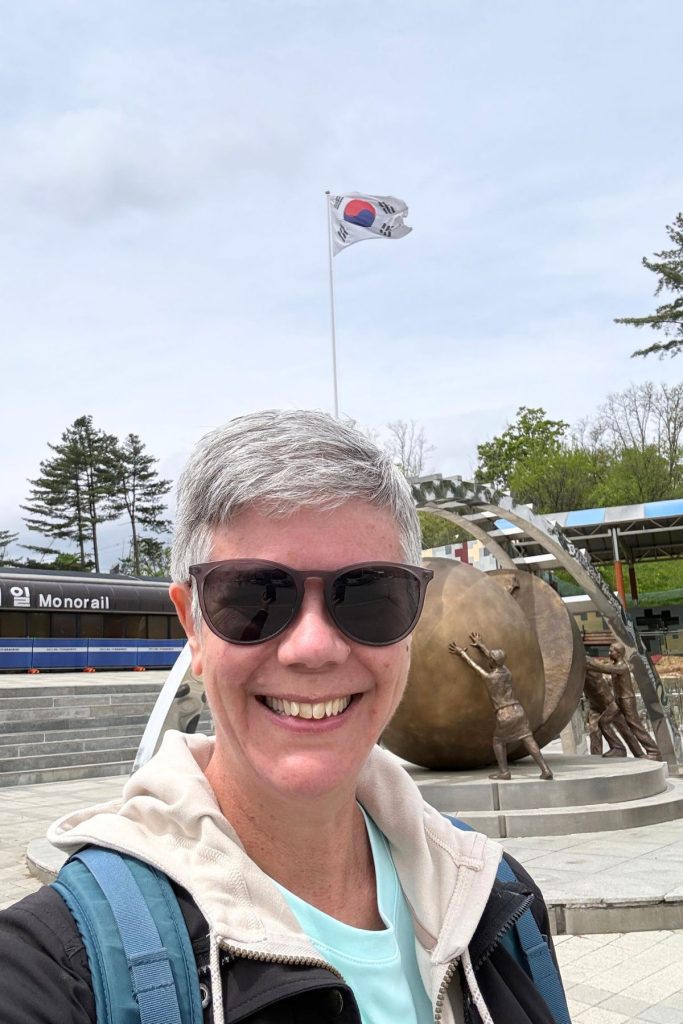
- It took four months to precisely locate the tunnel and dig an intercept tunnel to reach it after it was initially discovered in 1978.
- The tunnel’s 11-degree slope drains water back toward the North Korean side, a design detail that makes it very clear which direction the builders intended to travel.
- South Korea has officially discovered four tunnels, and tunnel hunters continue search for more because they believe others remain hidden.
Dora Observatory
The bad thing about visiting the DMZ is that you cannot take photos in most places when you are there! But I did also visit the Dora Observatory, which is a South Korean lookout point sitting right on the 38th parallel in Paju. Photography is strictly prohibited here for security reasons, and visitors are required to stay behind a yellow line. Here, I looked across the DMZ into North Korea. Through binoculars on the many viewing stations, I saw Panmunjom, the village of Daeseong-dong within the DMZ, and the city of Kaesong.
Propaganda Village
I also had a clear view of the North Korean “Propaganda Village” of Kijong-dong. This was built in the 1950s to prove to the outside world that North Korean citizens live a life of luxury and prosperity. However, the South Korean government has determined that the buildings are merely concrete shells with glass-less windows. Today, it is completely deserted. But North Korea reportedly still turns the lights on at night to give the impression that it is occupied.
Flagpole War
There was also an infamous “Flagpole War” here…a literal flagpole arms race between North and South Korea! Each tried to fly a bigger flag on a taller pole than the other. The North eventually won this particular standoff, with its flagpole inn Kijong-dong standing 525 feet (160 meters) high. You can clearly see two very large flags (one North Korean and one South Korean) on two very tall poles from Dora Observatory.
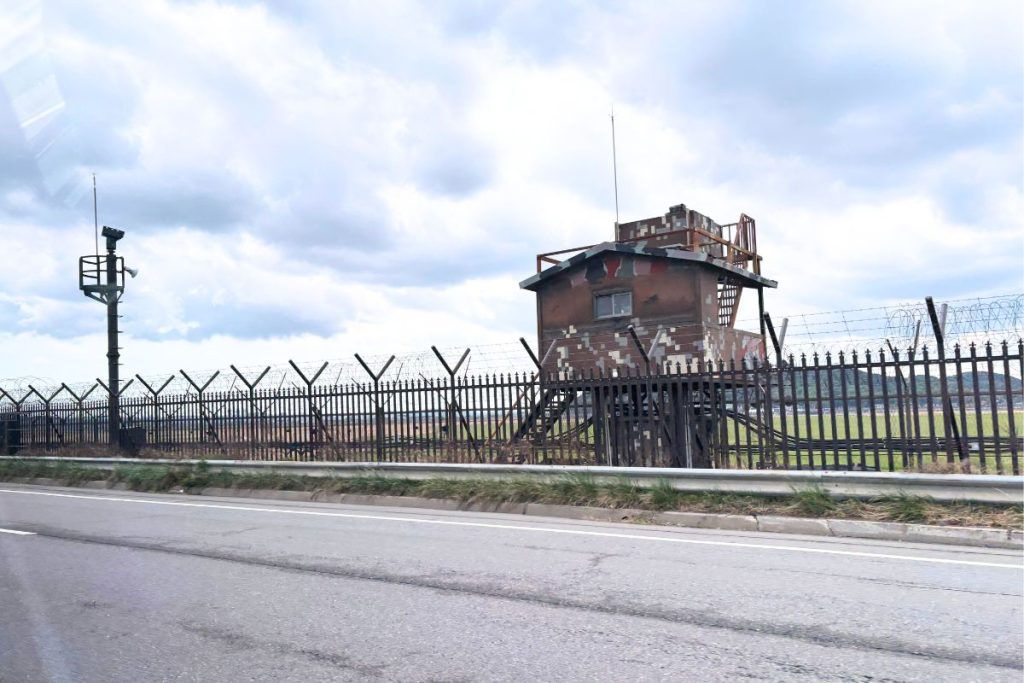
Residential Areas Within the DMZ
After Dora Observatory, we drove back to Imjungak Park through a small residential area right in the middle of the DMZ…complete with cute little houses with well-kept gardens, and a school. We were met on the bus by armed MPs to check our passports again on the way back. There is barbed wire fencing lining the streets, with guard shacks/lookouts every so often. Military personnel are walking around everywhere. There are emergency shelter areas clearly marked in all the public places I visited today. The whole experience is very surreal!
- Dora Observatory sits atop Mount Dora and it is the closest DMZ observatory to Panmunjom, putting you as near to North Korea as you can legally get on a tour.
- On a clear day, you can see North Korean soldiers, citizens, and people riding bicycles…real people going about their daily lives, just across one of the most impenetrable borders on earth.
- Fog and haze can wipe out the view from here entirely. Spring and fall are your best bets for visiting on a clear day with good views.
Bibimbap Lunch at Imjingak Park
Once back in Imjungak Park I had lunch with my guide. I enjoyed a traditional Korean dish called Bibimbap. Bibimbap literally translates to “mixed rice,” and that is exactly what you do with it! Bibimbap is an interesting dish that has origins that tie back to resourcefulness and tradition. It was historically a way to use leftover banchan (side dishes) and vegetables before the New Year…essentially a “clean-out-the-fridge” meal! Farmers working communal fields during busy planting and harvest seasons also relied on it as a fast, filling meal that can be prepared in large quantities without much time or effort.
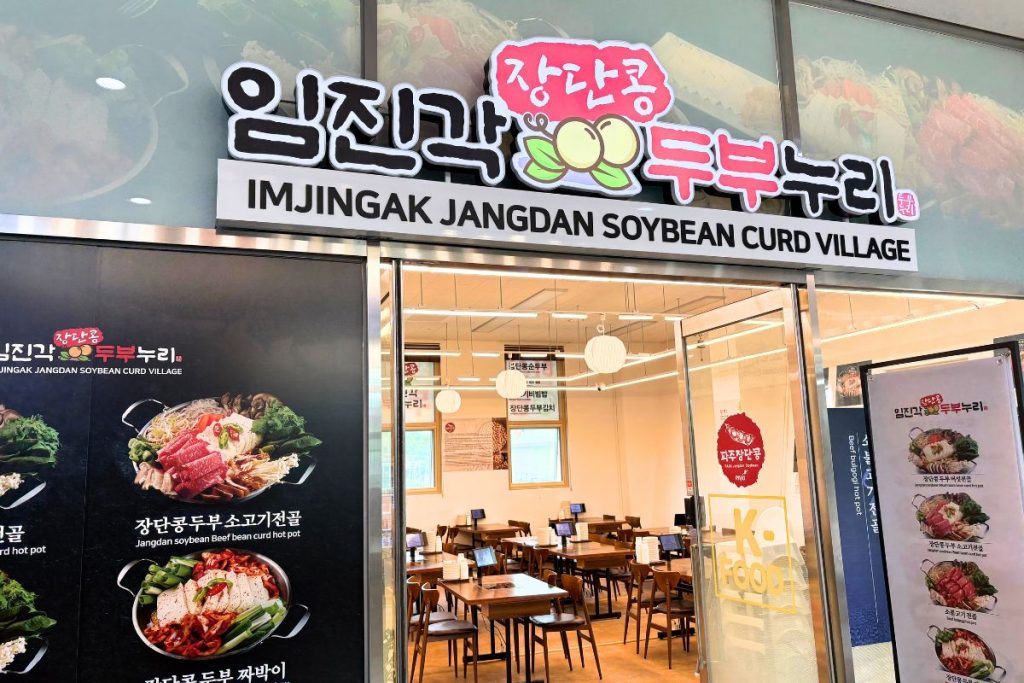
I was presented with a beautiful bowl of beef and sautéed vegetables (called namul), topped with an egg that is cracked on top just before serving. Sauces such as soy sauce, doenjang (a fermented soybean paste), and gochujang (chili pepper paste) are served on the side so each person can customize their bowl to their own taste. There is also a small stainless steel container of steamed rice, which you add to the bowl. Once everything is in the bowl, you mix it all together before eating it.

Banchan
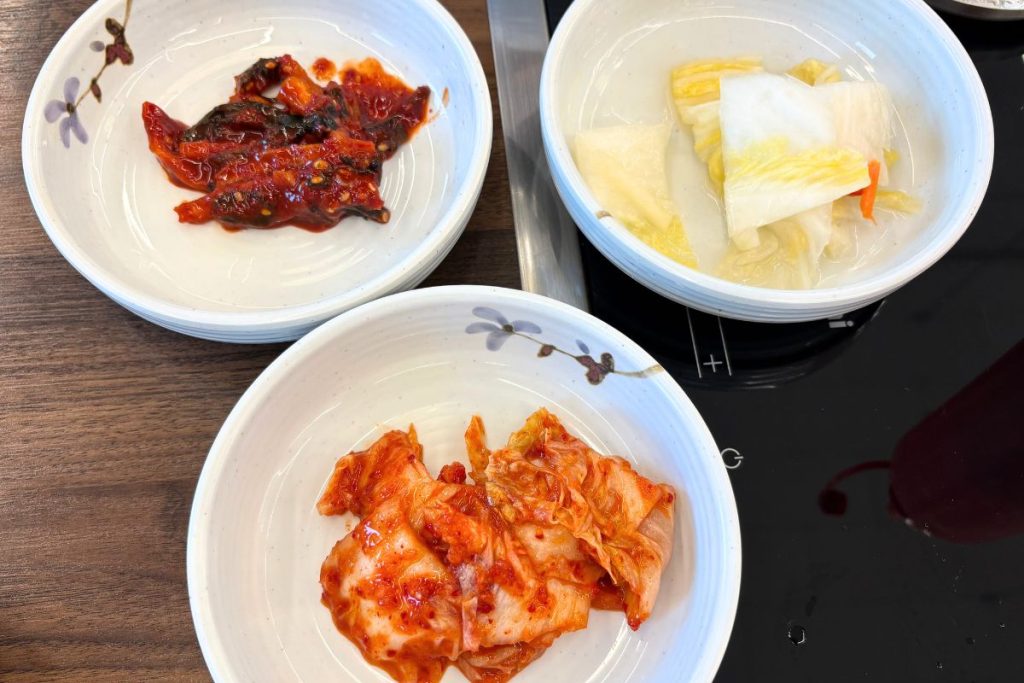
As with virtually all meals in Korea, this is served with the banchan (side dishes). You will always find kimchi, but the other options can vary from restaurant to restaurant. Some common accompaniments include seasoned spinach, bean sprouts, pickled radish, and sliced cucumbers.
- After being presented with a beautiful bowl of delicious items, you admire it for a moment, arrange it, and stir everything together before eating…bibimbap literally means “mixed rice.”
- There are two versions of bibimbap: regular (served in a standard bowl, which is what I had), and dolsot (served in a blazing-hot stone bowl that crisps the rice at the bottom into a crunchy, caramelized layer called nurungji).
- Bibimbap is endlessly adaptable, and no two bowls are exactly the same! Regional variations across Korea have their own distinct ingredients and traditions that go back centuries.
Common Questions
Parts of the experience can be visited independently, and parts require an authorized tour. You can visit Imjingak Park on your own without a guide. But if you want to go beyond the park to the Third Tunnel and Dora Observatory you must join an authorized tour. Those areas fall within a military-controlled zone, and there is no getting into this zone without an authorized tour.
You can expect to pay around $40-$60 USD for a standard half-day group tour (including the Third Tunnel and Dora Observatory) from Seoul. Full-day group tours with additional stops run around $70-$100 USD or more. Private tours will cost more, usually starting around $240 per person. The prices do vary by operator, so it is worth doing some comparison shopping. Note that tours run daily except Mondays and public holidays, so plan accordingly. Also, you MUST bring your physical passport…photocopies and phone photos are not accepted by soldiers at the checkpoint (and no refunds are given if entry is denied due to a missing passport).
Yes! Millions of people from around the world visit every year without incident. The area is heavily monitored by the South Korean military. Authorized tours operate within well-established and secure boundaries. Standard precautions also apply: follow your guide’s instructions, stay within designated areas, and avoid doing anything that would make a soldier nervous.
Even More Travel Ideas
Seoul Much to See: A Cultural Guide to Korea’s Iconic Capital