Hiroshima & Miyajima: Sacred, Scarred, and Spectacular
Some trips change the way you see the world. Spending time in Hiroshima and Miyajima, Japan will definitely affect you. The Atomic Bomb Dome will stop you in your tracks, a thousand-year-old torii gate will take your breath away as the tide rolls in around it, and a very shameless sacred deer will almost certainly make off with your snacks. Hiroshima and Miyajima are unlike anywhere else in Japan, and if they’re not on your itinerary yet, here’s why they absolutely should be.
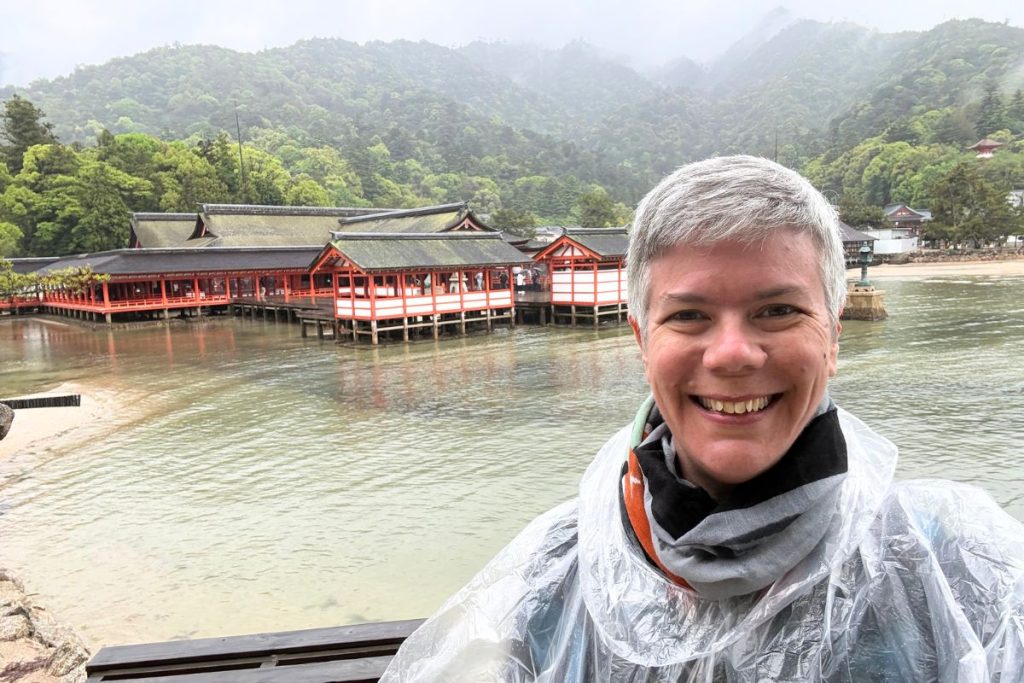
If Japan is on your radar, Hiroshima and Miyajima deserve more than a passing mention on your itinerary. In this guide, you’ll get everything you need to know: how to get there, how to get around, and what makes these two destinations so unforgettable. Miyajima and Hiroshima will grab your attention and refuse to let go. Whether you’re a history buff, a culture seeker, or just someone chasing jaw-dropping views, this one’s for you.
Miyajima, Hiroshima, and Some Very Hungry Deer
I spent a day visiting Miyajima Island and Hiroshima as a part of a cruise from Tokyo to Seoul in April, 2026. Although it was rainy and cool, it was a spectacular day. We started at Miyajima Island, exploring this sacred location including its Shinto shrine, spectacular floating torii gate, and sneaky local wild deer. Next, we toured the somber and educational Hiroshima Peace Memorial Park. The day pulled me in many directions: exploring, reflecting, and soaking it all in.
Getting To and Around In Hiroshima
Hiroshima is easily accessible from other major cities in Japan:
- From Tokyo: approximately 4 hours via the Nozomi Shinkansen (bullet train). The Hikari line, a slower but cheaper option, is also available.
- From Osaka/Kyoto: approximately 1.5-2 hours via the Nozomi or Hikari Shinkansen.
- From Fukuoka/Hakata: approximately 1 hour via the Sanyo Shinkansen.
It is quite easy to get around in Hiroshima. The city is very compact and walkable. There are also some excellent transit options as well, including trams (streetcars), the Hiroshima Bus, the ferry to Miyajima, and bicycle rentals. The city center, Peace Memorial Park, Hiroshima Castle, and the main shopping areas (Hondori, Parco) are all very walkable from each other. Most visitors find they can do the central sights on foot and only need other transit options for longer hops.
Miyajima Island
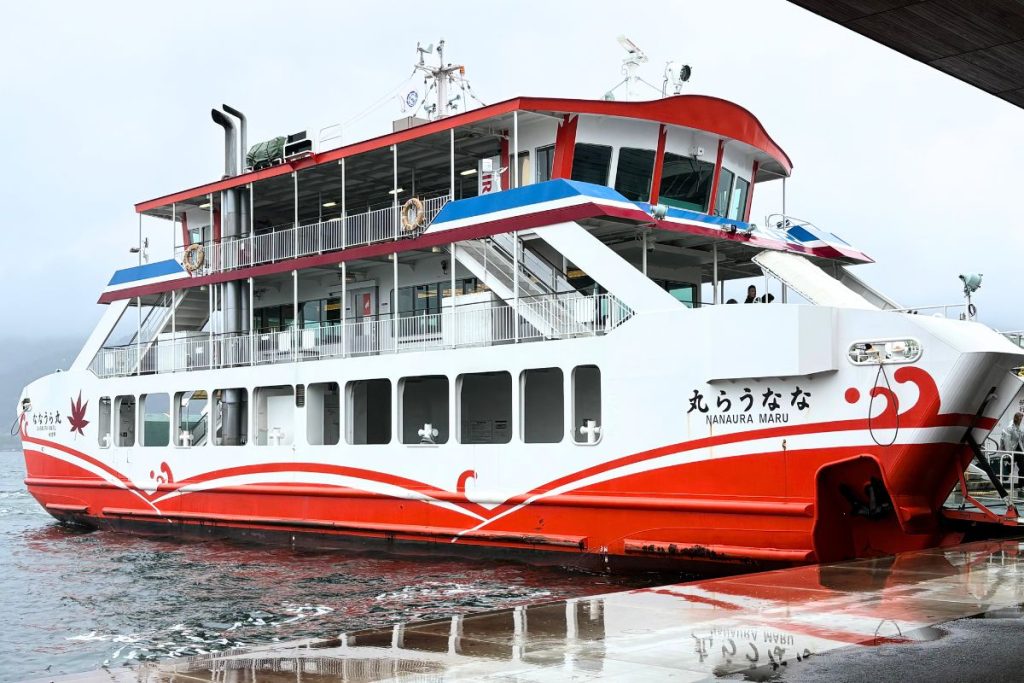
For my excursion, we drove from the cruise ship port to Miyajimaguchi. From here we boarded a ferry for a quick (10-minute) ride across the Seto Inland Sea to Miyajima Island. This UNESCO World Heritage Site, formally known as Itsukushima, sits in Hiroshima Bay and stuns visitors with its ethereal beauty. Japan ranks the island as one of its three most beautiful sites.
Itsukushima Shrine
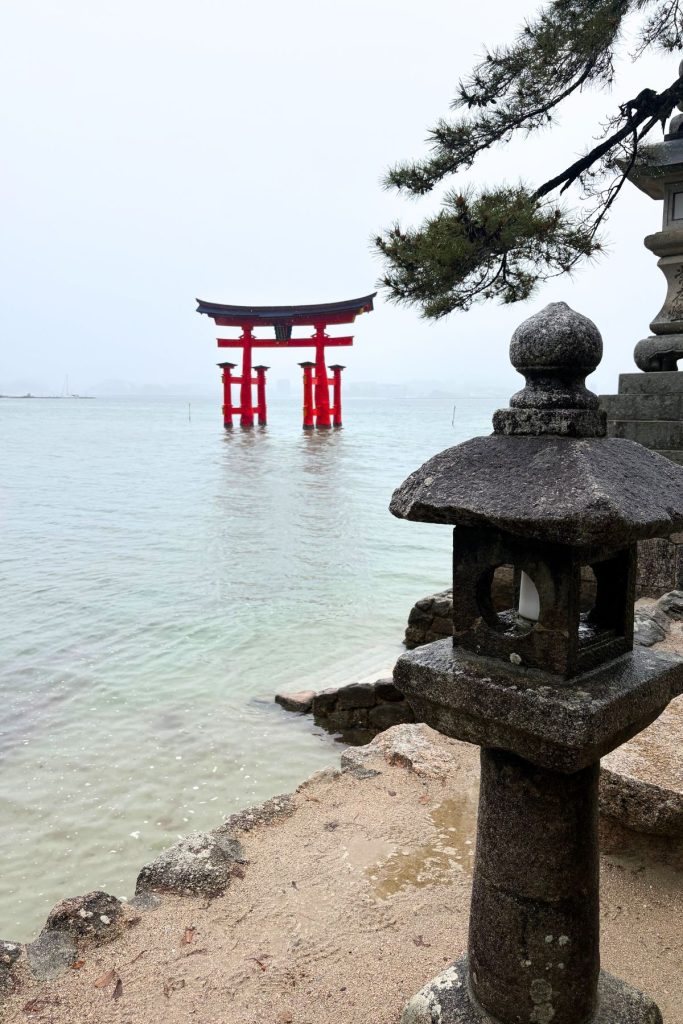
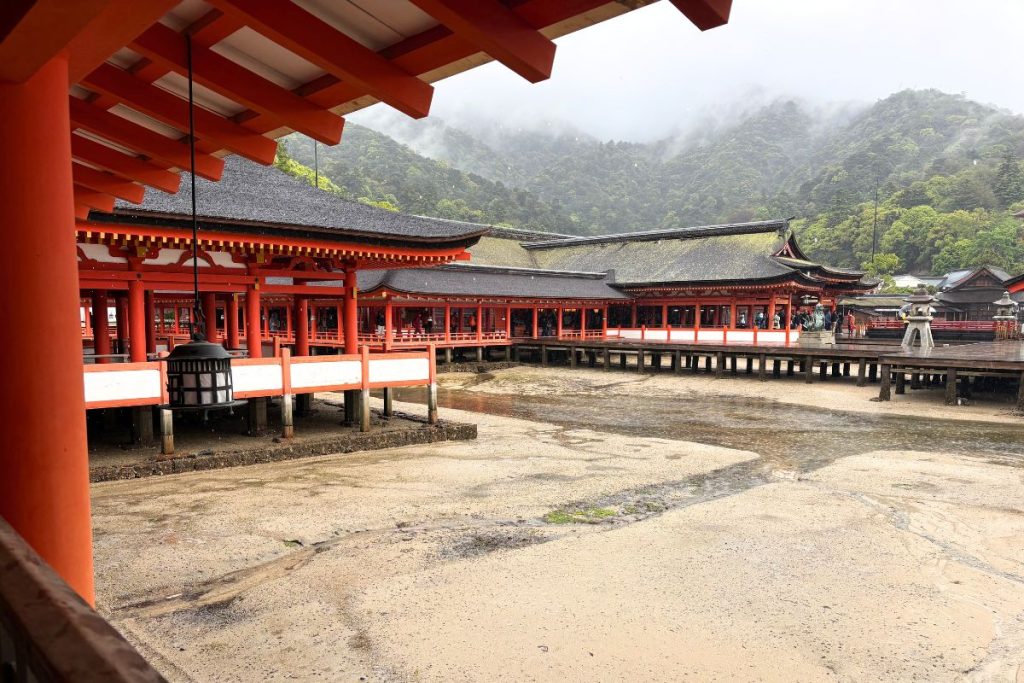
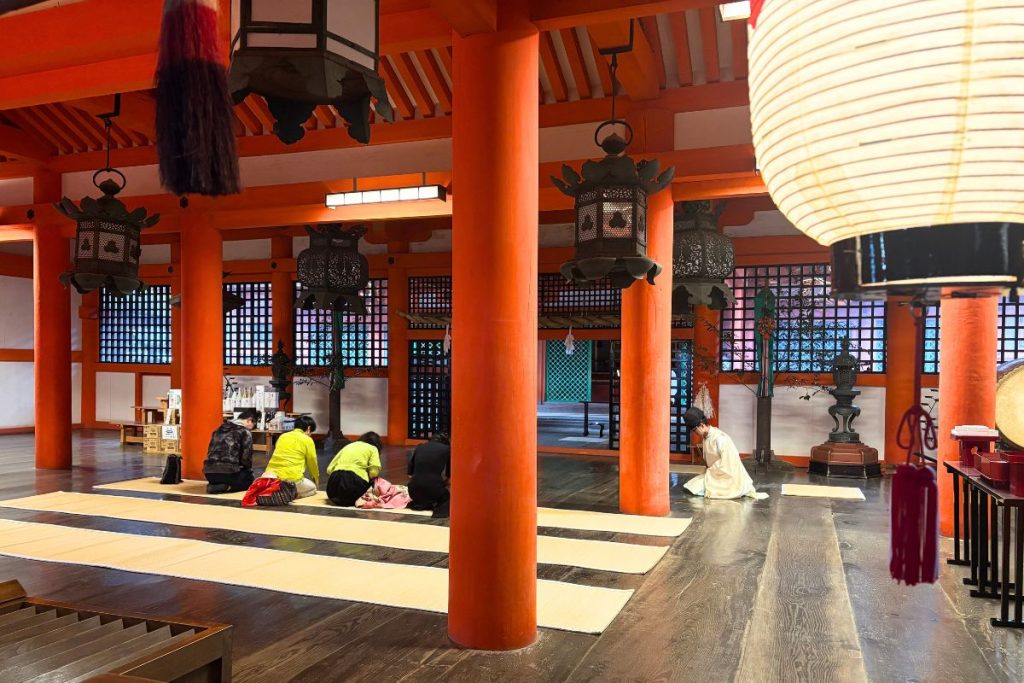
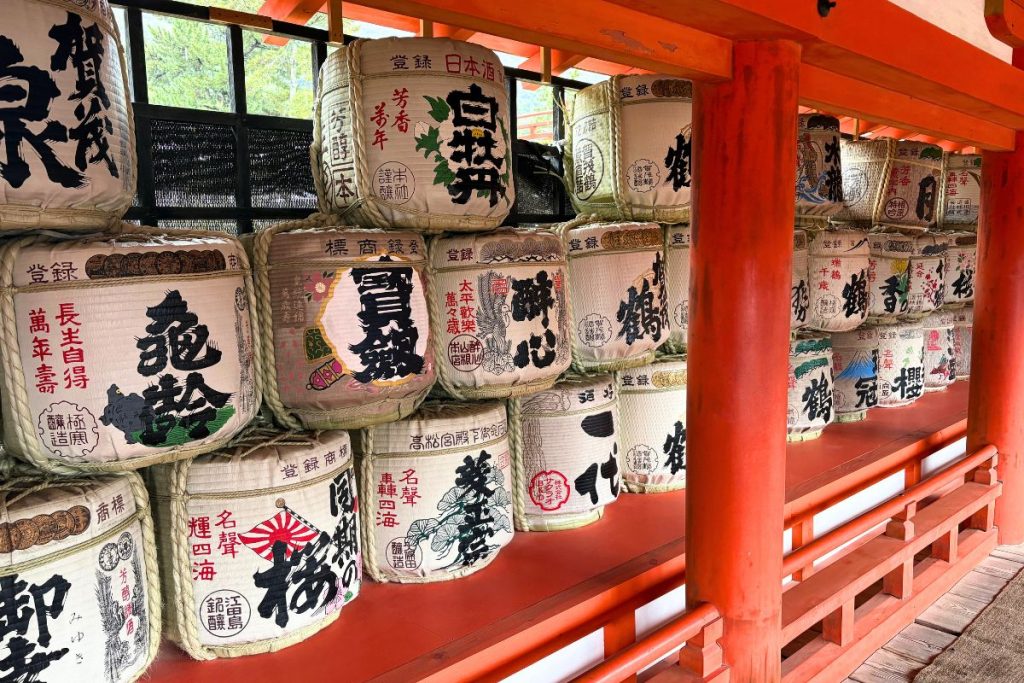
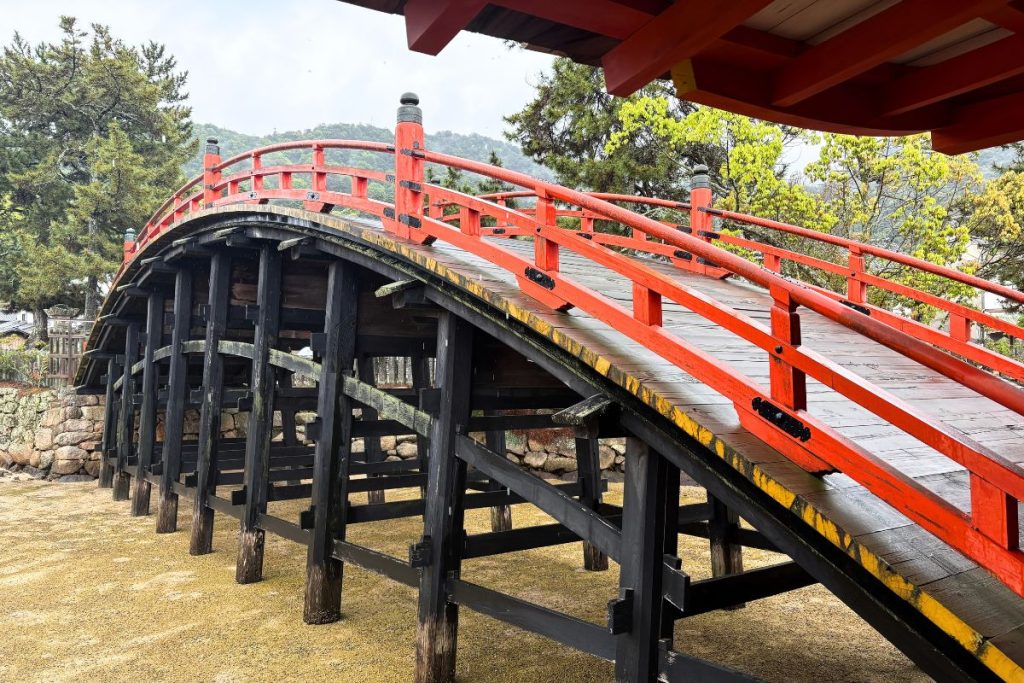
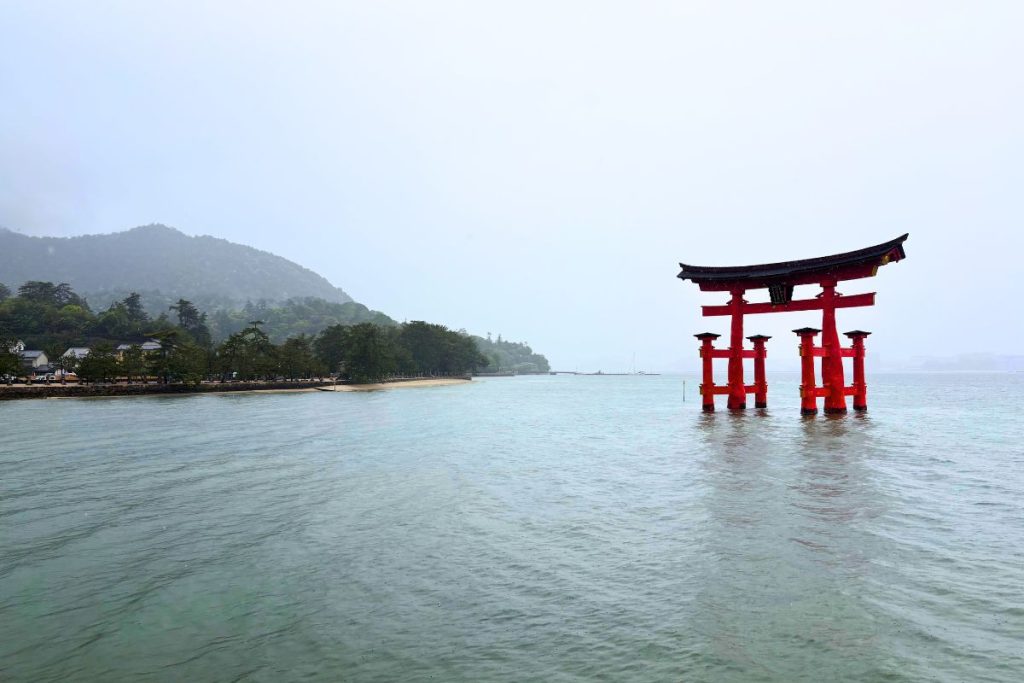
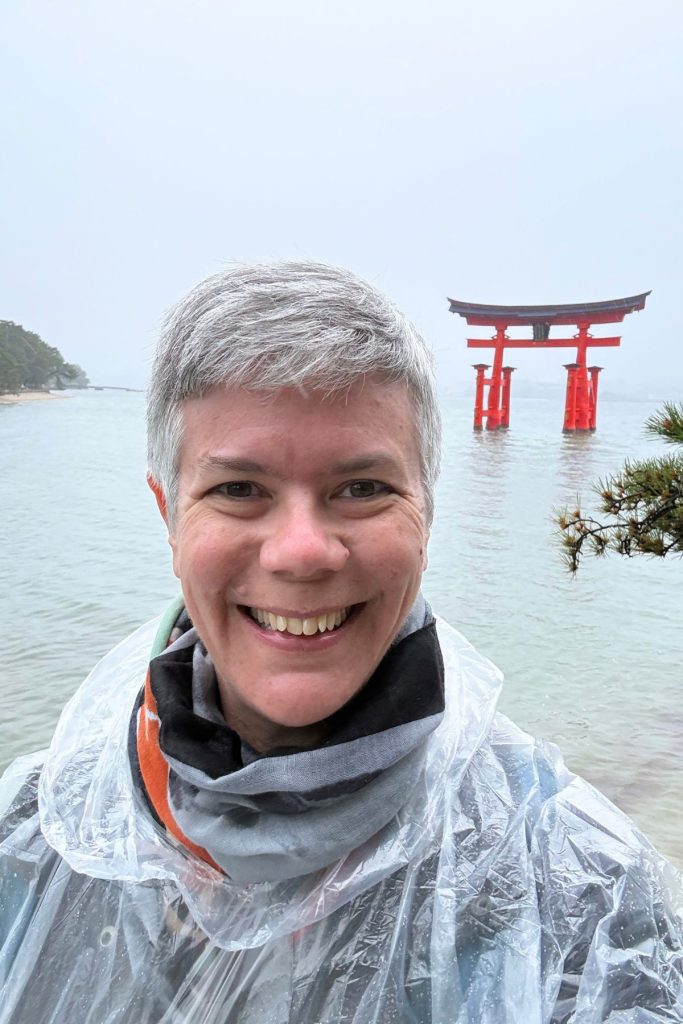
The island’s centerpiece, Itsukushima Shrine (Itsukushima-jinja), dates back to the 6th century. Since ancient times, Shinto tradition has revered the island itself as a god. Rather than touch the sacred land, the shrine’s builders chose to extend it out over the sea. The appearance of the shrine changes dramatically with the rising and falling tides. It was low tide when I visited, but the tide was rising.

Otorii Gate
The majestic Otorii Gate is the most memorable sight of the Itsukushima Shrine. Standing approximately 50 ft (15 m) above the water, this vermilion structure appears to float at high tide, symbolizing harmony between nature and spirituality.
Exploring Miyajima Island
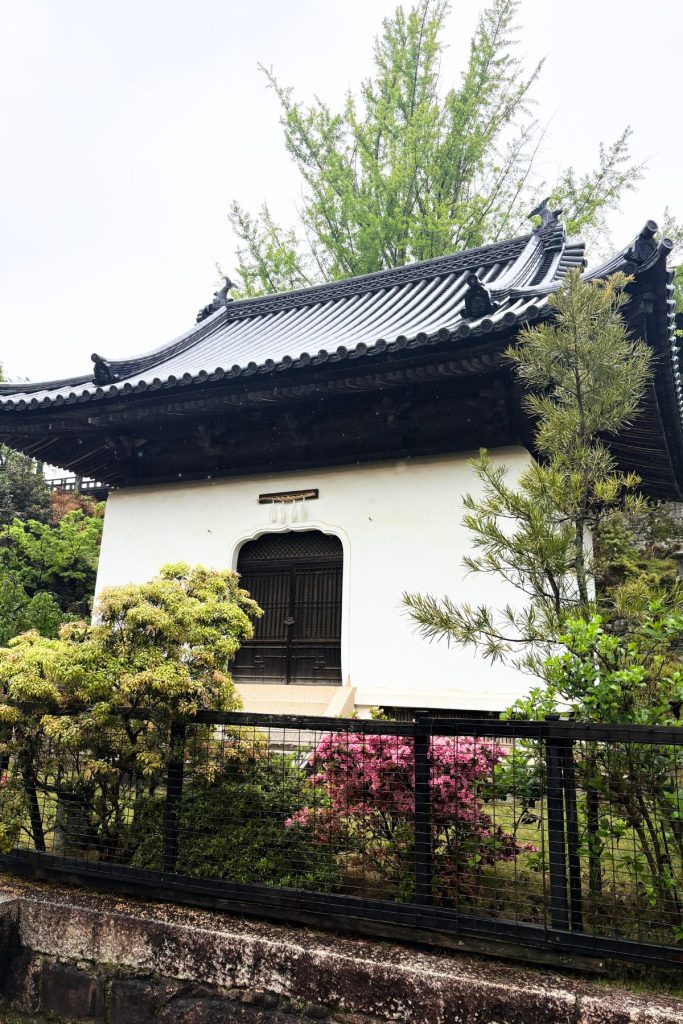
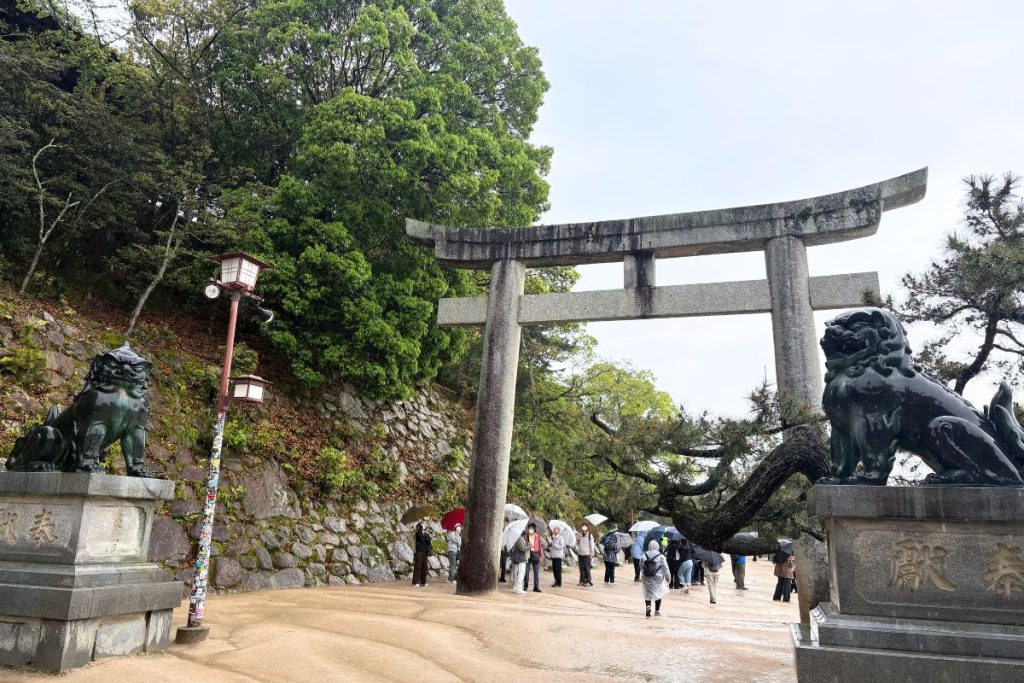
I also spent some time exploring some of the rest of the island. There are some fascinating facts and rules here:
- Shinto tradition forbids both birth and death on the island. There is neither a hospital nor a cemetery here, as both would sully its sacred purity.
- Strict tradition banned the cutting of trees on the island until the Meiji Restoration in 1868. This is why there is such a lush, ancient forest here on the island.
- An eternal flame (called Kiezu-no-hi, “the eternal fire”) has burned continuously since 806, when the Buddhist priest Kukai (Kobo Daishi) felt spirits on the island. He built a hall on Mount Misen and lit a fire for 100 days of training. That flame has reportedly been kept burning in the Misen Reikado Hall ever since.

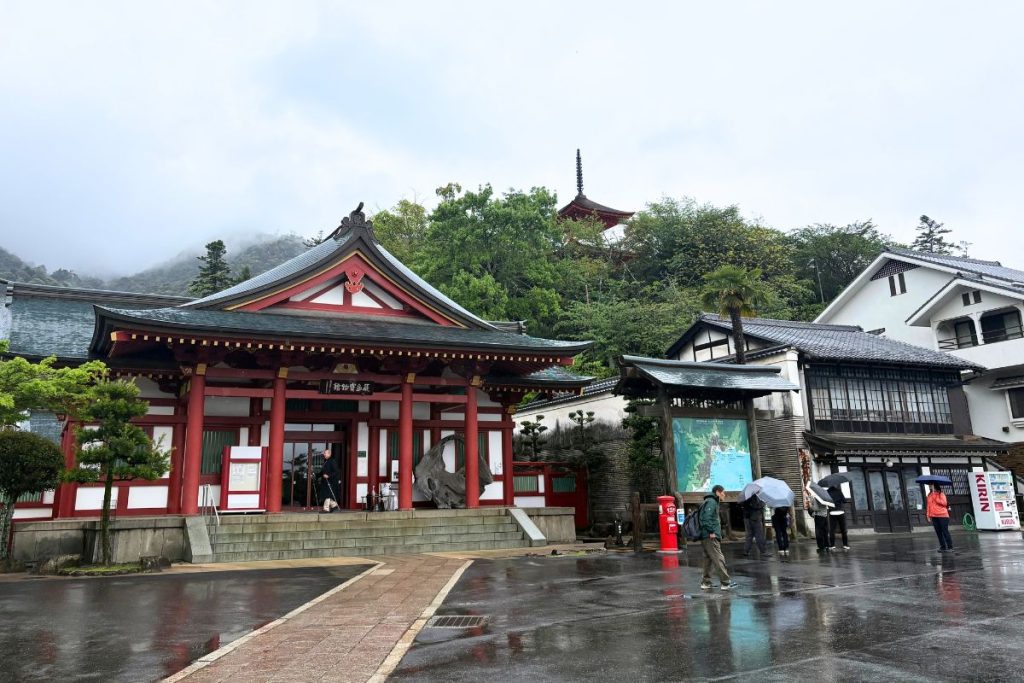
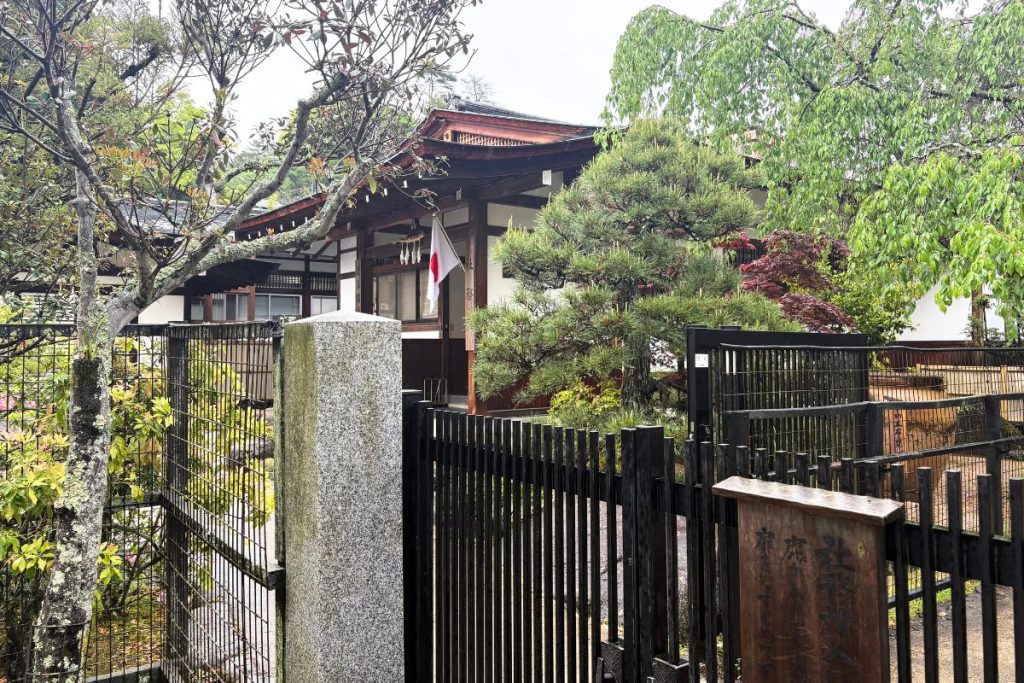
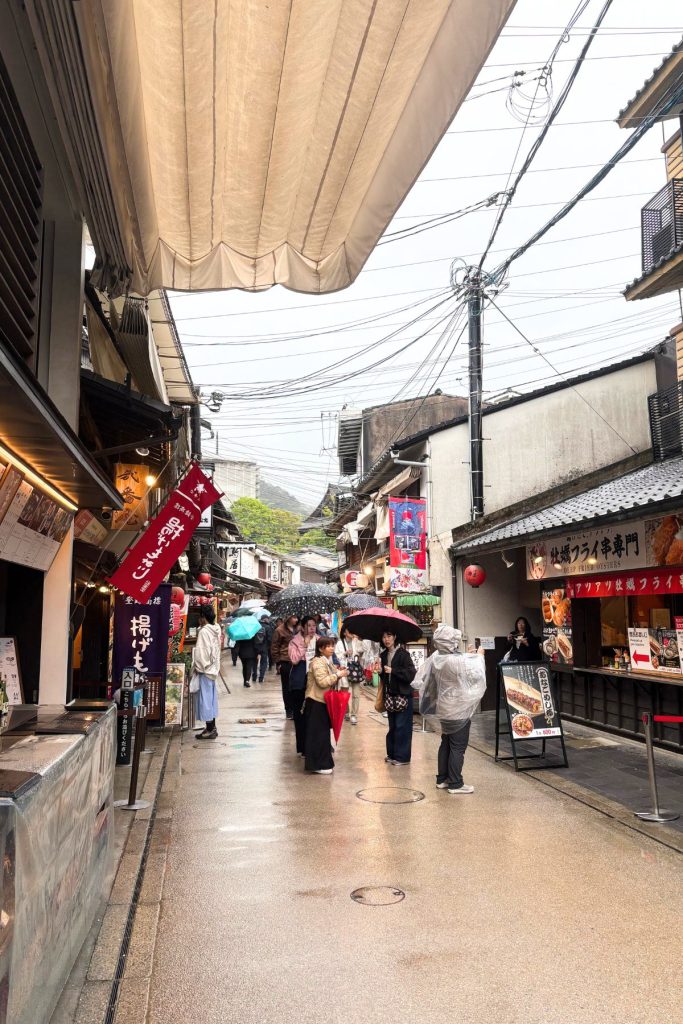
I also spent some time on the shopping street (Miyajima Omotesando Shotengai). This area includes narrow streets lined with various cafes, restaurants, and shops. I found a great local brewery here, Miyajima Brewery, and tried one of their local specialties: oyster stout! This area is the second-largest oyster producer in the world.

Miyajima Island Deer
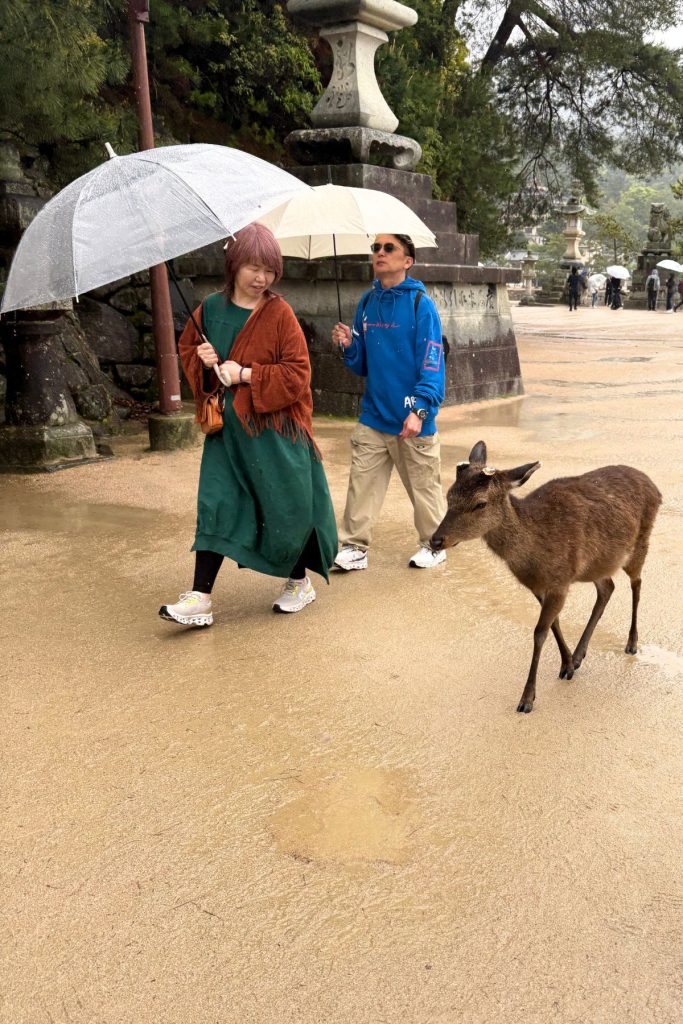
There are also a lot of wild deer wandering everywhere here on Miyajima Island! The island is full of wild shika deer, considered messengers of the gods. They roam freely and easily interact with everyone. Be careful around them, though, as they eat everything (including paper!). So be sure to keep a close eye on anything you have, including food, money, and tickets, as they may very well become a snack for the deer.
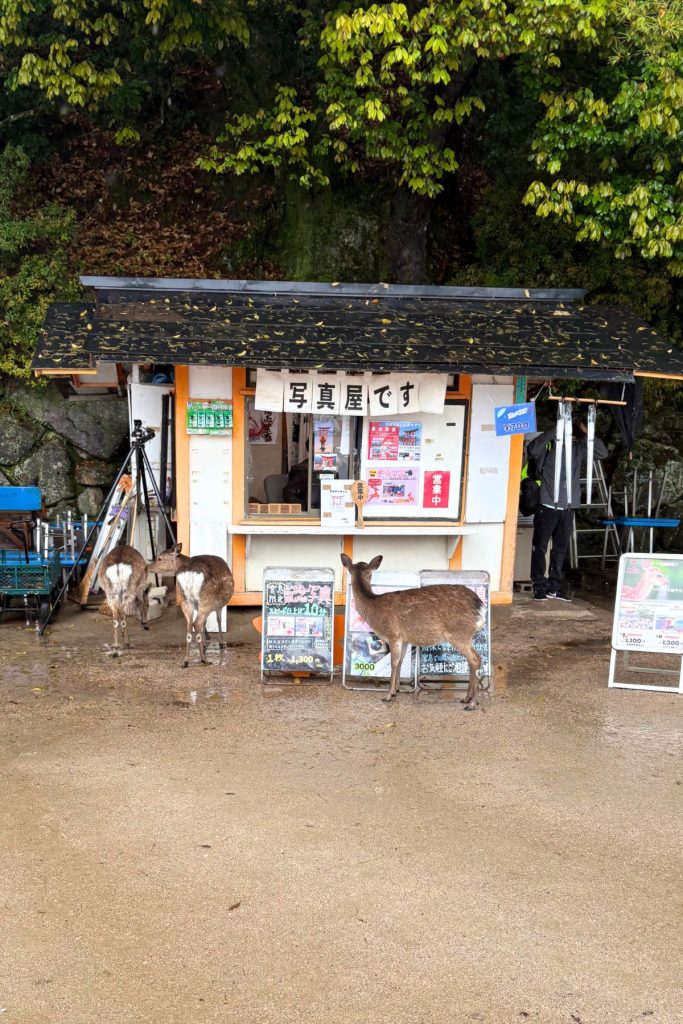
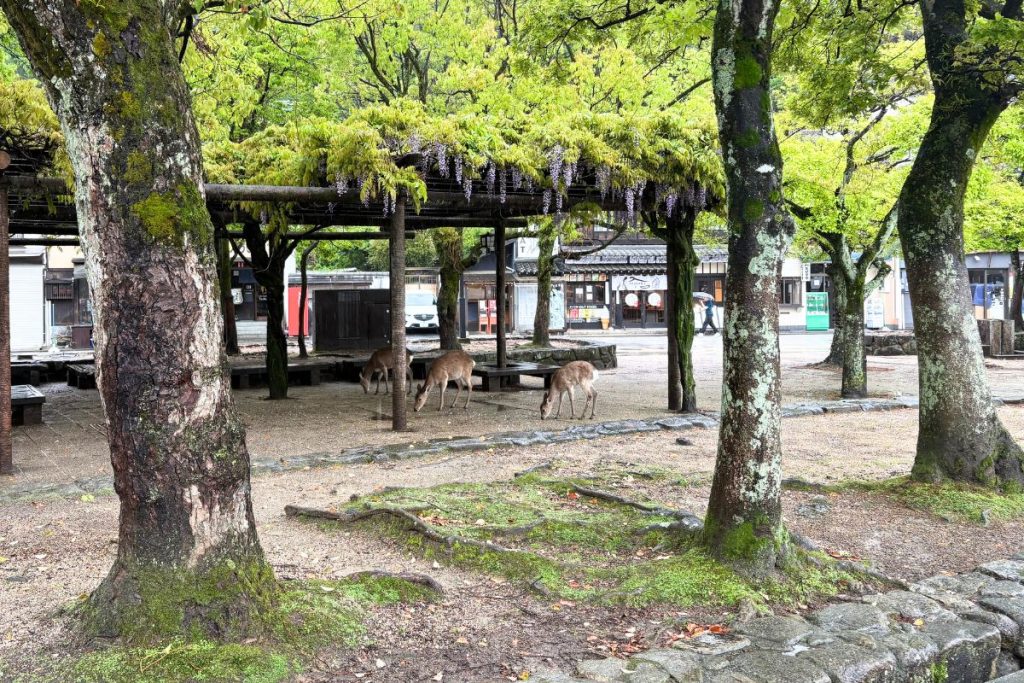
- While Miyajima Island is very doable as a day trip from Hiroshima, including an overnight stay will let you experience more of the island.
- Momiji-manju, a maple-leaf-shaped cake filled with sweet red bean paste, is the island’s signature sweet treat. It is available everywhere here!
- The JR Pass covers the JR Ferry from Miyajimaguchi.
Peace Memorial Park
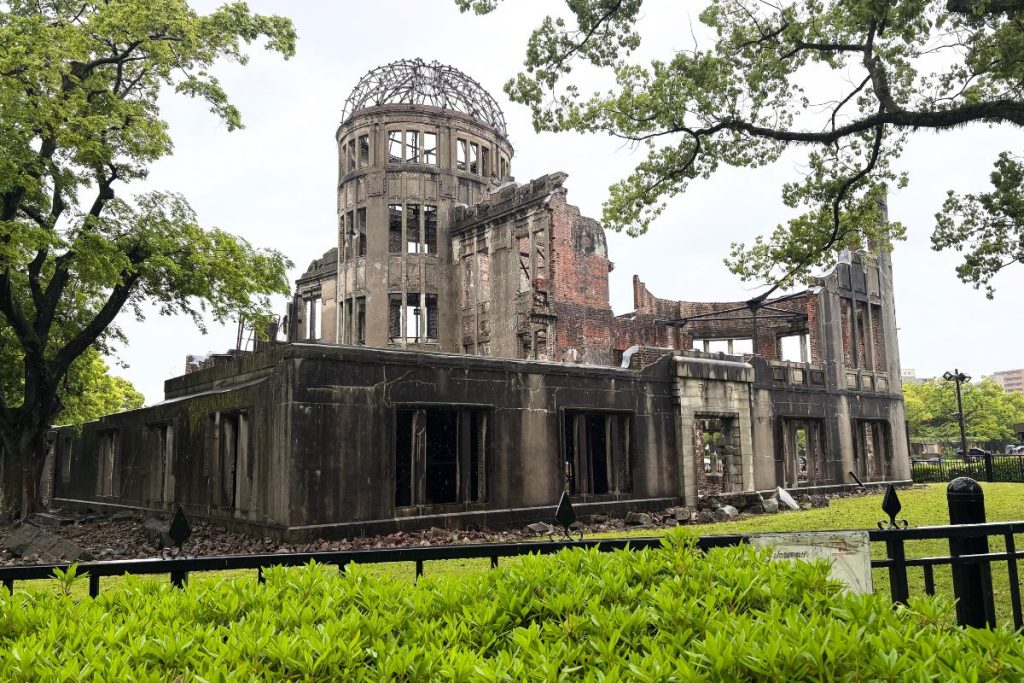
After visiting Miyajima Island, we took the ferry back to the mainland. Once back in Hiroshima we visited Peace Memorial Park, an evocative landscape dedicated to remembrance and reflection. This solemn area, in the center of Hiroshima, is a reminder of the atrocities that happened here…Hiroshima was the first city in the world to suffer a nuclear attack. Four years to the day after the bomb dropped, city leaders made a defining decision. They would not rebuild the area, but instead dedicate it entirely to peace memorial facilities. Today, the Peace Park area is a large complex with approximately 60 monuments and memorials.
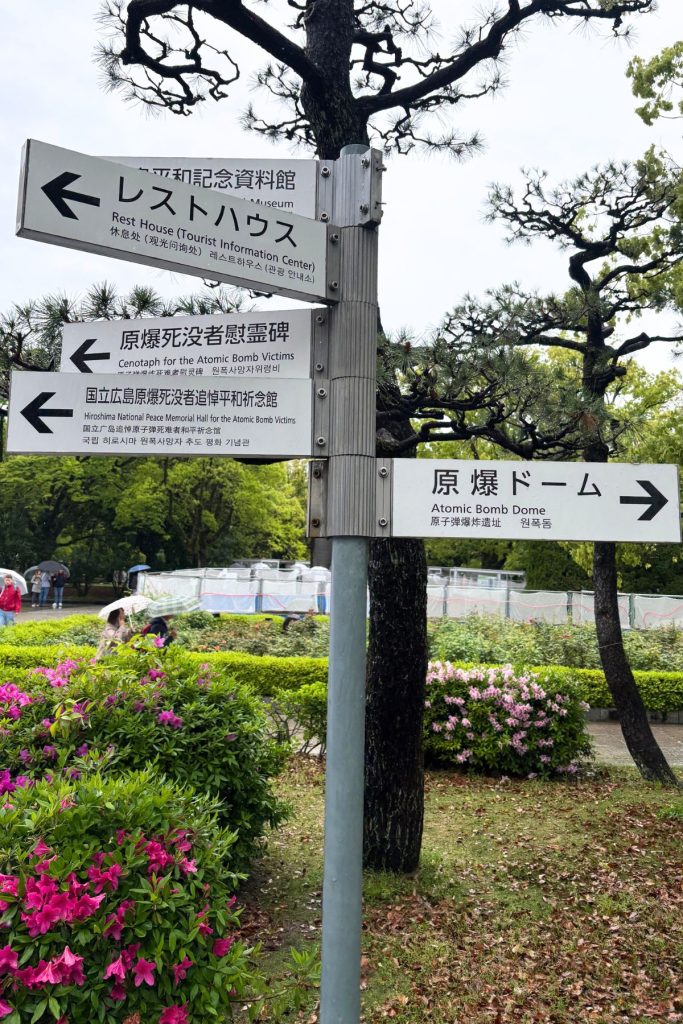
Atomic Bomb Dome
We saw the haunting Atomic Bomb Dome (Genbaku Dome), the preserved remains of the former Industrial Prefectural Promotion Hall. Its bold, European-style design turned heads when it was built in 1915. Before the bomb, this area was the political and commercial heart of Hiroshima, thus why it was chosen as the pilot’s target.
The powerful bomb stripped away much of the building’s exterior. The skeletal frame survived, however. This striking image is the first thing you see when you approach the Peace Memorial Park from the Motoyasu River. It was declared a UNESCO World Heritage Site in 1996.
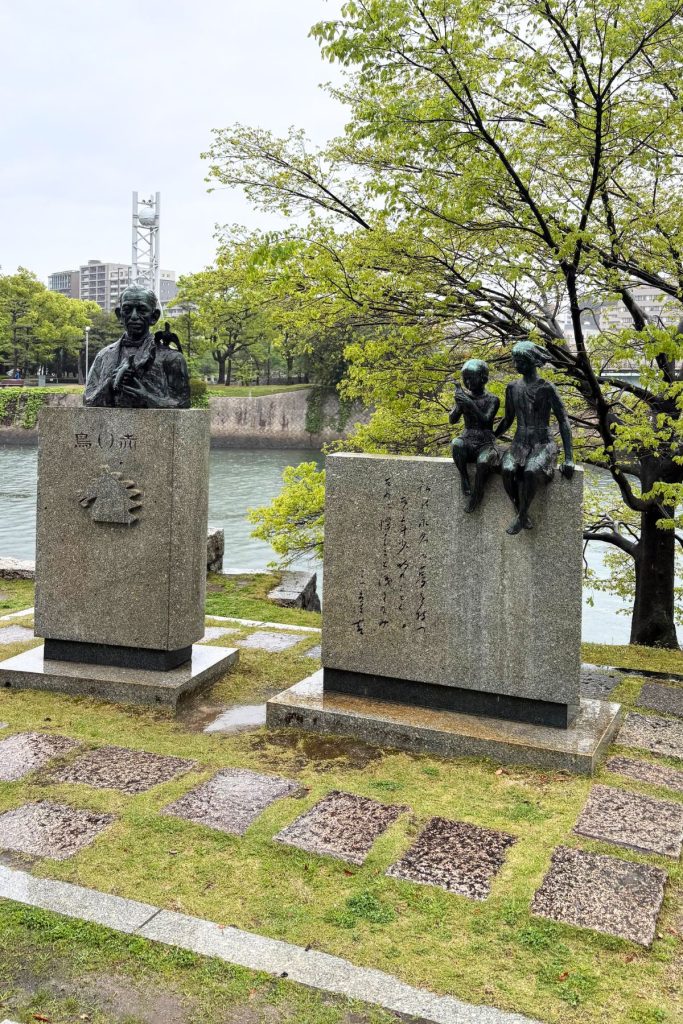
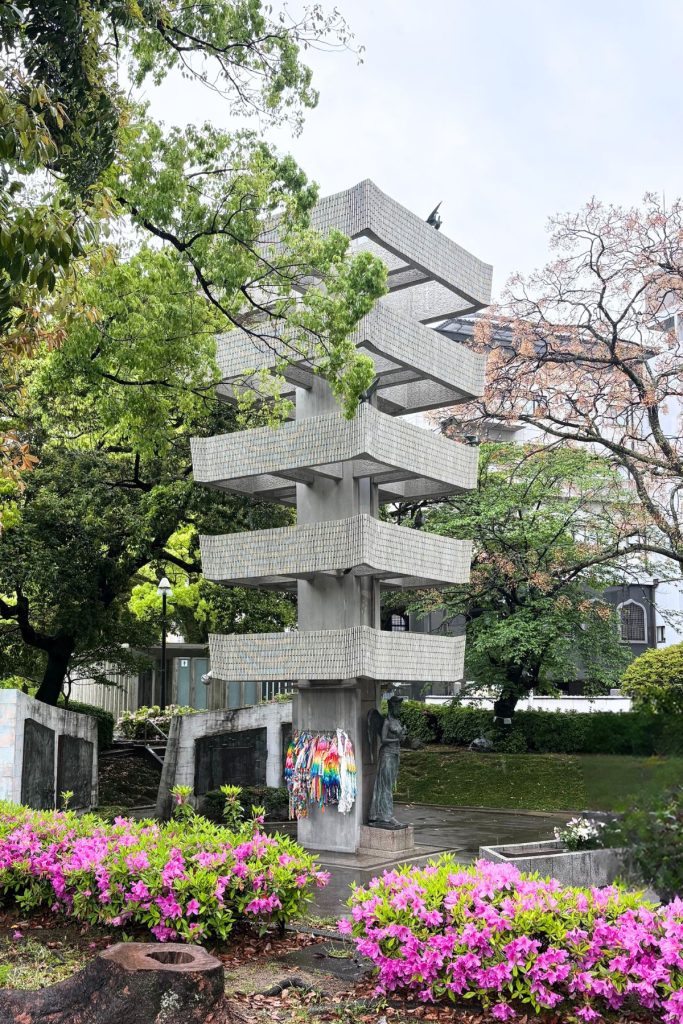
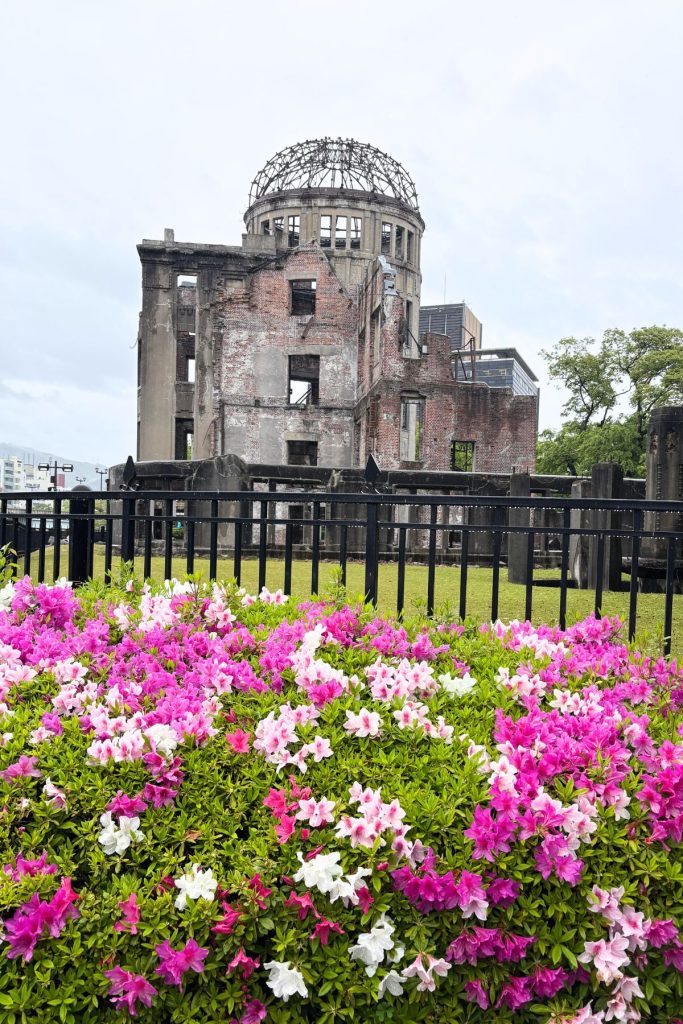
Various sculptures and memorials fill the area around the Atomic Bomb Dome. There are also several fountains and garden areas teeming with brightly colored flowers.
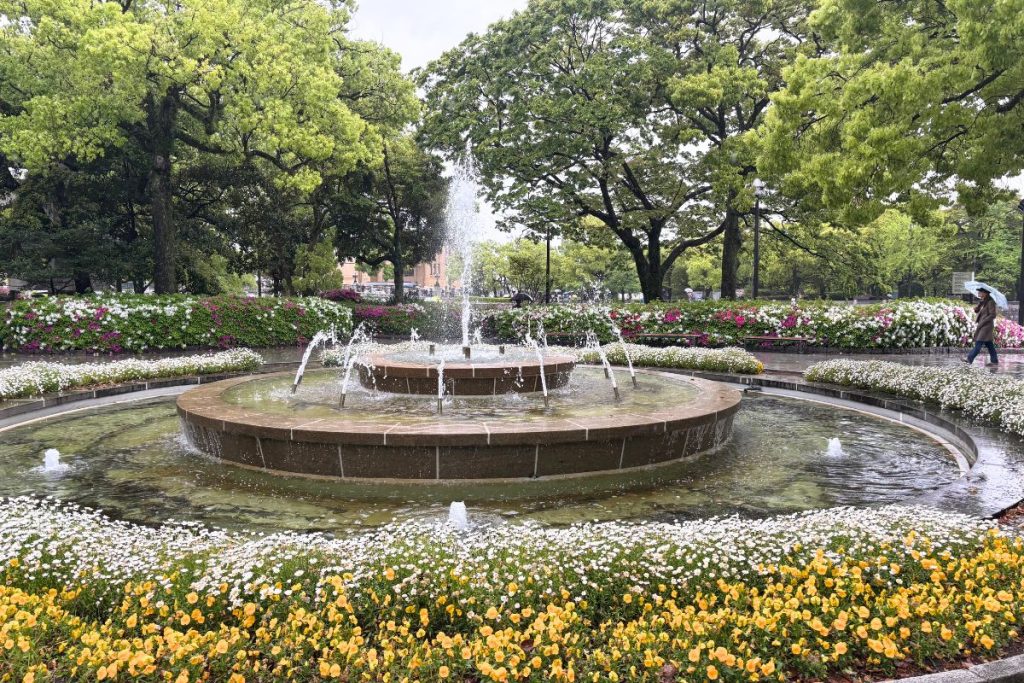
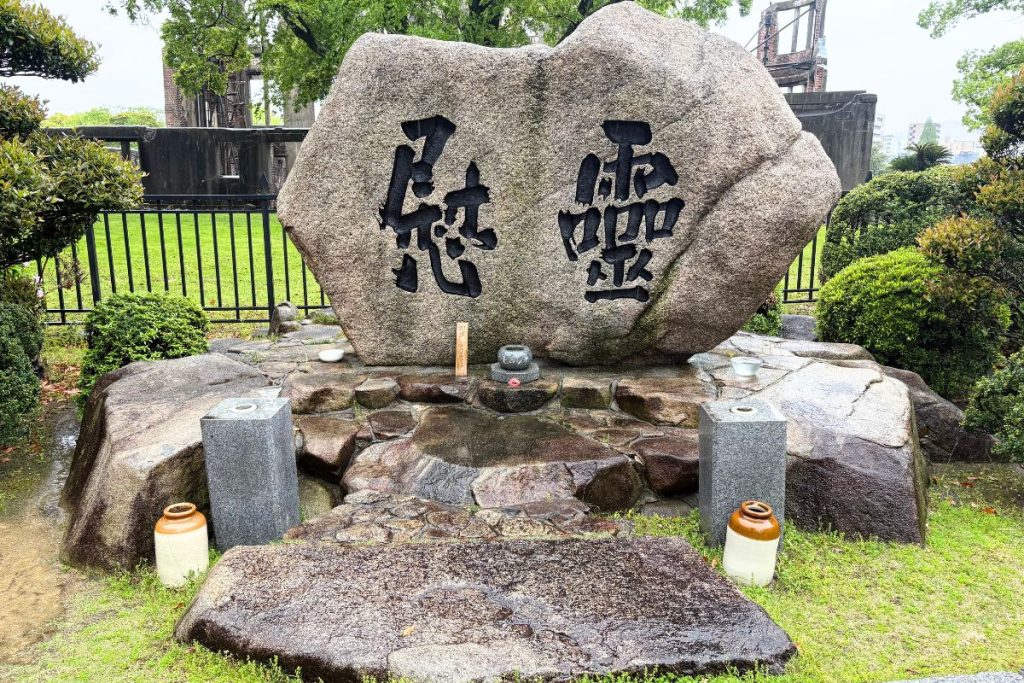
Cenotaph for Victims
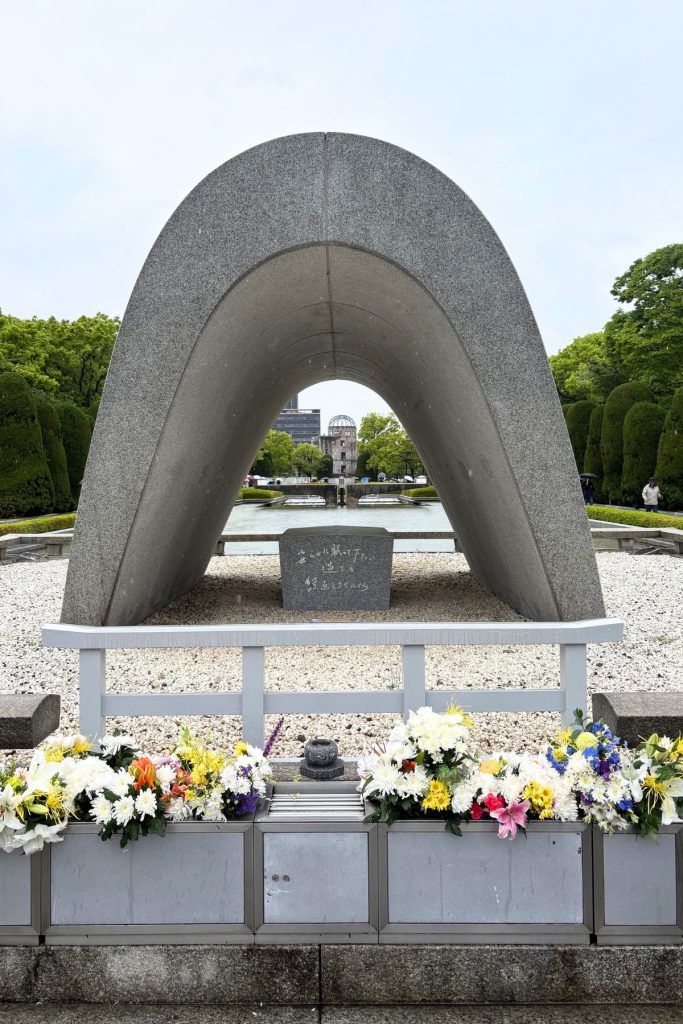
Within the park, the Cenotaph for the A-Bomb Victims honors those lost. An eternal flame (known as then Peace Flame) burns here to honor the victims.
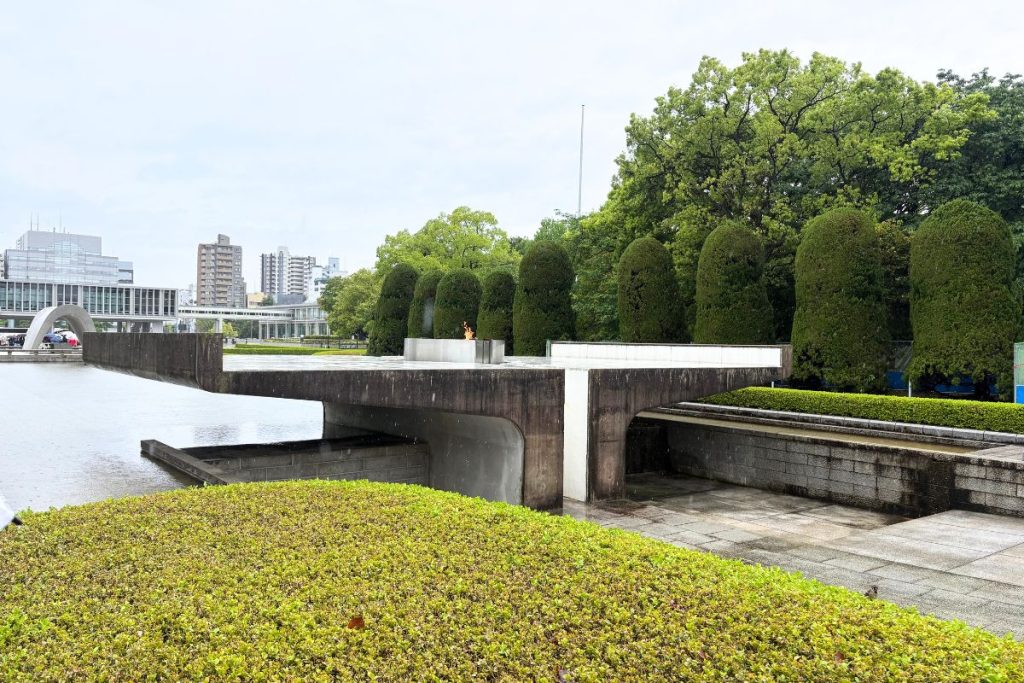
The Cenotaph includes the names of every person confirmed to have died from the bombing and its aftermath, not limited by nationality. The number continues to grow, as radiation-related deaths are still recorded today. There were nearly 300,000 names here as of August 6, 2015. Looking through the arch of the Cenotaph, you can see perfectly aligned views of both the Peace Flame and the Atomic Bomb Dome.
The Children’s Peace Monument
Sadako Sasaki was just two years old when she was exposed to the atomic bomb. While she appeared to not have any injuries after the bombing, she suddenly developed signs of illness nine years later when she was diagnosed with leukemia. She believed that folding paper cranes would help her recover. She kept folding them until her death on October 25, 1955.
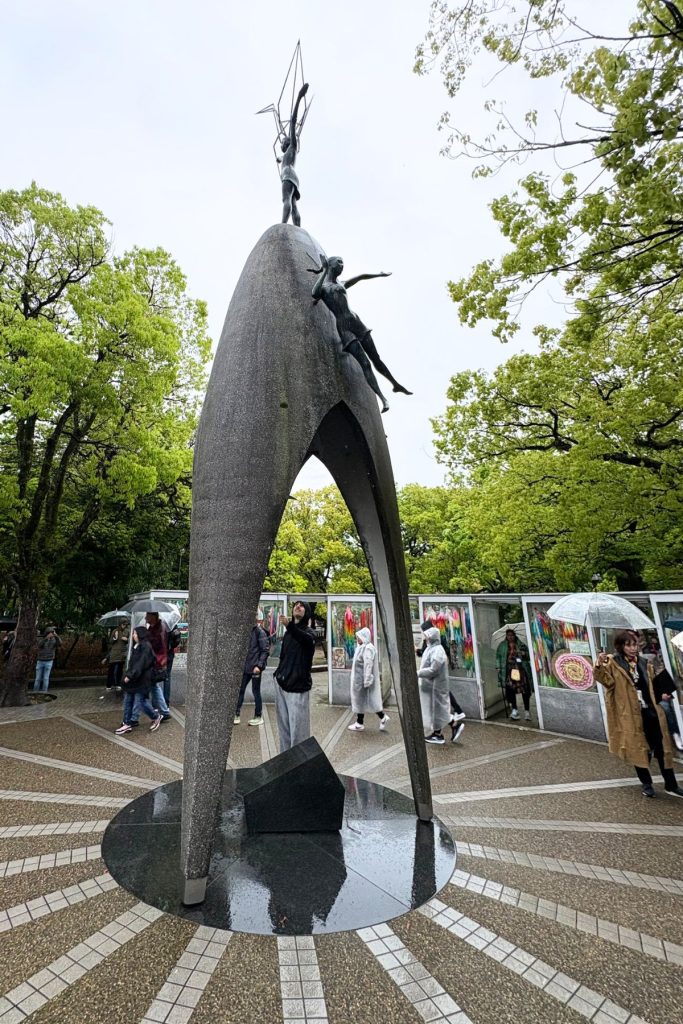
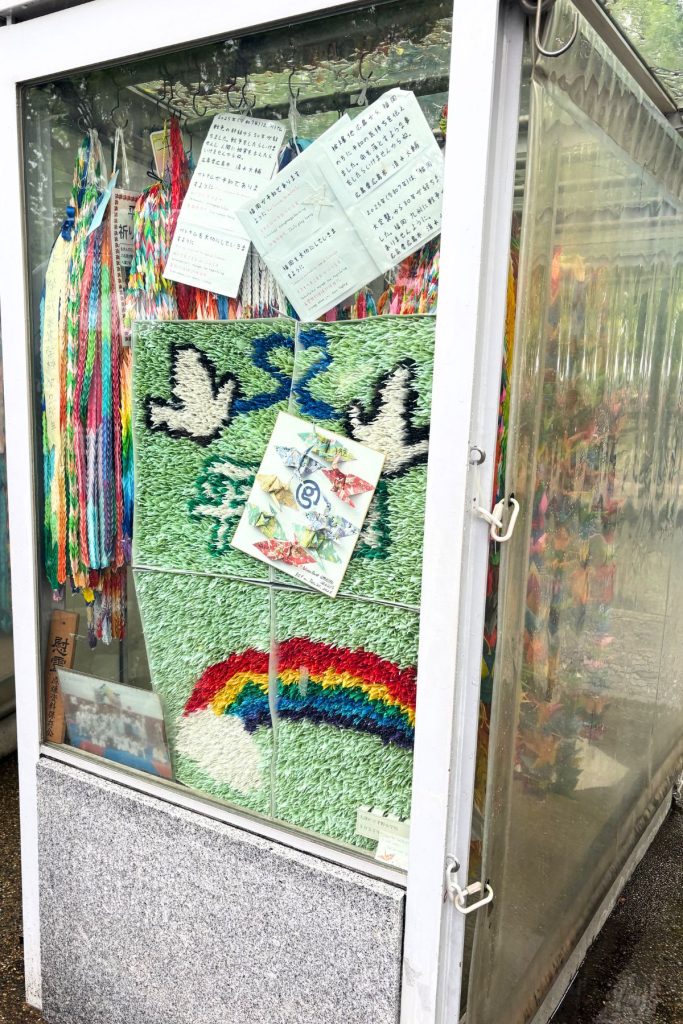
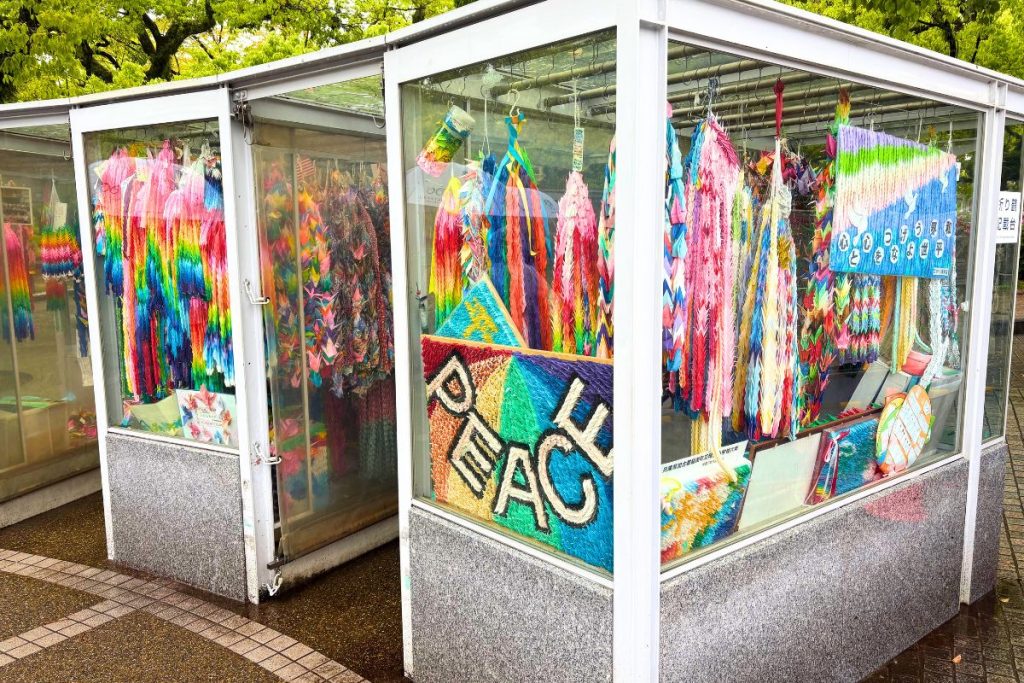
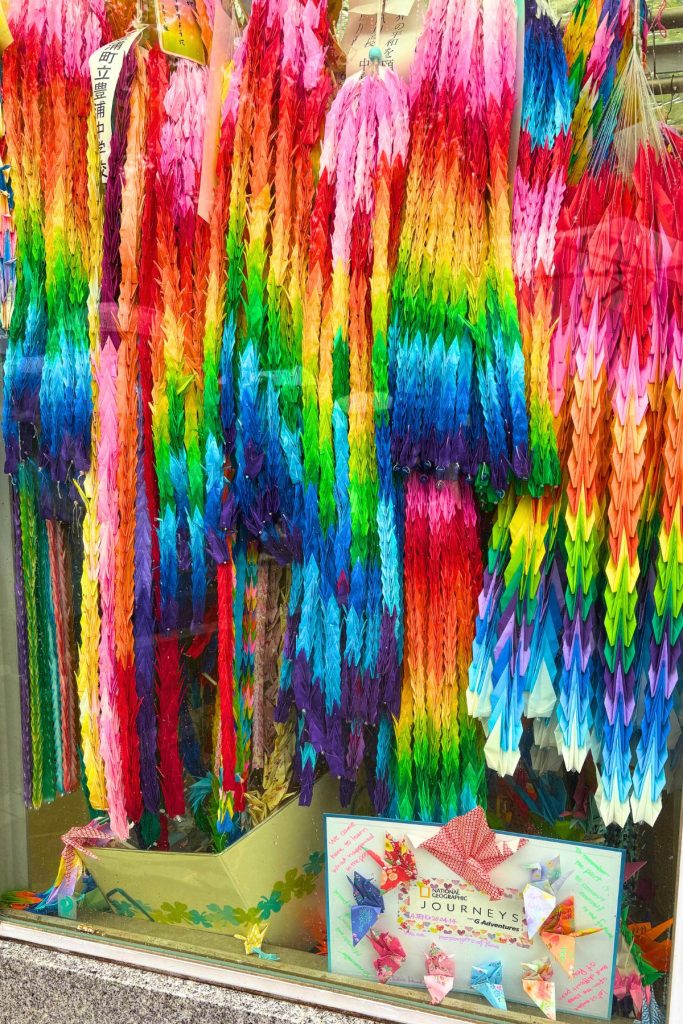
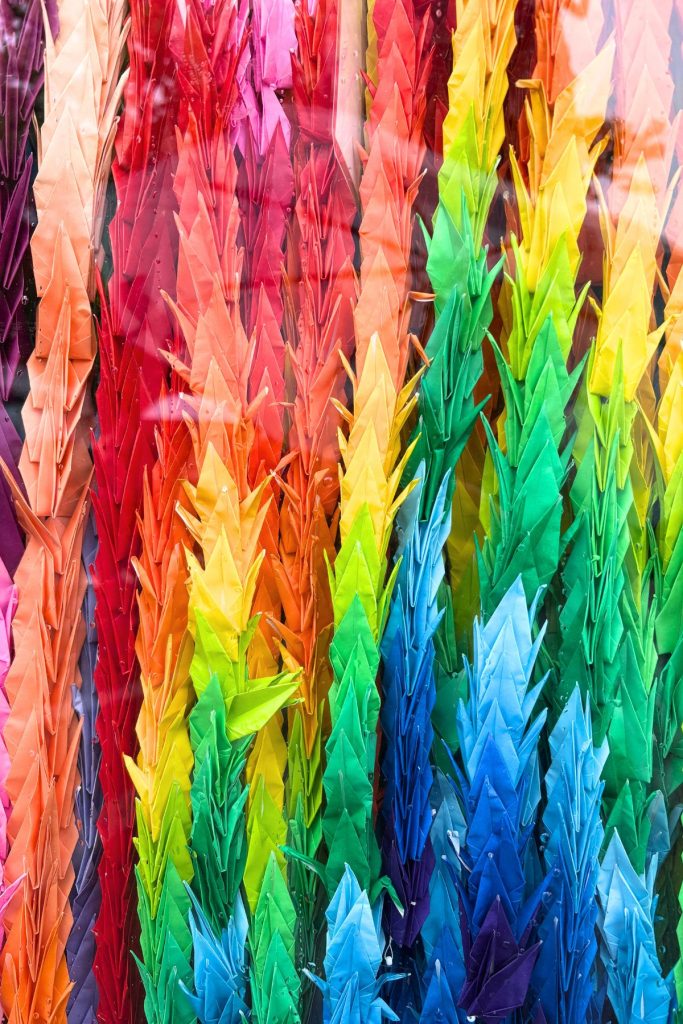
Her classmates, joined by students from 3,100 schools in 9 foreign countries, launched a campaign to raise funds for a monument to honor her. The Children’s Peace Monument was unveiled here in the Peace Park on May 5, 1958. A series of several display cases filled with colorful paper cranes are arranged around a large sculpture depicting children having fun. Approximately 10 million paper cranes are now offered at the monument each year. Anyone is free to bring or mail cranes to be added to the collection here.
Peace Memorial Museum
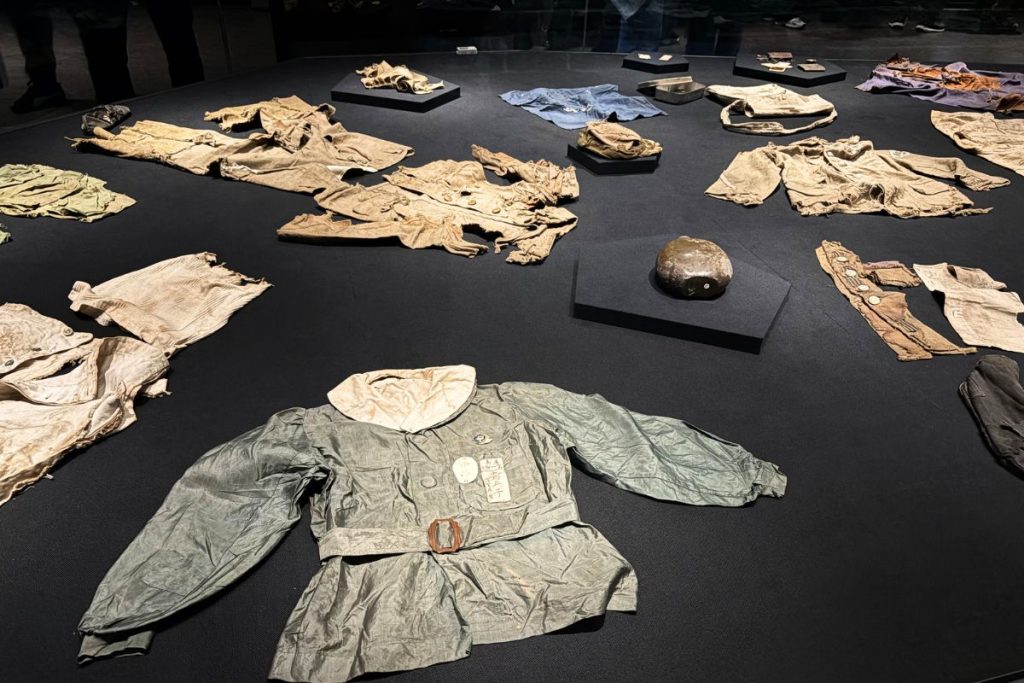
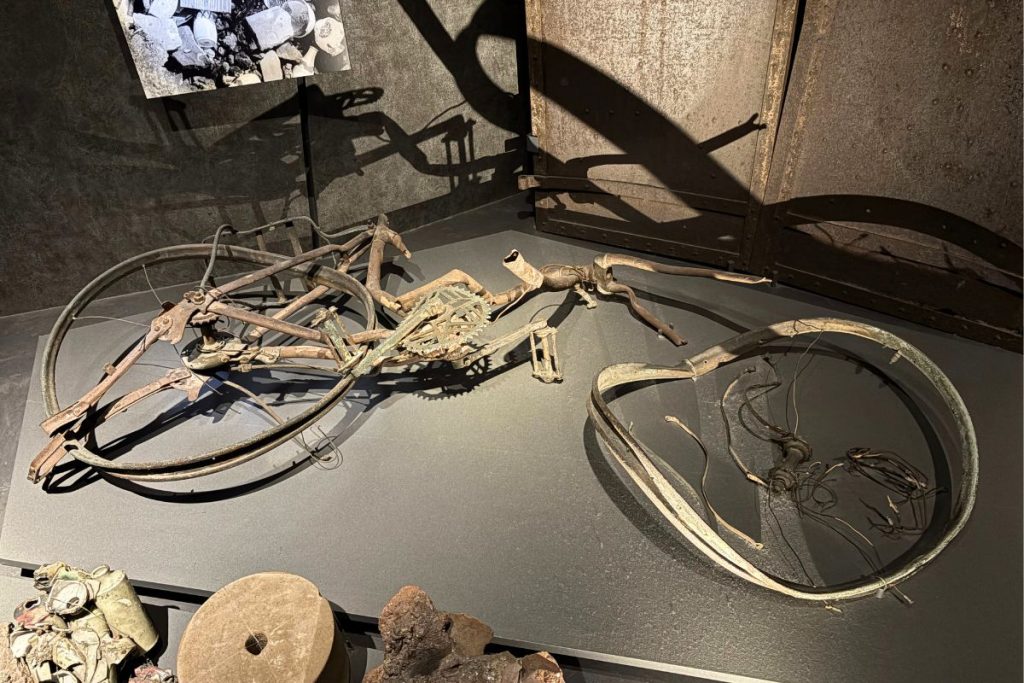
The Peace Memorial Museum presents a poignant collection of artifacts that convey both the devastation and enduring hope of the city. There are two main buildings. The displays, often including unfiltered photographs and depictions of the horrors, walk through the history and human suffering of the bombing.
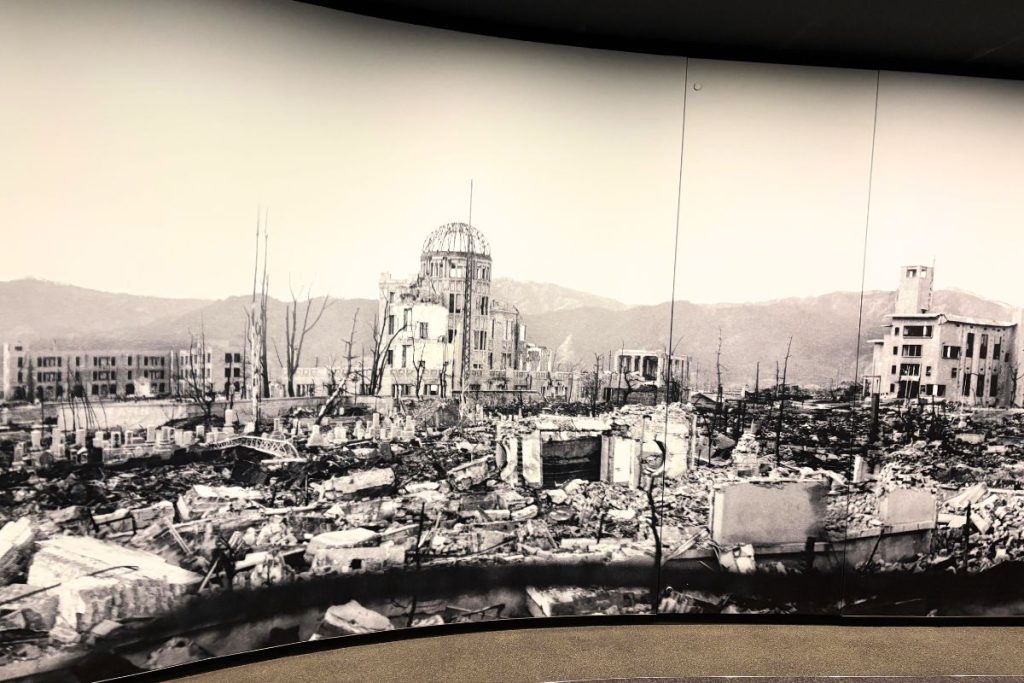
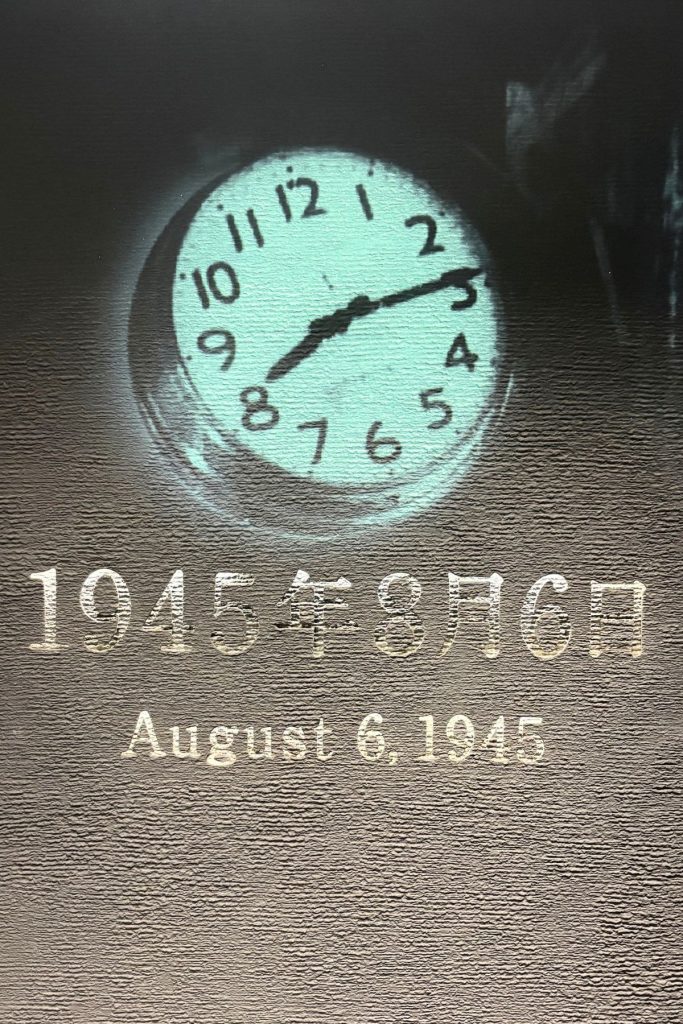
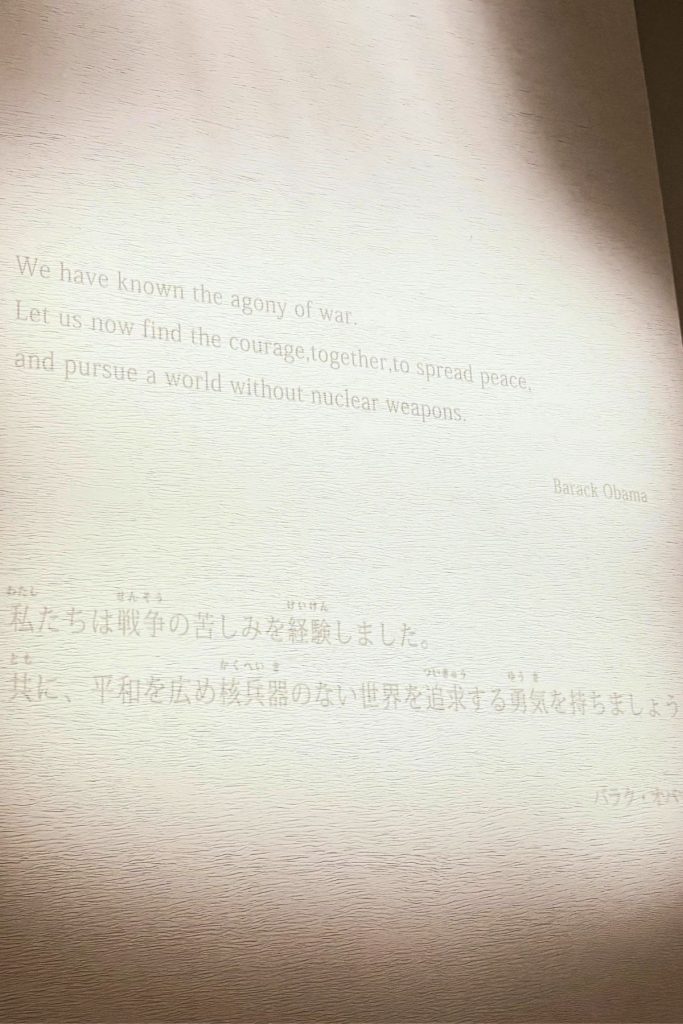
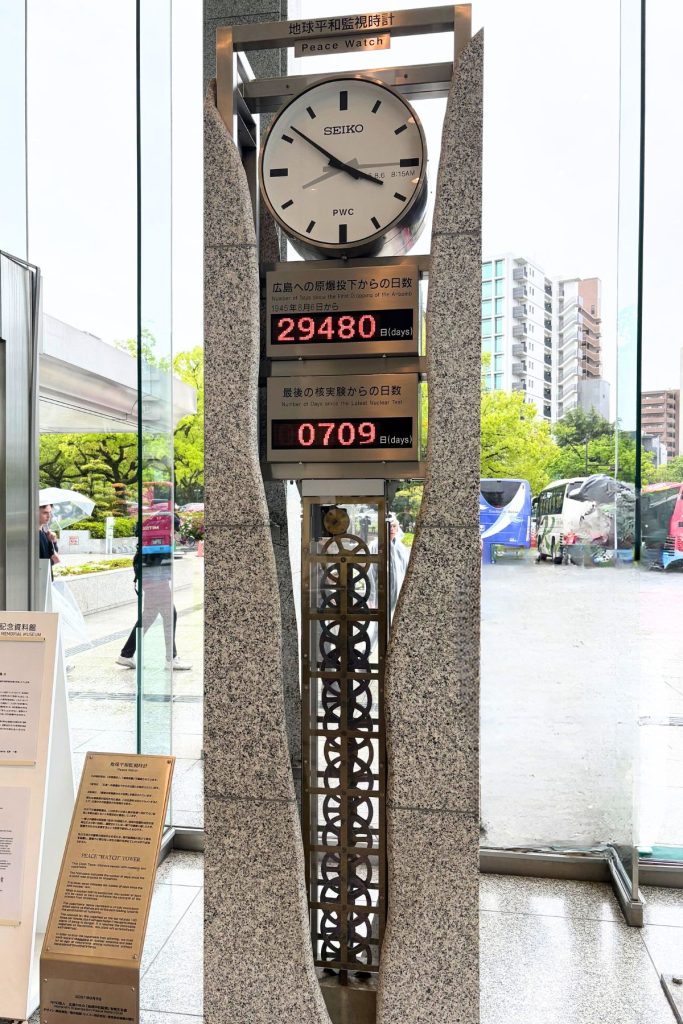
Unfortunately, the museum was VERY crowded when we visited on this rainy afternoon. It was difficult to see many of the displays. Also, we had a relatively short amount of time to spend here, so I ended up having to speed through most of the museum. I would definitely recommend visiting the museum in the morning, when you have at least 2 hours to spend here.
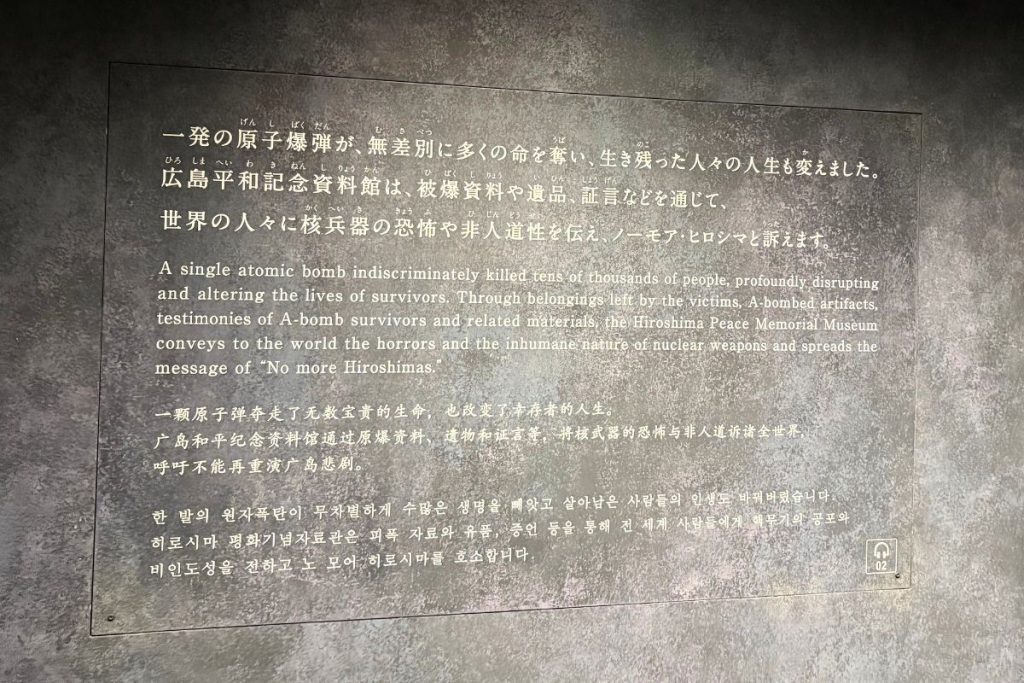
The starkness of the displays is meant to be a reminder and deterrent to the horror caused by nuclear weapons. Photographs, videos, stories, and artifacts are well presented to tell the stories of the horrific events.
- There is a somber tone throughout the Peace Memorial Park. It is customary to remove your hat and bow in a moment of silent prayer at the Cenotaph. Be sure to keep voices low and be respectful of others throughout the entire park complex.
- The museum can get VERY busy. Allow at least 1.5 to 2 hours to get through the entire museum, and be patient as you work your way through the crowded interior.
- Early morning is the ideal time to visit the Peace Memorial Park. Once tour groups arrive mid-day, the area becomes very crowded.
Lunch in Hiroshima
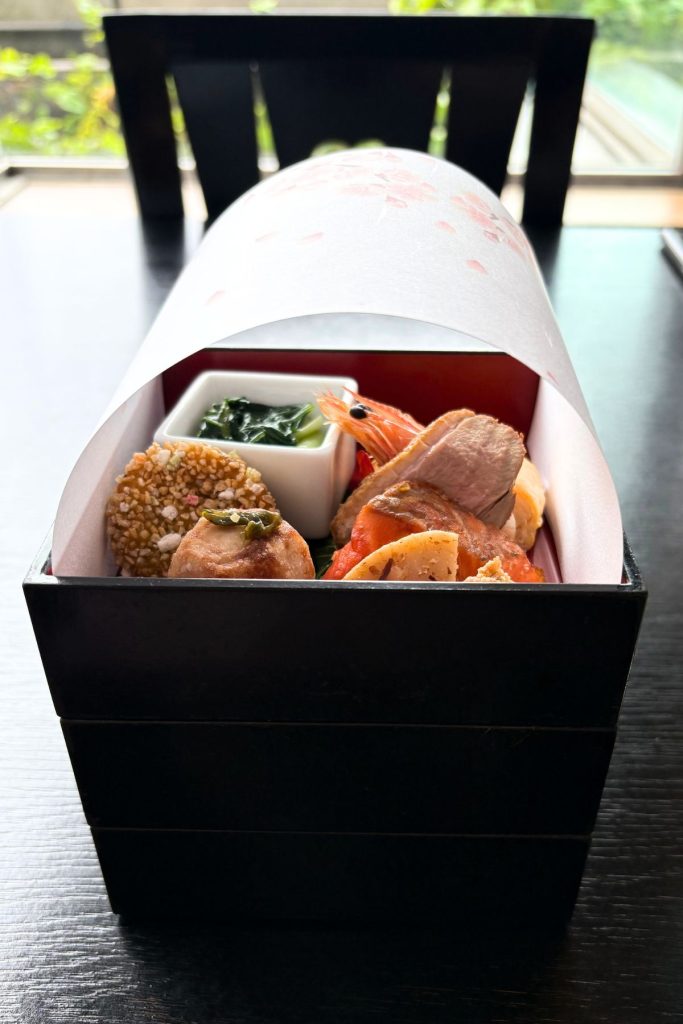
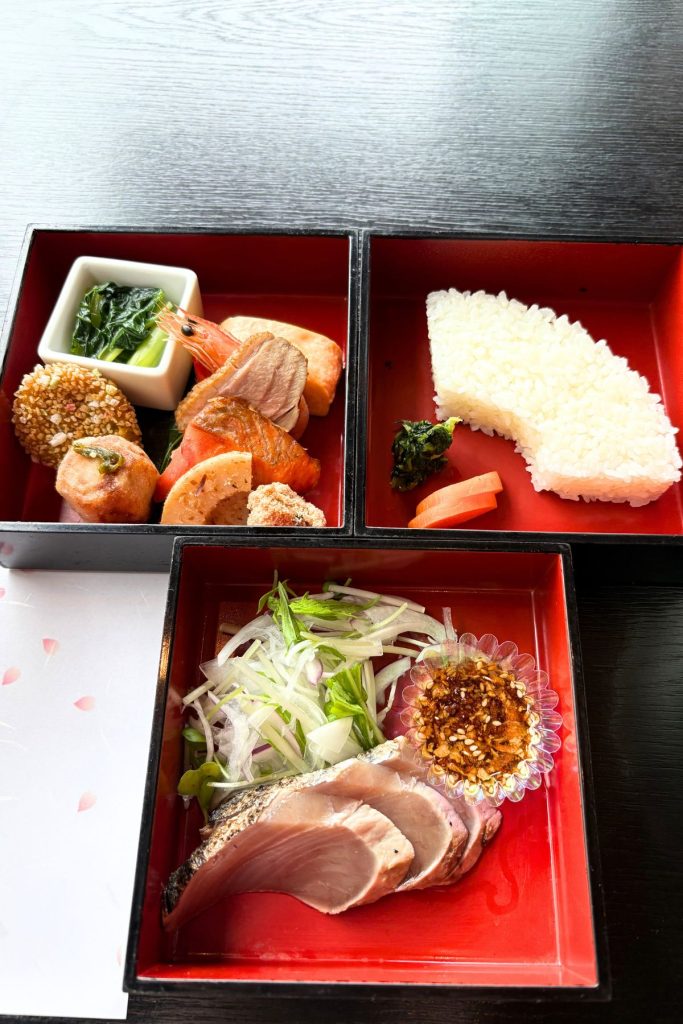
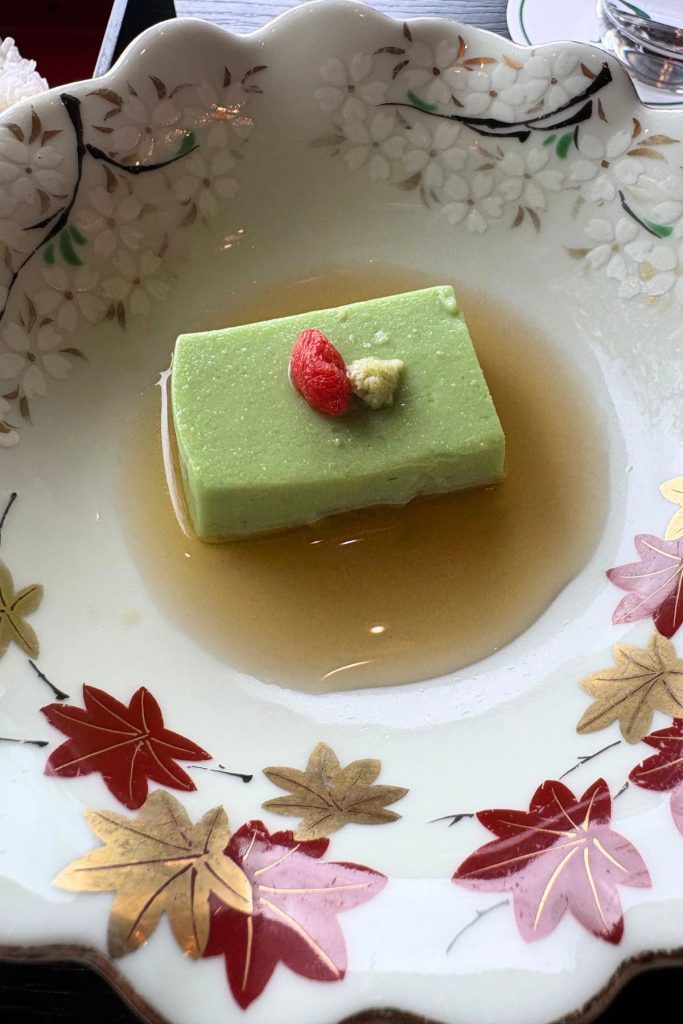
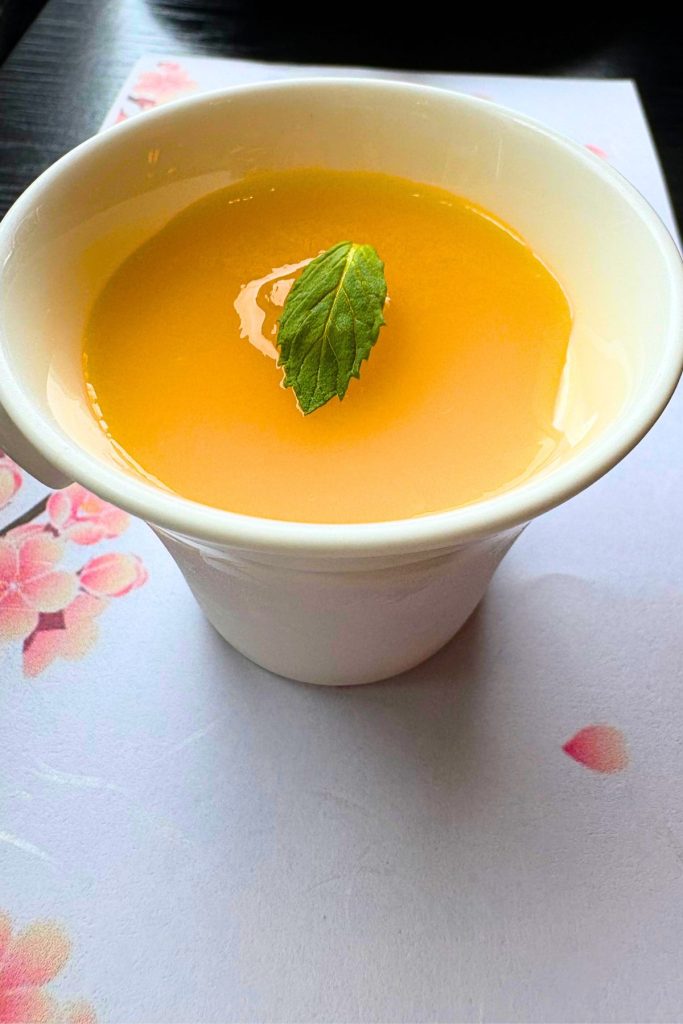
During my excursion, we enjoyed lunch at a very nice hotel in Hiroshima. We were presented with a beautiful tower of 3 lacquered boxes…each one held some delicious items. We also had some tofu, miso soup, tempura (which I forgot to take a photo of!), and a dessert. This traditional bento box lunch is a wonderful option here in Hiroshima and throughout Japan. It is a great way to sample a lot of different items, with many different textures and tastes.

Common Questions
Logistics
Yes you can, and that’s exactly what I did. I visited Miyajima in the morning and the Peace Memorial Park in the afternoon, and the order worked well. However, I definitely felt rushed at the museum, and I wish we had more time there. It’s not the kind of place you want to be watching the clock, and the crowds can be very heavy in the afternoons. If you can do two days, I would recommend it. But if one day is all you’ve got, visiting Miyajima first is the way to go. Just be prepared to spend less time than you’d like at the museum.
It takes roughly an hour to get from Hiroshima city center to Miyajima Island, using a combination of transportation. First, take a tram or train to Miyajimaguchi Station. Then, it’s a quick 10-minute ferry ride across to the Island. The ferry is a wonderful part of the experience, as you will get your initial views of the floating torii gate as you approach the island.
Timing
It depends on the tide. When the tide is low, the water recedes completely and you can walk right up to the torii gate and touch it. But when the tide is high, the gate is completely surrounded by water and therefore is not accessible on foot. There are pros and cons to both times: standing right next to the massive structure during low tide is amazing, but also the floating effect at high tide is definitely magical. Your best bet is to try to time your visit to catch both…check the tide schedule before you go (most hotels and tourism websites in Hiroshima have the daily tide times posted).
Both of these locations are great year-round. But the overall best times are spring and fall. During the spring, you may see cherry blossoms if you time it right, and the weather will be ideal for walking around both locations. Autumn can also be spectacular, with stunning fall foliage on display. Summer can be very hot and humid, and will have the largest crowds. Winter is the quietest and most affordable time of year to visit, although the weather will be colder. Consider avoiding August 6th, unless you specifically want to attend the Peace Memorial Ceremony…the park is extremely crowded on this day every year.
Even More Travel Ideas
Ancient Gates, Endless Streets: A Quick Dive into Tokyo’s Soulful East Side
Golden Walls, Nightingale Floors, and Cherry Blossoms: The Magic of Kyoto Awaits
From Crashing Waves to Castle Walls: A Perfect Day in Kochi, Japan