Golden Walls, Nightingale Floors, and Cherry Blossoms: The Magic of Kyoto Awaits
Kyoto is a city where history doesn’t just sit behind museum glass — it surrounds you, and occasionally squeaks beneath your feet. From a golden temple that literally glitters in the sunlight, to a centuries-old castle built by a shogun so paranoid he lined the floors to chirp like birds, to shrine gardens so serene they feel like stepping into a painting, Kyoto is unlike anywhere else on earth. Pack your bags and get ready to fall completely in love with one of Japan’s most extraordinary cities.

In this guide, I will take you through three of Kyoto’s most iconic landmarks — the dazzling Kinkaku-ji Temple (Golden Pavilion), the historically rich Nijō Castle, and the breathtaking Heian Jingū Shrine and its legendary gardens. Along the way, you’ll discover the fascinating stories behind each site, from a shogun’s bold display of power to a shrine built to honor the emperors who shaped the city. Whether you’re planning your first visit to Kyoto or simply dreaming of one, consider this your insider’s roadmap to the magic that awaits.
Three Landmarks, One Legendary City
I spent a day in Kyoto during a cruise through Japan. The ship docked in Kobe, Japan. From Kobe, I joined a group excursion to visit Kyoto. If you are visiting Kyoto from Kobe, the driving distance from Kobe to Kyoto is approximately 47 miles (76 kilometers). It was about a two-hour bus ride each way, but it was well worth it!
Getting To and Around In Kyoto
Kyoto sits in the Kansai region, which is one of Japan’s most densely packed areas for historic cities and landmarks. This makes Kyoto ideal for day trips, and many travelers use Kyoto as a central base to explore the entire region. Other nearby cities to Kyoto include:
- Osaka – about 15-30 minutes by train
- Nara – about 35-45 minutes by train
- Nagoya – about 35 minutes by Shinkansen (bullet train)
- Kobe – about 50-70 minutes by train, depending on the route
- Hiroshima – about 1.5 hours by Shinkansen (bullet train)
- Tokyo – about 2-2.5 hours by Shinkansen (bullet train)
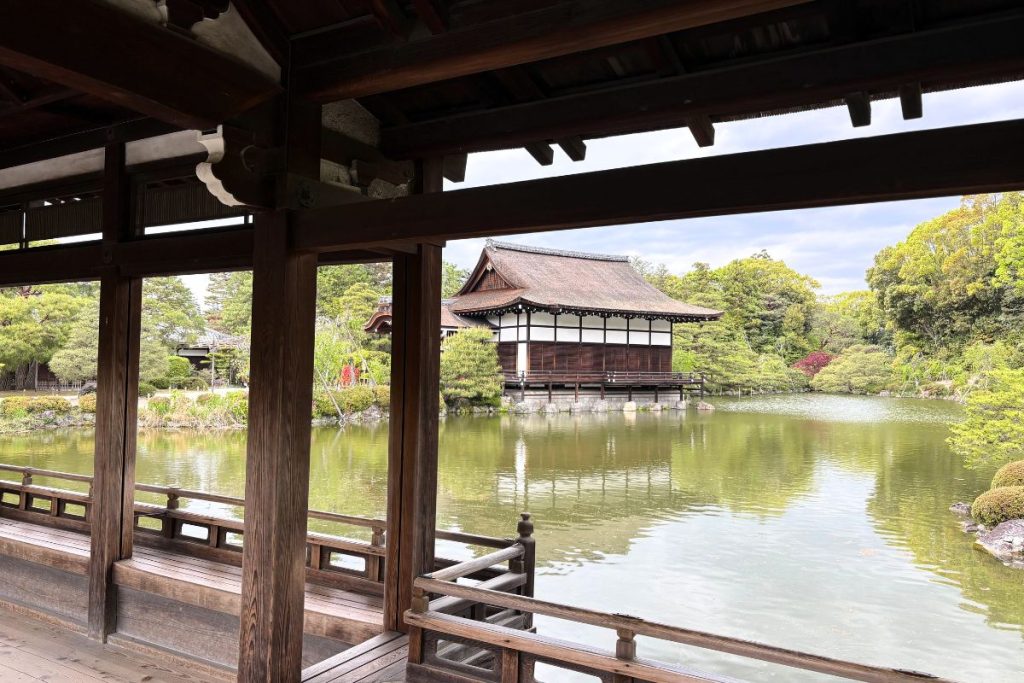
Getting around in Kyoto is easy as well. There is a subway system with two lines: the Karasuma Line runs north-south and the Tozai Line runs east-west. The two lines intersect at the Karasuma-Oike Station, so you can easily transfer from one to the other. IC cards like Suica and ICOCA work here as well, and fares start at around ¥220 (they vary by distance). For the three landmarks covered in this post, the subway gets you close to Nijō Castle and Heian Jingū Shrine. However, getting to Kinkaku-ji will require a bus or taxi from the nearest subway station. There is also a bus network that covers Kyoto.
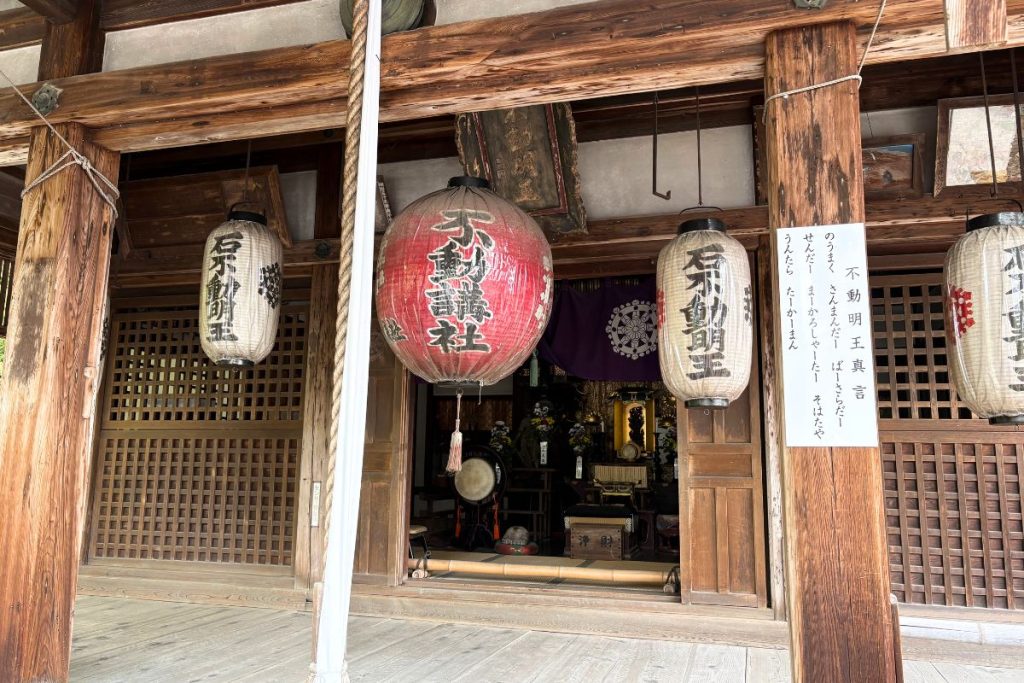
Kinkaku-ji Temple (Golden Pavilion)
Kinkaku-ji, commonly known as the Golden Pavilion, is one of Kyoto’s most iconic landmarks. It is a Zen Buddhist temple, a three-tiered pavilion famous for its top two floors completely covered in gold leaf. Each of the three floors represent a different architectural style: Heian aristocratic, samurai, and Zen. The beautiful temple provides a stunning reflection in the surrounding Kyōko-chi (Mirror Pond).
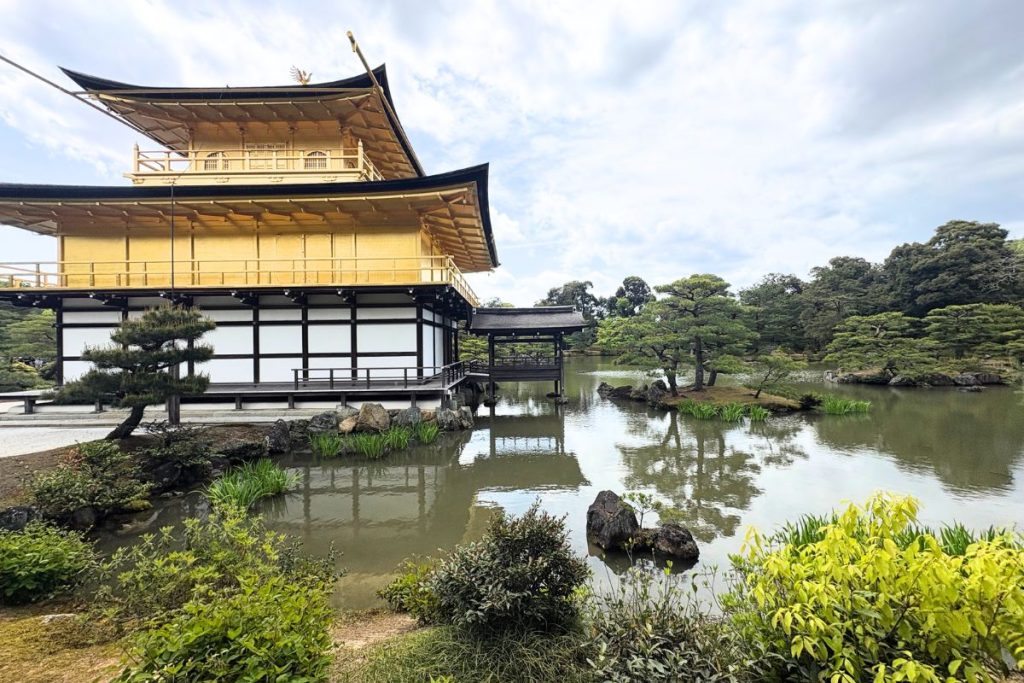
The history of this temple dates back to 1397, when shogun Ashikaga Yoshimitsu purchased the site and transformed it into the Kinkaku-ji complex. The building was converted into a Zen temple by his son upon his death, according to his wishes. Throughout its long history, the temple has burned down multiple times. The current temple was rebuilt in 1955 and stores sacred relics. While visitors cannot enter the pavilion itself, walking around it through the Japanese strolling garden and admiring the gorgeous sights makes it well worth a visit.
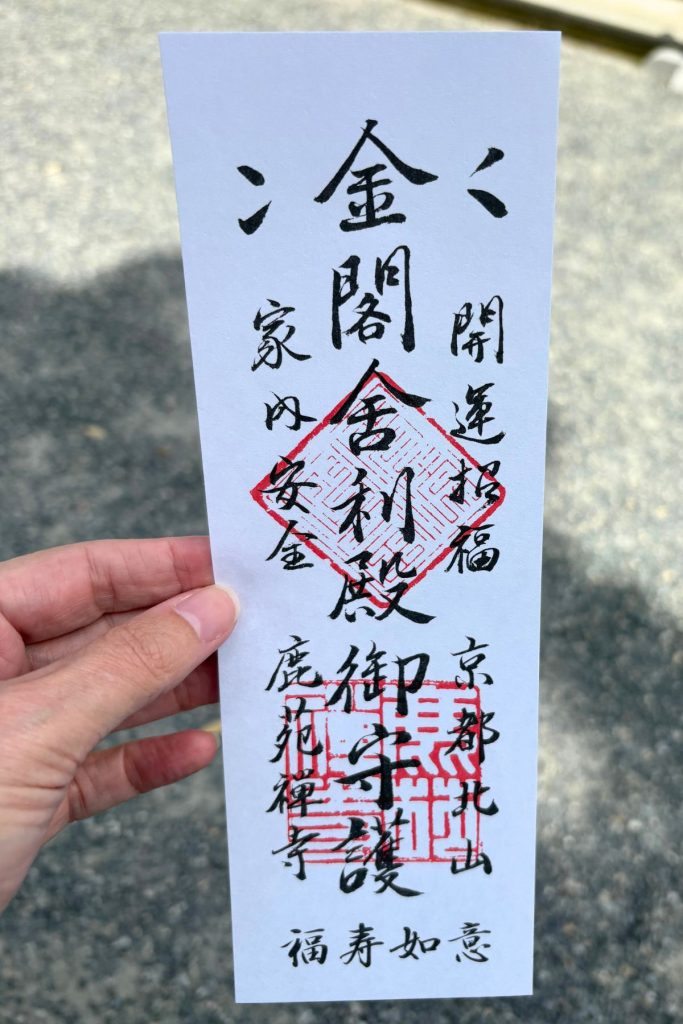
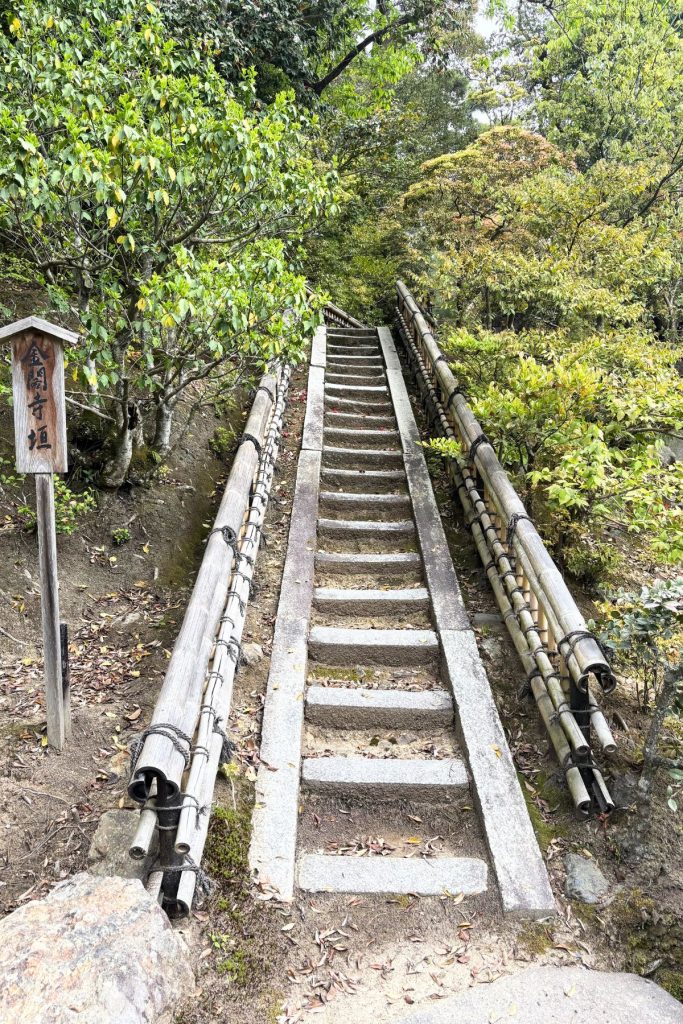
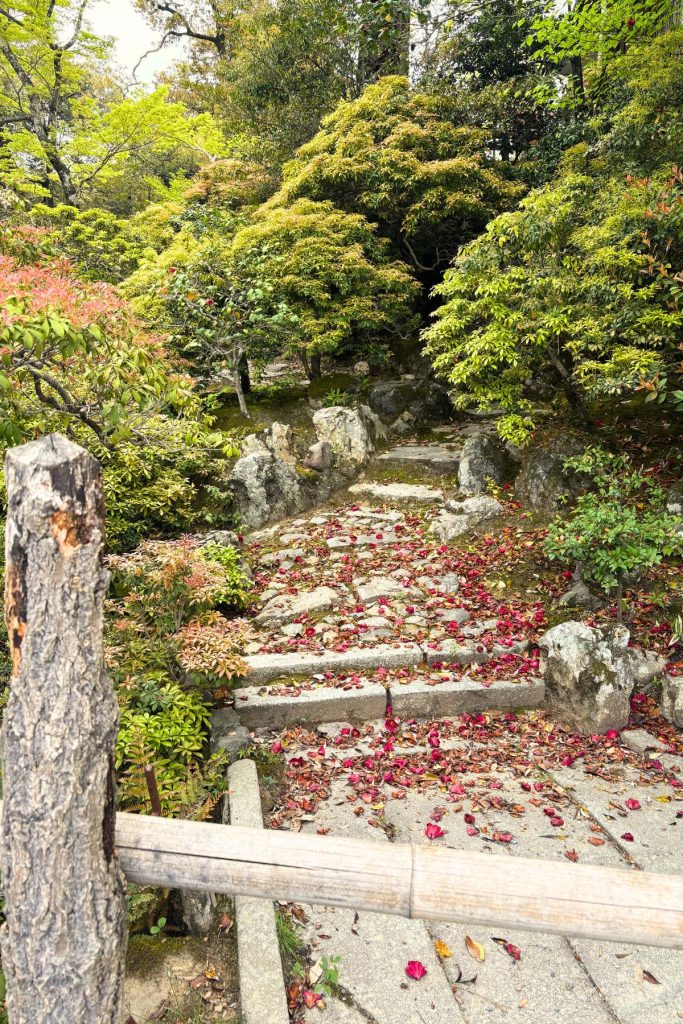
This first stop of my full-day excursion was the most elegant one. The sheer beauty of the Golden Pavilion is truly stunning. The surrounding Japanese strolling garden was a tranquil respite – the site was quite crowded when we visited!
- The path is one-way and entirely outdoors – you never go inside the pavilion itself. You can admire the pavilion from various viewpoints along the path, before exiting through the gardens.
- Visiting early in the morning is the best bet to try to avoid the large crowds and tour groups that start appearing mid-morning.
- Be sure to wear comfortable and sturdy shoes – the path is gravel the entire way.
Nijō Castle
Another celebrated landmark in Kyoto is Nijō Castle, arguably the best surviving example of castle palace architecture from Japan’s feudal era. Unfortunately there is no photography allowed inside the castle itself, but it is beautiful!
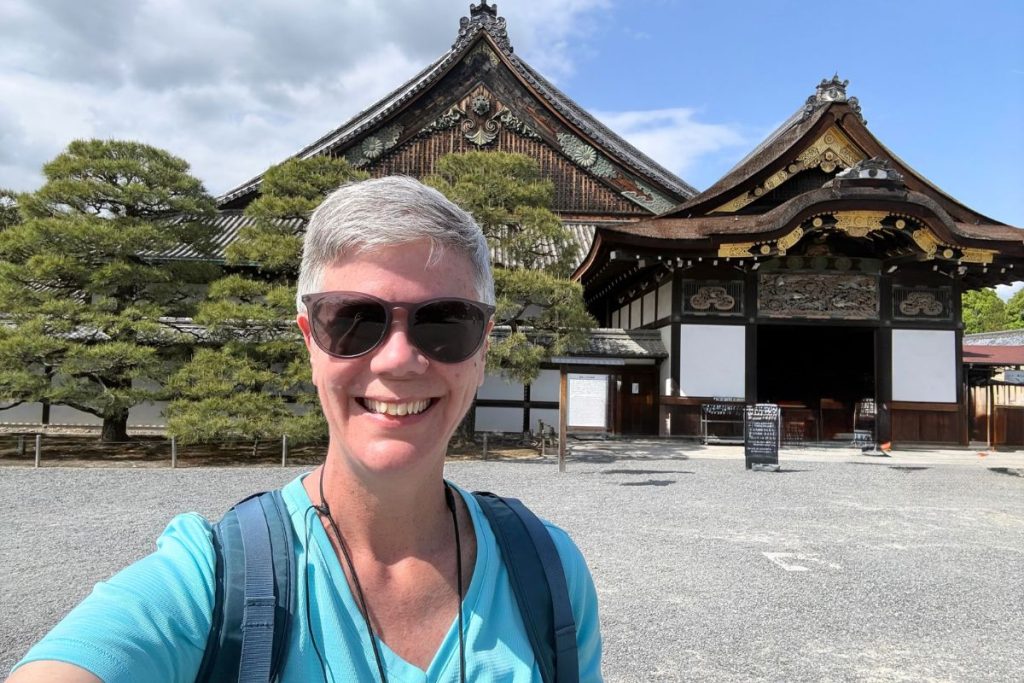
Nijō Castle Palace Buildings
Nijō Castle was built in 1603 as the Kyoto residence of Tokugawa Ieyasu, the first shogun of the Edo period. His grandson, Iemitsu, complete the palace buildings and expanded the castle 23 years later. It was purposely situated overlooking the nearby Imperial Palace, as a way to show the power the shogun had over the weakening emperor.
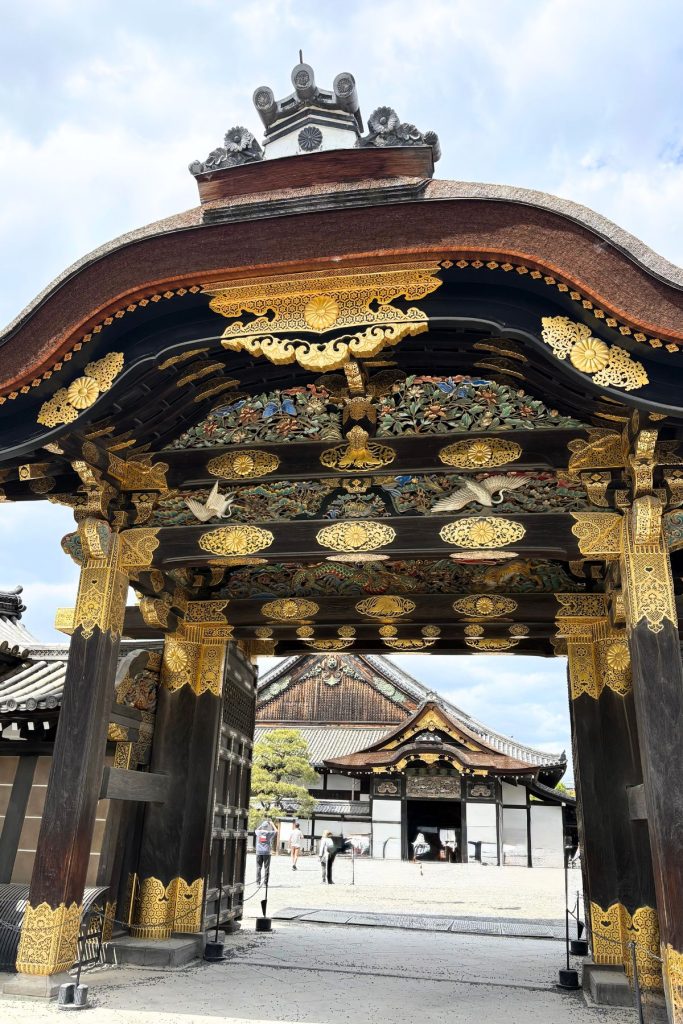
In 1867, the 15th shogun Tokugawa Yoshinobu declared the restoration of imperial rule in the great hall of the castle’s Ninomaru Palace. After the Tokugawa Shogunate fell, Nijō Castlewas used as an imperial palace for some time. Eventually, it was donated to the city and opened to the public as a historic site.
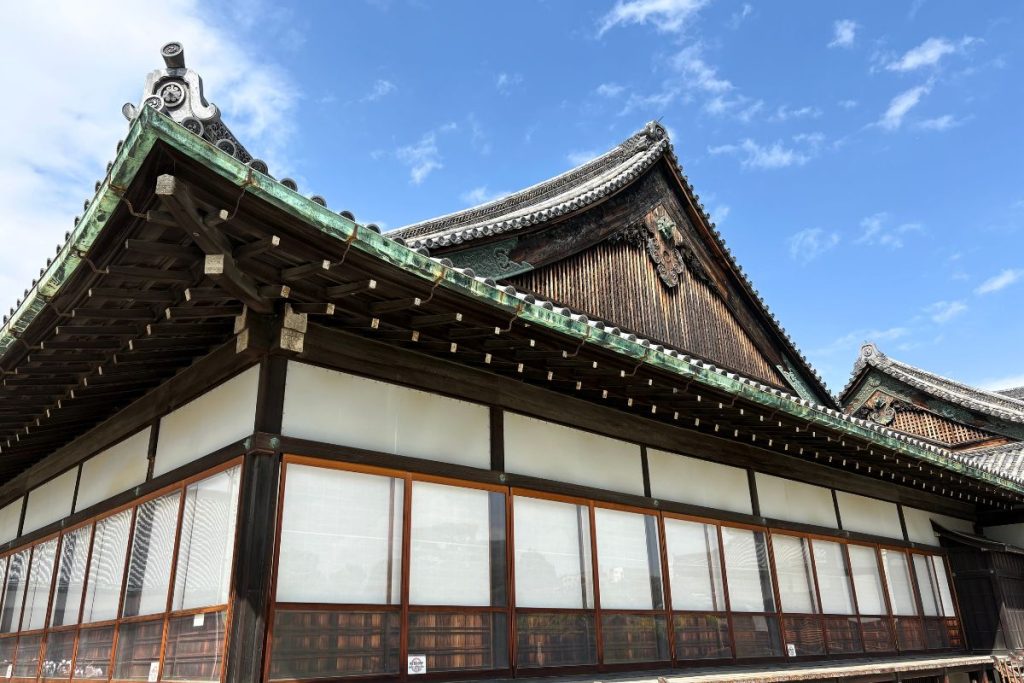
The castle complex is divided into two concentric rings of fortifications, each with its own palace. The palaces are built almost entirely of Japanese cypress. They feature delicate transom wood carvings and stunning painted sliding doors (fusama) depicting tigers, eagles, and pine trees. A particularly interesting feature in the Ninomaru Palace is its famous uguisubari (“nightingale floors”). These corridors squeak when stepped on, sounding like birds chirping, serving as an early warning system against intruders.
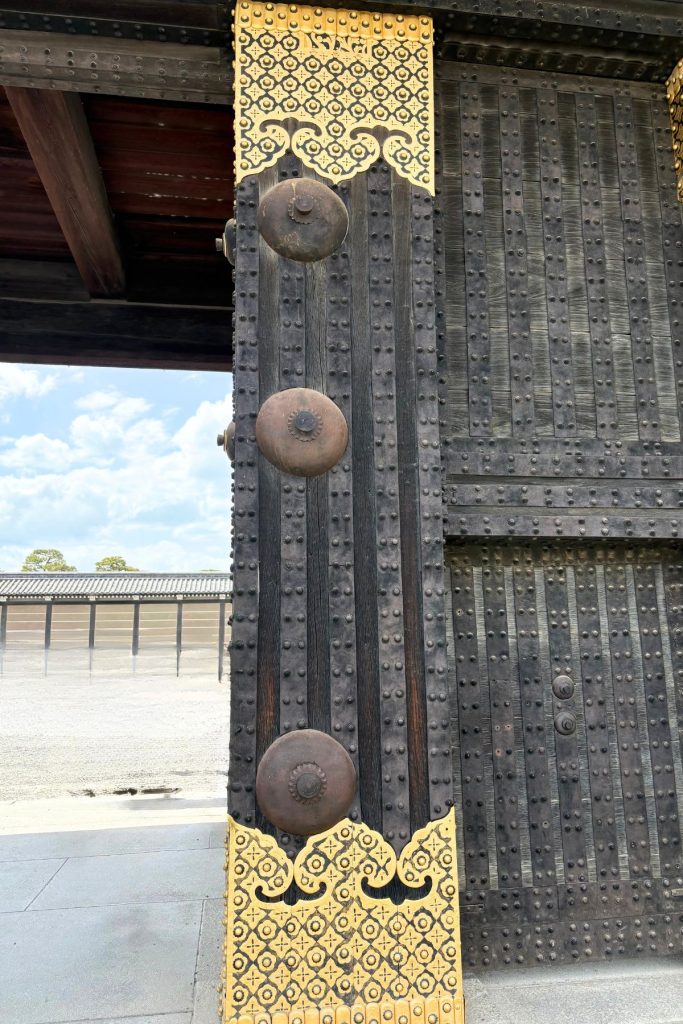
Nijō Castle Gardens
The grounds of Nijō Castle also feature beautiful gardens. These gardens include plum and cherry trees, which makes it a popular spot to visit year-round.
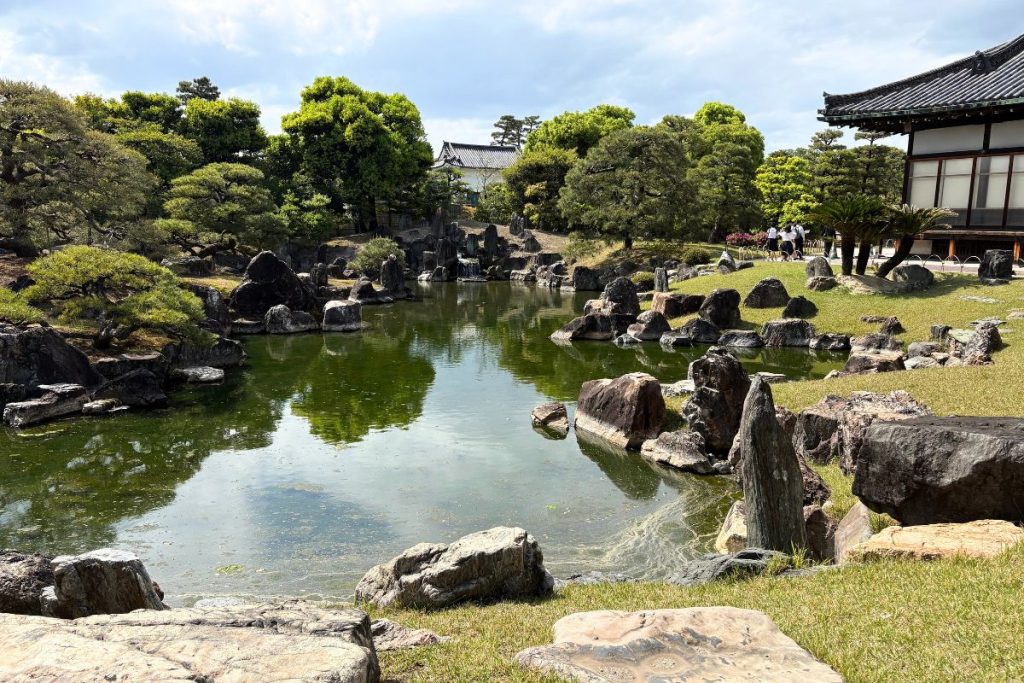
This second stop of my full-day excursion was the most imposing and impressive. Seeing the stunning architecture and the elaborate interior decorations is a wonderful experience. Walking across the “nightingale floors” and hearing the pleasant but slightly eerie chirps is an experience I will never forget!
- The Ninomaru Palace is one of the finest surviving examples of a feudal-era aristocratic architecture in Japan.
- The grounds here are large and expansive – budget 1.5 to 2 hours to fully explore everything.
- If not attending with a guide, audio guides are available and help explain the political history unfolding in each room.
Heian Jingū Shrine and Gardens
The Heian Jingū Shrine is an impressive Shinto shrine. It is relatively modern, built in 1895 to commemorate the 1,100th anniversary of the founding of Heian-kyō (the ancient name for Kyoto). It is dedicated to the spirits of the first and last emperors who reigned from the city: Emperor Kammu and Emperor Komei.
Heian Jingū Shrine
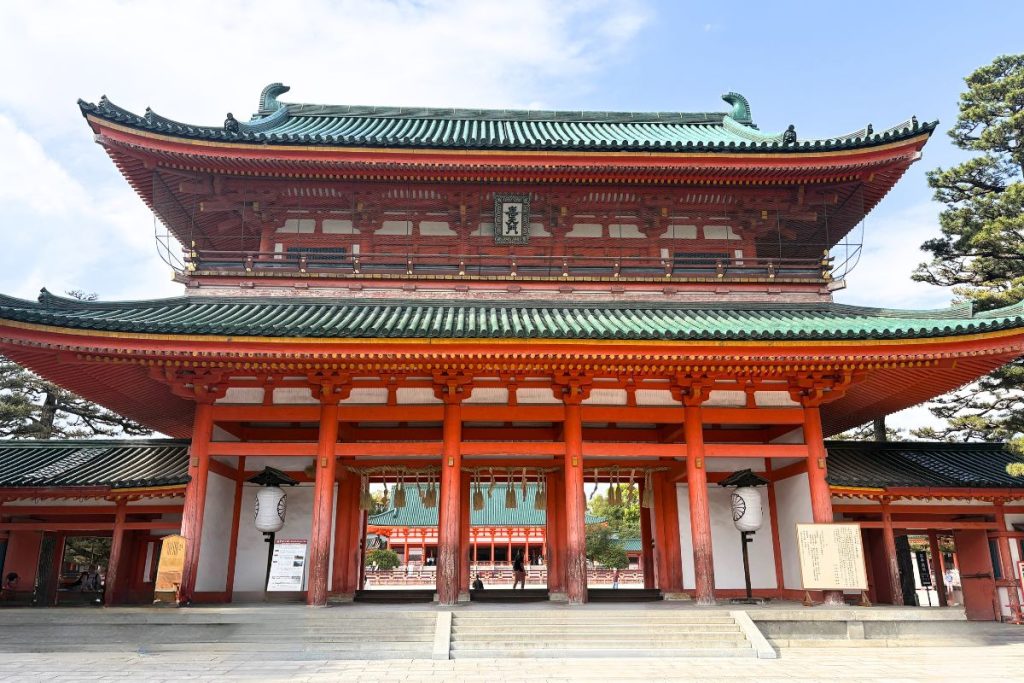
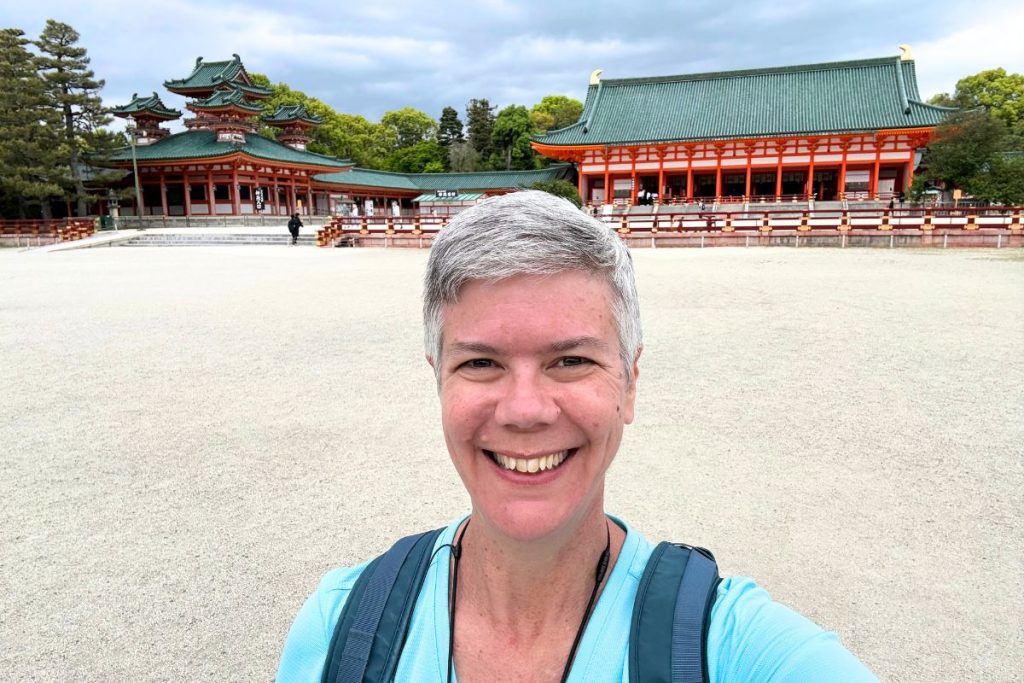
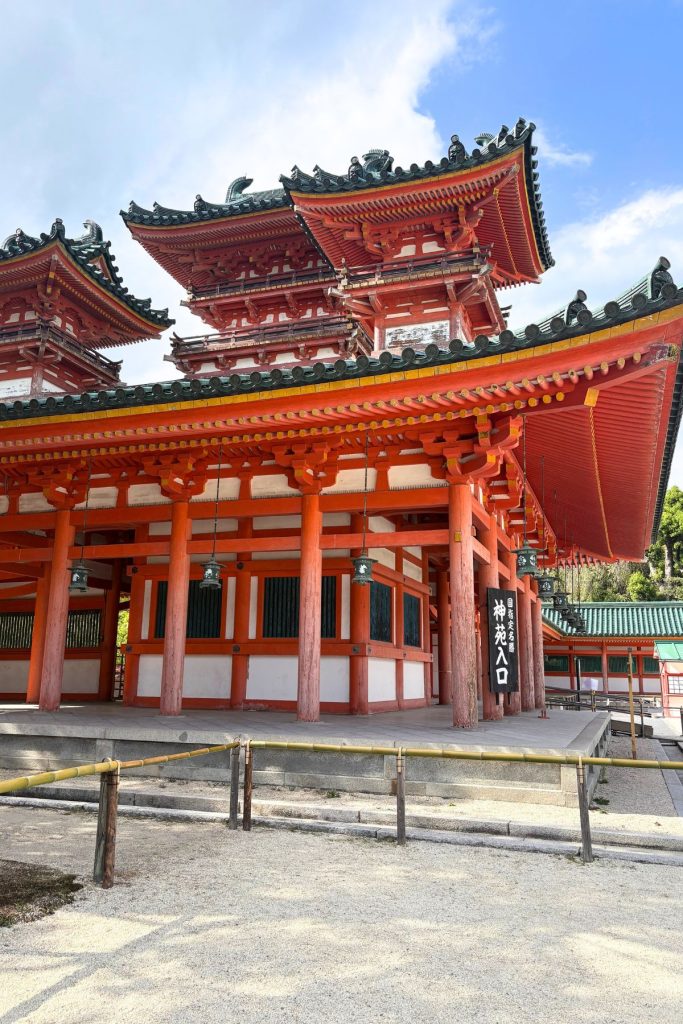
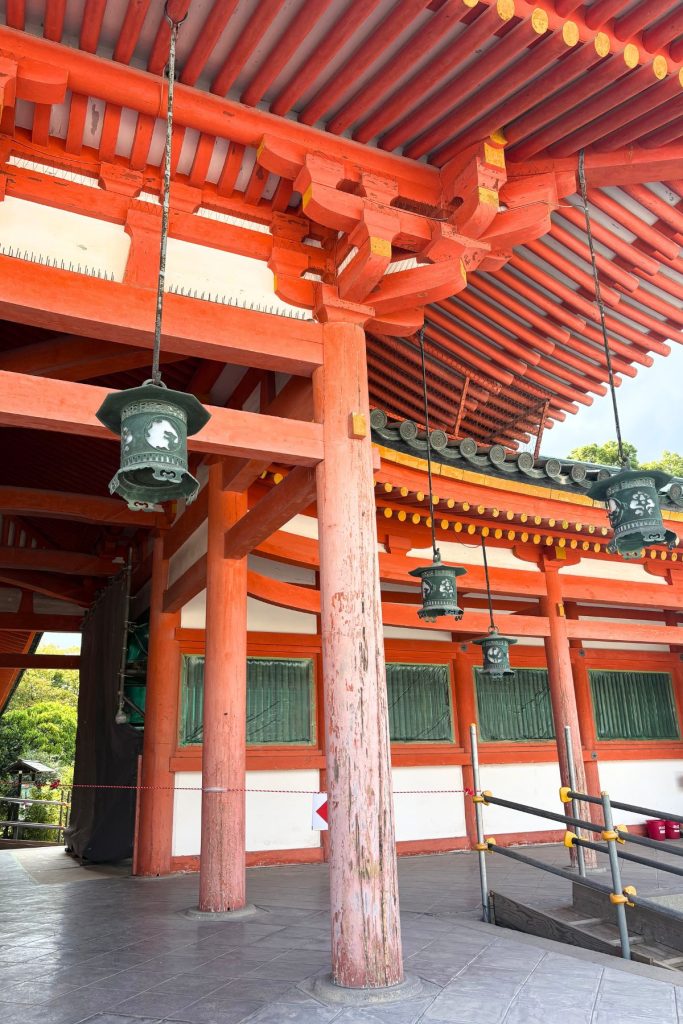
This shrine is a replica of a famous Heian Period structure. There is a distinctive Chinese influence throughout. After entering through the grand Ōtenmon Gate into the outer sanctuary, we found ourselves in a sprawling open space surrounded by look-out towers. The shrine buildings recreate the Chōdo-in (the original Imperial Palace) at approximately five-eighths of the original scale, and are characterized by magnificent architecture with vermilion pillars and blue-green tiled roofs. The 80 feet tall (24.4-meter) giant torii gate is beloved as a symbol of the Okazaki area.
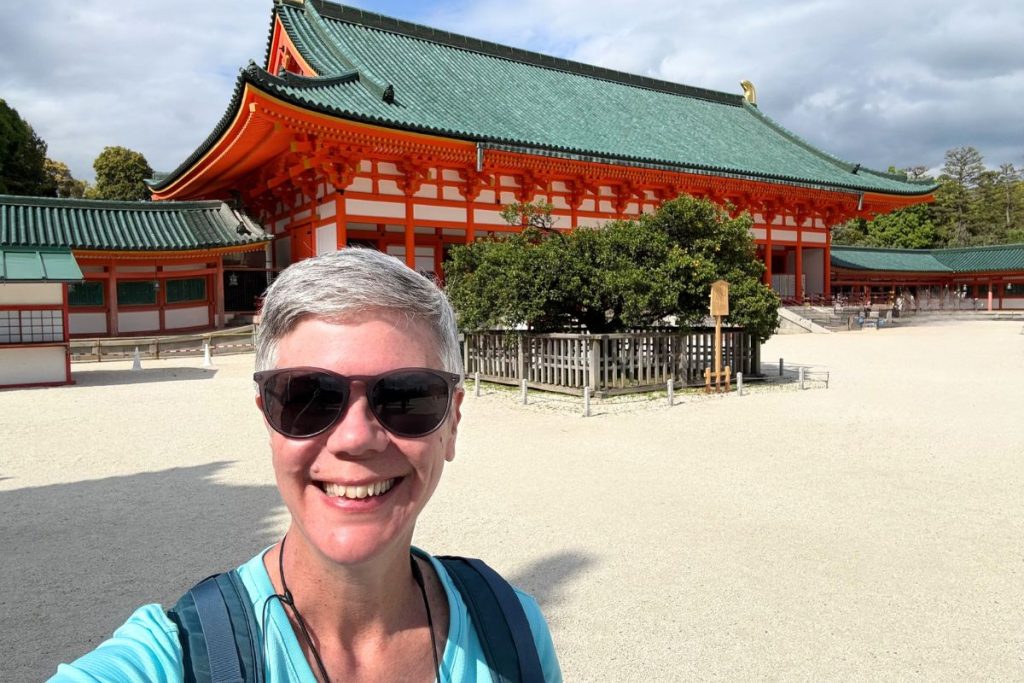
Shin-en Gardens at Heian Jingū Shrine
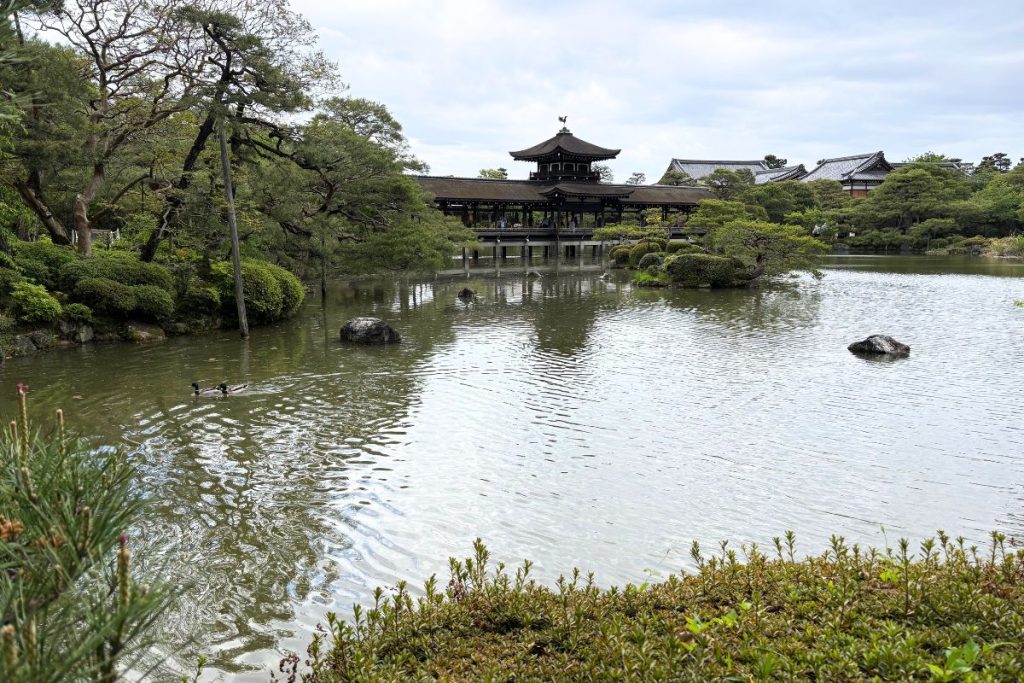
For me, the highlight of this visit was exploring the Shin-en Gardens surrounding the shrine. These gorgeous gardens cover about 8 acres. Shin-en means “garden of the gods”! There are four different stroll gardens, each representing a different period in Japanese history: Heian, Kamakura, Momoyama, and Edo. It took renowned gardener Jihei Ogawa over 20 years to complete the gardens.
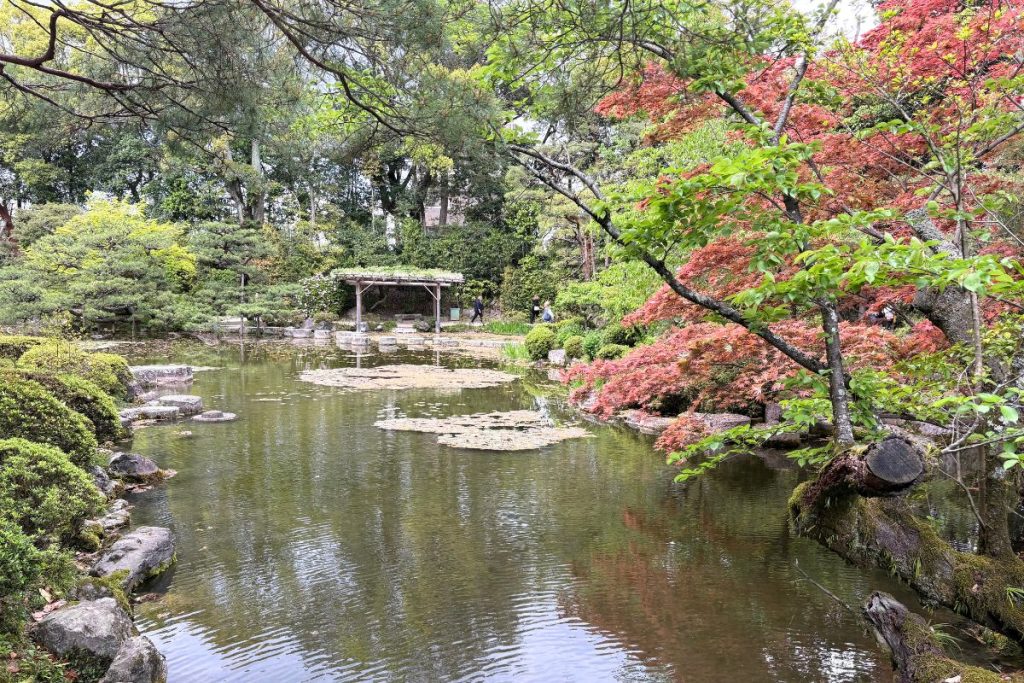
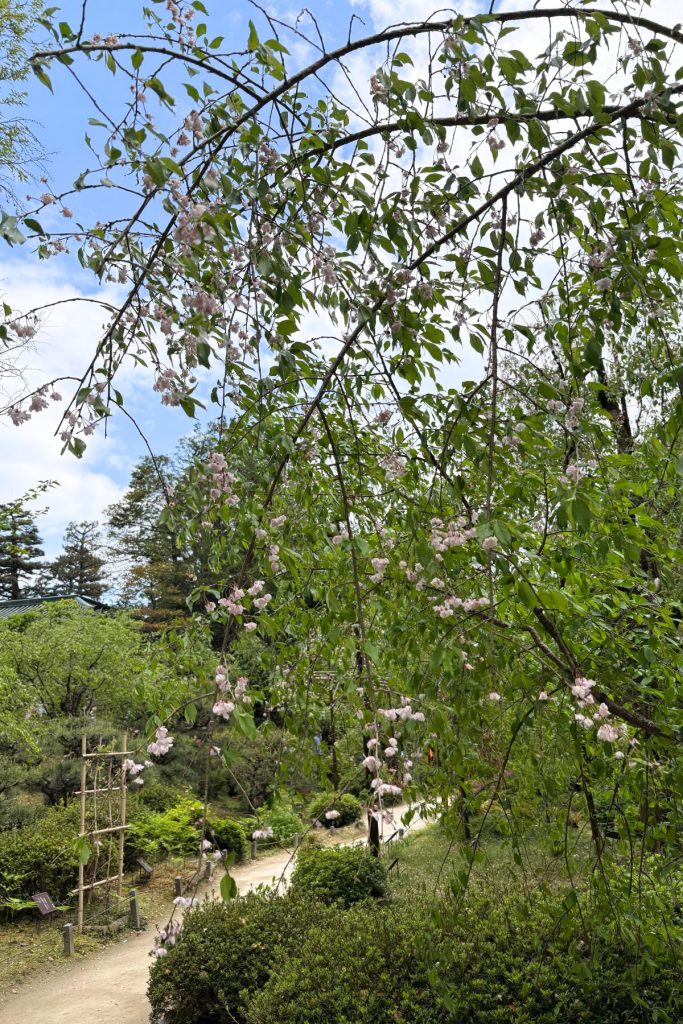
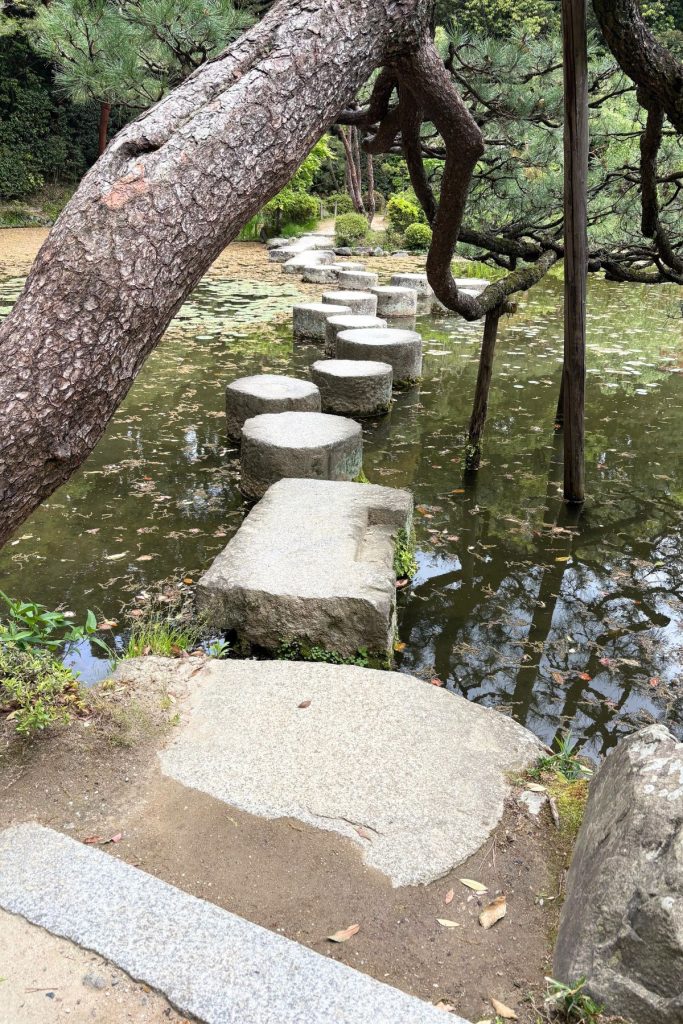
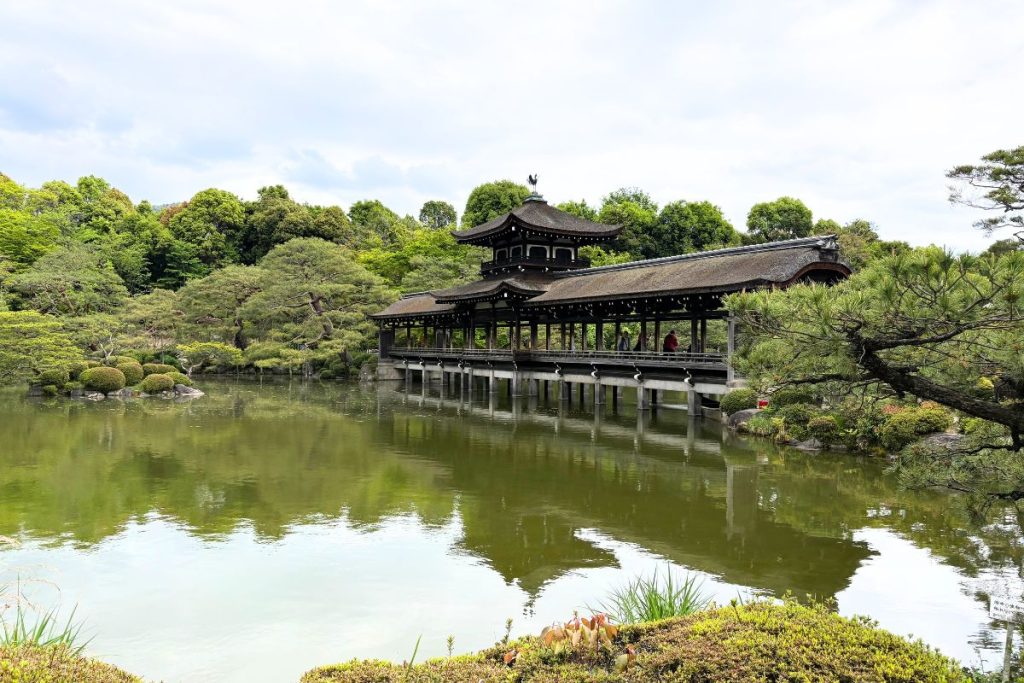
This final stop of my full-day excursion was my overall favorite. The vibrant colors and intricate architecture of the shrine buildings immediately caught my eye and drew me in to explore further. The Shin-en Gardens were amazing and seemed to go on forever. As I worked my way through the tranquil paths, stopping to admire the gorgeous views, I felt as though I was there all by myself (even though there were lots of other visitors there with me!).
- Before you even reach the shrine, you’ll pass under the massive torii gate on Jingu-michi street — at about 80 feet (24 meters) tall, it’s one of the largest in Japan and a landmark in its own right. Many visitors don’t realize it’s connected to Heian Jingū at all.
- The striking vermillion and white colors of the shrine complex are amazing, and completely different from the weathered wooden shrines throughout Japan.
- The famous stepping-stone path in the East Garden is made from the recycled stone pillars of an old bridge.
Common Questions
I visited in late April and honestly couldn’t have timed it better. The tail end of cherry blossom season was still going strong — especially at Heian Jingu, where the weeping cherry trees bloom a little later than everywhere else. The weather was warm but not oppressive, hovering around 65-70°F. That said, late April is busy, so if you’re looking for fewer crowds, early November during fall foliage season is equally stunning and a little more relaxed.
I’d say three full days is the sweet spot for a first visit. That gives you enough time to hit the big three — Kinkaku-ji, Nijo Castle, and Heian Jingu — without feeling rushed, plus squeeze in a few hidden gems and still have time to simply wander and soak it all in. If you can stretch it to four or five days, even better. Kyoto rewards slow travel — every alley and neighborhood has something worth discovering. But, even if you only have one day like I did, you can still see many popular sights easily.
Comfortable walking shoes are an absolute must — you’ll be covering a lot of ground on uneven surfaces and stone paths. Beyond that, Kyoto’s temples and shrines are generally relaxed about dress codes compared to some other countries, but modest, respectful clothing is always appreciated. I’d avoid anything too revealing, and keep a light layer handy since some inner shrine areas can feel surprisingly cool even on warm days. Also worth noting: you’ll often need to remove your shoes when entering certain buildings, so slip-ons worn with socks can be a real lifesaver!
Even More Travel Ideas
Ancient Gates, Endless Streets: A Quick Dive into Tokyo’s Soulful East Side