Ancient Gates, Endless Streets: A Quick Dive into Tokyo’s Soulful East Side
Tokyo moves fast. Tucked along the eastern edge of the city, Asakusa and Ueno seem to exist in a time of their own. From the crowds beneath Senso-ji’s Kaminarimon gate to the quieter paths of Ueno Park, this corner of the city stacks centuries of history under a very modern hum. Two days was never going to be enough. It was, somehow, enough to fall completely in love.
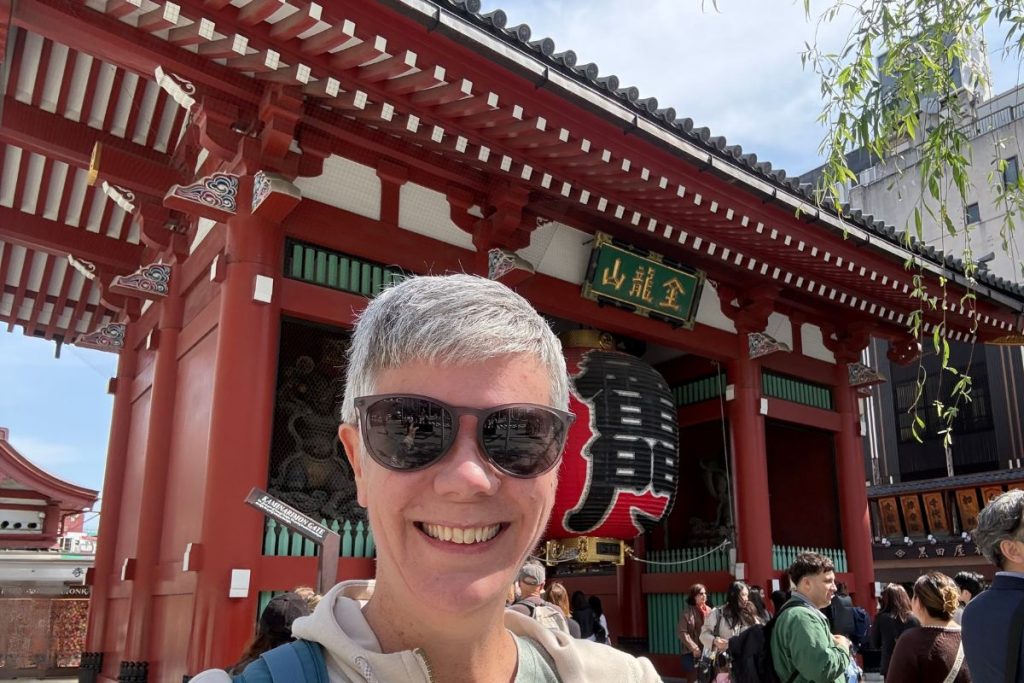
This post covers my first day and a half in Tokyo, based in Asakusa. Senso-ji and its quieter neighbor shrine came first, then a walk along the Sumida River to the old-school shopping street of Yanaka Ginza, capped off with a nighttime stop at Tokyo Skytree. Day two started slow in Ueno Park and wrapped up at the Imperial Palace East Gardens. Here is how it went, gate by gate.
Prefer to watch instead of read? Watch the video →
A Quick Visit to Asakusa and Ueno in Tokyo
I began in Asakusa at Senso-ji, threading through the lantern-lit chaos of Nakamise-dori before slipping out to the quieter banks of Sumida Park, where the river offered a welcome exhale. A short wander led me to Yanaka Ginza, the kind of old-school shopping street that feels frozen in the best possible way. The Tokyo Skytree loomed over it all like a futuristic exclamation point, a reminder that this city never lets you forget which century you are in. On my second day, I drifted into the green expanse of Ueno Park, past museum facades and street musicians, before ending at the Imperial Palace East Gardens, where manicured stillness made the whole whirlwind feel, somehow, worth it.
My home base was The Gate Hotel Kaminarimon, right in Asakusa, northeast of the city center. I picked it because it was walkable to almost everything on my list, and because the neighborhood still runs on old rhythms: shopkeepers sweeping the sidewalk at dawn, lantern shops wedged next to convenience stores, temple bells cutting through traffic noise. It was a solid place to land for a first look at Tokyo.
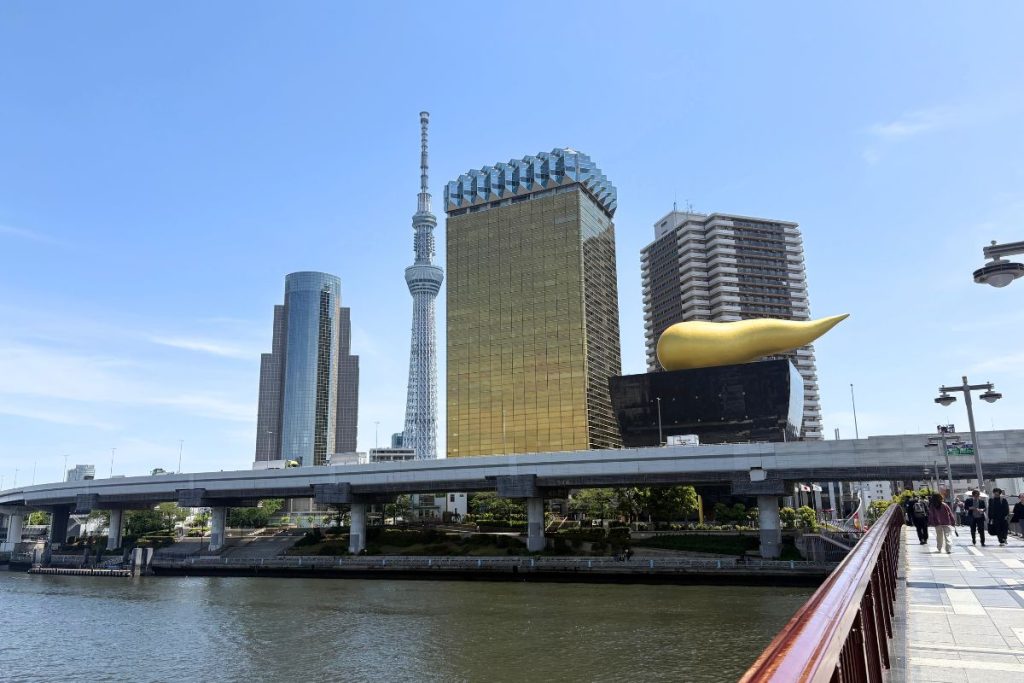
Asakusa’s Gem: Senso-ji Temple
I hit the ground running on my first full day in Tokyo at Senso-ji Temple. It sits right across the street from my hotel, close enough that I could roll out of bed and be at the gate in under five minutes. This is the oldest temple in Tokyo, completed in 645. It is the temple of Avalokitesvara Bodhisattva (Sho Kanzeon Bosatsu), who embodies the mercy of all Buddhas. It draws over 30 million visitors a year, making it one of the most visited religious sites on the planet. My tip: go early in the morning, or later in the evening, to dodge the crowds that build up around midday.
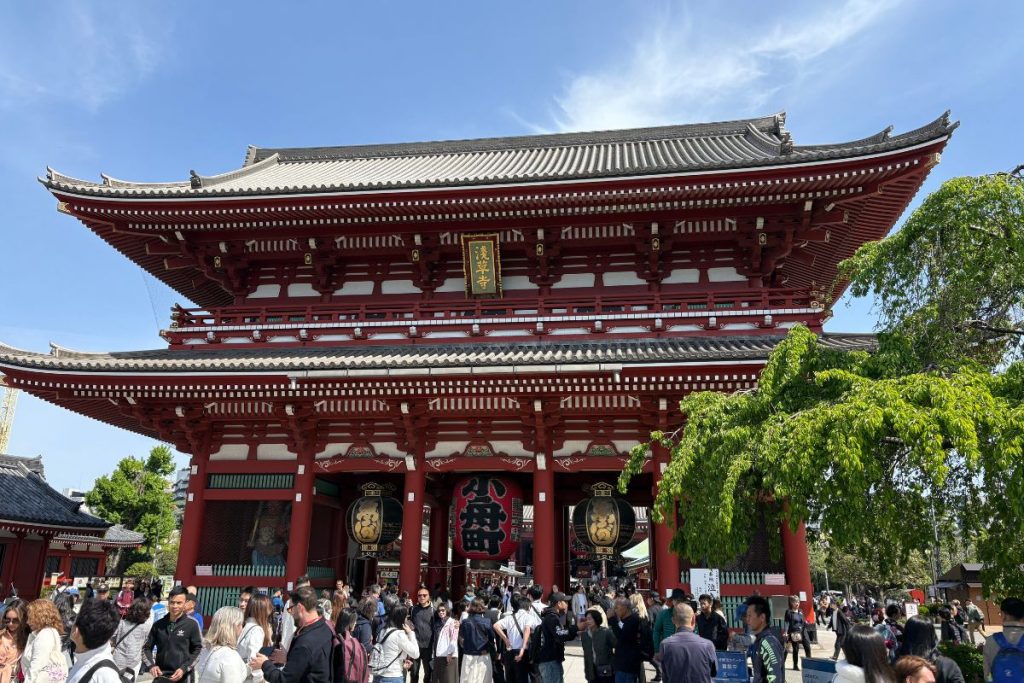
Getting Around Senso-ji: Entering the Complex
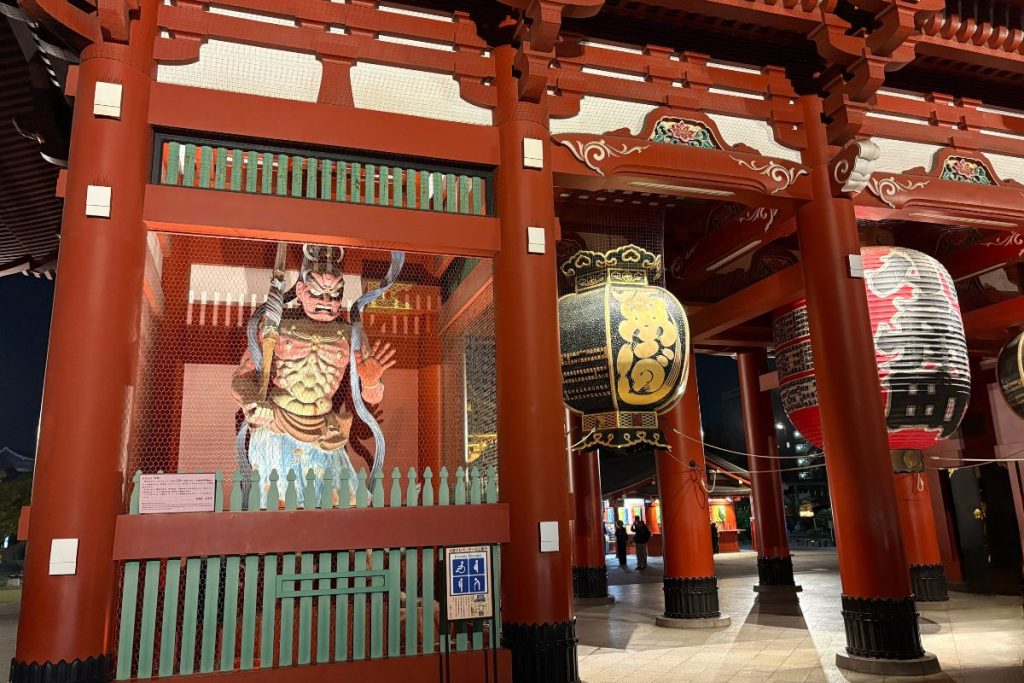
Senso-ji is made up of several distinct structures and areas. The main gate is the Kaminari-mon Gate, where statues of Fujin (the god of wind) and Raijin (the god of thunder) are enshrined to guard the temple from natural disasters. Entering through this gate takes you through the Nakamise Shopping Street, one of the oldest shopping streets in Japan. To the left of Nakamise Shopping Street is Denboin and its garden, which is closed to the public. To the right is Bentendo Hall, with the statue of the female deity Sarasvati (Benzaiten).
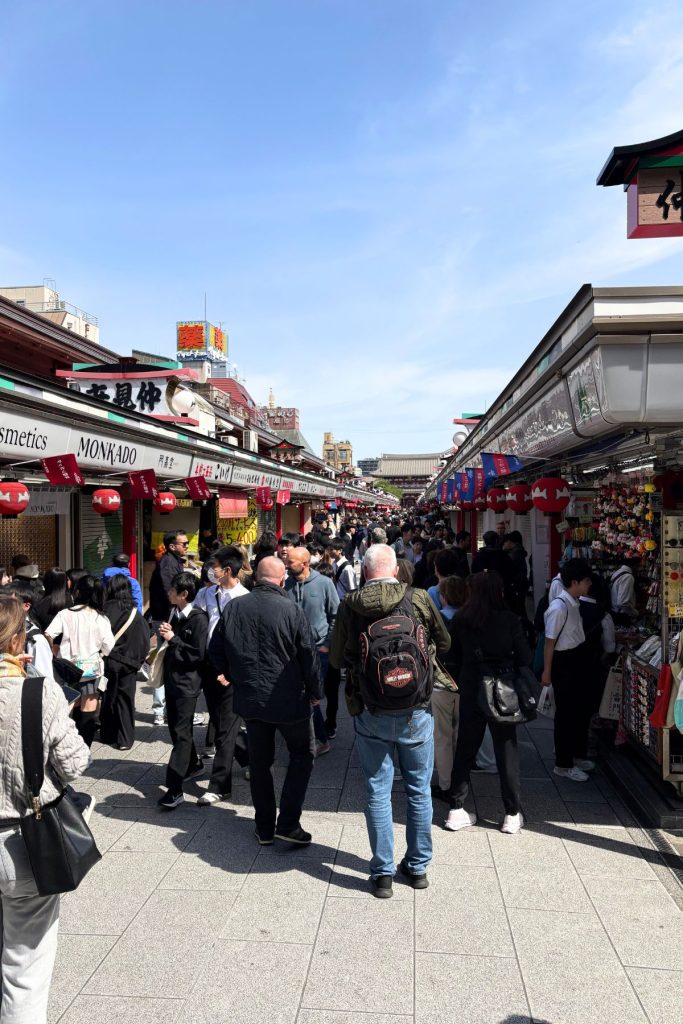
Getting Around Senso-ji: The Interior Areas
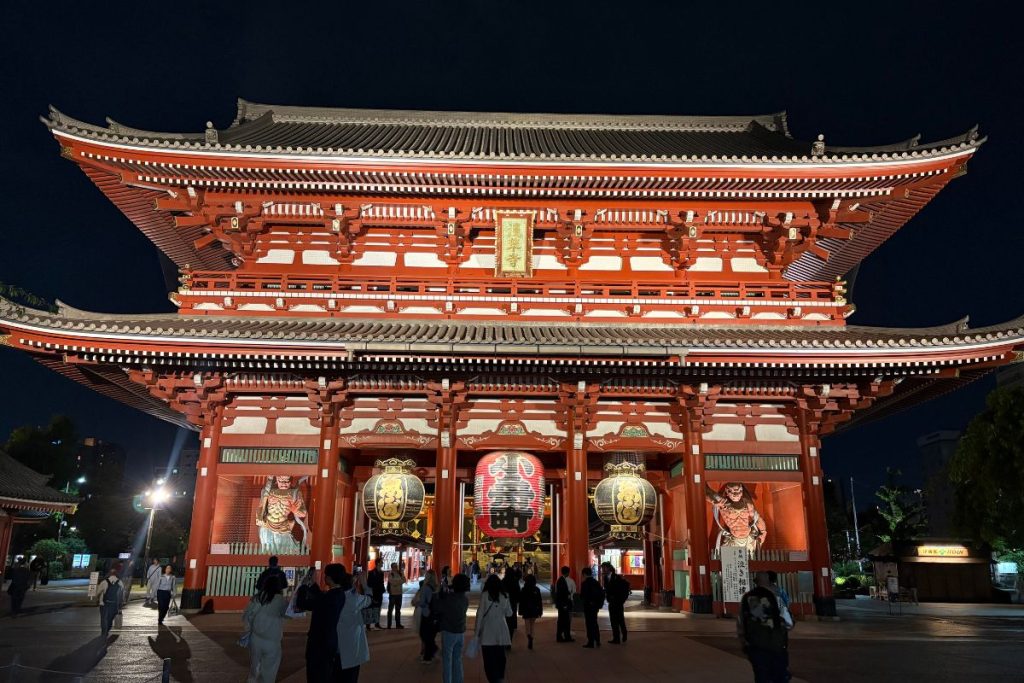
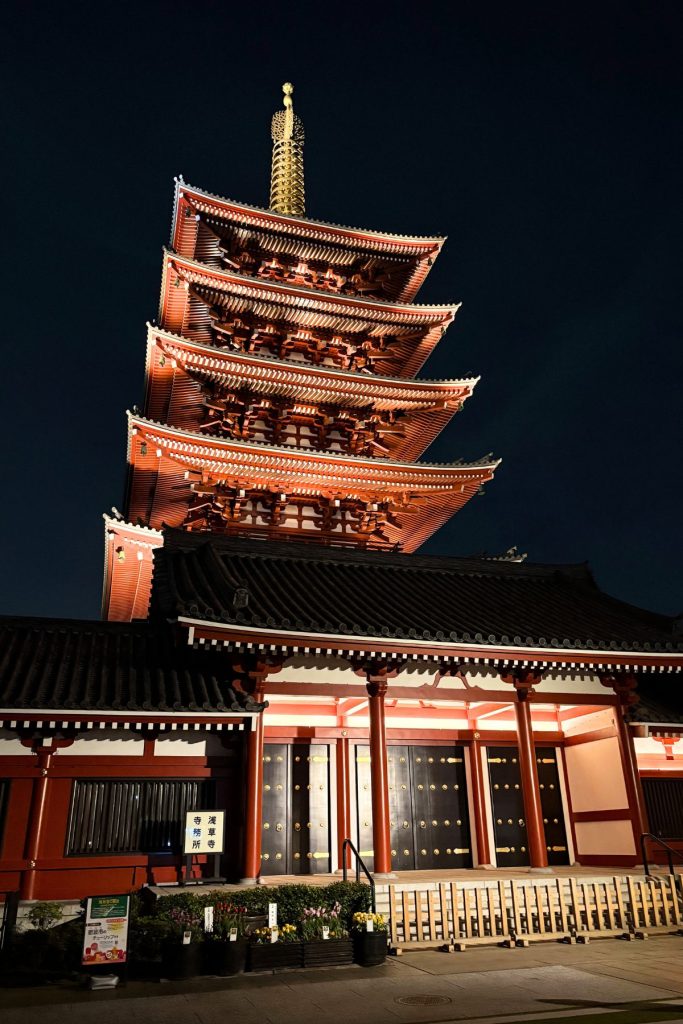
Continuing straight from Nakamise Shopping Street brings you to the Hozo-mon Gate, commonly called the Nio-mon Gate. To the left of the Nio-mon Gate is the Five-Storied Pagoda. This gate and pagoda were both originally built in 942.
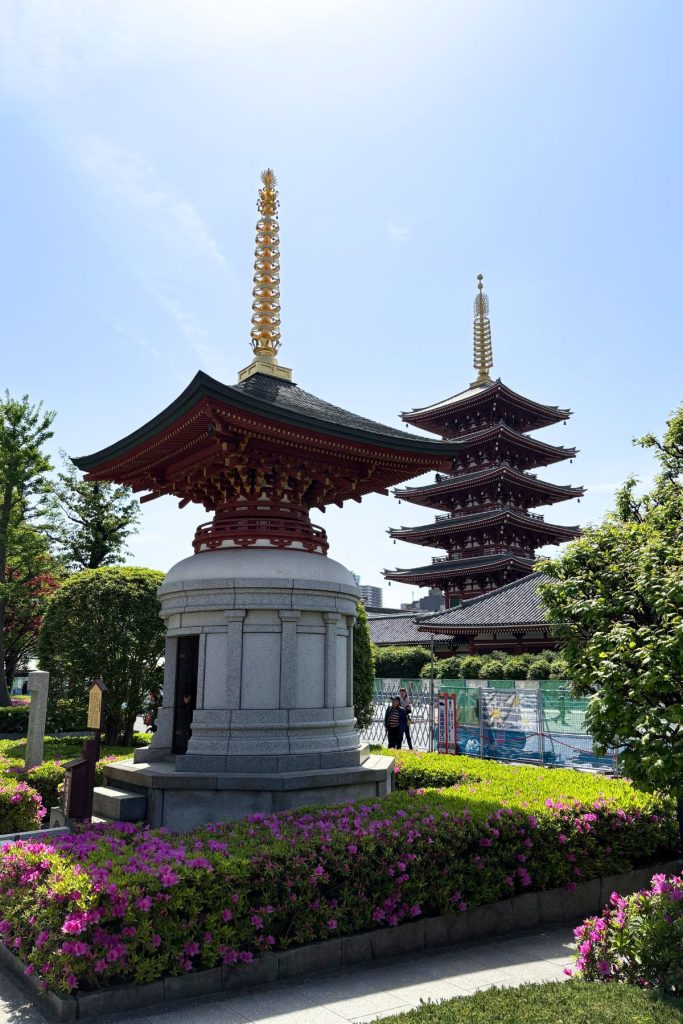
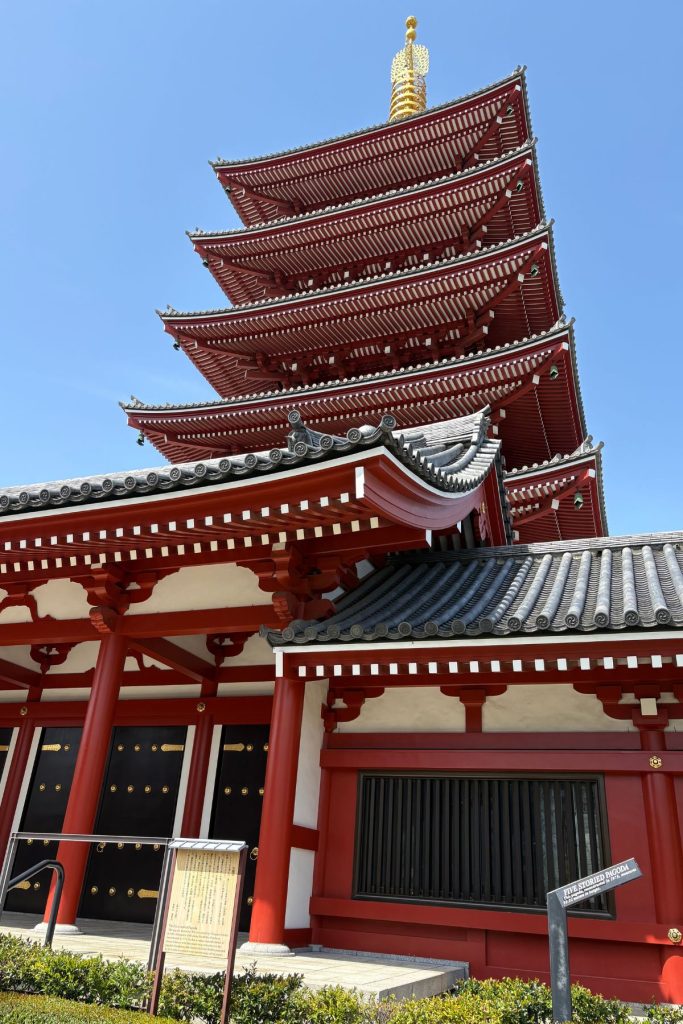
Continuing straight from the Nio-mon Gate brings you to Kannon-do Hall, the main hall. This hall, divided into the naijin (inner sanctum) and the gejin (outer sanctum), has a distinctive, dramatically sloping roof. To the left of the main hall is Yogodo Hall, the place to receive stamps from the Scarlet Seal of Senso-ji. Past this is the Awashimado Hall. To the right of the main hall is the Niten-mon Gate.
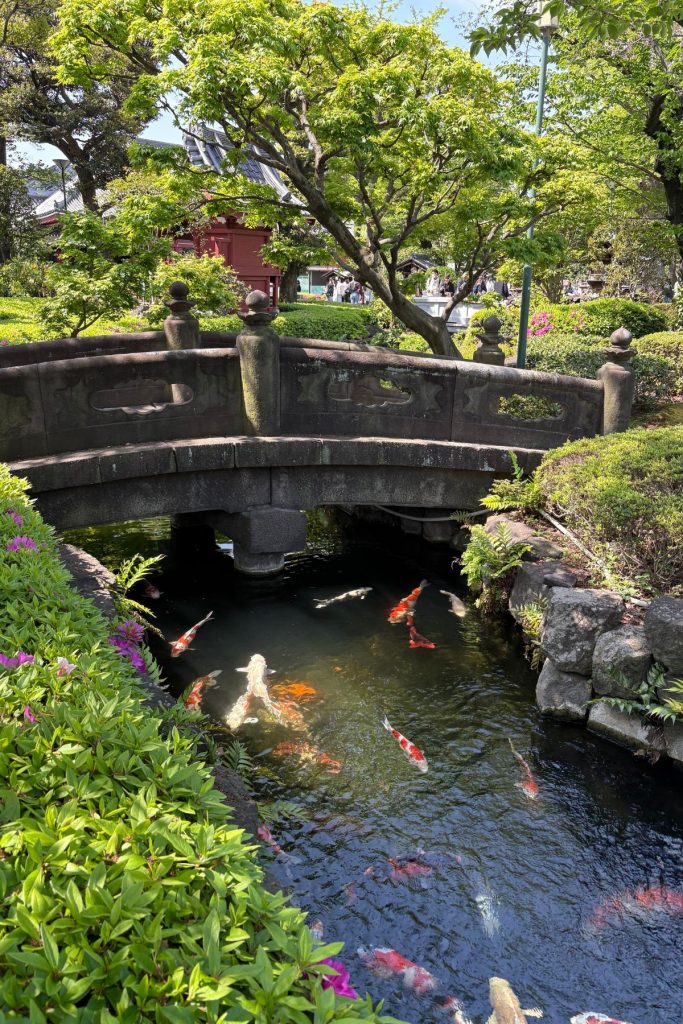
Drawing an Omikuji at Senso-ji
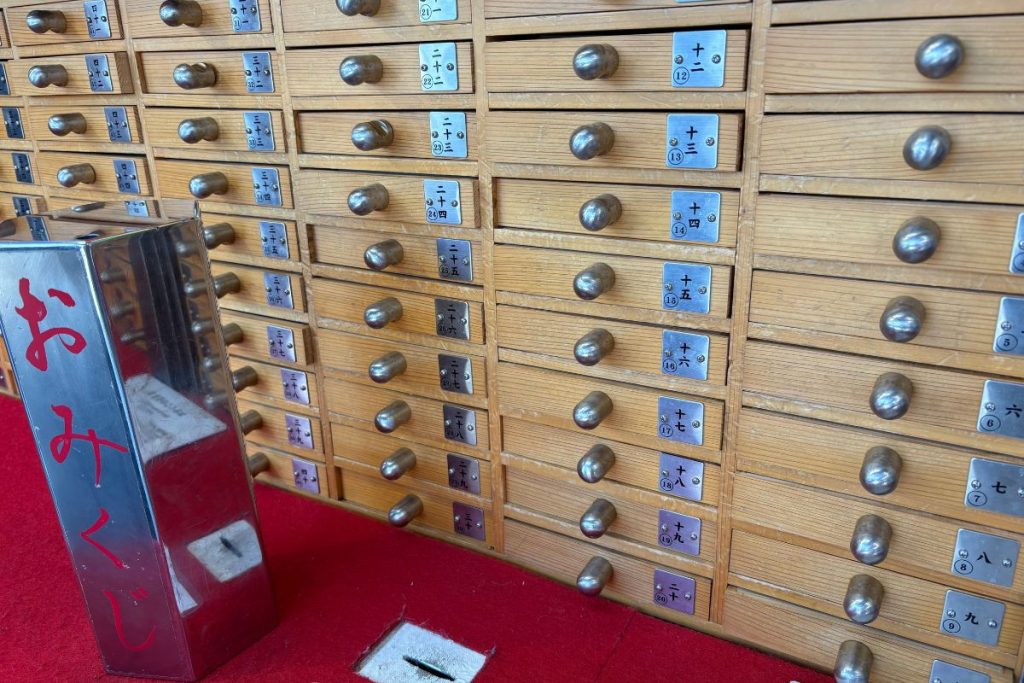
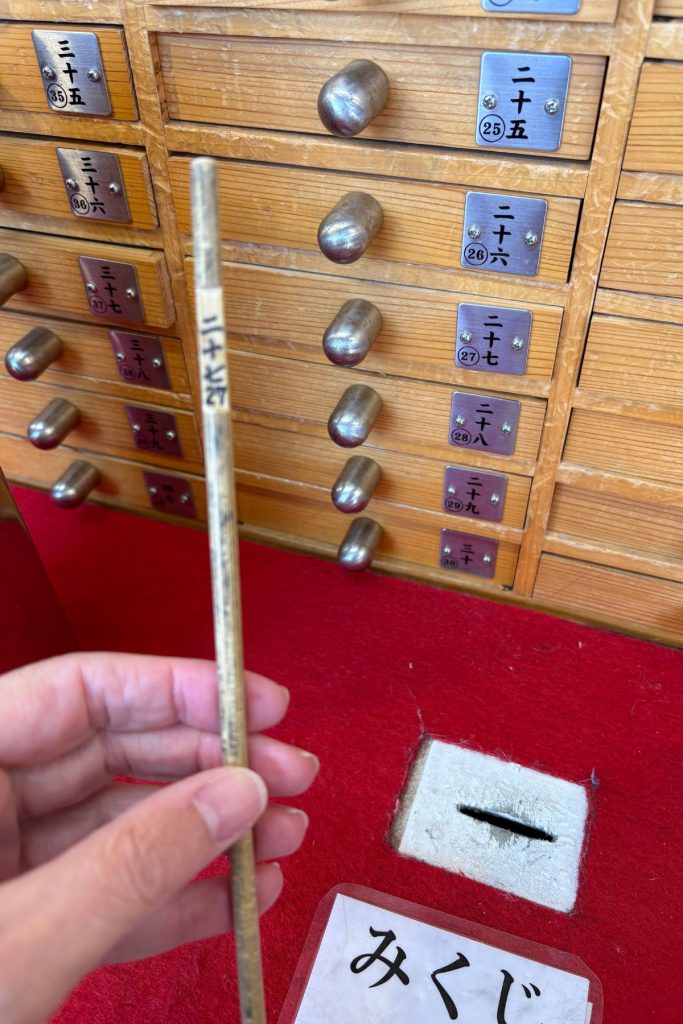
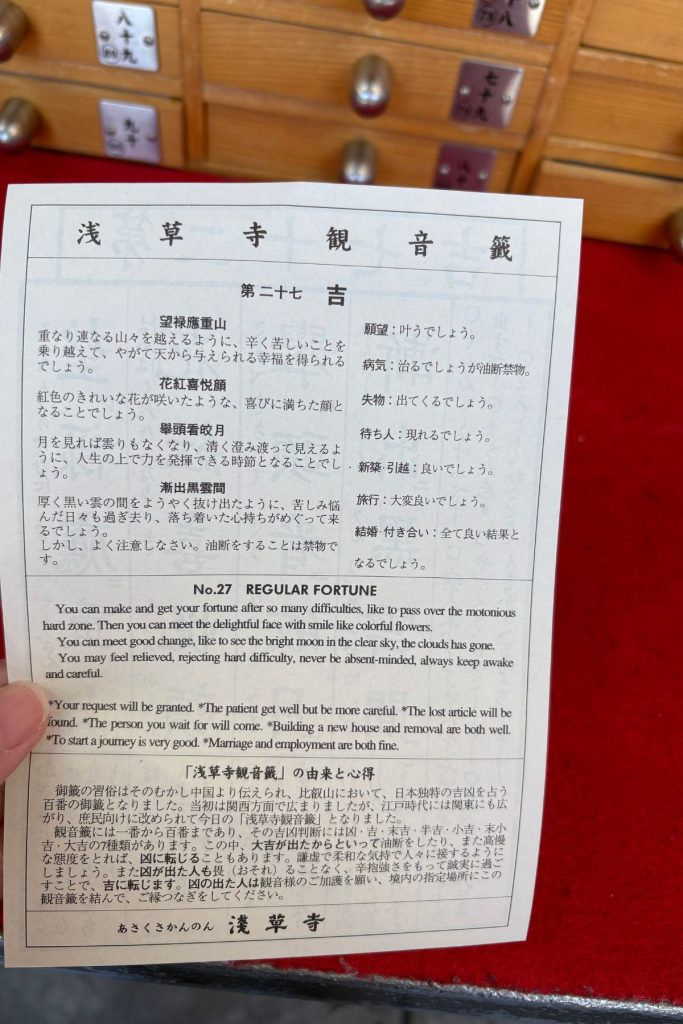
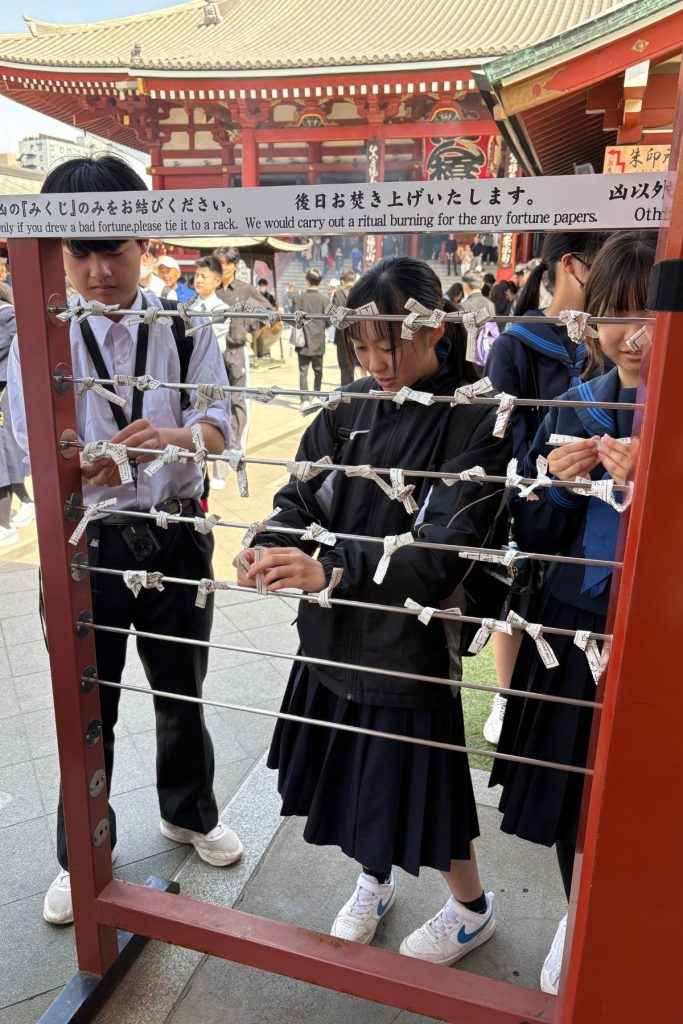
At Senso-ji I drew an Omikuji, a random fortune-telling paper slip. To draw one, first drop ¥100 into the pay box. Then pick up the six-sided box filled with numbered sticks and, while praying for your wish, shake it politely a few times. Tip the box until one numbered stick comes out of the small hole, note the number, and put the stick back. Find the drawer with that number on it and take a sheet of Omikuji out. Reading the fortune tells you whether it is a good one or a bad one…you keep the good ones, and leave the bad ones there. Bad fortunes are folded, tied to a hanging rack, and later burned to ward the misfortune away. I drew #27 and got a good one.
Senso-ji After Dark
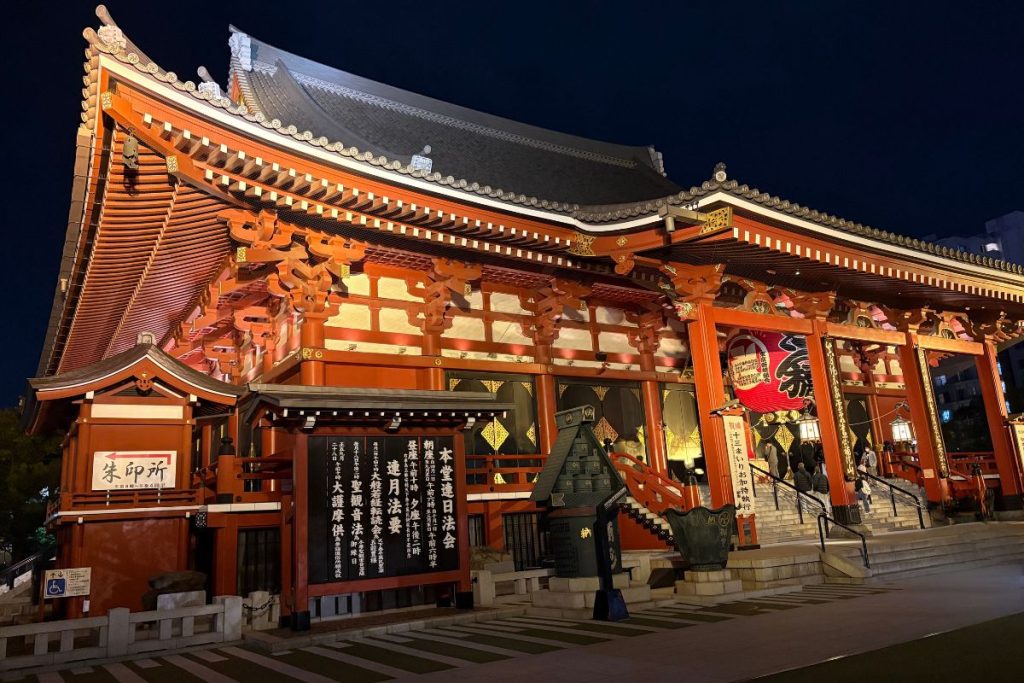
I returned to Senso-ji on my way back to the hotel after Tokyo Skytree later that evening. The buildings glow gold against the night sky, lanterns lit, crowds thinned out. I recommend a visit after dark to see the temple in a completely different light, literally and figuratively. You cannot enter the temple buildings, but it is worth the walk-by anyway.
Asakusa Shrine
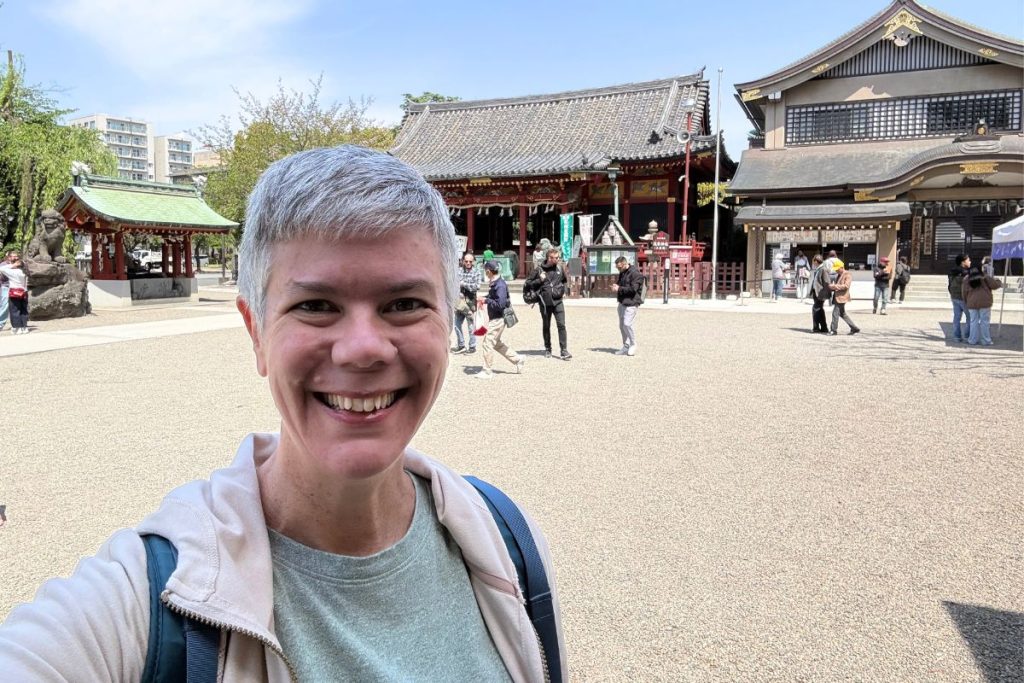
Next to Senso-ji on the east side is Asakusa Shrine, also known as Sanja-sama, the Shrine of Three Gods. It is a small Shinto shrine, and a much quieter one than its neighbor. The shrine honors the three men who founded Senso-ji, and it is one of only two buildings in the area to survive World War II. After the crowds at Senso-ji, having the place mostly to myself felt like a small reward.
Sumida Park and River Walk in Asakusa
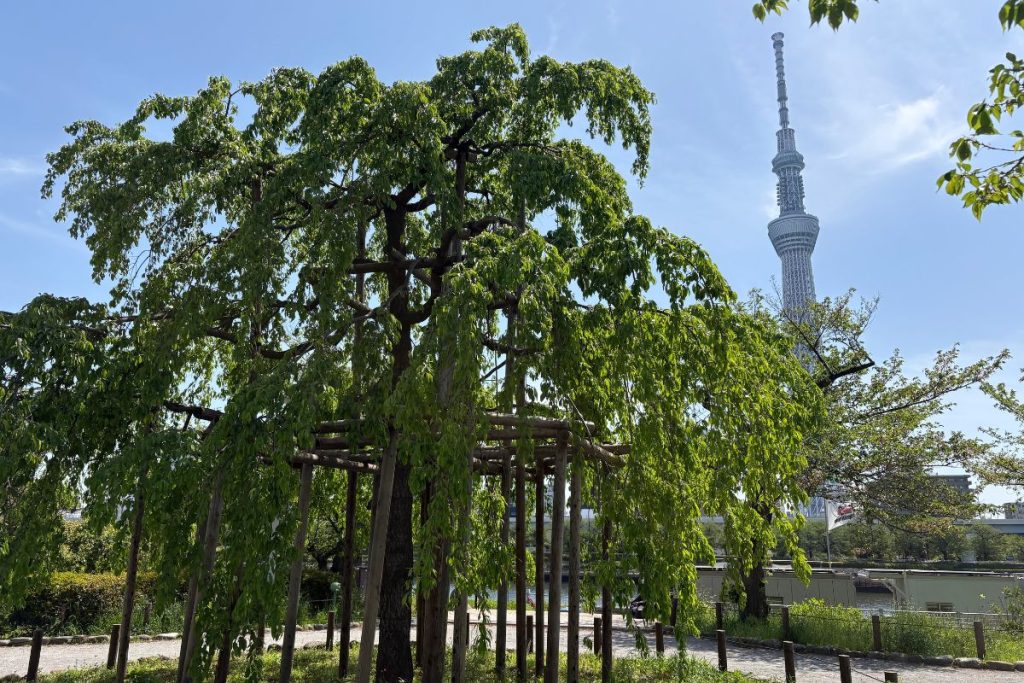
From Asakusa Shrine, I walked a few blocks to Sumida Park. Hundreds of cherry trees line the river here, making it one of Tokyo’s well-known spots for spring blossoms. My visit landed just after peak bloom, so I got green leaves instead of pink petals. Worth the timing risk anyway.
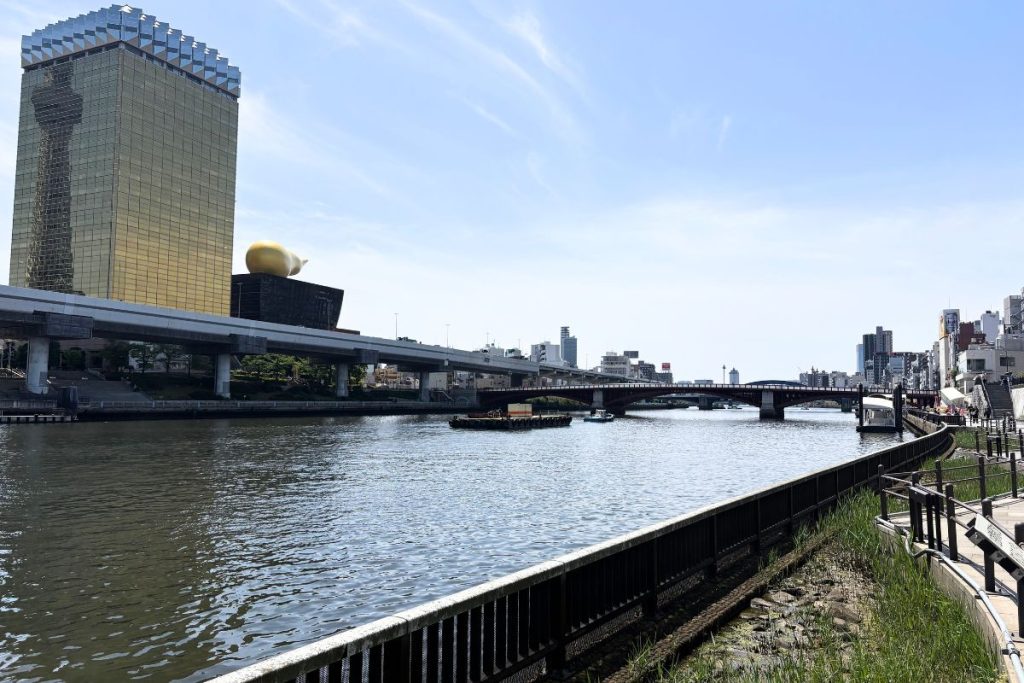
After Sumida Park, I followed the river walk back toward my hotel, the Sumida River on one side and the Asakusa neighborhood going about its day on the other.
Yanaka Ginza
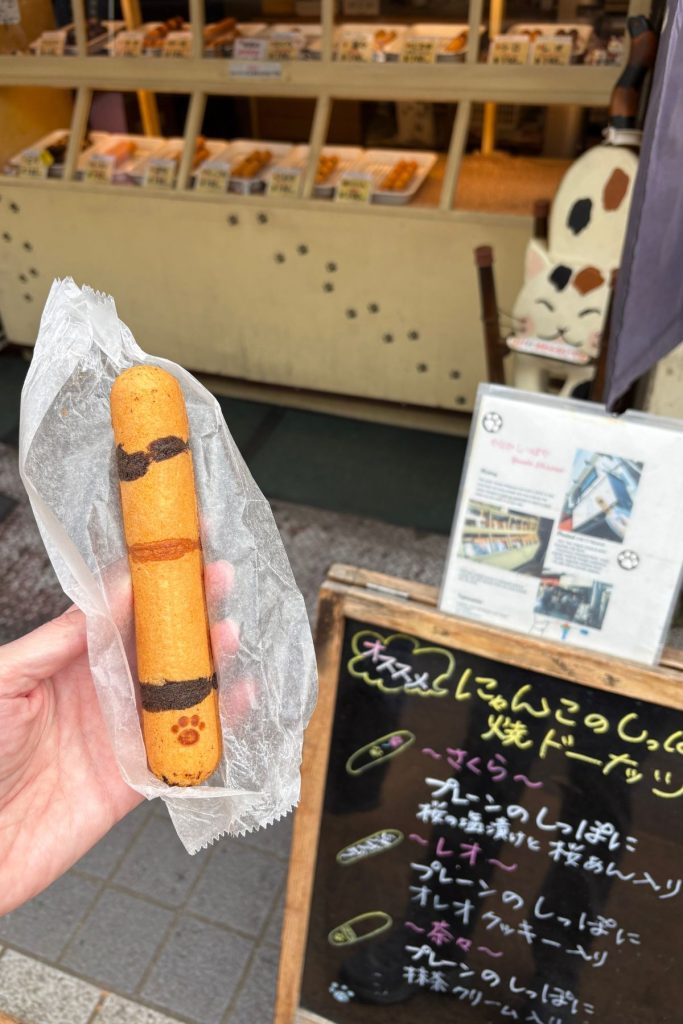
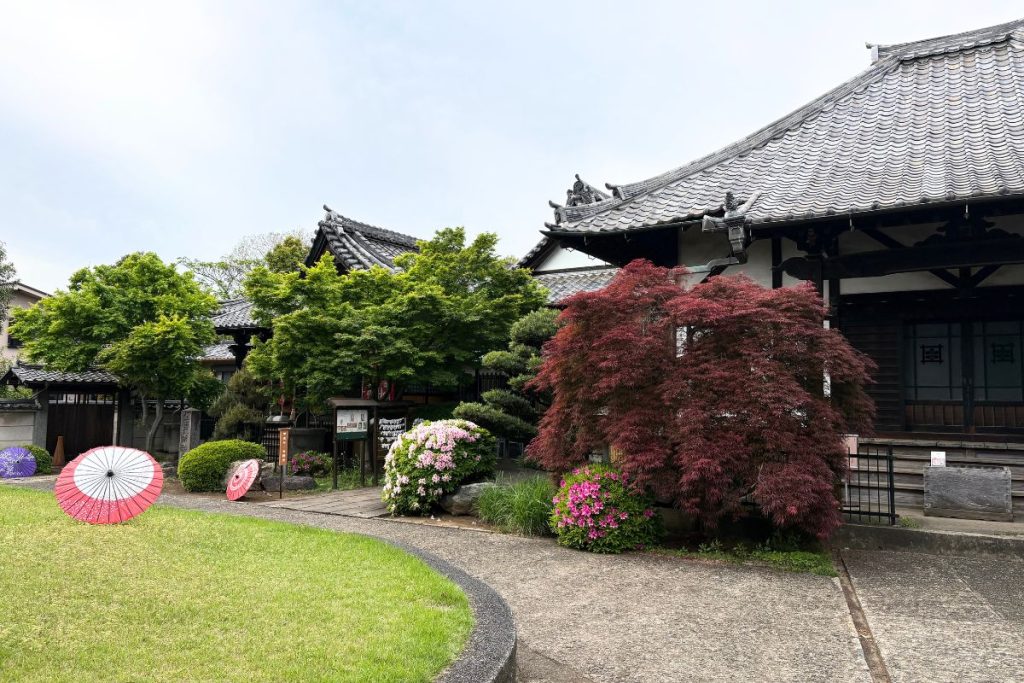
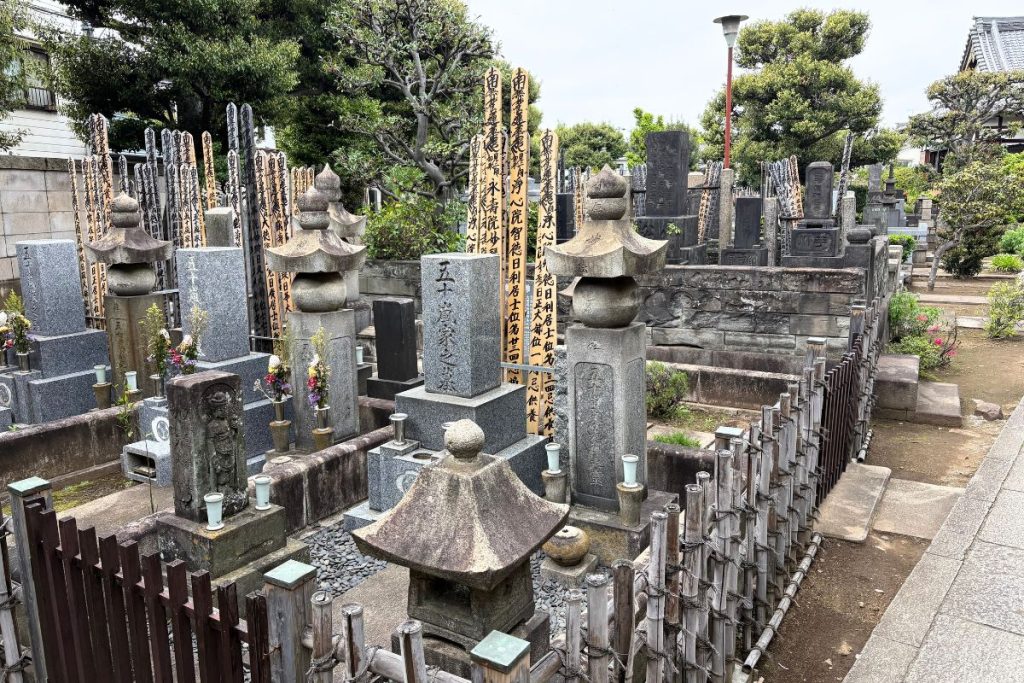
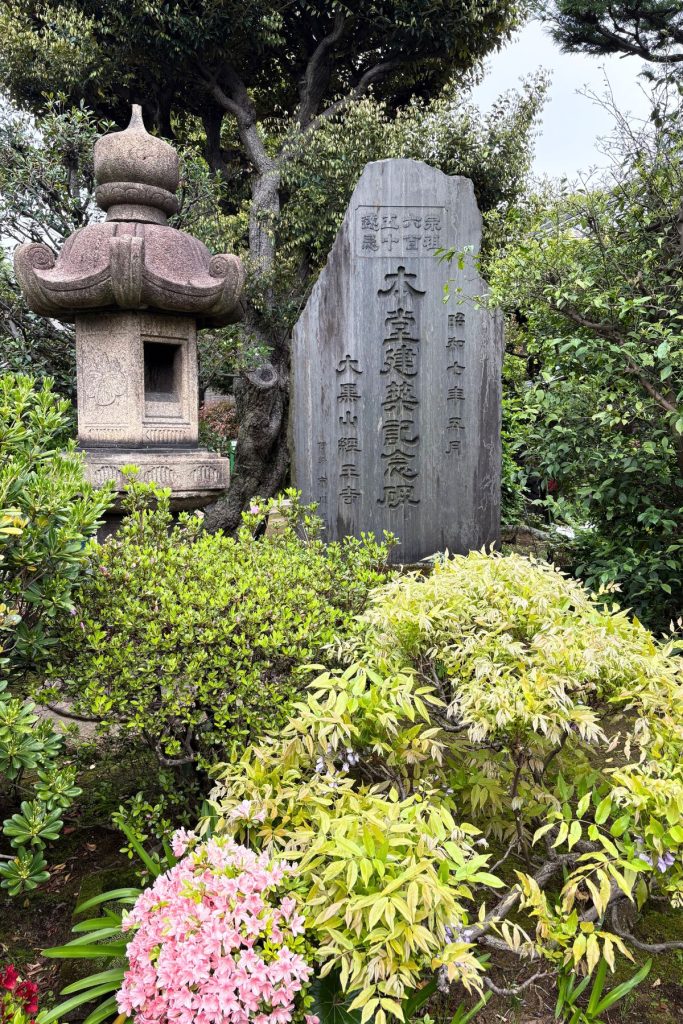
Next up was Yanaka Ginza, a retro-style shopping street in Taito, Tokyo, offering a glimpse into traditional shitamachi (old town) life with around 60+ independent shops. It is known for its nostalgic Showa-era atmosphere, street food like menchi-katsu, and cat-themed souvenirs, earning it the nickname “Cat Town.” I did some shopping, got a cat-tail doughnut from Yanaka Shippoya, and wandered through a couple of the temples tucked into the area, including a quiet stretch of Yanaka Cemetery. It is one of Tokyo’s largest graveyards, with roughly 7,000 graves spread across 25 acres, and it happens to be the resting place of Tokugawa Yoshinobu, the last shogun of Japan.
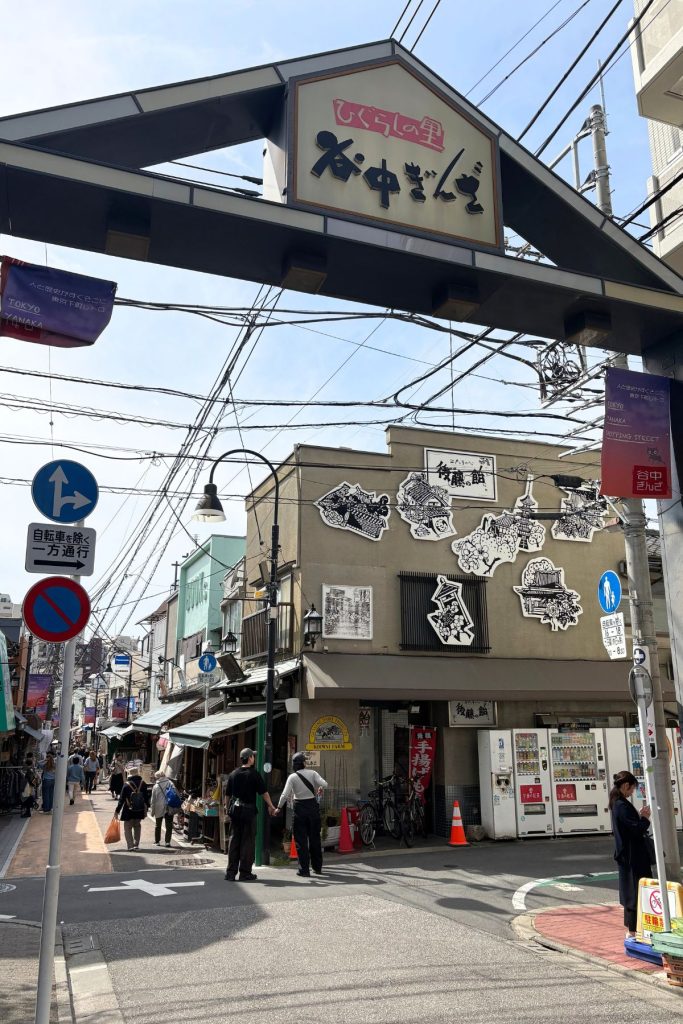
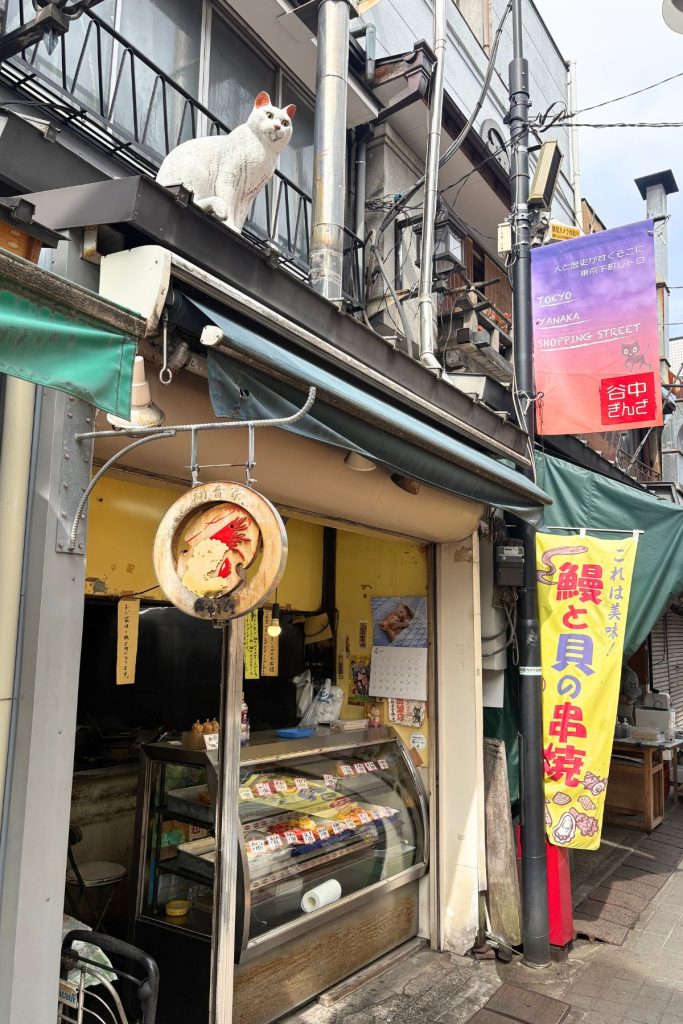
The Yanaka neighborhood sits northwest of Asakusa, so I made my first subway trip of the visit to get here. The Tokyo subway is crowded but fairly easy to navigate, both getting there and back. I cover the specifics of using the Tokyo subway in a separate post.
Tokyo Skytree
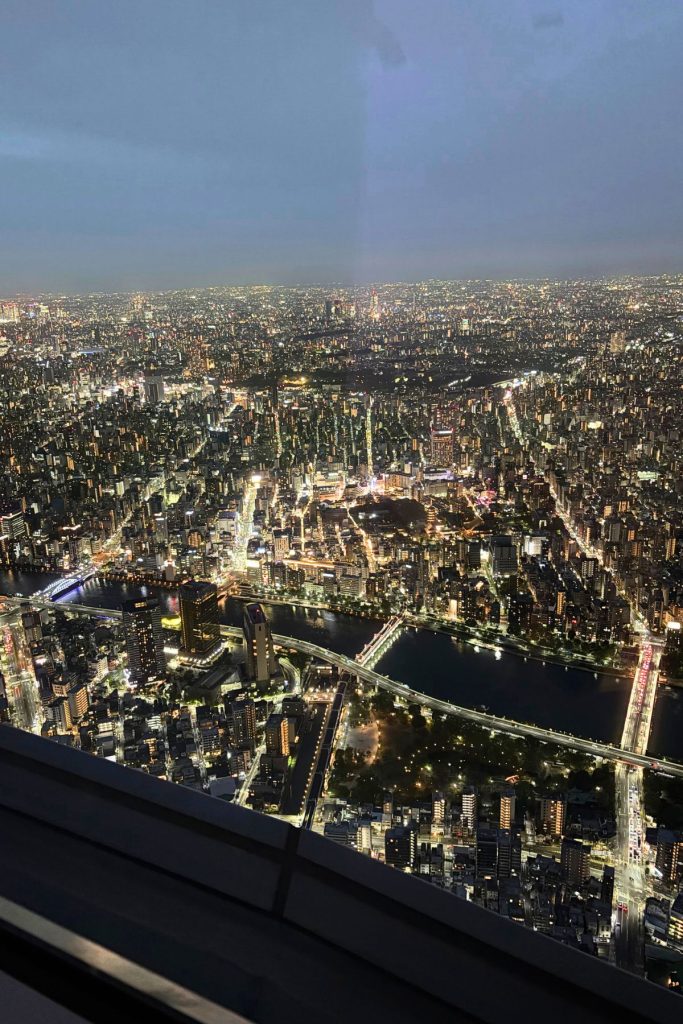
My visit to Tokyo Skytree was fun, but rather crowded. After a very sunny day, the clouds rolled in about an hour before I got there, so there was not much sunset to see. Still, the 360-degree views stretch out in every direction from up there, rooftops and lights fading into the haze at the edges.
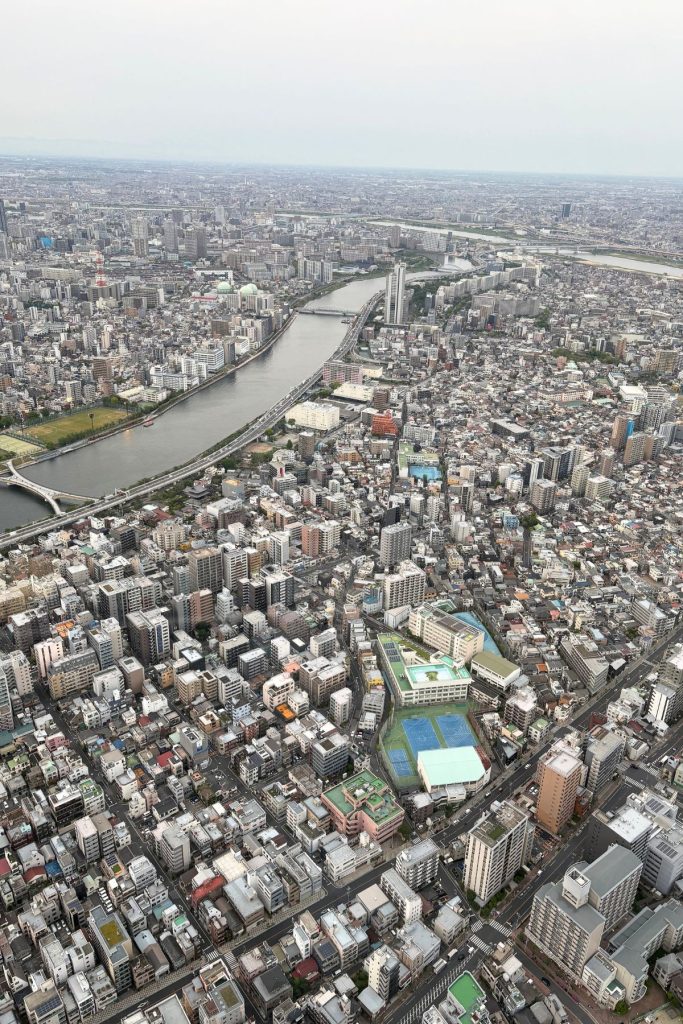
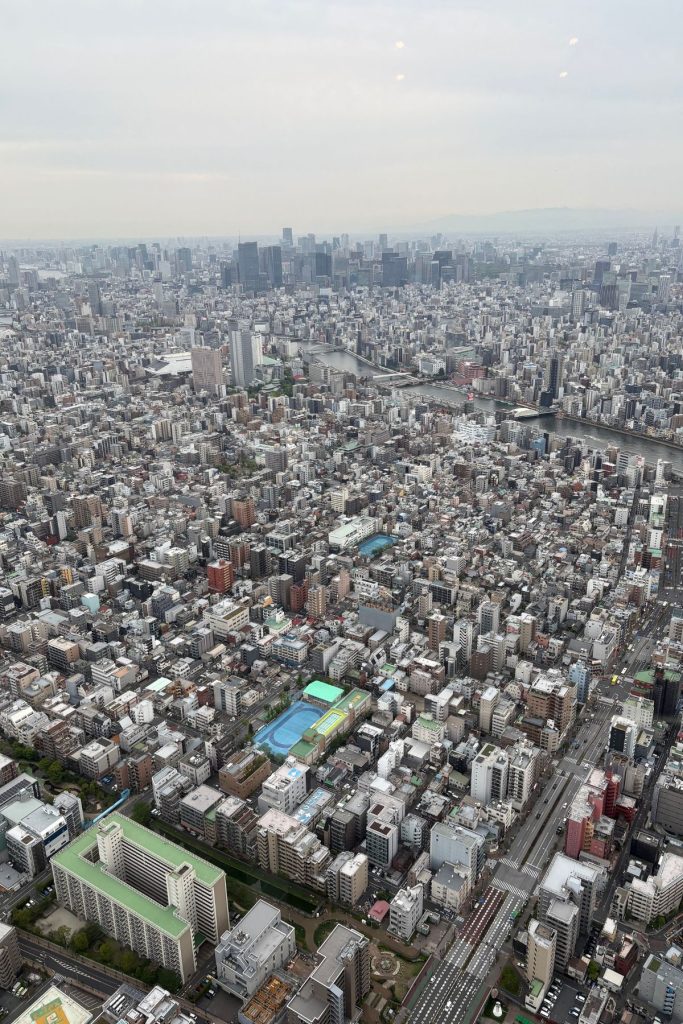
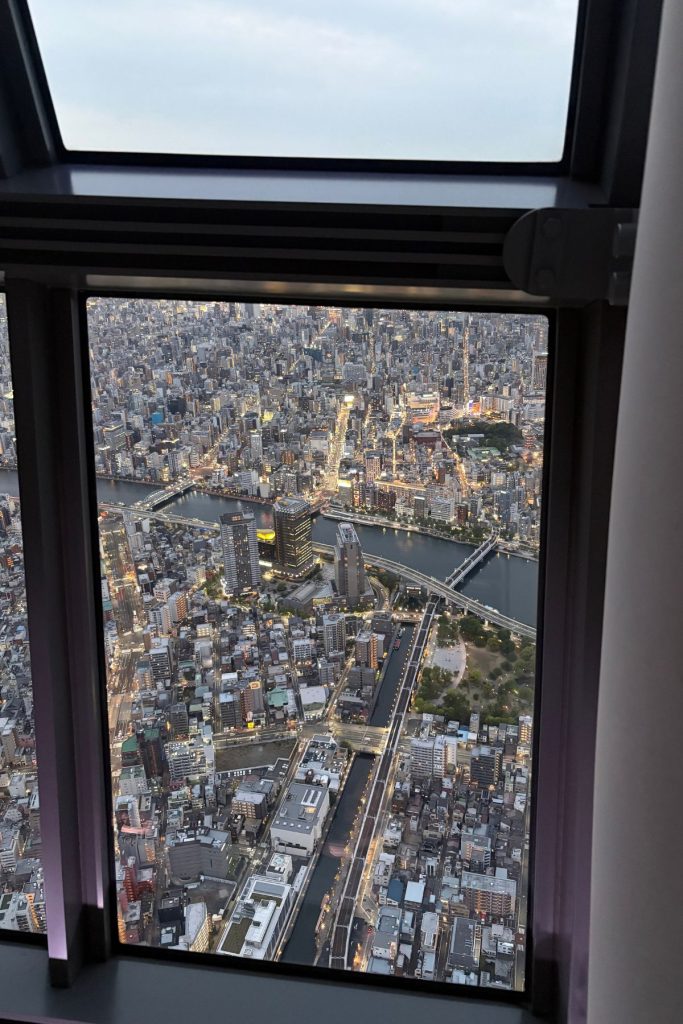
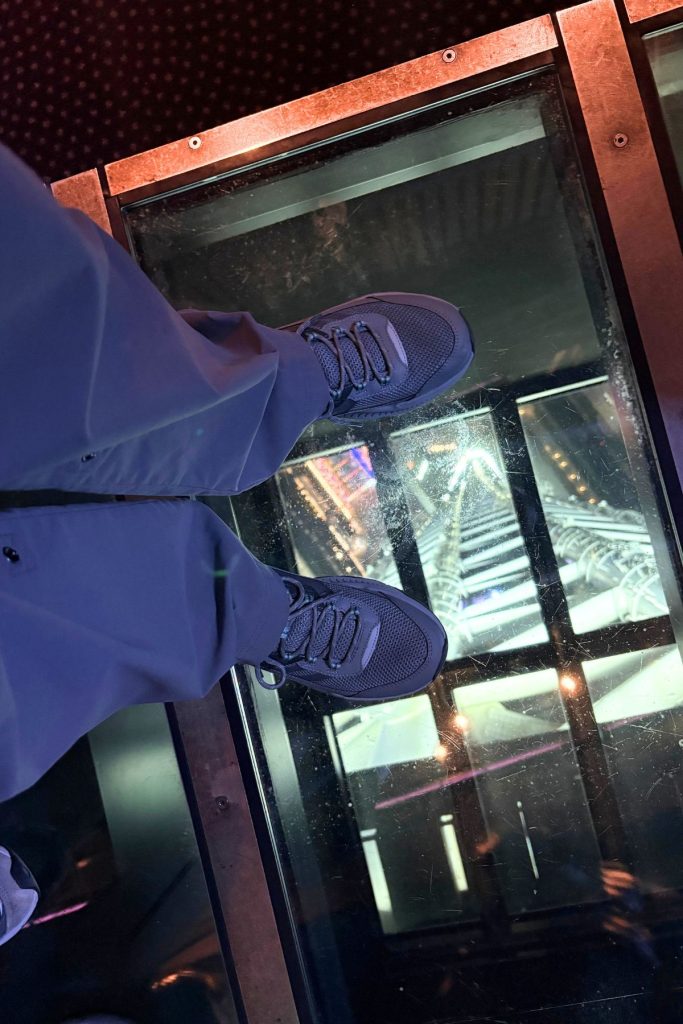
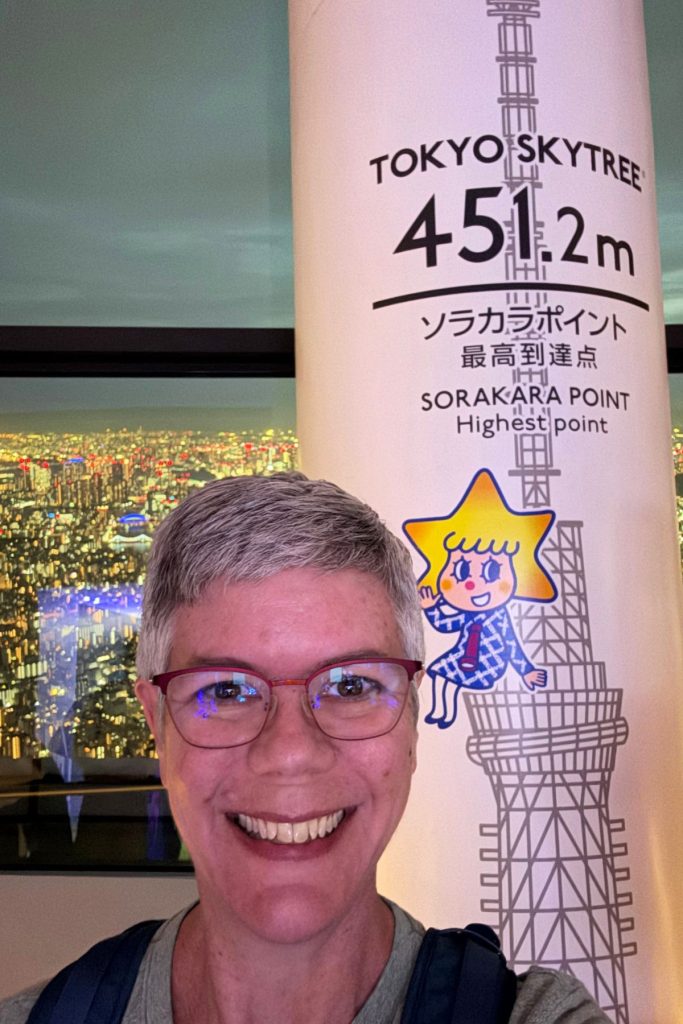
I started on the Tembo Deck (350 meters / 1148 feet up), then went up to the Tembo Galleria and Sorakara Point (450 meters / 1476 feet up), before making my way back down to earth.
Ueno Park
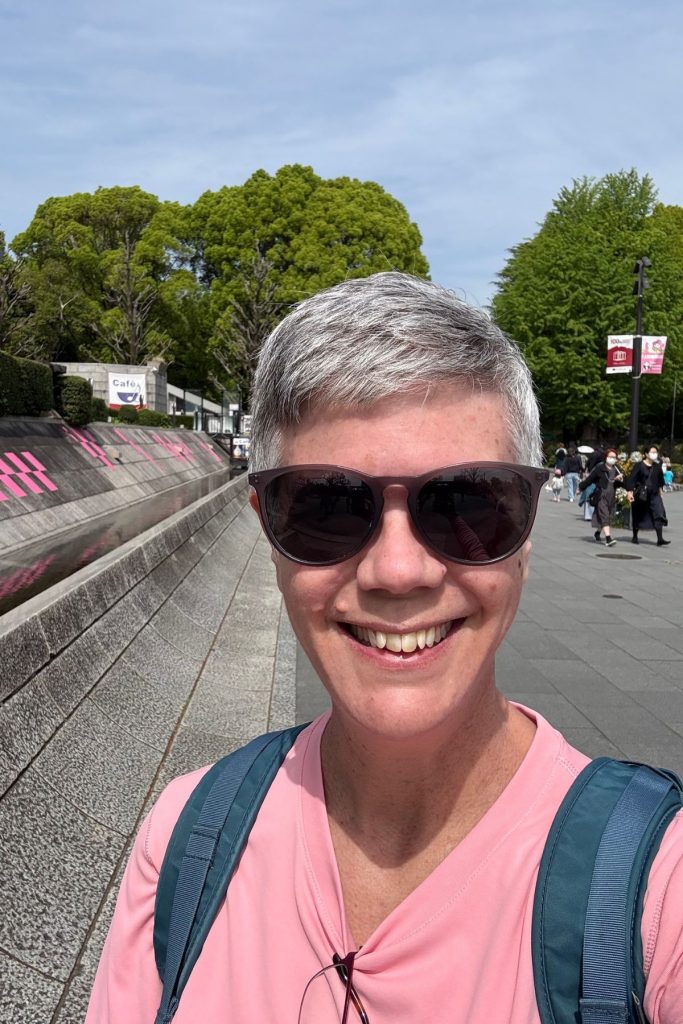
The next day, my last day in Tokyo, I started in Ueno Park. Getting there from my hotel meant another subway ride, quick and easy this time around. There is a ton going on here: several temples and shrines, a handful of museums, a zoo, a lake, and a baseball field, to name a few. This large park covers about 133 acres (538,506 square meters) and was established in 1873 as one of Japan’s first public parks.
Ueno Park’s Museums and Academies
Ueno Park is home to several major museums, including the Tokyo National Museum, the National Museum of Nature and Science, the National Museum of Western Art, the Tokyo Metropolitan Art Museum, and the Shitamachi Museum. The park is also home to the Japan Academy and Tokyo University of the Arts, formed from the merger of the former Tokyo School of Fine Arts and Tokyo School of Music. You can attend a concert at the university’s Sōgakudō Concert Hall, or an opera or ballet at the Tokyo Bunka Kaikan.
Hanazono Inari and Ueno Toshogu Shrines
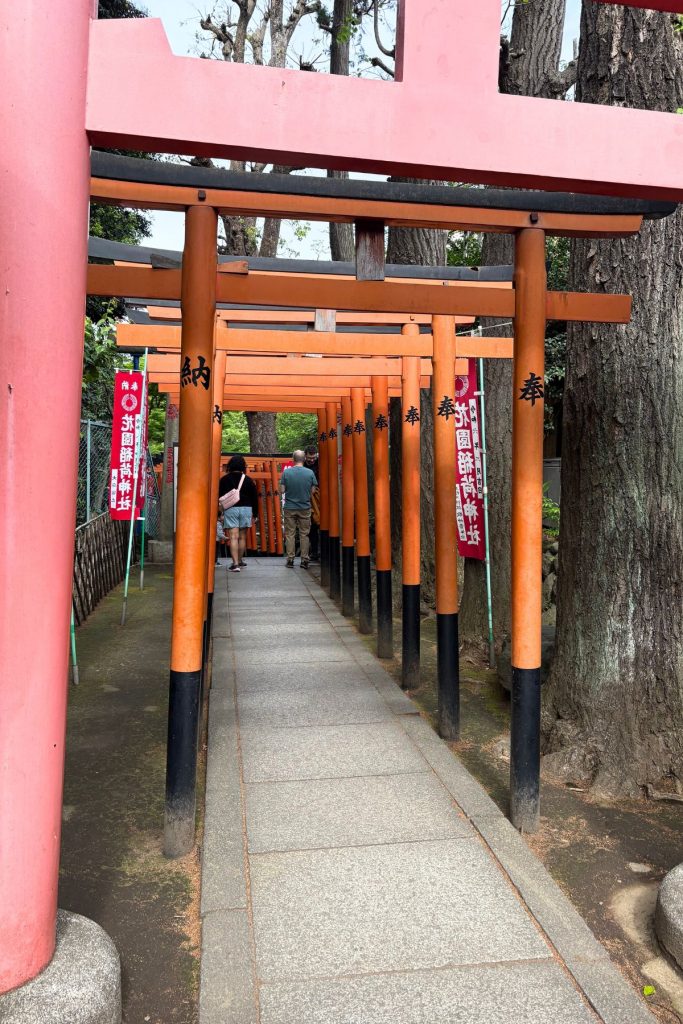
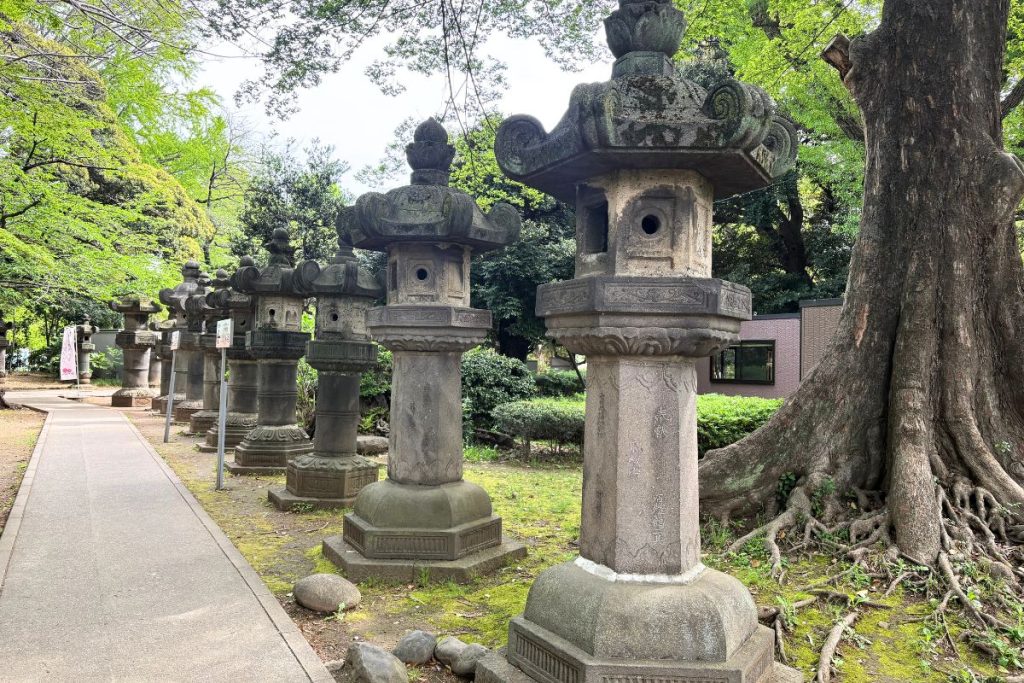
Two of the park’s smaller shrines were worth the detour on their own. Hanazono Inari Shrine tucks a tunnel of red torii gates into one corner of the park, a scaled-down cousin of the famous ones in Kyoto. Ueno Toshogu Shrine, dedicated to Tokugawa Ieyasu since 1627, lines its approach with stone lanterns donated by feudal lords centuries ago, each one still carrying the donor’s name.
The Peony Garden at Toshogu
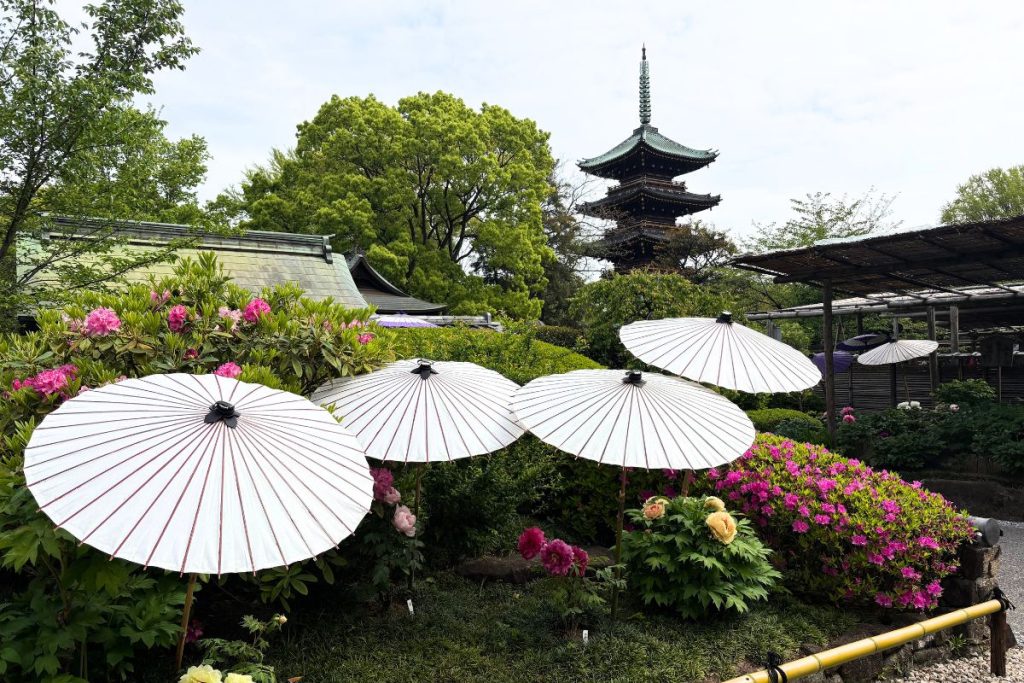
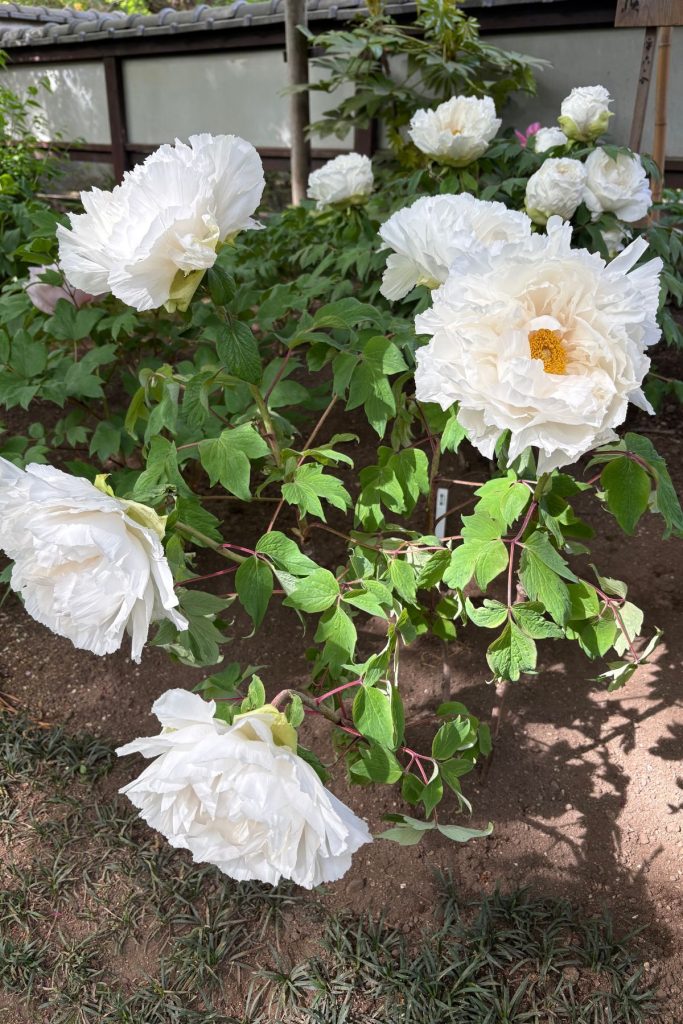
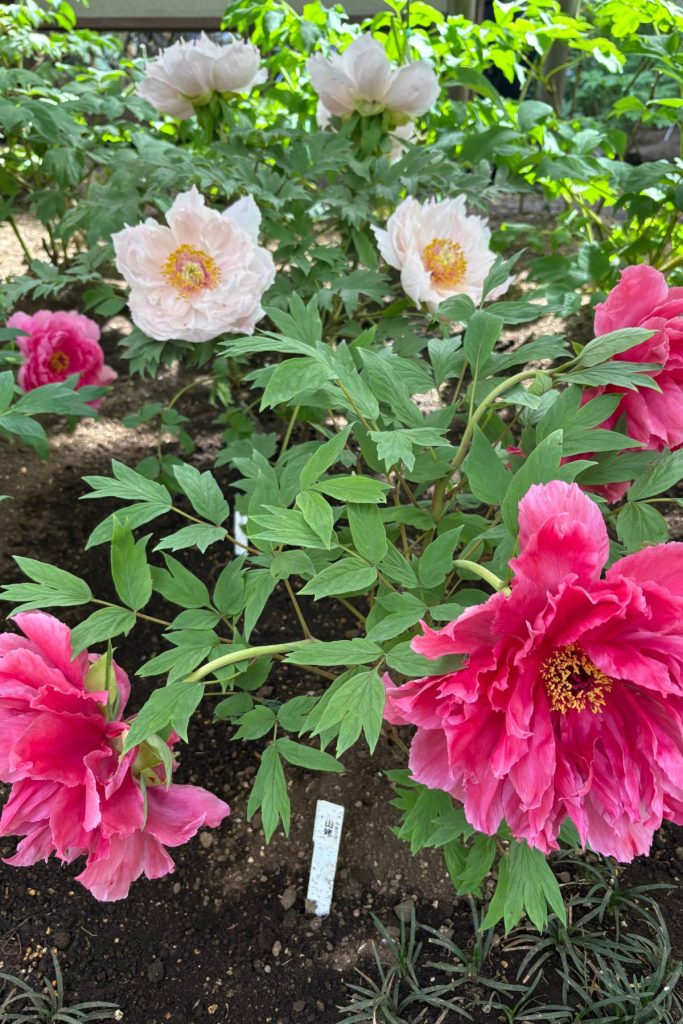
I enjoyed wandering around most of Ueno Park, especially the peony garden at Toshogu, filled with peonies in every color, with the Kan’ei-ji Five-Storied Pagoda rising just beyond the garden wall. The peonies were in bloom when I was there, so it was worth the detour.
Imperial Palace East Gardens
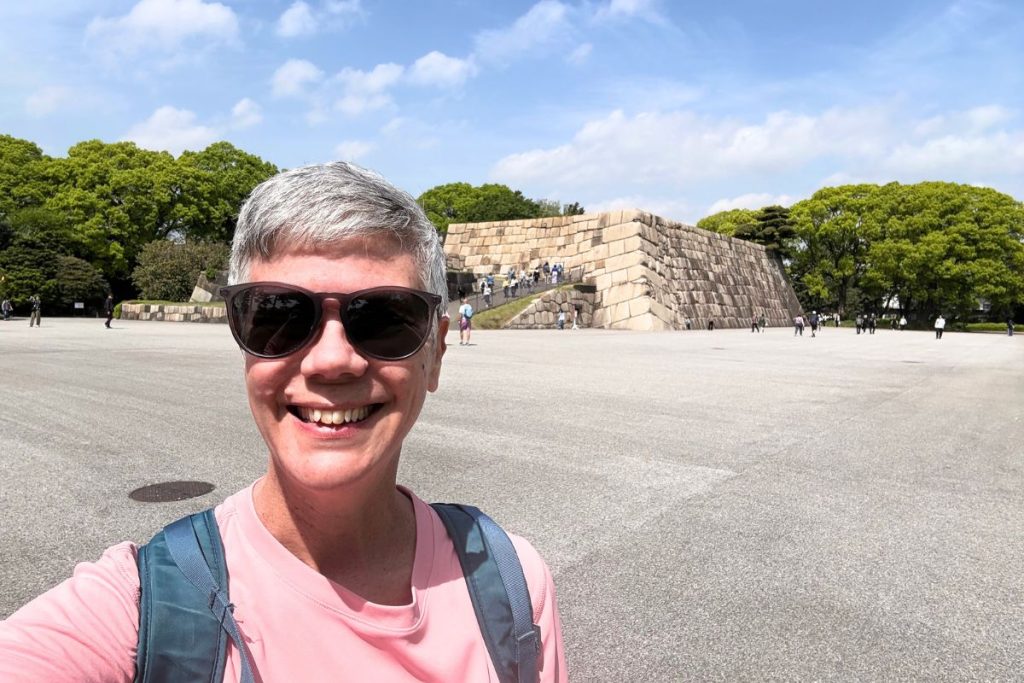
Next, I hopped back onto the subway and visited the Imperial Palace East Gardens, another good place to walk around and take in the sights. These historical gardens are part of the Tokyo Imperial Palace.
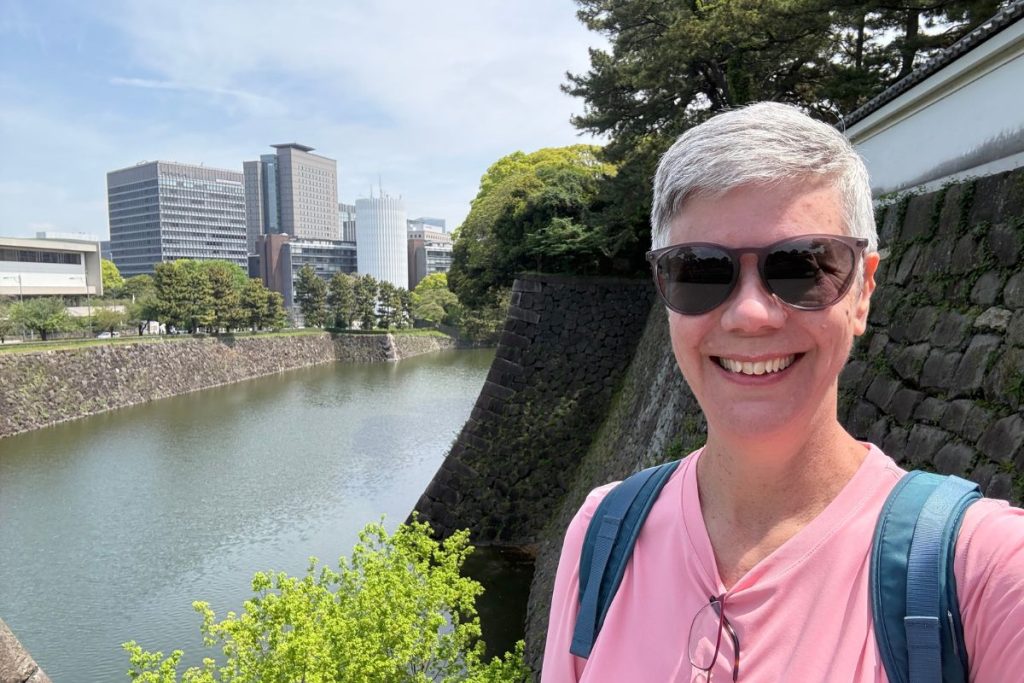
The Imperial Palace East Gardens cover 52 acres (210,000 square meters), with plenty of lush green space to wander.
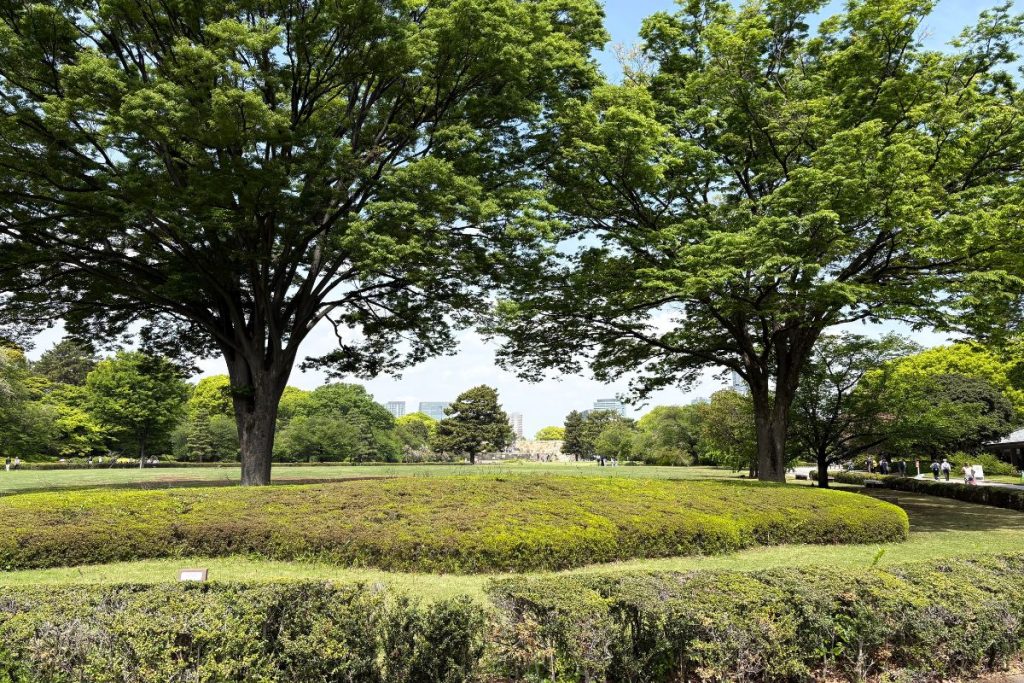
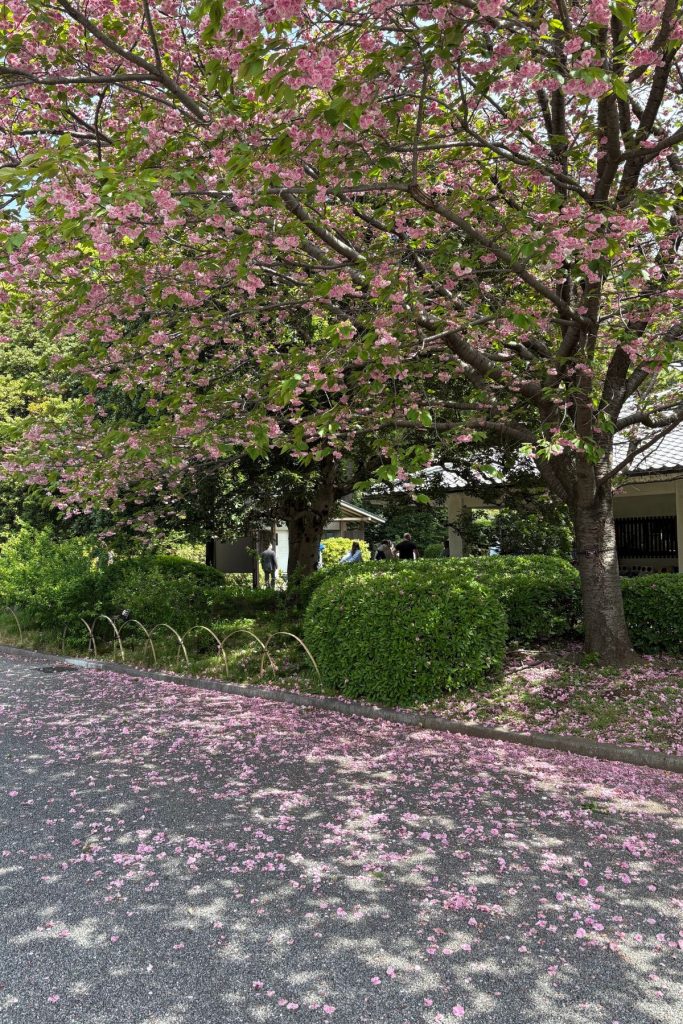
Built on the grounds of Edo Castle, these garden areas were originally used for defense. The modern gardens were constructed in the 1960s and opened in 1968.
Worth the Time If You Have It
Two days barely scratches the surface of this stretch of Tokyo. A few things stayed on the list for next time:
- Nakamise-dori, properly. I walked through it more than once, but always on the way to somewhere else. This is one of the oldest shopping streets in Japan, and it deserves a slower pass, with actual stops instead of a lantern-lit blur.
- Kappabashi Kitchen Town. A restaurant-supply district between Asakusa and Ueno, lined with roughly 160 shops selling everything from professional-grade knives to the hyper-realistic plastic food samples Japan is famous for. A giant chef statue marks the entrance. I walked right past the turnoff.
- Nezu Shrine. One of Tokyo’s oldest shrines, known for a corridor of vermilion torii gates and an azalea garden that draws crowds every April. It sits close enough to Yanaka Ginza that skipping it still stings a little.
- Tokyo National Museum. I walked past the building in Ueno Park more than once and never went in. It is the oldest and largest museum in Japan, with a collection that covers everything from samurai armor to Buddhist sculpture.
- A Sumida River boat cruise. The Himiko and Hotaluna water buses depart from a pier near Sensoji and run to Odaiba, offering a different angle on Skytree and the river than anything visible from the banks.
Closing Thoughts
Two days was never enough, and I knew that going in. What I did not expect was how much of Tokyo’s personality showed up in the gap between the old and the new: a 7th-century temple with a line for fortune slips, a shopping street that time seems to have set down gently instead of paving over, a glass tower staring down at all of it. Asakusa and Ueno are not the flashiest introduction to Tokyo. They may be the right one anyway.
Common Questions
Getting There and Around
Asakusa, Ueno, and the surrounding areas are well connected. The Tokyo Metro and Toei subway lines make hopping between stops quick and cheap, and IC cards like Suica or Pasmo make it even easier. That said, some of the best discoveries happen on foot, so do not be afraid to pocket the subway map and just walk. A mix of walking and subway hops is the sweet spot for covering it all.
No. English signage is common in train stations, at major attractions, and on subway maps, and enough people working in tourist-facing spots speak at least some English to get by. A translation app on your phone covers the rest. I do not speak Japanese beyond a handful of polite phrases, and I never once felt stuck.
Timing and Tickets
I got there early, around 8:30am, and it was busy but not overly crowded. By around 10am the tour groups start arriving, and the crowds pick up fast. When I returned in the evening, the crowds thinned out again. Early morning or evening is the move.
For most of these stops, you can show up and walk right in. Senso-ji, Sumida Park, Yanaka Ginza, and the Imperial Palace East Gardens are all free and require no reservation. The East Gardens do have set opening hours and are closed on Mondays and Fridays, so it is worth a quick check before you go. Tokyo Skytree is the one exception worth planning ahead for. Tickets can be purchased on arrival, but lines get long on weekends and holidays, and booking online in advance can save a frustrating wait at the bottom of the tower. I booked my Tokyo Skytree ticket in advance and was glad I did.
Spring (March through May) and fall (September through November) are the sweet spots, with mild temperatures and none of Tokyo’s brutal summer humidity. Late March into early April brings cherry blossom season, which is gorgeous but also the most crowded and expensive stretch of the year. If you want the flowers without the elbow-to-elbow crowds, aim for the tail end of blossom season or skip straight to November, when the fall color comes through with a fraction of the foot traffic.
Keep Wandering
Swipe, Ride, Explore: Tokyo’s Subway Made Easy
Golden Walls, Nightingale Floors, and Cherry Blossoms: The Magic of Kyoto Awaits