Travel in Troubling Times
Turn on the news and you’d think the entire planet was off-limits. Put down the remote, however, and you’ll find billions of people living their lives, welcoming strangers, and serving incredible food to anyone brave enough to show up. Turns out, “troubled times” is a headline — not a travel advisory.
The fear of what could potentially happen during travel is often disproportionate to the actual risk. Billions of trips happen every year without issue or incident. By being prepared and informed, instead of fearful and uncertain, you can adopt the best mindset for successful and safe travel.
Practical Tips for Concerned Travelers
While there is a lot going on around the world these days that can make travelers nervous, it is important to remember that most of the world remains safe to visit. Risky situations such as conflicts and wars tend to be concentrated in specific regions. So, the vast majority of the world will be unaffected by active war zones at any given time. Rely on a few key resources, outlined below, to make informed decisions before and during travel in these uncertain times.
Do Your Research Before You Book
If you are currently considering travel, or if you are actively planning upcoming travel, it is more important than ever to do some research before booking travel. Working with a trusted partner like a Travel Advisor (TA) can help with all of this, as TAs can point you in the right direction and help answer questions you may have.
There are also government websites that provide real-time and official travel advisories. Check websites of the U.S. State Department, UK Foreign Office, and similar agencies that are regularly updated with official travel advisories. Be cautious about only relying on news headlines and social media posts, which tend to amplify danger. Head to official sources to fully understand what, if any, advisories have been issued.
When planning future travel, consider travel timing and routing. If your plans take you to or through an area of conflict (or one potentially on the cusp of conflict), consider waiting a month or more to see how conditions develop. Review the expected travel routes and avoid stopovers or stays in regions with heightened tension.

- U.S. State Department website: https://www.state.gov/
- UK Foreign Office website: https://www.gov.uk/foreign-travel-advice
- Interested in working with me as your Travel Advisor? Click here to get started.
Consider Traveling to Safer Areas
If you are considering future travel and are nervous about the current state of the world, consider some regions and destinations that are widely ranked among the safest for travel. Also keep in mind that safety can vary within a country or a region, so it is important to check for specific advisories. In general, focusing on tourist-heavy areas tends to be the best bet, as they are typically better monitored and overall more safe.
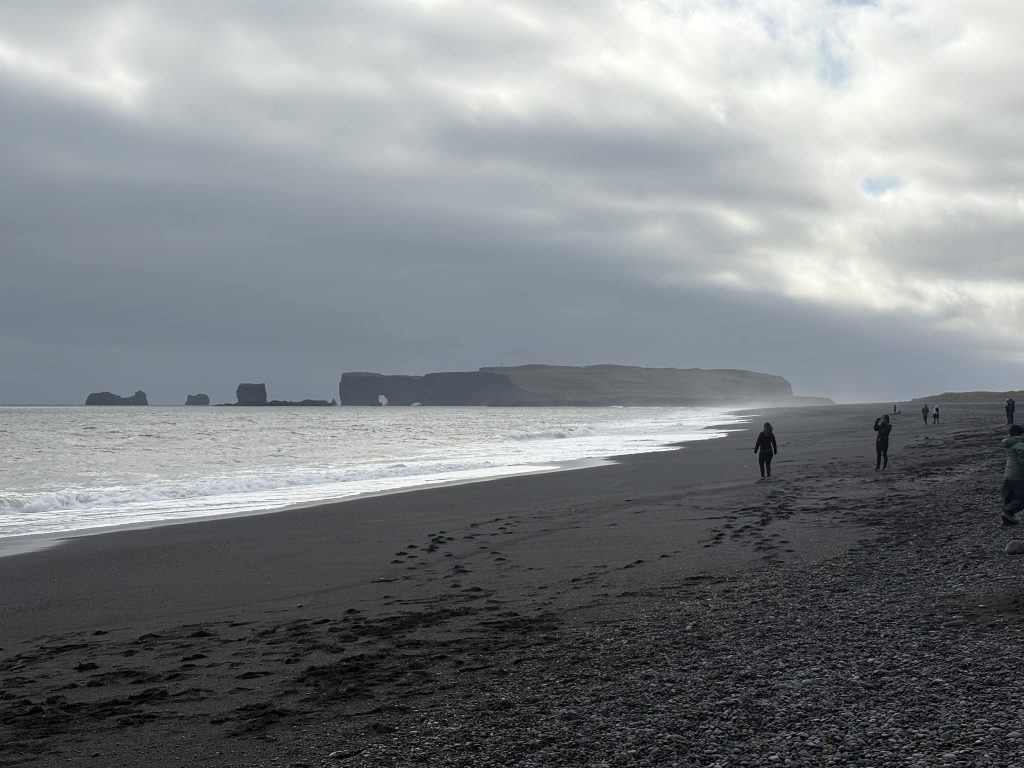
- Western Europe: Iceland, Ireland, Portugal, Switzerland, Norway, Denmark, and Austria are consistently ranked among the world’s safest travel destinations.
- Southeast Asia: Thailand, Vietnam, Bali (Indonesia), Malaysia, and Singapore all have well-developed tourism infrastructures and are generally quite safe for travelers.
- East Asia: Japan, South Korea, and Taiwan are all great choices, with low crime rates and welcoming cultures.
- The Pacific: Australia and New Zealand are far removed from global conflict zones.
- North America: Canada consistently ranks as one of the safest travel destinations around the globe.
- Central and Northern Europe: The Czech Republic, Slovenia, Estonia, and the Baltic states have strong safety records (and are truly underrated gems!).
- The Caribbean: Aruba, Barbados, the Cayman Islands, and St. Lucia all have good safety reputations.
- Check the Global Peace Index, published annually by the Institute for Economics and Peace, to see the rankings of 163 countries according to their level of peacefulness.
Focus On Reality, Not Perception
In today’s world of constant and abundant media, the onslaught of coverage can make the world feel more dangerous than it actually is. Dramatic posts generate more likes. Fear breeds more fear (and, unfortunately, more likes and more reach). Consider the source of your information to determine how much weight to give it. Doom scrolling will likely just spiral your fears out of control. If you do find yourself stuck in a downward spiral of doom online, pause and remember that most travelers never encounter anything dangerous. A conflict in one part of one country does not necessarily make the entire country or region unsafe.
- Take the time to research official websites instead of relying solely on news or social media coverage
- Understand how close or how far a conflict area is to where you will be traveling
Stay Informed
If you are currently traveling, it is important to keep yourself informed of any conflict situations. There are many different alerts you can register for, both from your home country and within the country in which you are traveling. Local news will also help keep you aware of the current situation wherever you are. It is also helpful to know the location of your country’s nearest embassy or consulate while traveling – you can find this information online. As always, regardless of how near to a conflict situation you may be, maintaining situational awareness while traveling is key.
A few pro tips for savvy travelers:
- Download offline maps from apps like Google Maps or Maps.me before you arrive at your destination to ensure you can still find your way around even if connectivity goes down
- Find and save your embassy’s local phone number in your phone prior to landing
- Set up a group chat with family or friends at home for a simple check-in system – you can keep them posted on your activities and locations, and they can help get information to you from home if your local information is limited or spotty
- Check the U.S. State Department site for regular updates on country advisories and threat levels
- Register with STEP (Smart Traveler Enrollment Program) – a free U.S. State Department program that sends alerts and helps the local embassy locate travelers in an emergency
- Similar programs exist in other countries: FCDO (Foreign, Commonwealth
& Development Office) in the UK, RCA (Registration of Canadians Abroad) for Canadians, and Smartraveller for Australians.
Trust Your Gut
The bottom line is to trust your gut. If you have concerns about upcoming travel, do your research and talk to trusted sources like your Travel Advisor to determine your best next step…if you still feel uneasy after researching everything, then consider pivoting to Plan B. If you find yourself in an area where a situation is escalating or things just feel “off,” leave the area and find a safe refuge. Do not let the idea of sunk costs, such as a paid airline ticket or a hotel booking, override your instincts.
Common Questions
Is it really safe to travel right now?
The short answer is: for most destinations, yes. Of course, a true longer answer requires some research and a bit of honest unpacking. Do the appropriate research about your specific destination to make that determination for yourself. But honestly, travelers are more at risk of petty theft, pickpocketing, road accidents, medical illnesses, or scams while traveling than from wars or conflicts. Travel to the right places with the right preparation can absolutely continue to happen.
What’s the difference between a travel warning and a travel advisory?
In the U.S., the term “travel warning” was actually retired in 2018 and replaced with a unified travel advisory system. Other countries use similar advisories. The U.S. four-level system includes:
- Level 1 – Exercise Normal Precautions. This is the lowest advisory level, and indicates that the destination is considered relatively safe.
- Level 2 – Exercise Increased Caution. This level indicates that something warrants attention, such as elevated crime, civil unrest, terrorism risk, or health concerns. Level 2 means you should stay alert and know what the specific risks are, but travel is still allowed.
- Level 3 – Reconsider Travel. This level indicates that the risks are significant enough to warrant seriously thinking before booking or traveling here, often related to active nearby conflict, high crime, or unstable political situations. Travel is still possible here, but serious preparation and a clear-eyed assessment of your risk tolerance is warranted.
- Level 4 – Do Not Travel. This is the strongest possible advisory, typically reserved for active war zones, countries with extreme terrorist activity, or situations where the U.S. government has limited or no ability to assist citizens in an emergency. Do not travel to any location flagged as Level 4.
Should I buy travel insurance, and what kind actually covers conflict or unrest?
Travel insurance is always a great idea, whether you are traveling to a risky area or not. As my grandmother used to say, “it’s better to be looking at it than looking for it.” But unfortunately, standard travel insurance likely does not cover losses related to war, invasion, civil war, or acts of terrorism…these are typically explicitly listed in the exclusions sections. There are policies like CFAR (Cancel For Any Reason) that may expand coverage available. Work with your trusted Travel Advisor or insurance provider to ask any specific questions you may have prior to purchasing travel insurance to ensure you are getting the best policy for your specific situation. Some questions to ask before you buy:
- Does this policy cover trip cancellation due to civil unrest or a change in government travel advisory?
- Does the evacuation coverage include security/political evacuation, or only medical?
- Is there a terrorism exclusion, and if so, how is terrorism defined?
- Does a known event exclusion apply, and what counts as a “known event”?
- What level of travel advisory triggers coverage — Level 3, Level 4, or only certain language?
- Does coverage apply if I travel against an existing government advisory?
Even More Travel Ideas
How to Avoid Common Travel Mistakes