Small Ships, Big Problem: What’s Really Going On With Rhine and Danube Water Levels
The Question
Is your river cruise actually going to be affected by the water levels everyone keeps posting about?
That is the version people ask out loud. The quieter version, the one underneath it, is closer to: is this real, or is this just Facebook group noise.
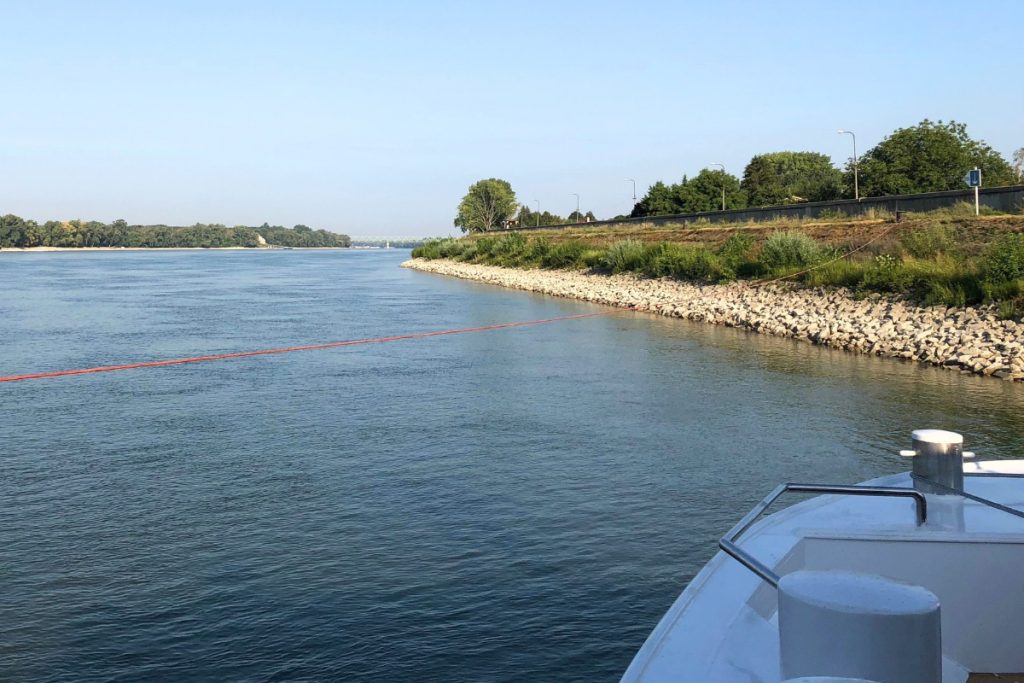
It is real. I saw a milder version of it myself back in 2018, when low water on the Danube forced my own cruise to dock short of Budapest and finish the trip by bus. This year is worse, by a wide margin, but the mechanics are the same ones I experienced firsthand. This has been a genuinely difficult season for both rivers. The Rhine set new record lows. The Danube swung between recovery and renewed drops, depending on the stretch. It is not one bad week that will pass. It is the kind of season that shows up in the data as historically unusual, not just anecdotally rough.
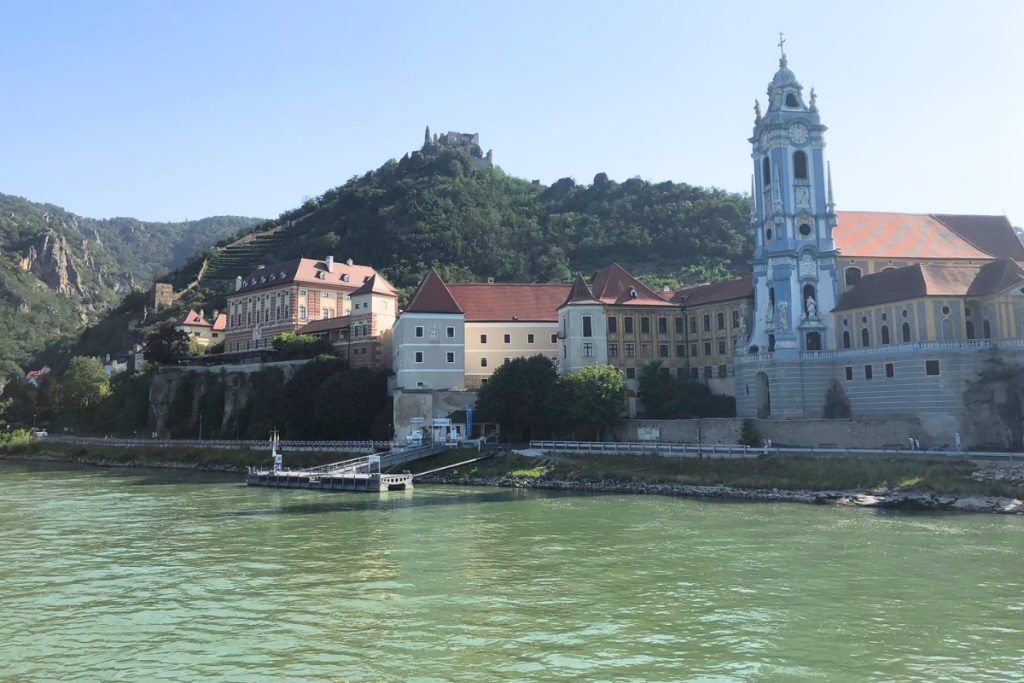
So if you are seeing a wave of frustrated posts right now, you are not imagining it. You are not the only one dealing with it.
What’s Actually Happening
Low water matters because ships need a minimum river depth to clear the bed safely. When a stretch falls below that threshold, the ship cannot pass, no matter how good the captain is. Lines respond with whatever fix the situation allows. A ship swap positions two ships on either side of the blocked stretch. Each ship sails the portion it can actually reach, and passengers move between them by motor coach. Other fixes include a hotel night on land or a reversed itinerary. In the worst cases, that means cancelling and refunding that portion of the trip.
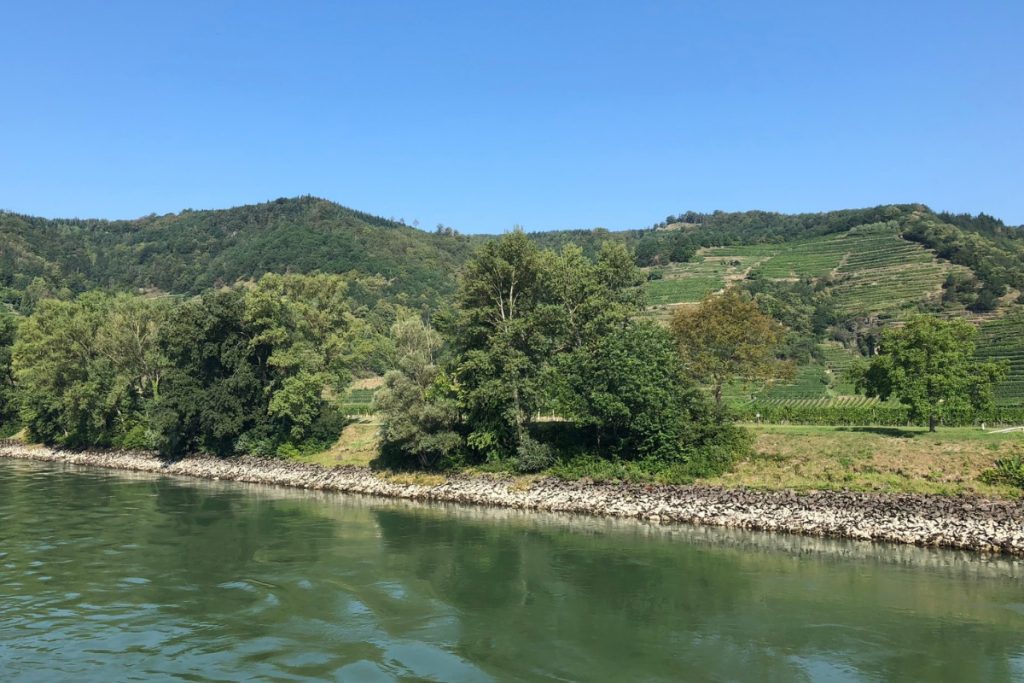
Every river cruise ship is small. A standard ship carries somewhere between one hundred forty and one hundred sixty passengers. The newer double-wide ships top out around two hundred. On its own, one ship’s schedule change looks like a personal inconvenience, not industry news.
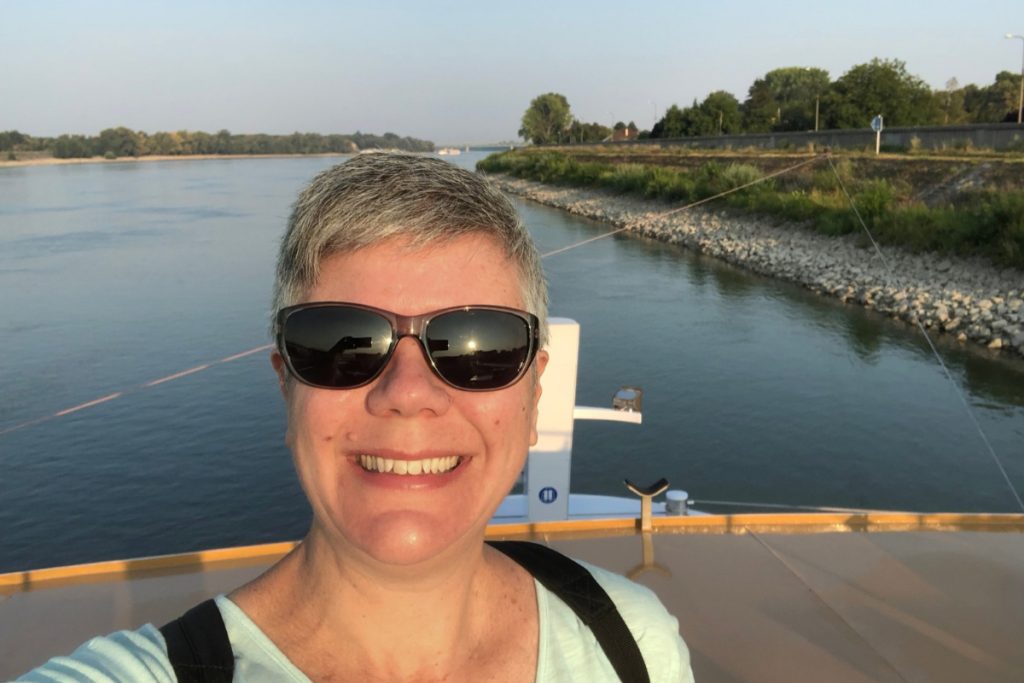
Multiply that out and the picture changes. Europe runs roughly four hundred active river cruise ships across a dozen or more lines. That includes Viking, AmaWaterways, Avalon, Uniworld, Scenic, Emerald, and Tauck. On the Rhine alone, more than twelve hundred cruise ships passed through a single lock. That happened in just the first six months of 2025. Viking told investors that more than half of its European operating days were affected during one five-week stretch this summer. That is one of the largest fleets on the water.
And it does not spread evenly. It concentrates on the same handful of stretches, over and over: Regensburg to Passau, Nuremberg to Passau, Budapest to Vienna. Every line running those stretches pulls from the same small pool of regional motor coaches and the same limited hotel rooms. Often, it is the same local guides too. When the water drops, it is not one line scrambling. It is a dozen ships from a dozen brands needing the same buses and the same beds. All in the same small city, on the same day.
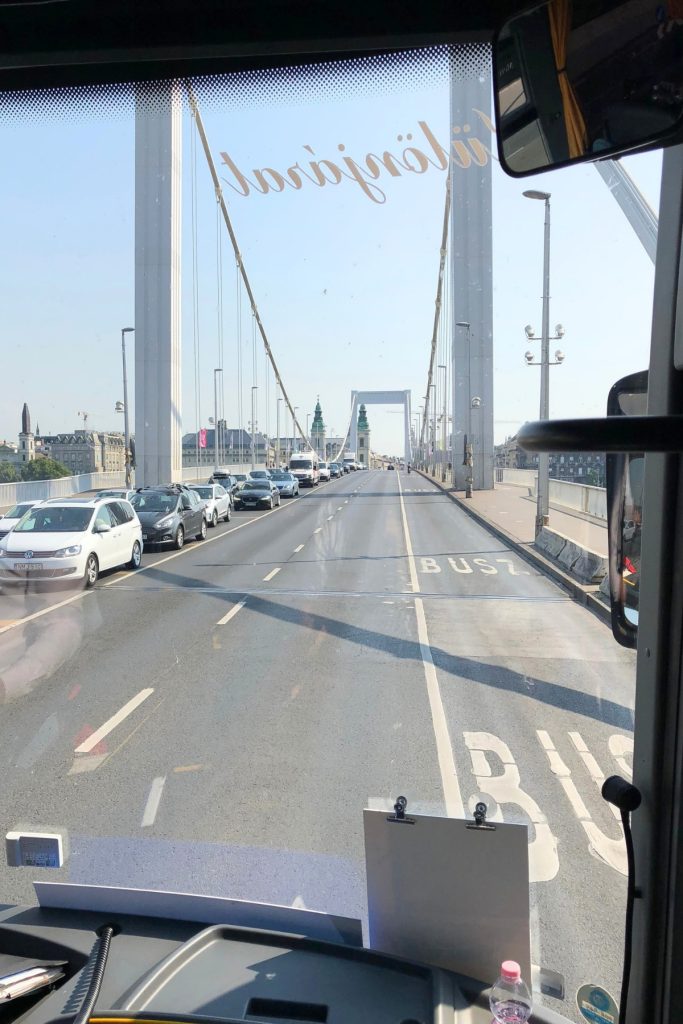
Small ships. Large aggregate demand. A supply chain built for calm rivers, not this kind of pressure.
What This Means for You
If you are booked on a Rhine or Danube sailing this season, here is what to realistically expect.
Most itinerary changes get communicated closer to departure than travelers would like, sometimes days out rather than weeks. Water levels genuinely can shift that fast. Lines are not being cagey on purpose. They are working with a river that will not commit to a forecast either.
A schedule change does not automatically mean a ruined trip. Most disruptions show up as a swapped port, a bus transfer instead of a scenic sailing day, or a different overnight location. Rarely does it mean a cancelled cruise. The itinerary you booked and the itinerary you sail are rarely identical in a low-water year. But “different” and “bad” are not the same thing.
That said, do not assume every line handles this the same way. Some communicate proactively and rebook you into comparable experiences without much fuss. Others wait longer to announce changes, or lean harder on generic compensation instead of a genuine substitute experience. If you already have a booking, it is worth knowing which kind of line you are dealing with. That shapes how much hand-holding you should expect, versus how much you should ask for yourself.
Maybe you have not booked yet and are eyeing a Rhine or Danube itinerary for next year. That is not a reason to avoid river cruising. It is a reason to go in with realistic expectations. Ideally, that means someone in your corner who already knows which lines handle disruption well.
The Catch
Here is the part that catches people off guard, usually after the fact rather than before.
Most lines do offer something when a low-water disruption forces a real change. That might be onboard credit, a partial refund, or a future cruise credit. That is a genuine safety net. It is worth knowing your line’s actual policy rather than assuming a specific dollar amount or format. Credit is not always cash, and future cruise credit only helps if you were already planning to sail again.
What that compensation usually does not touch is everything around the cruise. Flights you already booked. A pre-cruise hotel night. A non-refundable train ticket to get you to the embarkation port. The cruise line’s generosity, when it exists, tends to stop at the edge of the cruise itself.
Travel insurance sounds like the obvious fix for that gap, and sometimes it is. But standard policies often treat low water during peak season as a known, recurring risk rather than a covered surprise. So “I have travel insurance” is not automatically the same as “I am covered for this.” We will get into what to actually look for in a policy in the next Behind the Booking post.
So the real catch is this: compensation from the line and a standard insurance policy each cover part of the picture. Neither one reliably covers all of it. Knowing the gap ahead of time is the difference between an annoying schedule change and an expensive one.
Closing Thoughts
None of this means skip the Rhine or skip the Danube. Both rivers have been doing this on and off for decades. People keep sailing them, keep loving them, and keep coming home with stories worth telling.
It does mean going in with a clear picture instead of a brochure one. Small ships add up to a large, interconnected system. That system is currently under real pressure. The fixes, while imperfect, are usually reasonable given what the lines are working with.

Worth remembering too: the cruise director rearranging your day for the third time this week did not choose this either. Neither did the crew rerouting buses or the local guides adjusting on the fly. Neither did the front desk staff, fielding the same frustrated question over and over. They are working the same unpredictable river you are, usually with less sleep and less patience left in reserve by the end of it. A little grace goes a long way here. The person in front of you is doing their best with a situation nobody actually controls.
If your itinerary changes this season, you are not being singled out. You are one small piece of a much bigger puzzle. Every line on these two rivers is solving it in real time, with the same limited pool of buses, beds, and patience.
Looking for a Travel Advisor?
You do not have to find out the hard way which lines handle disruption well. That is exactly the kind of thing I help sort out. I know which lines communicate proactively and which itineraries carry more low-water risk than others. I also know what to actually look for in a travel insurance policy, before you buy one, not after you need it.
Fill out this quick form and let’s build a Rhine or Danube trip you can feel good about, water levels included.
FAQs
Late July through September carries the highest risk, once Alpine snowmelt runs out and summer heat peaks. Conditions can start easing by October, but that is a trend, not a guarantee. Some years stay difficult well into fall.
All of them. Every major line sailing the Rhine or Danube is working with the same rivers and the same physical limits. That includes Viking, AmaWaterways, Avalon, Uniworld, Scenic, Emerald, Tauck, A-ROSA, and CroisiEurope.
Usually not a full one, unless the disruption is severe enough to cancel the sailing outright. Most lines offer some form of compensation for a changed itinerary, often onboard credit or a partial refund. The specifics vary by line and by how significant the change actually was.
You can, but check your cancellation policy and any travel insurance you hold before you do. Cancelling because you are nervous about a possible disruption is treated differently than cancelling because your specific sailing was changed. That is an important distinction to know before you decide.
Yes. Low water summers are not new, and most river cruises still deliver most of what travelers booked them for. Going in informed, with realistic expectations and a line that handles disruption well, makes a real difference. It matters far more than avoiding the rivers altogether.
Keep Planning
Still deciding whether a river cruise is the right fit for how you like to travel? Choose the Best River Cruise for You breaks down what actually matters when picking a river itinerary. Useful background, whether or not water levels are part of your decision. And if a schedule change like this one has you rattled, Detours Welcome: Turning Travel Mishaps into Life Lessons is a good reminder. The unplanned parts of a trip are sometimes the ones you remember best.