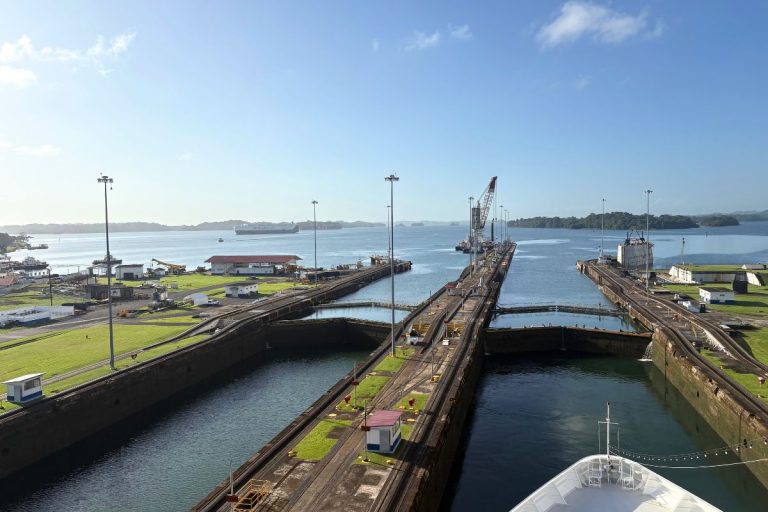
Ship Happens: The Real Pros and Cons of Cruise Travel
Cruising promises the dream: wake up in a new destination every day, all-inclusive dining at your fingertips, and a floating resort doing all the heavy lifting. But like any travel experience, what glitters on the brochure doesn’t always match the reality on deck. Before you book your next voyage, here’s an honest look at what cruising really has to offer — and where it might just leave you adrift.

In this post, we’ll break down the top five pros and cons of cruise travel, from the unbeatable convenience and value to the hidden costs and environmental concerns that don’t always make it into the sales pitch. Whether you’re a seasoned sea-goer or a first-time cruiser, consider this your no-fluff guide to deciding if life on the waves is right for you.
The Top Five Pros and Cons of Cruise Travel
On the plus side, cruising offers unmatched convenience, incredible value, and the thrill of waking up in a new port. Plus, you get to do it all while enjoying world-class amenities right on board. But it’s not all smooth sailing. Limited time at each destination, crowded ports, add-on costs, and a significant environmental footprint are all real drawbacks worth considering. The good news is that with a little research and realistic expectations, you can weigh these factors and decide whether a cruise is your perfect getaway — or a floating vacation you’d rather skip.
Pros of Cruising
Let’s start with the good stuff — and there’s plenty of it. Cruising has earned its devoted fan base for good reason, offering a style of travel that’s hard to replicate on land. From the ease of a single booking to the joy of exploring multiple destinations in one trip, here are the five biggest reasons travelers keep coming back to life on the open water.
1. Convenience
A cruise is the ultimate in all-inclusive convenience. Most cruises bundle the costs of accommodation, meals, entertainment, and transportation between destinations into one fare. There will be some additional costs along the way, but a cruise fare typically includes many things that you pay separately for on a land-based trip. So, traveling on a cruise can help make budgeting and planning much simpler.
2. Multiple destinations in one trip
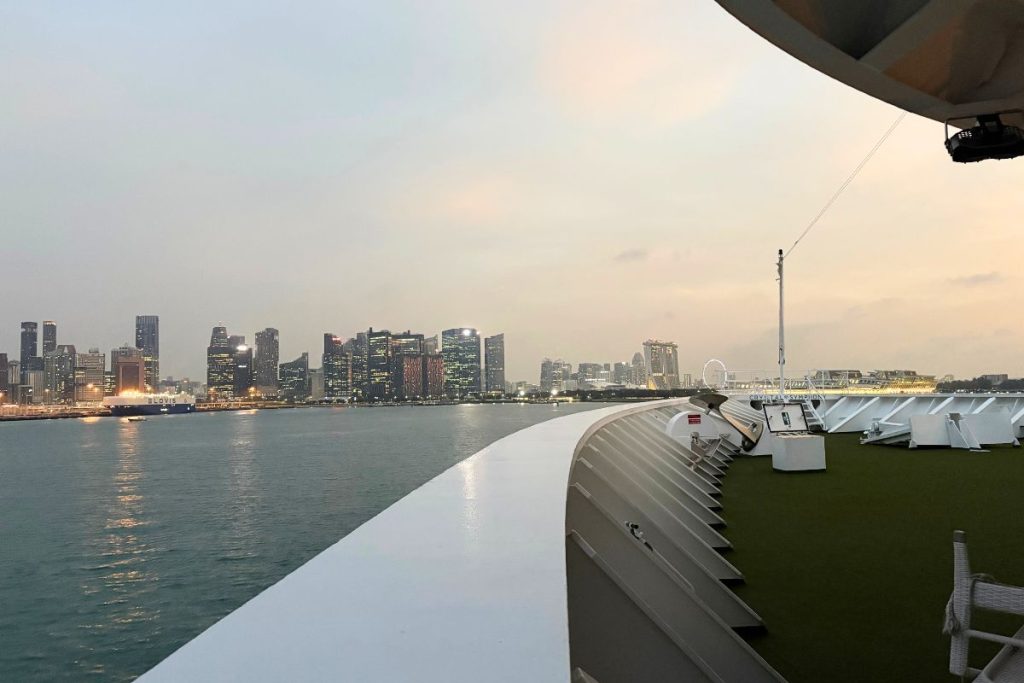
A cruise itinerary typically includes several different ports of call. Sometimes the cruise stays in one region or country. Other times, it may cover a few different areas. By taking a cruise, you get the benefit of visiting several different places in one trip. Along with the variety of destinations, a cruise ship becomes your “floating hotel.” Not having to go through the hassle of unpacking and repacking multiple times during the journey is a plus. You also don’t need to worry about booking multiple hotels or arranging for transportation from one location to the next.

3. Amenities on the ship
Cruise ships are packed with various things to do. The ships are basically floating resorts, with pools, spas, casinos, entertainment venues, specialty restaurants, and activities. Even when you are not exploring all of the fabulous ports, there will be plenty of options on the ship to keep you busy.

4. Great for many different kinds of travelers
Cruises are a fantastic option no matter what kind of traveler you are. From solo travelers to couples to large groups, a cruise is a great choice. There is something for every age group on a cruise. The trick is understanding the type of travelers and finding the perfect fit by cruise line and cruise ship. Cruises often offer themed or speciality itineraries as well, ranging from celebrity guest hosts/speakers to food, wine, history, or photography sailings and so much more. Be sure to look for those if there is something in particular that interests you. The possibilities are endless, so determine what sort of itinerary, amenities, and price you are looking for to find the best cruise.
5. Overall value for your money
When exploring options for cruises, be sure to consider everything that is included in the cruise fare. Once you factor in lodging, food, and entertainment, a cruise can offer a lot of value compared to having to piece the individual components together for a similar land-based trip. Breaking the total fare down to a per-day cost can help you better understand the actual pricing.


The top five pros of cruising:
- Convenience of bundling the costs of accommodation, meals, entertainment, and transportation
- Multiple destinations in one trip and you only have to unpack once
- Amenities on the ship keep everyone busy on sea days
- Great for many different kinds of travelers, regardless of age, travel style, or interests
- Overall value for your money
Cons of Cruising
Of course, no vacation is without its trade-offs — and cruising is no exception. While the appeal is undeniable, there are some real downsides that don’t always make it into the glossy advertisements. Before you set sail, here are five cons worth weighing carefully so you can board your ship with eyes wide open.
1. Limited time in each destination
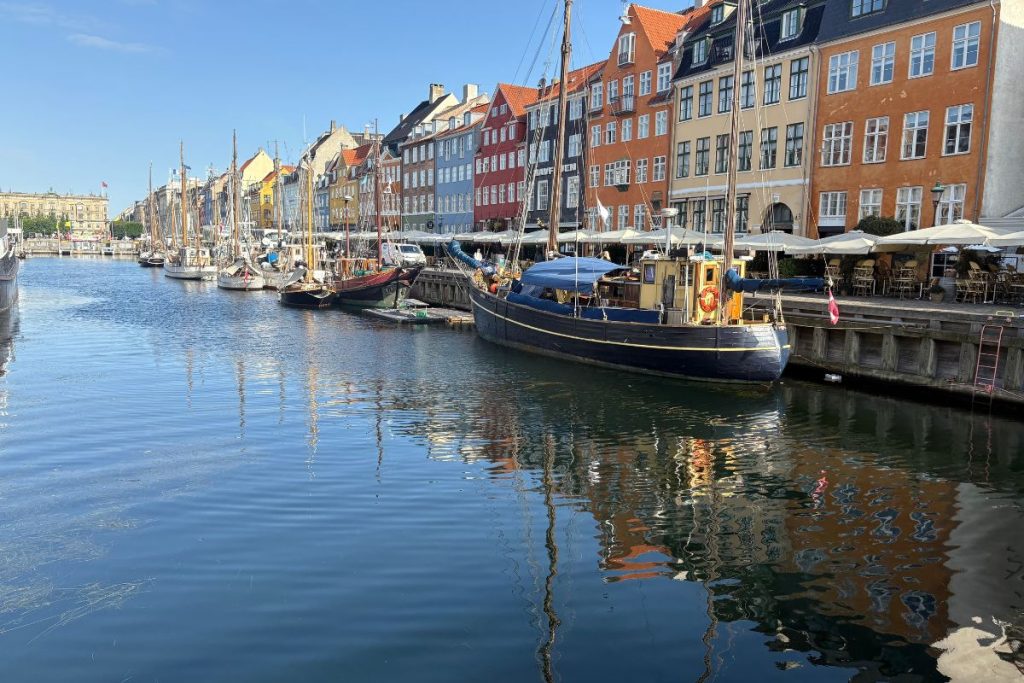
While getting to visit multiple destinations in one trip is a huge plus of cruising, the downside to this is that your time in each destination may be limited. More and more cruises, especially the smaller ships, are offering longer stays and/or overnight stays in ports, which can help. Others have itineraries that are concentrated on one country or region, such as “Spain Intensive” or “Ireland Intensive” itineraries which include several different ports in one country or region. But otherwise, you typically only have several hours in each destination. This can feel a bit rushed for some travelers. So, cruises may be better suited to those who wish to do more of an overview of a region instead of those who are looking for a deeper immersion into the culture.
2. Crowds
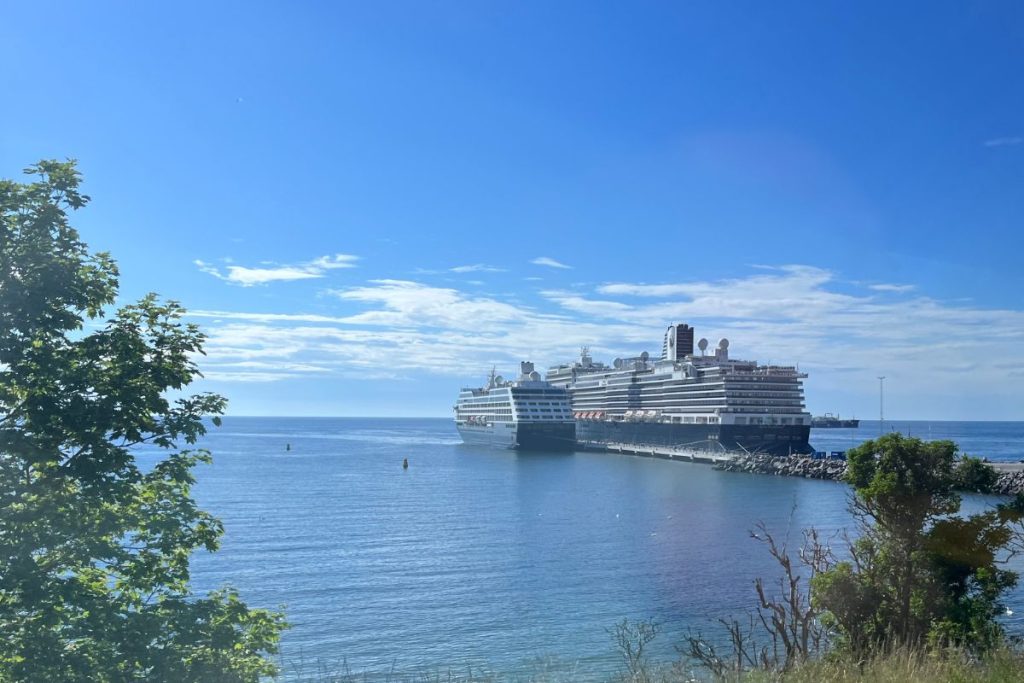
Crowds can be an inevitable part of cruise travel. The ships themselves may be crowded in certain popular areas or times (embarkation/disembarkation, for example). Many of the popular cruise ports can also become overwhelmed with cruise passengers, especially if there are multiple ships in port at the same time. Shore excursions can also feel crowded for some, especially those with larger group. Careful planning can help reduce or eliminate crowds while cruising, whether it is choosing a smaller ship, opting for an itinerary with less-popular ports of call, or doing a self-guided exploration or booking a private or small group excursion.
3. Seasickness
Even on large cruise ships, rough seas can cause some people discomfort. Some people find the constant motion on a cruise ship (whether in rough seas or calm waters) difficult to adjust to. Unfortunately, the “motion of the ocean” is a part of cruising. But most modern cruise ships are equipped with stabilizers to help reduce the overall motion.
If you do encounter seasickness, there are steps to take to help reduce or eliminate any discomfort. There are several different over-the-counter medications available to help with seasickness, so be sure to bring some with you even if you don’t typically have any issues. There are some non-medicated options as well, like patches or bands that can be worn on strategic parts of the body. Also, choosing a cabin that is centrally located and on a lower deck of the ship can help with seasickness as well. Finally, eating or drinking something with ginger can help alleviate seasickness.


4. Extra costs can add up
While the convenience of having the cruise fare bundled into one cost is a great benefit for many, there are still some extra costs that can quickly add up. Popular items such as alcohol, specialty dining, spa services, WiFi, gratuities, and excursions are often extra. Many cruise lines are including at least some of these in the cruise fare itself, so it’s always a good idea to confirm exactly what is included in the fare. For those items that are charged extra, look for opportunities to purchase individual items or bundles of items before the cruise…pre-purchasing these items can often cost less than buying them once on the ship. Be sure to track your onboard purchases during the cruise to ensure you don’t get surprised with a hefty bill at disembarkation!

5. Environmental impact
Unfortunately, cruise ships produce significant air and water emissions, which is a growing concern for eco-conscious travelers. Luckily, many cruise lines are taking steps to reduce their environmental footprint. Cruise lines are using alternative fuels, wind power, and shore power to help alleviate the issues. Many are also investing in plans for smarter operations and waste reduction programs. While full decarbonization is still a long way off, meaningful progress is being made throughout the cruise industry.
The top five cons of cruising:
- Limited time in each destination means the possibility of feeling rushed
- Crowds on and off the ship
- Seasickness and other potential illnesses
- Extra costs can add up if you don’t pay attention
- Environmental impact of the cruise industry as a whole
Common Questions
Is cruising good for first-time travelers?
Cruising is actually one of the best options for first-time travelers, thanks to its built-in simplicity. One booking covers your accommodation, meals, and transport between destinations. The onboard experience is easy to navigate, and the structured environment takes a lot of the stress and guesswork out of international travel. It’s essentially a great “training wheels” vacation for those who want to see the world without the overwhelming logistics of planning from scratch.
Are cruises cheaper than regular vacations?
It depends on how you travel, but cruises can offer excellent value when you factor in everything that’s included, such as lodging, most meals, entertainment, and transportation between ports. Where cruisers often get caught off guard is the extras: drinks packages, specialty dining, shore excursions, gratuities, and WiFi can add up quickly and significantly inflate the final bill. The key is to go in with a realistic budget and a clear understanding of what is and isn’t covered in your fare.
How much time do you actually get in each port?
On a typical cruise itinerary, you’ll have anywhere from four to ten hours at each port of call — which sounds like a lot, but goes faster than you’d expect once you factor in tendering to shore, navigating a new place, and making it back to the ship on time. This is generally enough for a highlights tour or a planned excursion, but not enough to truly immerse yourself in a destination.
Even More Travel Ideas
Ocean View vs. Balcony Cruise Ship Cabins
Comparing Azamara and Crystal Cruises
Don’t Let the Size Fool You: Sea Days on Smaller Ships Are Anything But Boring